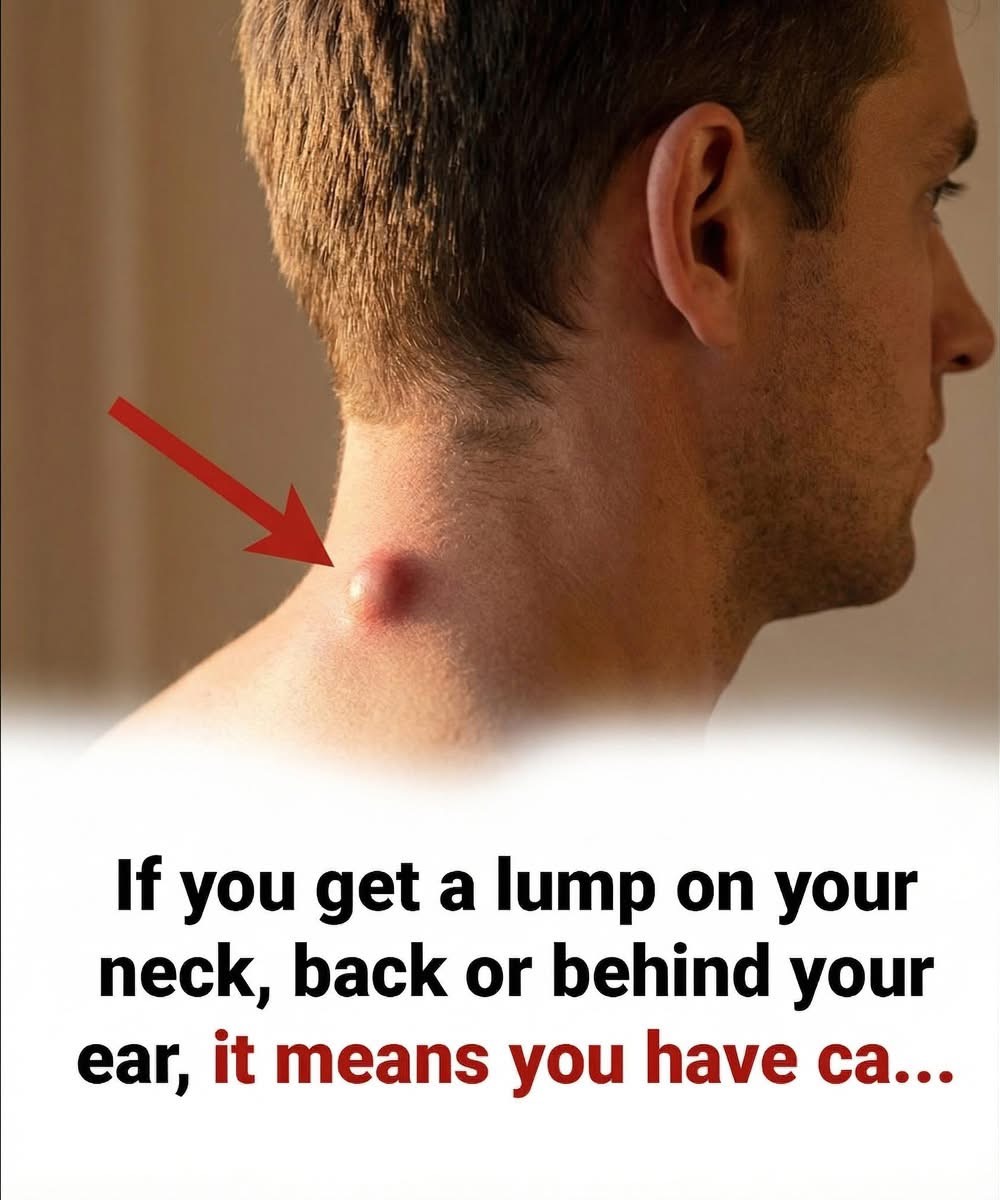
Discovering a lump on your neck, back, or behind your ear can naturally cause concern, but many such changes are common and often harmless. Lumps vary in size, texture, and cause, and they can develop for many reasons, including blocked pores, skin irritation, or normal immune responses. While some resolve on their own, others may persist and deserve attention. Understanding what these lumps might represent can help you decide whether simple observation is enough or whether it’s time to seek professional advice. Being informed encourages calm, thoughtful decisions rather than unnecessary worry.
One frequent cause of small, slow-growing lumps beneath the skin is an epidermoid cyst. These are non-cancerous growths that develop when skin cells move deeper into the skin instead of shedding normally. Over time, these trapped cells form a sac filled with keratin, a natural protein found in hair and nails. Epidermoid cysts commonly appear on the neck, upper back, or behind the ears and usually feel firm or rubbery to the touch. In most cases, they are painless and harmless, though irritation or infection can make them swollen, red, or uncomfortable.
Certain factors may increase the likelihood of developing cysts or similar lumps. Blocked hair follicles, minor skin injuries, acne-prone skin, or chronic irritation can all play a role. Adults tend to experience these growths more often than children, and they may occur more frequently in men. A healthcare provider can often identify the nature of a lump through a simple physical exam. If there is uncertainty, imaging tests or additional evaluation may be recommended to better understand its structure and rule out other conditions. Monitoring changes in size, color, or sensation is important, as these details help guide next steps.
Many people try gentle home care methods to ease discomfort, such as applying warm compresses to support circulation and reduce tenderness. Keeping the area clean, dry, and free from pressure can also help prevent irritation. However, squeezing or attempting to drain a lump at home is not advised, as it can increase the risk of infection or scarring. Medical care should be sought if a lump becomes painful, grows rapidly, leaks fluid, or is accompanied by other symptoms such as fever. When treatment is needed, options may include professional drainage or removal, guided by a qualified provider. With proper attention and care, most lumps can be managed safely, allowing you to protect both your comfort and long-term skin health.