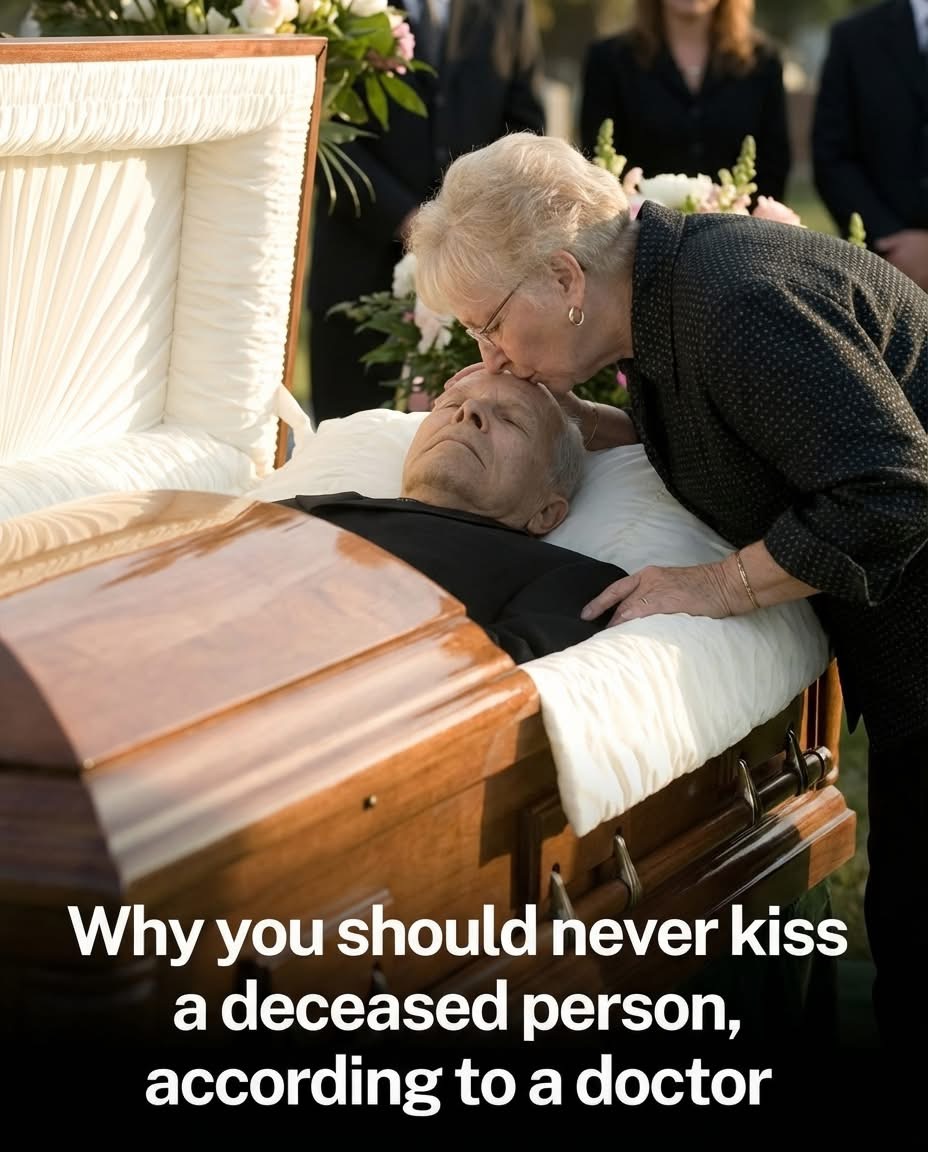
Saying goodbye to a loved one is one of the most emotionally significant moments in a person’s life. Across cultures and traditions, final gestures such as holding a hand, standing nearby, or pausing in quiet reflection have long been ways to express love, respect, and closure. In recent discussions, some medical professionals have encouraged families to approach these moments with gentle awareness of basic health considerations.
After death, the human body naturally undergoes biological changes. In certain circumstances, particularly when illness was involved, microorganisms can remain present on the skin for a short period. Because the immune system is no longer active, these organisms are not regulated as they are during life. While the overall risk to others is generally low, experts note that close physical contact immediately after death may involve minor health considerations before professional care takes place.
Public reactions to this guidance have varied. Some people appreciate clear medical explanations that allow families to make informed choices during emotional moments. Others feel that introducing practical considerations into mourning can feel uncomfortable, especially when physical presence plays an important role in personal or cultural traditions.
Many professionals suggest a balanced approach. Speaking with medical or funeral staff, following simple hygiene practices, and choosing farewell gestures that feel meaningful can help families navigate this time. Acts such as holding a hand, sharing memories, or spending a moment in silence can provide comfort and closure while honoring loved ones with dignity and care.