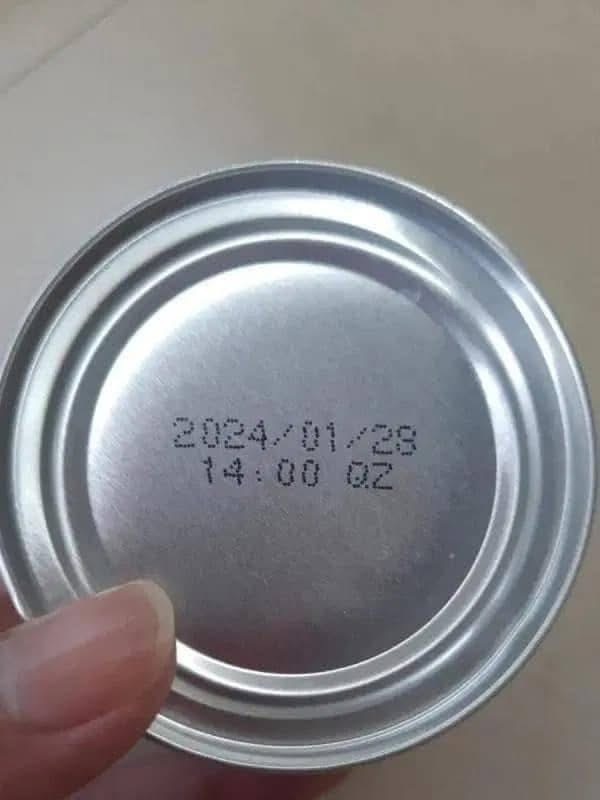
Many people assume that once a food item passes its printed date, it automatically becomes unsafe. In reality, most expiration labels are about quality, not safety. In the United States, only infant formula is required by federal law to carry a true expiration date. For most other foods, manufacturers choose dates based on peak freshness, flavor, or texture rather than an exact safety cutoff.
Labels such as “Best By” or “Best Before” indicate when a product is expected to taste its best. Foods like cereal, canned goods, and dry snacks are often safe well beyond this date if stored properly. “Sell By” dates are intended for store inventory and do not mean food suddenly becomes unsafe. Even “Use By” dates, common on refrigerated items, should be paired with common-sense checks like smell, appearance, and texture.
Food spoilage depends more on storage conditions than the calendar. Temperature, moisture, air exposure, and handling all play major roles. A can kept in a cool, dry pantry may last years, while the same item stored improperly can spoil much sooner. The printed date does not reflect how food has been stored in your home.
Understanding food labels can help reduce unnecessary waste. Simple habits like proper storage, freezing leftovers, and rotating older items forward make a big difference. Trusting your senses and learning what labels truly mean can save money, reduce waste, and help food last as long as it safely should.