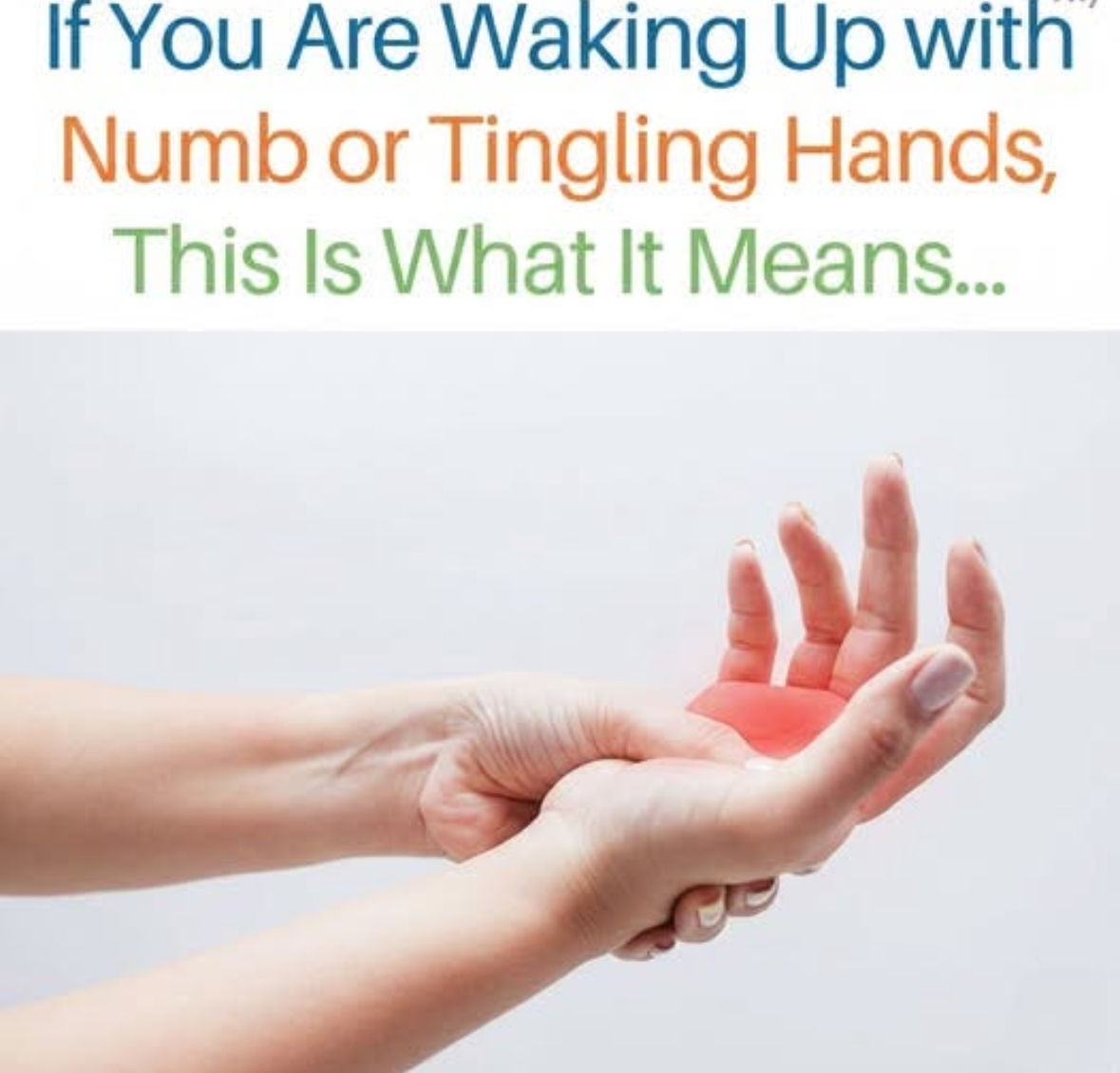
Numbness or tingling sensations in the hands, often described as pins and needles, tingling, or a loss of sensation, are experiences that can affect anyone at some point in their life. These sensations, medically referred to as paresthesia, can occur intermittently or persistently, and understanding their causes is critical for maintaining overall health. In many cases, the sensation arises from minor or temporary issues, such as sleeping in an awkward position, leaning on the arm, or remaining in one posture for too long. These positional causes can compress nerves or reduce blood flow to the hands, resulting in the familiar prickling or tingling feeling. While these temporary episodes usually resolve quickly after shifting positions or moving around, they serve as a reminder of how sensitive the nerves in our hands are to pressure and circulation changes. Additionally, repetitive activities, particularly those involving the wrists, hands, or forearms, such as typing, texting, or prolonged use of hand tools, can cause chronic irritation or inflammation of nerves, tendons, or muscles. Over time, this can lead to cumulative stress on nerves like the median nerve in carpal tunnel syndrome, which often begins with intermittent tingling and can progress to numbness or weakness if unaddressed.
Nutrition plays a crucial role in nerve health, and deficiencies in certain vitamins can lead to persistent tingling in the hands. Vitamin B12, in particular, is essential for maintaining the myelin sheath that surrounds and protects nerves. A deficiency in this vitamin can impair nerve signaling, causing symptoms such as numbness, tingling, and even balance issues. Similarly, inadequate intake of other B vitamins, like B6 or B1, can interfere with proper nerve function. Electrolyte imbalances, particularly involving sodium, potassium, and calcium, can also affect nerve conduction, sometimes manifesting as tingling or cramping in extremities. These nutritional issues are often subtle and develop over time, meaning individuals may not notice changes until symptoms are persistent. Therefore, maintaining a balanced diet rich in essential nutrients is not only important for overall health but is specifically crucial for the proper functioning of the nervous system. People at risk, including vegetarians, vegans, older adults, and those with absorption issues, should consider monitoring their nutrient intake and consulting healthcare providers for appropriate supplementation if necessary.
Chronic health conditions can have a significant impact on nerve function and circulation, making them another important consideration when numbness or tingling occurs. Diabetes, for example, is one of the most common systemic causes of paresthesia due to diabetic neuropathy. High blood sugar levels over time damage nerves and blood vessels, particularly in the extremities, resulting in persistent tingling, burning, or numbness in the hands and feet. Similarly, autoimmune disorders such as rheumatoid arthritis or lupus can lead to inflammation that affects nerves or blood vessels, producing tingling sensations alongside other systemic symptoms. Vascular conditions, including Raynaud’s phenomenon, reduce blood flow to fingers and toes, causing numbness, coldness, and color changes in response to temperature or stress. Even hypertension and atherosclerosis may reduce circulation, indirectly contributing to neuropathic sensations. Recognizing these underlying chronic conditions early is critical, as addressing the root cause often alleviates or prevents worsening of numbness and tingling. Regular health screenings, blood sugar monitoring, and early interventions for autoimmune or circulatory disorders can make a substantial difference in maintaining nerve health and preventing complications.
Structural issues affecting the spine, neck, or limbs can also trigger numbness or tingling in the hands. Conditions such as herniated discs, spinal stenosis, or cervical spondylosis can compress nerves that travel from the neck and shoulders down into the arms and hands. Similarly, localized nerve compression in the wrist (carpal tunnel syndrome), elbow (cubital tunnel syndrome), or shoulder can cause paresthesia along specific nerve pathways. Tumors, cysts, or even prolonged scar tissue formation can exert pressure on nerves, disrupting normal signaling and creating sensations of tingling or numbness. These structural causes are particularly concerning when accompanied by weakness, muscle atrophy, or pain, as they may indicate progressive nerve damage. Imaging studies, such as MRI or CT scans, alongside nerve conduction studies, can help identify the exact site of compression and guide treatment, which may include physical therapy, ergonomic adjustments, or surgical intervention in severe cases. Being aware of posture, ergonomics, and repetitive strain risks is important not just for prevention but also for reducing the likelihood of chronic nerve injury.
Infectious diseases can also affect nerves and lead to numbness or tingling in the hands. Shingles, caused by the reactivation of the varicella-zoster virus, can result in a painful, blistering rash accompanied by tingling, burning, or numbness along the affected nerve pathway. Lyme disease, a bacterial infection transmitted by ticks, can similarly cause neurological symptoms, including paresthesia, in the extremities if left untreated. Other infections that impact the nervous system, such as certain viral neuropathies or bacterial infections, may also manifest initially with tingling or numbness before more severe symptoms develop. Prompt recognition and treatment of infectious causes are essential, as delaying care may lead to persistent nerve damage or systemic complications. Awareness of exposure risks, vaccinations where appropriate, and early medical intervention are all vital components in preventing infection-related nerve problems.
While occasional tingling in the hands is generally harmless and often linked to temporary positioning or minor strain, persistent or severe symptoms require careful evaluation by a healthcare professional. Determining the exact cause of numbness or tingling often involves a combination of patient history, physical examination, laboratory tests, imaging studies, and sometimes nerve conduction testing. Early diagnosis can prevent worsening of conditions, guide lifestyle or dietary interventions, and identify potentially serious underlying health issues before they progress. Treatment may range from addressing nutritional deficiencies, improving ergonomics, and managing chronic diseases, to medical or surgical intervention in cases of nerve compression or structural abnormalities. Ultimately, being proactive about unexplained or persistent tingling is crucial. Understanding that the hands are a reflection of complex neurological, circulatory, and systemic health reinforces the importance of listening to subtle signals from the body. By taking these sensations seriously, individuals can safeguard not only their hand function but their overall wellbeing, reducing the risk of long-term nerve damage and ensuring a better quality of life.