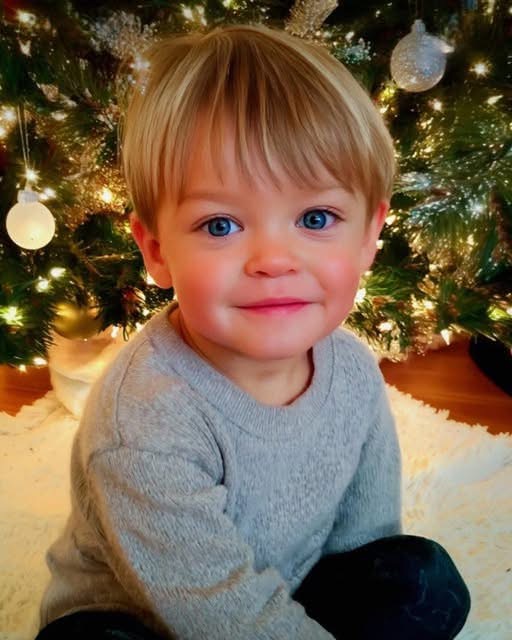
He arrived like a warning. No tears, no tantrums, no pleading gestures—just that hollow, practiced stillness that felt impossibly heavy on a child’s small frame. Every movement we made, his eyes measured with a cold, silent calculation, braced for imagined blows that never came. We were told he was “withdrawn,” that he needed time, that he was simply shy or reticent. They were wrong. He wasn’t distant in the ordinary sense. He wasn’t uninterested or aloof. He was defending his life with silence, defending his sense of self with rigid stillness, holding his breath tight enough that it seemed he might fracture under its own weight. Every glance was a test, every pause a negotiation. Even in our presence, he seemed to occupy a separate reality, one built of suspicion, caution, and the invisible walls of trauma.
At first, our attempts to reach him felt painfully insufficient. A comforting word might be met with suspicion; a gentle touch could trigger flinches that made our hearts ache. We learned quickly that conventional displays of love—the dramatic hugs, the whispered assurances, the “everything will be okay” promises—didn’t translate. Healing wasn’t a montage of cinematic breakthroughs. It didn’t come with sudden declarations of trust or the easy laughter of a child suddenly free. Instead, it arrived in slow, almost imperceptible gestures: a backpack left unzipped because he finally believed no one would steal from him; a plate returned to the kitchen with a bite left over because hunger was no longer a threat that required immediate, desperate action. His body, once coiled tight with instinctive defense, began to ease before his lips ever found the words to speak. The small flinches softened gradually, like edges worn down by quiet water. The hovering near the trash can, the constant scanning of corners and doorways, faded into casual glances, and then, eventually, disappeared altogether. The smallest victories—like sitting in the same room without retreating, or making eye contact without fear—stacked upon each other, building a fragile, tentative bridge between his world and ours.
What changed him wasn’t our certainty, our pronouncements, or even our clever strategies. It was our consistency. Day after day, hour after hour, we showed up. After setbacks, after disappointments, after nights when the nightmares clawed their way back into his mind, we showed up. Every breakfast prepared and placed on the table, every rule enforced with calm firmness, every soft reminder that “you’re safe here” was another thread in the fabric of permanence he had never experienced. The ordinary acts of care became monumental to him—not because they were grand gestures, but because they were reliable, predictable, unyielding. He tested us repeatedly, again and again, putting our patience and trustworthiness under the microscope. And with every successful test, the invisible evidence piled higher than the fear that had once dictated his every action. Slowly, he began to understand that not every hand extended toward him sought to hurt, that some spaces could be safe, that some words could be trusted.
And then, on one ordinary, sunlit afternoon, something quiet and profound happened. He laughed—a laugh that didn’t glance at the door, didn’t peek over his shoulder, didn’t search for hidden dangers. It wasn’t loud or triumphant; it wasn’t a declaration to the world. But to us, it felt monumental. That moment, more than any hug, more than any spoken assurance, revealed the courage he had summoned in silence. He had done the bravest thing a wounded child can do. He had chosen, with no fanfare, no declaration, no sudden leap of faith, simply to stay. He had decided, in the quietest, most ordinary way imaginable, that he could live here, with us, and that maybe—just maybe—the world outside didn’t have to define him anymore.