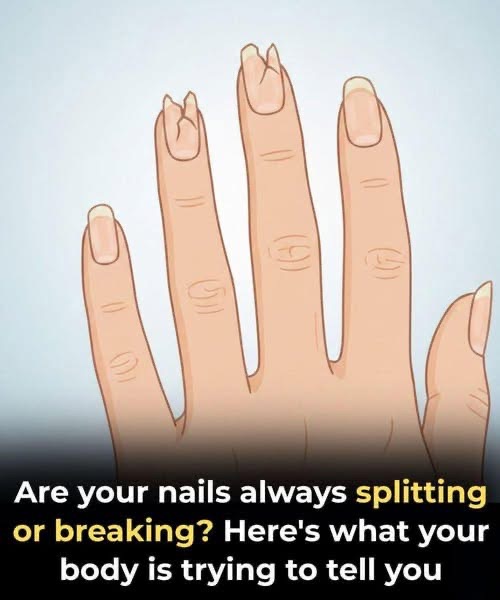
Fingernails are often viewed as purely cosmetic features—trimmed, polished, and largely overlooked in daily life. Yet beneath their simple appearance, nails can provide subtle clues about overall health. Because they grow slowly and reflect processes occurring within the body, changes in color, shape, or texture may sometimes signal underlying conditions. While many nail variations are harmless, certain persistent or unusual signs should not be ignored. Paying attention to these changes can support early detection of potential health concerns.
One common change involves pale or unusually white nails. Healthy nails typically appear soft pink due to blood flow beneath the nail bed. When that color fades significantly, it may be linked to anemia, liver conditions, or nutritional deficiencies affecting red blood cell production. If pale nails are accompanied by fatigue, dizziness, or shortness of breath, consulting a healthcare professional is advisable. Similarly, yellow nails are often associated with fungal infections, particularly when thickening or brittleness occurs. However, persistent yellowing may also relate to respiratory disorders, thyroid imbalances, or diabetes. If standard treatments fail to improve discoloration, medical evaluation may be necessary.
A blue or purple tint to the nails can indicate reduced oxygen levels in the blood. This symptom is sometimes seen in individuals with heart or lung conditions. When bluish nails appear alongside chest discomfort, breathing difficulties, or unusual fatigue, prompt medical attention is important. Dark vertical lines beneath the nail may be harmless in some cases, especially depending on skin tone. However, if a streak appears suddenly, changes in size, or spreads to surrounding skin, a physician should assess it to rule out serious conditions such as melanoma.
Texture and shape changes can also provide insight. Brittle, cracked, or peeling nails may result from frequent exposure to water or chemicals, but ongoing fragility can sometimes reflect thyroid disorders or deficiencies in nutrients such as iron or biotin. Spoon-shaped nails, known medically as koilonychia, may signal iron deficiency anemia, particularly when accompanied by weakness. Clubbing—where fingertips enlarge and nails curve downward—can develop gradually and is sometimes linked to heart or lung disease. Deep horizontal grooves, called Beau’s lines, may appear after severe illness or stress when nail growth temporarily stops.
Although not every nail change indicates a serious issue, sudden or persistent differences deserve attention. Because nails grow slowly, visible changes may reflect events from weeks or months earlier. Monitoring unusual signs and seeking medical guidance when necessary can offer reassurance and help protect long-term health.