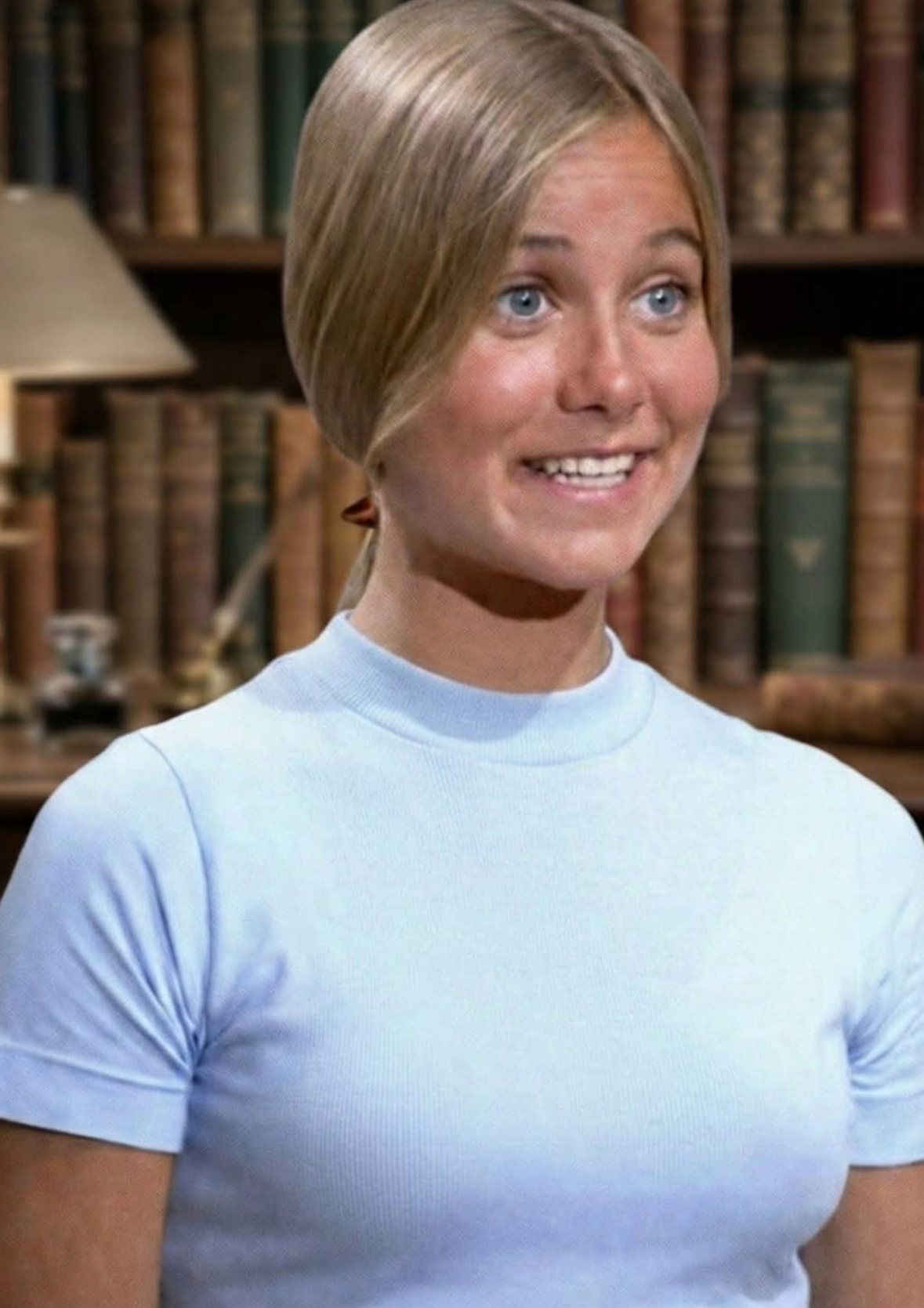
The Brady Bunch remains one of the most recognizable and beloved family sitcoms in television history. The show originally aired from 1969 to 1974 and introduced audiences to a blended family navigating life together under one roof. The story followed a widowed architect who married a woman with three daughters, creating a lively household of six children. Alongside them was their friendly live-in housekeeper, who helped keep things organized as the family adjusted to their new life together. Each episode focused on everyday situations—school challenges, sibling disagreements, and lessons about responsibility—presented with humor and a positive message. The show’s catchy theme song, colorful style, and gentle storytelling reflected the tone of television during the late 1960s and early 1970s, when family-centered programs were a staple of prime-time entertainment.
While The Brady Bunch did not dominate television ratings during its original run, its true success came later through syndication. After the series ended, local television stations began airing reruns, often during after-school hours or weekend family programming blocks. This gave a new generation of viewers the opportunity to discover the show. Children who had not been alive during the original broadcast quickly became fans, and the sitcom steadily grew into a cultural phenomenon. Its simple storytelling and relatable family themes helped it remain enjoyable for audiences of different ages. Over time, the show became widely associated with nostalgia, representing a cheerful and optimistic image of family life that many viewers appreciated.
The popularity of The Brady Buncheventually led to a variety of spin-offs and revivals that kept the characters alive long after the original series ended. Animated versions, reunion specials, television movies, and later theatrical adaptations all expanded the story of the Brady family. These projects helped maintain public interest and introduced the characters to even more viewers. The series also became a frequent reference point in pop culture, appearing in parodies, documentaries, and television retrospectives that celebrated classic sitcoms.
Part of the show’s enduring charm came from the genuine friendships formed among the cast members. Actors who portrayed the Brady children often spoke about the strong bond they developed during filming, which helped create a natural sense of warmth on screen. Maureen McCormick, who played Marcia Brady, became especially associated with her character, while fellow cast members like Susan Olsen and Barry Williams also played memorable roles in shaping the show’s family dynamic. Their chemistry contributed to the series’ lasting appeal. Decades after its final episode aired, The Brady Bunch continues to hold a special place in television history, remembered for its optimism, its humor, and its celebration of family life.