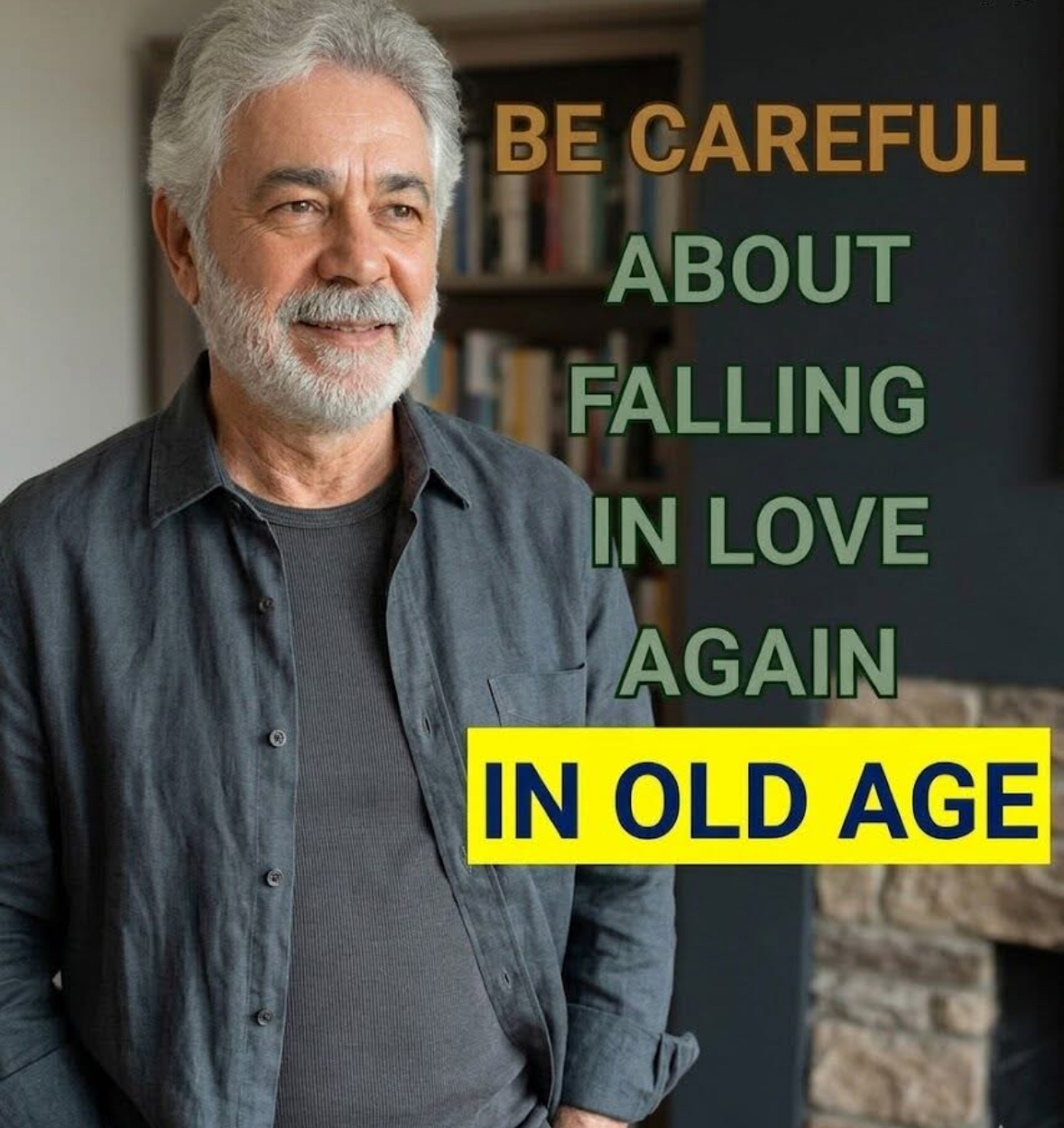
Falling in love after 60 can be thrilling, life-affirming, and unexpectedly intense. At this stage of life, romance carries unique risks that few people openly discuss. Unlike youthful love, which often grows alongside identity formation and new experiences, love in later adulthood arrives when people already have deeply rooted routines, emotional histories, and a strong sense of independence. For many, a new relationship can feel like a sudden earthquake, shaking well-established boundaries and bringing joy alongside vulnerability. Understanding the potential dangers and learning strategies to protect emotional, social, and financial well-being can help ensure that love enhances life rather than upends it.
One of the most common risks in later-life romance is mistaking loneliness for love. Many adults over 60 have endured significant losses—divorce, widowhood, friends moving away, or children pursuing independent lives. Loneliness can become a persistent ache, and when someone kind or attentive appears, the relief they provide is often misinterpreted as romantic love. In reality, it may be a need for companionship rather than a true connection. This misreading can lead intelligent, independent adults into damaging or unbalanced relationships, particularly if one person becomes the primary source of emotional fulfillment. True emotional resilience comes from maintaining meaningful friendships, pursuing purposeful activities, and fostering a network of supportive connections. Relying solely on one person to fill all emotional gaps increases vulnerability and may lead to control or manipulation.
Another challenge is the fear that this could be one’s “last chance” at love. While breakups at 20 can be painful, they are rarely existentially frightening. After 60, however, a person may worry: “What if I never find love again?” This fear can distort judgment, prompting individuals to ignore red flags, rush commitments, or idealize someone they barely know. It may create a sense of urgency that pushes people into situations they wouldn’t otherwise choose. Recognizing that life can offer connection and joy at any stage helps counteract the pressure to settle for less than a healthy, respectful relationship. Patience and discernment remain essential, even when desire or emotional intensity is high.
Financial and asset risks are another serious concern. By later adulthood, many individuals have accumulated substantial resources: paid-off homes, retirement funds, investments, and lifetime savings. While most partners are honest and well-intentioned, some exploit older adults for financial gain. Red flags include requests for loans framed as “temporary,” pressure to merge finances quickly, suggestions to alter wills or beneficiaries, and encouragement to distance oneself from family. Healthy love respects financial independence and does not demand sacrifice. Remaining vigilant about personal assets and maintaining boundaries around money can prevent exploitation while preserving a sense of security and peace.
Merging two independent lives presents another challenge. After 60, both partners have fully formed identities: long-held habits, routines, family dynamics, values, and personal histories. Integrating these lives can be complex, as differences in lifestyle, household management, or family expectations can generate tension. Moreover, changing ingrained patterns becomes more difficult with age due to reduced cognitive flexibility. For some couples, living separately while maintaining a meaningful romantic connection offers the ideal balance—preserving independence, minimizing conflict, and honoring both individuals’ established lives. Thoughtful communication, compromise, and realistic expectations are crucial when combining two fully formed worlds.
Desire and intimacy also play a unique role in later-life relationships. Sexuality remains vibrant and important, and after years without physical connection, initial intimate experiences can feel all-encompassing. However, intense desire can create an emotional illusion of love, blurring judgment and accelerating attachment. Decisions made in the heat of physical passion may lead to consequences that compromise well-being, family dynamics, or financial stability. Taking time to separate emotional bonding from physical chemistry helps ensure that relationships develop on a foundation of compatibility and mutual respect rather than fleeting attraction.
Finally, new relationships at this stage of life have broader implications for family and legacy. Children, grandchildren, siblings, and lifelong friends are all part of the emotional ecosystem into which a new partner enters. Poorly managed relationships can strain or even rupture these bonds, leading to family conflict, distancing, or lasting resentment. Conversely, thoughtful integration can enrich family life, create shared joy, and strengthen emotional connections across generations. Key strategies include maintaining open communication with children, setting clear boundaries, avoiding financial entanglement too early, and preserving the routines and life achievements that have been built over decades. By balancing enthusiasm for romance with caution and mindfulness, individuals over 60 can pursue meaningful, safe, and fulfilling relationships while protecting the life they have cultivated.
In conclusion, falling in love after 60 can be both beautiful and challenging. While it offers opportunities for companionship, joy, and renewed intimacy, it also presents unique emotional, financial, and social risks. Recognizing the potential pitfalls—loneliness masquerading as love, fear of missed opportunities, financial vulnerability, merging independent lives, intense desire, and family impact—allows older adults to navigate relationships thoughtfully. Patience, clear communication, maintaining independence, and seeking balance with existing social connections are essential for fostering healthy romance. By embracing awareness alongside openness, people can enjoy the profound rewards of love in later life without compromising the stability, dignity, and relationships they have spent decades building.