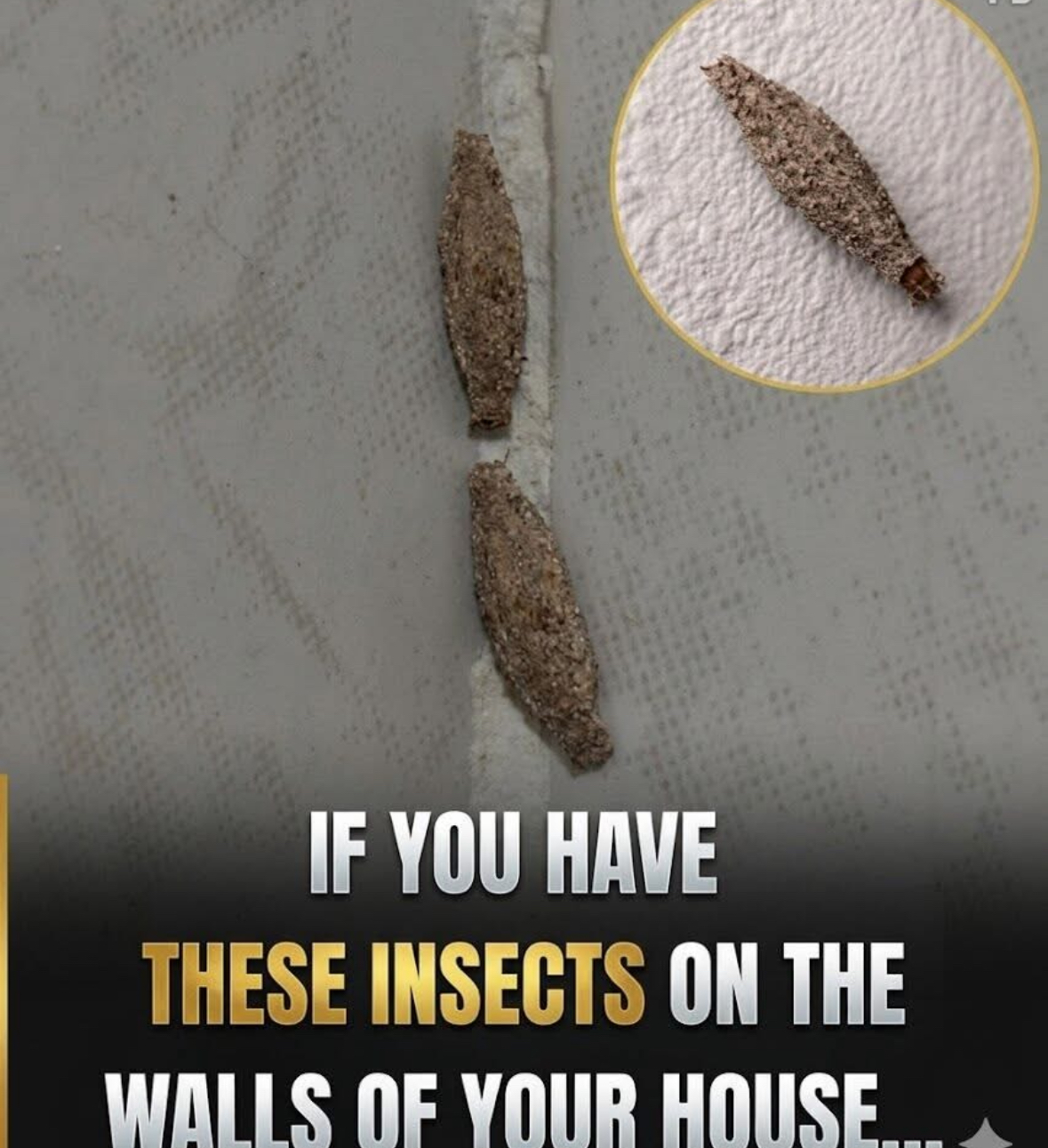
Bagworms, also known as case-bearing moth larvae, are small insects recognized for their remarkable ability to camouflage themselves within indoor environments. They carry a protective “case” constructed from dust, fibers, and other debris, which allows them to blend seamlessly into walls, furniture, and other household surfaces. While these insects do not pose direct harm to humans, their presence can be unsettling and may indicate underlying issues such as excessive dust, high humidity, or poor ventilation. Learning where bagworms typically hide is crucial for effective prevention and management, allowing homeowners to maintain a clean, comfortable, and pest-free environment.
One of the most common hiding places for bagworms is along walls, particularly in the corners near ceilings. These areas are rarely disturbed during routine cleaning and often accumulate fine dust, cobwebs, and fibers that bagworms use to construct their cases. Small, tube-shaped, grayish objects clinging to walls or corners may actually be bagworm cases rather than simple lint or debris. Because these insects remain motionless while encased, they often go unnoticed until infestations grow larger. Regular inspection of wall corners and ceilings can help detect early signs before the population becomes more widespread.
Bedrooms and sleeping areas are another preferred location for bagworms. These spaces typically contain fabrics, bedding, and minimal nighttime activity, creating a quiet and undisturbed environment that bagworms favor. They often hide near headboards, behind beds, or along baseboards close to sleeping areas. Homes where mattresses, bedding, and upholstered furniture are not regularly cleaned or rotated may be especially vulnerable. Ensuring regular vacuuming, laundering of bedding, and movement of furniture can reduce the likelihood of bagworm accumulation in these personal spaces, keeping both the insects and the associated anxiety at bay.
Closets and wardrobes provide yet another attractive environment for bagworms. Enclosed, dark spaces with limited airflow are ideal for these insects to settle and build their protective cases. Clothing made from natural fibers such as cotton, wool, or linen offers both shelter and construction material. Bagworms can attach themselves to walls, shelves, or even hang among stored clothes without being noticed for long periods. Organizing closets, periodically moving stored clothing, and thorough cleaning of shelves and corners can help deter infestations and reduce the risk of unnoticed proliferation.
Fabric-rich areas, including curtains, carpets, rugs, and upholstered furniture, are highly appealing to bagworms. These insects often hide along the edges of carpets, behind heavy drapes, or beneath furniture where dust and fibers accumulate. Homes with thick curtains, rarely cleaned carpets, or minimal furniture movement are particularly susceptible. Routine vacuuming, cleaning under furniture, and rotating textiles are effective strategies to minimize these ideal habitats, ensuring that bagworms have fewer opportunities to establish themselves in areas frequented by family members.
Bathrooms, laundry rooms, storage areas, basements, and attics also serve as common hiding spots. Although bagworms are not aquatic, they are drawn to moisture and warmth, making bathrooms and laundry areas ideal due to high humidity and lint accumulation. In basements and storage rooms, low foot traffic, cardboard boxes, old furniture, and stored clothing provide abundant shelter. Window frames and door edges, especially in homes near gardens or green spaces, may also attract bagworms seeking indoor refuge. These areas often collect dust and debris while offering easy access from outdoors. Regular cleaning, improved ventilation, and careful monitoring of stored items can significantly reduce the risk of infestation in these spaces.
Preventing bagworm infestations requires a combination of vigilance and consistent household maintenance. Regular cleaning of walls, ceilings, corners, carpets, closets, and storage areas is essential to remove dust and fibers that facilitate case construction. Reducing indoor humidity by improving airflow and using dehumidifiers, particularly in bathrooms, laundry areas, and basements, discourages bagworm survival. Washing and rotating stored clothing, minimizing clutter, and addressing unnoticed dust accumulation help eliminate potential shelters. While bagworms themselves are harmless, their presence can signal conditions favorable to other pests, making early intervention key for maintaining a clean, healthy, and comfortable home. By understanding where these insects hide and taking proactive measures, homeowners can protect both their living spaces and peace of mind.