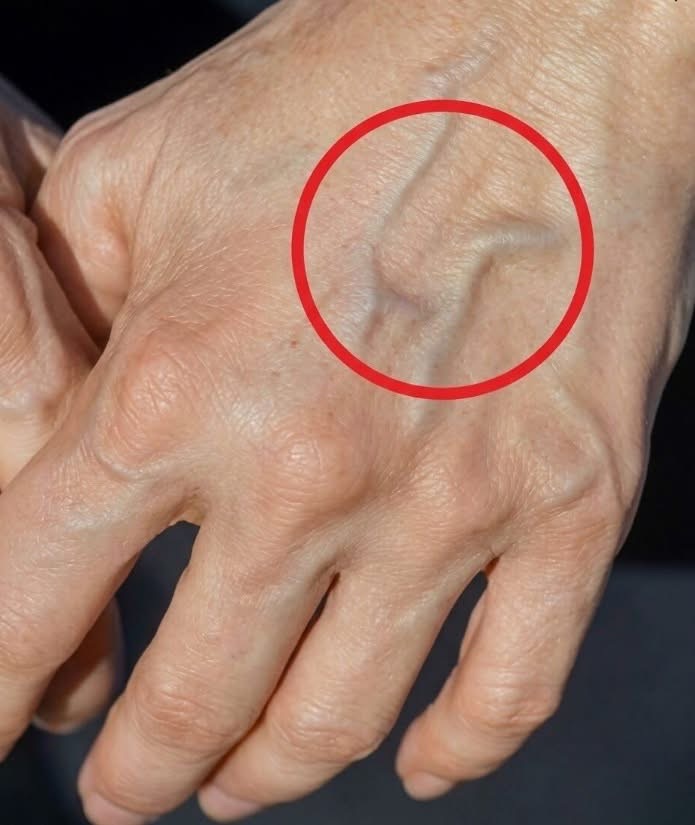
Visible veins on the hands are a common observation that often causes unnecessary concern. Many people worry they might signal serious health problems, such as kidney disease. However, in most cases, prominent hand veins are harmless and reflect normal variations in physiology rather than organ dysfunction. Understanding why veins appear more noticeable and what kidney disease actually affects can help ease concerns.
Several factors can make hand veins more prominent. Aging naturally reduces collagen and skin elasticity, and the layer of fat beneath the skin thins, making veins more visible. People with low body fat or lean body composition often notice more pronounced veins. Genetics also play a role, as vein thickness, skin transparency, and connective tissue density vary among individuals. Additionally, exercise, heat, and temporary dehydration can cause veins to expand, making them easier to see. These factors are normal and not a sign of kidney problems.
Kidney disease affects organ function rather than superficial veins. The kidneys filter blood, regulate fluids, control blood pressure, and balance electrolytes. Signs of kidney dysfunction include swelling, fatigue, changes in urination, high blood pressure, and nausea. Visible hand veins are not linked to kidney filtration capacity. In medical treatments like dialysis, veins may appear enlarged due to an arteriovenous (AV) fistula, but this is a procedural effect, not a symptom of disease.
In conclusion, prominent hand veins are usually harmless. Aging, body composition, genetics, exercise, and hydration explain most cases. For kidney health concerns, rely on blood tests, urine analysis, blood pressure monitoring, and professional medical consultation. Veins indicate circulation and hydration, but kidney function cannot be determined by vein appearance alone.