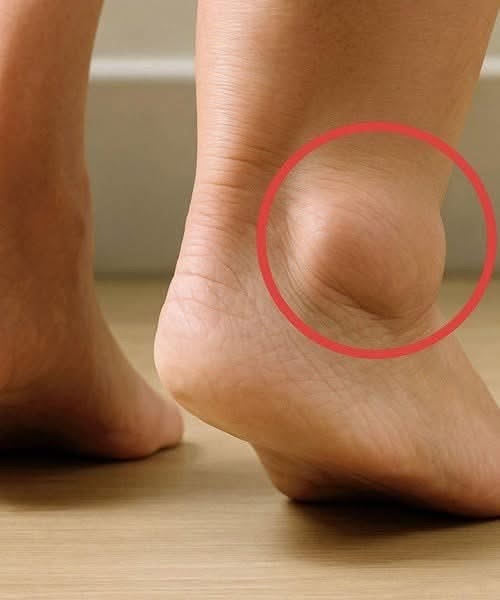
Swollen feet are a common concern among older adults, and while the condition may seem minor at first, it can significantly affect comfort, mobility, and overall well-being. Many people experience occasional swelling in their feet or ankles, particularly after standing or sitting for extended periods. However, when swelling becomes frequent or persistent, it may indicate underlying health or lifestyle factors that deserve attention. As individuals age, changes within the body—especially within the circulatory system—can make fluid retention more likely. For this reason, understanding the causes of swollen feet and learning how to manage or prevent the condition becomes increasingly important for maintaining an active and comfortable lifestyle. Swelling in the feet can make everyday tasks such as walking, standing, or wearing shoes uncomfortable. In some cases, the swelling may be mild and temporary, resolving on its own after rest. In other situations, it may persist for longer periods and require adjustments in lifestyle or medical evaluation. Many older adults simply assume that swollen feet are an unavoidable part of aging, but this is not necessarily true. While aging can increase the likelihood of fluid retention, there are many steps individuals can take to reduce the risk and maintain healthier circulation. Awareness plays a crucial role. When people understand what causes swelling and how it develops, they are better equipped to respond appropriately and take preventive measures before the condition worsens. By recognizing the factors that contribute to swollen feet and adopting healthy habits that support circulation and fluid balance, older adults can often reduce discomfort and continue enjoying daily activities without unnecessary limitations.
Swollen feet, medically referred to as edema, occur when excess fluid accumulates in the tissues of the body, most commonly in the lower legs, ankles, and feet. Gravity naturally draws fluid downward, which is why swelling tends to appear in these areas first. In a healthy circulatory system, blood vessels and lymphatic channels work together to move fluids efficiently throughout the body. However, as people age, this process can become less effective. Blood vessels may lose some of their elasticity, and circulation may slow slightly, making it easier for fluid to collect in the lower extremities. When this fluid builds up in the surrounding tissues, the result is visible swelling that may cause the skin to appear stretched or shiny. In mild cases, the swelling may simply feel uncomfortable or heavy. In more pronounced cases, individuals may notice that their shoes feel tighter or that pressing on the swollen area leaves a temporary indentation. The body normally regulates fluid balance through a combination of blood circulation, kidney function, and hormonal signals. When any part of this system becomes less efficient, fluid may accumulate more easily. For older adults, even small disruptions in circulation can contribute to swelling, especially after prolonged inactivity. While edema can occur in people of any age, older individuals often experience it more frequently because age-related changes in blood vessels, muscles, and heart function can influence how fluids move through the body. Recognizing these natural changes helps explain why swollen feet are relatively common among seniors, while also highlighting the importance of supporting healthy circulation through lifestyle choices and medical care when necessary.
One of the most frequent causes of swollen feet in older adults is reduced or inefficient circulation. Blood circulates through the body thanks to the heart’s pumping action and the assistance of muscles that help push blood back toward the heart through the veins. When individuals remain seated or standing for long periods without movement, this circulation process slows down. As a result, fluid can collect in the feet and ankles, leading to noticeable swelling. This is particularly common among people who spend much of their day sitting in chairs, working at desks, or traveling for long distances. Another common cause is chronic venous insufficiency, a condition in which the veins in the legs struggle to send blood back up toward the heart. Inside the veins are tiny valves that help maintain the upward flow of blood. Over time, these valves can weaken or become less effective, allowing blood to pool in the lower legs. When this happens, pressure builds within the veins, and fluid may leak into the surrounding tissues, creating swelling. Individuals with this condition may also notice other symptoms such as aching legs, skin discoloration, or a feeling of heaviness. In addition to circulation problems, certain medications can contribute to fluid retention. Drugs prescribed for conditions such as high blood pressure, diabetes, hormonal therapy, or inflammation sometimes have side effects that cause the body to retain more fluid than usual. When this occurs, the excess fluid often settles in the feet and ankles. It is important for individuals who experience new or worsening swelling after starting a medication to discuss the issue with their healthcare provider. Adjusting the dosage or exploring alternative medications may sometimes reduce the problem.
In some situations, swollen feet may signal the presence of underlying medical conditions that affect the body’s ability to regulate fluids effectively. Heart disease, for example, can lead to swelling because the heart may not pump blood as efficiently as it should. When blood flow slows, fluid can accumulate in the legs and feet. Kidney disease can also contribute to swelling, as the kidneys play a vital role in filtering waste and regulating fluid balance within the body. When kidney function becomes impaired, excess fluid may remain in the tissues instead of being removed through urine. Liver conditions may produce similar effects because the liver is involved in producing proteins that help maintain proper fluid distribution in the bloodstream. When these proteins are reduced, fluid may leak into surrounding tissues. Although these conditions are less common causes of swelling compared with simple circulation issues, they highlight the importance of paying attention to persistent or severe symptoms. If swelling appears suddenly, becomes painful, or is accompanied by other symptoms such as shortness of breath, fatigue, or chest discomfort, medical evaluation becomes essential. Early diagnosis allows healthcare providers to identify underlying causes and recommend treatments that can protect both circulation and overall health. For older adults especially, regular checkups are an important part of maintaining well-being, as they allow doctors to detect subtle changes before they develop into more serious problems.
Beyond medical conditions, everyday lifestyle habits can also play a significant role in the development of swollen feet. One of the most common contributors is physical inactivity. Movement helps the muscles in the legs contract, which in turn assists veins in pushing blood upward toward the heart. When people remain inactive for long periods, this natural pumping action slows down, making fluid accumulation more likely. Extended sitting during travel, such as on long car rides or airplane flights, can lead to temporary swelling for this reason. Diet can also influence fluid balance. Consuming foods that contain high levels of sodium can encourage the body to retain water. Sodium attracts water within the bloodstream, and excessive intake may cause the body to hold onto more fluid than necessary. Over time, this can increase swelling in the feet and ankles. Maintaining a balanced diet with moderate sodium intake can therefore help support proper fluid regulation. Body weight is another factor that can affect circulation. Carrying excess weight places additional pressure on the veins in the legs, making it more difficult for blood to travel upward toward the heart. This pressure may slow circulation and contribute to fluid buildup in the lower extremities. Even modest weight management efforts can sometimes improve circulation and reduce swelling. Additionally, wearing tight or poorly fitting footwear can restrict circulation in the feet and ankles. Choosing comfortable shoes with adequate support helps ensure that blood and fluids move more freely through the lower legs. These lifestyle factors demonstrate how daily habits can either support or hinder the body’s natural ability to regulate circulation and fluid balance.
Fortunately, many strategies can help older adults reduce or prevent swelling in the feet. One of the most effective approaches is maintaining regular physical activity. Simple activities such as walking, stretching, or light exercise stimulate the muscles of the legs and encourage healthy circulation. Even brief walks taken several times a day can make a noticeable difference in reducing fluid buildup. Elevating the feet is another simple yet powerful technique. Raising the feet above heart level for a short period—often around fifteen to thirty minutes—allows gravity to assist the movement of fluid away from the lower legs and back toward the upper body. Many people find relief by resting with their legs supported on pillows or reclining chairs. Compression socks can also be helpful for individuals who experience frequent swelling. These specially designed garments apply gentle pressure to the legs, helping veins move blood upward toward the heart more efficiently. For people who spend long hours sitting or standing, compression socks may provide valuable support. Choosing supportive footwear is equally important. Shoes that fit properly and offer adequate cushioning help reduce pressure on the feet and improve comfort during movement. Diet also plays a role in prevention. Reducing sodium intake and incorporating potassium-rich foods—such as bananas, leafy greens, and avocados—can help the body maintain a healthier fluid balance. Potassium works in opposition to sodium by helping the body regulate water levels within cells. By combining regular movement, proper nutrition, supportive footwear, and occasional rest with elevated legs, many older adults can significantly reduce swelling and maintain healthier, more comfortable feet. While swollen feet can be frustrating, they are often manageable when individuals understand the causes and adopt habits that promote good circulation and overall health.