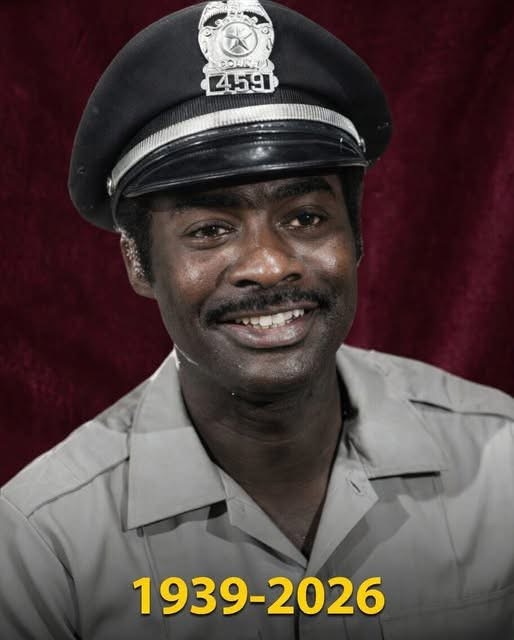
Ed Bernard built a career defined not by celebrity or headline fame, but by quiet professionalism and a deep respect for the craft of acting. Before transitioning to television, he developed his skills in the theater scene of Philadelphia, where stage performance demanded discipline, consistency, and emotional control. Those early experiences shaped the grounded and authentic style that later became his trademark on screen.
As television expanded during the 1970s and 1980s, Bernard successfully moved into episodic television, bringing the same sense of realism and restraint to his screen roles. He appeared in series such as Police Woman and The White Shadow, earning a reputation as a dependable character actor who could strengthen any scene without drawing unnecessary attention to himself. Rather than seeking the spotlight, Bernard focused on supporting the story and enhancing the performances around him.
What made his career meaningful was not one major breakthrough role, but the steady accumulation of thoughtful and believable performances over many years. Directors and fellow actors valued his reliability, humility, and ability to bring authenticity to every project. His work reflected an understanding that storytelling is collaborative and that even smaller roles can leave a lasting impact.
Away from acting, Bernard valued family, faith, and a quiet personal life. After the loss of his wife, he gradually stepped away from public attention, choosing a more private and reflective lifestyle. In many ways, his later years mirrored the qualities that defined his career: dignity, simplicity, and sincerity.
Though he may never have been among television’s biggest stars, Ed Bernard’s legacy endures through the countless performances that helped shape the stories audiences continue to remember and revisit today.