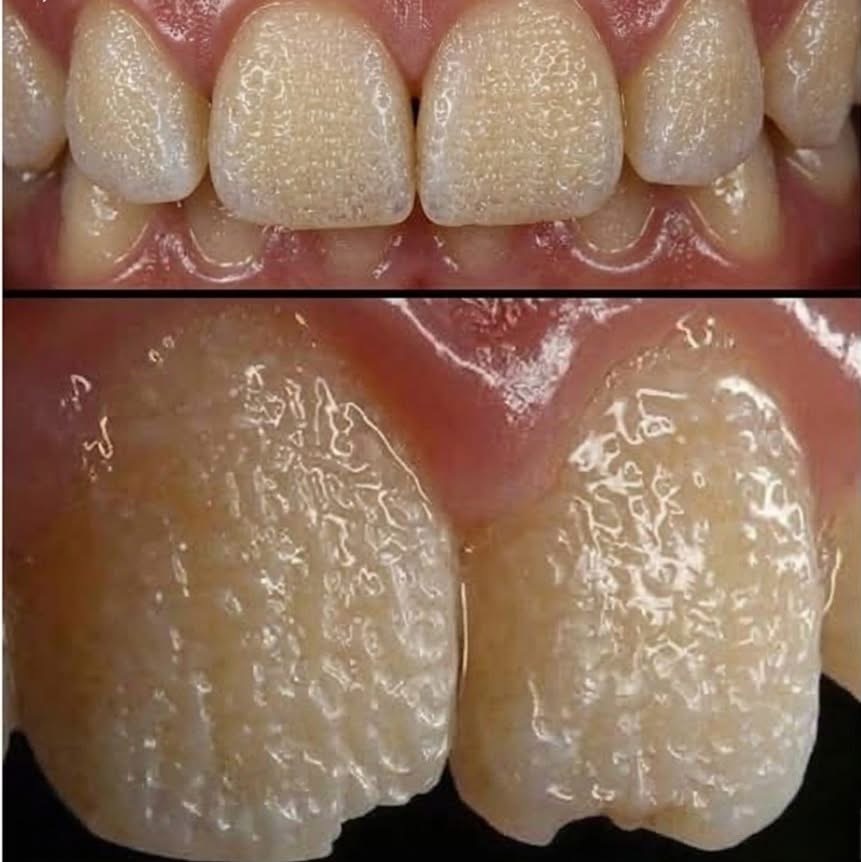
A bright and healthy smile is often considered the universal symbol of vitality and confidence. We are told from a young age that as long as we brush twice a day, floss regularly, and avoid an excess of sugary sweets, our teeth will remain strong and resilient throughout our lives. However, for a significant number of people, the battle for dental health is not fought against candy or poor hygiene, but against a hidden genetic blueprint that undermines the very foundation of their teeth. Many individuals wake up to find their teeth looking unusually yellow, feeling incredibly sensitive to temperature, or even prone to sudden chipping and wear, despite their best efforts at maintenance. While common culprits like coffee, tea, or aggressive brushing are often blamed, the reality can sometimes be traced back to a complex and often misunderstood condition known as Amelogenesis Imperfecta.
To understand the gravity of this issue, one must first appreciate the incredible biological engineering of the human tooth. Enamel, the translucent outer layer of the tooth, is the hardest substance in the entire human body. It is designed to act as a nearly impenetrable shield, protecting the sensitive inner layers from the mechanical stress of chewing and the chemical erosion caused by various foods and drinks. Enamel is formed by highly specialized cells during early development in a process that is as delicate as it is rigorous. When this process is interrupted or dictated by a faulty genetic code, the resulting shield is compromised. This is the essence of Amelogenesis Imperfecta, a condition that doesn’t just affect the appearance of a smile but alters the fundamental integrity of the dental structure.
When enamel fails to form properly, the results can be both physically painful and emotionally taxing. Because the protective layer is either too thin, too soft, or poorly mineralized, the underlying dentin—which contains thousands of tiny microscopic tubules leading to the tooth’s nerve—is left exposed. This exposure leads to an agonizing sensitivity to hot, cold, or sweet stimuli, making everyday acts like drinking a glass of ice water or enjoying a warm meal a source of dread. For those living with this condition, the teeth may appear significantly discolored, varying from a dark yellow to a brownish-orange hue. They might also appear pitted, grooved, or unusually small, creating a smile that feels fragile and alien to the person behind it.
The impact of such a condition extends far beyond the physical discomfort of sensitive nerves. We live in a visual society where a person’s smile is often the first thing others notice. For children and teenagers especially, visible dental differences can lead to a profound loss of self-confidence and a feeling of social isolation. The fear of being judged for “bad teeth” can prevent a person from laughing freely or speaking up in a crowd, creating an emotional burden that is just as heavy as the physical symptoms. Many people spend years trying to fix these issues with standard whitening treatments or abrasive toothpastes, only to find that these methods are not only ineffective but can actually worsen the sensitivity and damage the remaining fragile enamel.
Scientifically, Amelogenesis Imperfecta is categorized into several distinct types, each presenting its own set of challenges. In the hypoplastic form, the enamel is hard and well-attached, but it is simply too thin to provide adequate coverage. In the hypomaturation variety, the enamel grows to a normal thickness but remains soft and prone to breaking away. The most severe form is often hypocalcified enamel, where the mineral content is so low that the protective layer is essentially crumbly and wears away almost as soon as the tooth emerges. Because this is a genetic condition, it often runs in families, passed down through generations like a silent heirloom. Understanding this hereditary link is crucial, as it shifts the narrative away from personal failure or poor hygiene and toward a medical reality that requires specialized care.
The journey toward a functional and beautiful smile for someone with this condition begins with a comprehensive and early diagnosis. Modern dentistry has advanced to the point where X-rays and genetic testing can identify these issues long before they lead to catastrophic tooth loss or chronic pain. When a dentist identifies the signs of weakened enamel early on, they can implement a strategy of “interventional protection.” This isn’t about just cleaning the teeth; it’s about reinforcing them. The goal is to provide the protection that nature failed to supply.
Treatment options in the modern era are more sophisticated and effective than ever before. For many, the answer lies in full-coverage crowns or high-strength bonding and veneers. These procedures do more than just improve the aesthetics of the smile; they provide a synthetic shield that takes over the job the natural enamel was supposed to do. By sealing off the sensitive dentin and providing a durable chewing surface, these treatments can virtually eliminate the chronic pain associated with temperature sensitivity. Additionally, the use of professional-grade fluoride treatments and specialized desensitizing products can help manage the day-to-day comfort of the patient, allowing them to lead a life that isn’t dictated by the temperature of their food.
As we look toward the future of dental science, the focus is moving toward a more holistic understanding of how genetics influence oral health. It is becoming increasingly clear that a “one size fits all” approach to dental care is insufficient. Individuals with enamel development issues require a tailored plan that prioritizes preservation and long-term functionality. This involves a partnership between the patient and a dental professional who understands the unique nuances of genetic conditions. With the right intervention, the cycle of damage and sensitivity can be broken, allowing individuals to move forward with a smile that is as strong as it is beautiful.
The most important takeaway for anyone struggling with persistent dental problems is to realize that you are not alone, and your symptoms may have a deeper cause than what you see on the surface. Education is the first step toward empowerment. By recognizing that some everyday foods and habits might be accelerating a problem that started before you were even born, you can take the necessary steps to protect yourself. Modern dentistry offers a path to restoration and confidence, proving that even when the body’s hardest substance fails, human innovation can provide a way back to health. No one should have to live in the shadow of dental fragility. Through early detection, specialized treatment, and a commitment to protective care, a resilient and radiant smile is within reach for everyone, regardless of their genetic starting point. The era of suffering in silence from dental sensitivity is over, replaced by a new standard of care that values the person as much as the tooth.