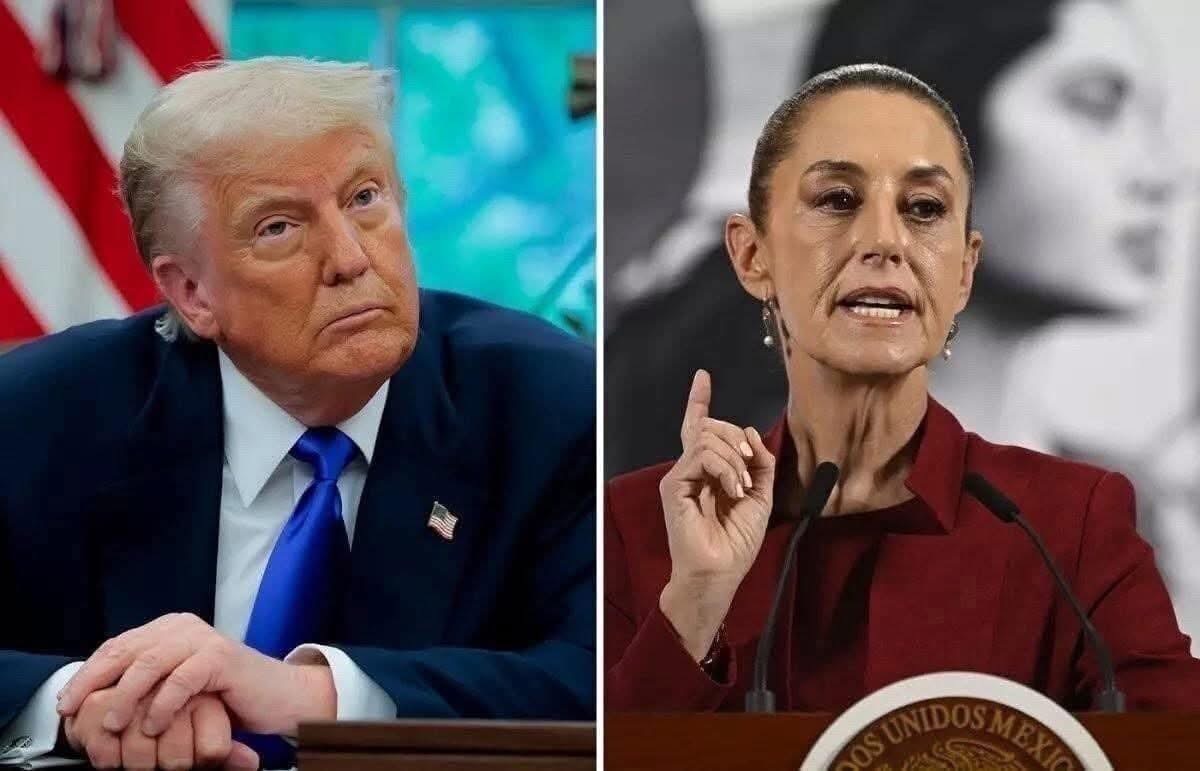
Recent tensions in the Middle East have drawn global attention after reports of strikes targeting Iranian nuclear-related facilities. Governments around the world are closely monitoring developments, while analysts continue discussing the potential impact on diplomacy, energy markets, and regional stability. International leaders have urged caution and emphasized the importance of avoiding further escalation. The reported strikes quickly became a major topic of discussion across political and financial circles. Energy prices reacted almost immediately as investors assessed possible risks to global supply routes and international trade. Security officials in several countries also increased monitoring efforts in response to concerns about broader regional instability.
Experts say the situation highlights the ongoing challenges surrounding nuclear negotiations and international security agreements. For years, world powers have debated how best to address concerns over Iran’s nuclear program while also preventing conflict in the region. The latest developments have renewed conversations about diplomacy, inspections, and long-term solutions. International organizations continue calling for restraint and open communication between all sides involved. Many officials believe diplomatic engagement remains essential for reducing tensions and preventing misunderstandings that could lead to further complications. Discussions behind closed doors are expected to continue in the coming weeks.