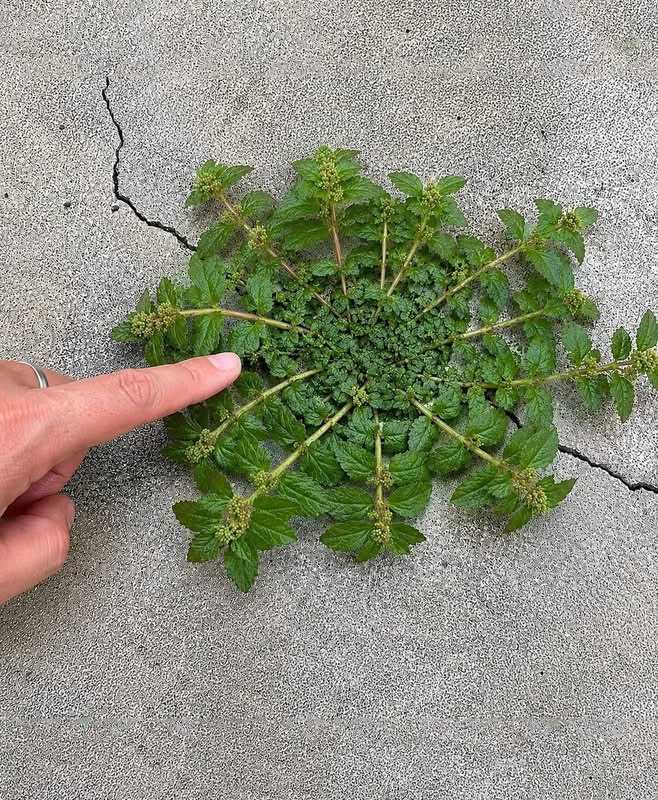
You have likely stepped over this “useless” weed a thousand times without giving it a second glance, unaware that you are trampling on a botanical gold mine hidden in plain sight. While most gardeners scramble to rip it from their flowerbeds and spray it into oblivion, those in the know treat this humble herb with the reverence usually reserved for expensive pharmaceuticals. This isn’t just another common garden pest; it is a legendary, age-old medicinal powerhouse that has quietly saved lives for centuries. If you knew the secret hidden within its tiny, hairy leaves, you would never look at your lawn the same way again.
Known to botanists as Euphorbia hirta and to traditional healers by names like asthma weed, snake weed, and pill-bearing spurge, this plant is a master of disguise. It is a modest, low-growing annual that rarely reaches above your knees, characterized by its reddish-purple stems, serrated opposite leaves, and the tell-tale milky white sap that oozes when a stem is snapped. It is one of nature’s most persistent survivors, thriving in the harshest conditions—from the cracks in your driveway and neglected vacant lots to the edges of tropical forests and sprawling agricultural fields. Its rapid growth and ability to flourish in disturbed soil have cemented its status as one of the most widespread medicinal weeds in the world.
For generations, cultures across Asia, Africa, and the Americas have recognized that this plant is a pharmacy in itself. Traditional practitioners do not see a weed; they see a comprehensive remedy. Nearly every portion of the plant—from the fibrous roots and the hairy aerial stems to the tiny, clustered flowers—is harvested for its potent therapeutic properties. Science is finally beginning to catch up to the wisdom of these ancestral healers, confirming that the plant is teeming with bioactive compounds like flavonoids, tannins, alkaloids, and saponins. These chemical constituents are the backbone of its reputation, acting as the silent soldiers in a long-standing war against inflammation, infection, and respiratory distress.
Beyond the lungs, the plant serves as a guardian of the digestive system. In traditional medicine, it is frequently employed to combat the misery of dysentery, diarrhea, and severe stomach cramps. Because the plant is rich in tannins—natural compounds known for their astringent qualities—it works to tighten internal tissues and reduce the fluid loss that accompanies intestinal distress. It is a traditional remedy for “cleansing” the stomach, believed to help soothe inflammation and neutralize the effects of minor intestinal infections. In the same vein, it has long been relied upon as a natural diuretic, helping the body purge excess waste and water, thereby supporting healthy bladder and kidney function.
The versatility of Euphorbia hirta extends to the skin as well. Before the advent of synthetic ointments and antiseptic sprays, the raw power of the plant’s sap and crushed leaves provided immediate, effective first aid for the working class. It was the original treatment for skin rashes, weeping boils, fungal infections, and the sharp, stinging pain of insect bites. By creating a crude poultice from freshly crushed leaves, people could apply a concentrated dose of the plant’s antibacterial and anti-inflammatory properties directly to an open wound or irritated patch of skin, effectively creating a natural bandage that promoted rapid recovery.
Despite its incredible profile, the use of Euphorbia hirta is not without its necessary warnings. Because it is biologically active, it is not a “gentle” herb that can be consumed in limitless quantities. Excessive use can trigger unwanted side effects, ranging from simple stomach irritation and nausea to vomiting. The very same milky sap that makes the plant so powerful can be highly irritating to the eyes and sensitive skin, requiring caution during preparation. Most importantly, pregnant women are universally cautioned against its use, as the plant possesses properties that can affect uterine activity. It is a reminder that even the most potent gifts from nature must be handled with respect, wisdom, and an understanding of their limits.
Why, then, does it remain so profoundly relevant in the year 2026? Its survival is rooted in its accessibility. In a world where the cost of healthcare continues to skyrocket and access to synthetic medicine remains uneven, this plant offers a democratic solution. It requires no pharmacy, no insurance, and no appointment; it simply waits in your garden, ready to be harvested. It represents an enduring link to our past, a testament to the fact that for all our technological advances, the most effective remedies were often growing right beneath our feet all along. As we look toward the future, the lessons provided by Euphorbia hirta remind us that nature is not merely a backdrop for our lives, but a sophisticated, complex, and ever-present source of health and healing for those who are observant enough to recognize it. Next time you reach for a weed whacker, you might want to pause and look a little closer—you could be looking at a treasure that has been healing humanity for thousands of years.