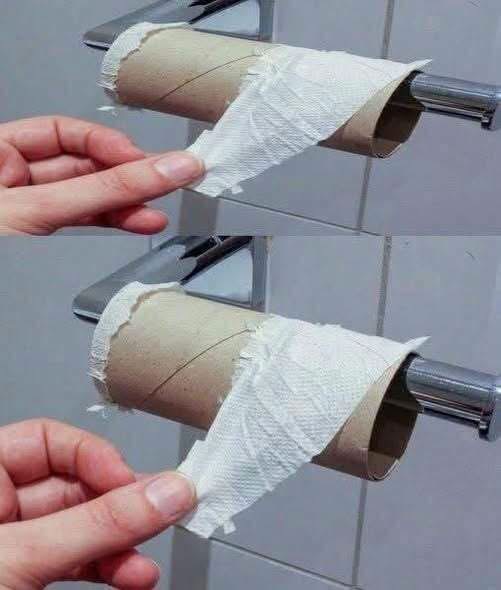
For generations, almost no one questioned the ritual. We reached for the roll without thinking, tore off a few sheets, used it, flushed it away, and replaced it when it ran out. It became such a normal part of everyday life that few people ever stopped to consider its true cost. But now, the bathroom essential that has defined modern hygiene for decades is facing growing scrutiny. Behind every soft sheet lies a much larger story involving forests, enormous amounts of water, industrial energy consumption, and mountains of waste. As awareness grows, a quiet revolution is unfolding inside homes around the world—one bidet installation, one eco-conscious purchase, and one daily habit at a time. The era of unquestioned dependence on toilet paper may be entering an entirely new chapter.
What is taking place in bathrooms today is far more than a passing home improvement trend. It reflects a broader shift in the way people think about consumption, sustainability, and personal responsibility. Many households are beginning to realize that convenience often comes with hidden environmental costs that remain invisible until someone chooses to look more closely. Toilet paper has long been marketed as the gold standard of cleanliness, yet the resources required to manufacture, transport, package, and dispose of it tell a much more complicated story than most consumers ever imagined.
Each roll begins long before it reaches a supermarket shelf. Millions of trees are harvested every year to satisfy global demand for paper products, while vast quantities of fresh water and electricity are consumed during manufacturing. Chemicals used to bleach and soften the paper add another environmental burden, and transportation across thousands of miles contributes additional carbon emissions before the product ever reaches a bathroom. When viewed one roll at a time, the impact seems insignificant. Multiplied by billions of households, however, the environmental footprint becomes enormous.
For years, these realities remained largely out of public conversation because the routine felt too ordinary to question. Like many everyday conveniences, toilet paper simply blended into daily life. Few people considered that an item used for only a few seconds would require so many natural resources to produce. Today, environmental awareness has encouraged consumers to examine even their smallest habits, and many are discovering that seemingly insignificant choices accumulate into meaningful environmental consequences over time.
At the center of this changing mindset is the growing popularity of bidets and water-based cleaning systems. Once viewed by many as unusual or associated primarily with certain parts of the world, bidets are increasingly becoming mainstream. Modern bidet attachments are relatively inexpensive, simple to install, and compatible with existing toilets, allowing homeowners to upgrade their bathrooms without expensive renovations. What once seemed unfamiliar is rapidly becoming a practical solution embraced by families seeking both comfort and sustainability.
Supporters of water-based hygiene often point to one significant advantage: cleanliness. Water removes residue more effectively than dry paper alone, leaving many users feeling noticeably fresher after each use. For individuals with sensitive skin, certain medical conditions, or mobility limitations, this gentler approach can also reduce irritation and improve daily comfort. Many who make the switch report wondering why they waited so long before trying it.
Beyond personal comfort, financial considerations have also encouraged more households to reconsider their habits. While purchasing a bidet involves an initial investment, many families discover that their toilet paper consumption drops dramatically afterward. Over months and years, those savings can offset much of the installation cost, making the transition beneficial not only for the environment but also for household budgets. In an era of rising prices, reducing recurring expenses has become an attractive bonus.
The environmental benefits extend even further. Reduced toilet paper demand means fewer trees harvested, less industrial processing, lower transportation emissions, and smaller volumes of waste entering sewage systems and landfills. Although water is required to operate a bidet, numerous environmental studies suggest that the overall resource footprint may be considerably lower than the complete production cycle associated with disposable paper products.
This growing movement is also reshaping the conversation about what true hygiene actually means. For decades, paper alone defined cleanliness simply because it was the cultural norm. As more people experience water-based alternatives, many are reevaluating long-held assumptions about personal care. What once seemed unconventional is gradually becoming viewed as a more effective and environmentally responsible option.
Innovation continues driving this transformation. Today’s bathroom technology includes heated seats, adjustable water pressure, warm-air drying systems, touchless controls, and energy-efficient designs that make bidets more convenient than ever before. Manufacturers are also developing recycled paper products, bamboo-based alternatives, and biodegradable materials for households that still prefer traditional paper while seeking more sustainable choices.
At the same time, changing consumer attitudes reveal something deeper than a simple preference for one bathroom product over another. Increasingly, people recognize that sustainability is shaped not only by major lifestyle changes but also by ordinary routines repeated every single day. The decision to wash instead of wipe becomes one small but meaningful reminder that environmental responsibility often begins with habits so familiar they rarely receive a second thought.
Cultural acceptance is also evolving. In many countries, water-based hygiene has been standard practice for generations. As travel, global communication, and social media expose people to different customs, attitudes continue shifting. What once seemed foreign now appears practical, comfortable, and increasingly aligned with modern environmental values.
Experts emphasize that there is no single perfect solution suitable for everyone. Personal preference, accessibility, cost, plumbing compatibility, and local water availability all influence individual decisions. Nevertheless, the growing willingness to reconsider long-established habits demonstrates an encouraging openness to innovation and sustainability.
Ultimately, this quiet transformation extends beyond bathrooms. It reflects a broader recognition that everyday routines connect us to global environmental challenges in ways we rarely notice. The products we purchase, the resources we consume, and the habits we repeat all contribute to a much larger picture. Even seemingly minor adjustments, when adopted by millions of people, can create meaningful long-term change.Online Image Galleries
As newer technologies, environmentally friendly materials, and smarter household designs continue emerging, the conversation surrounding toilet paper will likely keep evolving. Future generations may view today’s bathroom routines very differently than previous ones did. What seems ordinary now could eventually become an outdated habit replaced by cleaner, more efficient alternatives.
Whether someone chooses to continue using traditional toilet paper, switch to recycled products, install a bidet, or combine multiple approaches, the growing discussion highlights an important truth. Every daily decision carries consequences beyond our immediate convenience. In the end, the future of personal hygiene may not be defined simply by comfort, but by finding thoughtful ways to care for both ourselves and the planet we all share. The roll may one day become less central to our lives, but the awareness it has sparked about sustainability and responsible living is likely to remain for generations to come.