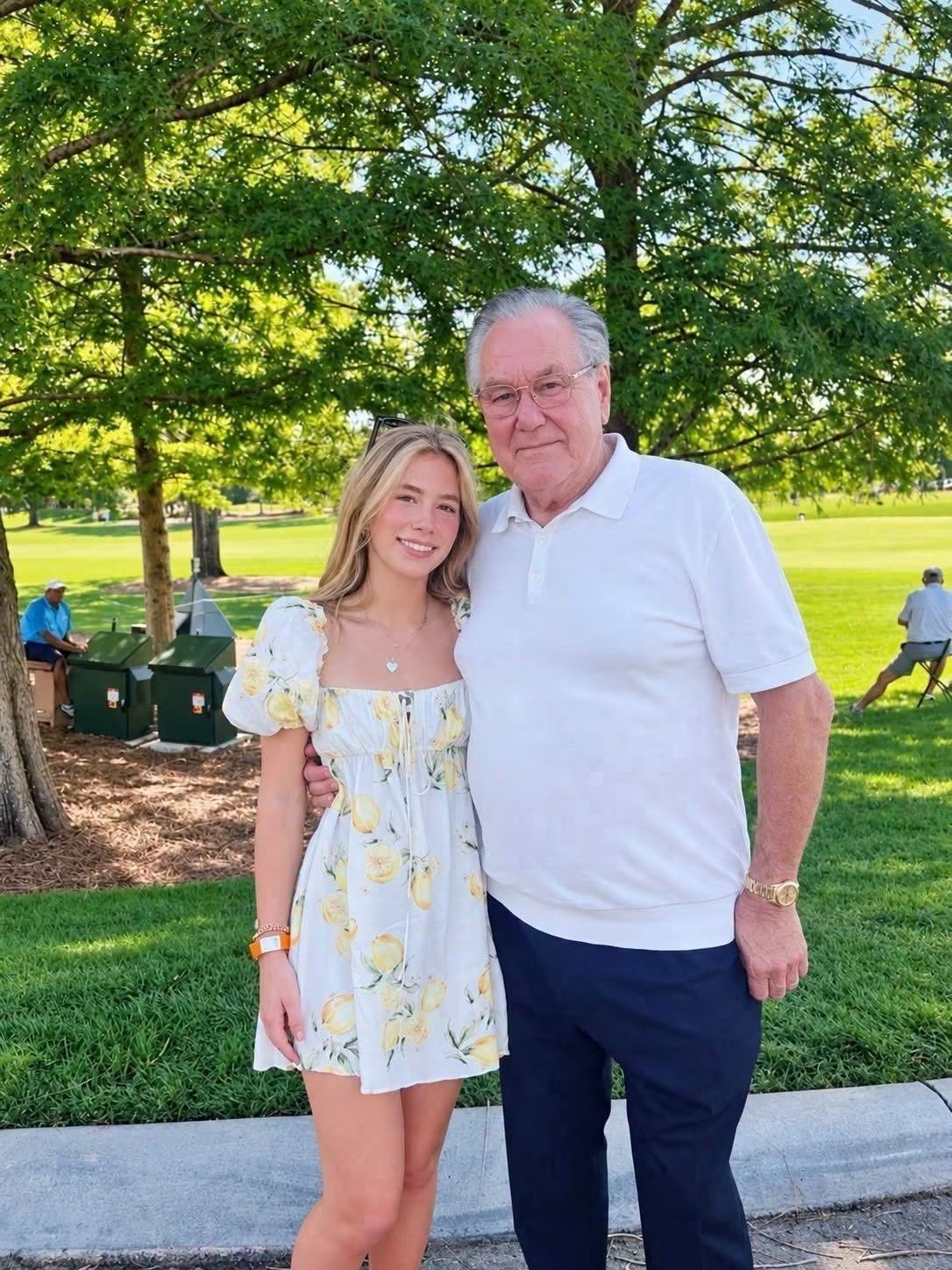
For seven years, I worked for Richard Bennett, and during that time, I believed I understood him better than almost anyone else in the company. I knew how he preferred his coffee, which clients required extra preparation, and why he liked to review important documents early in the morning. I understood his routines, his expectations, and the quiet way he showed appreciation when someone did a good job. However, one Friday afternoon at a peaceful park near our office, I discovered that there was still something important about my employer that I had never fully understood.
By Thursday, my imagination had filled in the gaps. Perhaps the company was reorganizing. Perhaps my position was changing. I even wondered whether the folder I had seen contained a formal notice about my employment. I knew I had worked hard, but I also understood that business decisions were sometimes made for reasons unrelated to an individual’s effort. I decided not to ask questions without knowing more. Instead, I focused on my responsibilities and made sure everything scheduled for the following week was organized.
Friday arrived slowly. At four o’clock, I collected my bag and waited in the lobby. Richard appeared a few minutes later, carrying his familiar coat. Rather than directing the driver toward a restaurant or another office, he asked to be taken to a small park nearby. We walked along a quiet path until we reached a bench beneath a large tree. For several moments, he said nothing. Then he turned toward me.
“Emily, you’ve worked with me for seven years,” he began. “You’ve helped this company through difficult projects, changing priorities, and more last-minute problems than I can count.” I listened carefully, unsure where the conversation was going. He continued, “I’ve also noticed how often you put everything else aside whenever someone needs you here.”
He explained that the company was preparing for a transition in its daily management. He had been reviewing responsibilities, speaking with the lawyer, and considering how to organize the business for the years ahead. The folder I had seen contained notes about my role, while the calls and reports were part of the planning process. Nothing had been finalized without discussion, he assured me.
Then Richard presented me with a proposal. He wanted me to move into a new position with greater responsibility, clearer working hours, and the opportunity to help train another assistant. The change would allow me to develop professionally without feeling that every company problem depended on my immediate attention.
I was surprised. For days, I had feared that my years of work were about to end, when Richard had actually been considering a different future for me. I thanked him, but I also asked for time to review the responsibilities and conditions carefully. He nodded. “You should take your time. Seven years of commitment deserves an honest conversation, not a rushed decision.”
As we walked back toward the car, I felt lighter. The experience taught me something I wish I had understood much earlier: assumptions can turn uncertainty into unnecessary worry, and dedication should never require a person to abandon every other part of life. Richard had not invited me to the park to deliver bad news. He had invited me to discuss change, opportunity, and the importance of building a sustainable future. For the first time in years, I began thinking not only about what the company needed from me, but also about the kind of life I wanted to build for myself and my family.