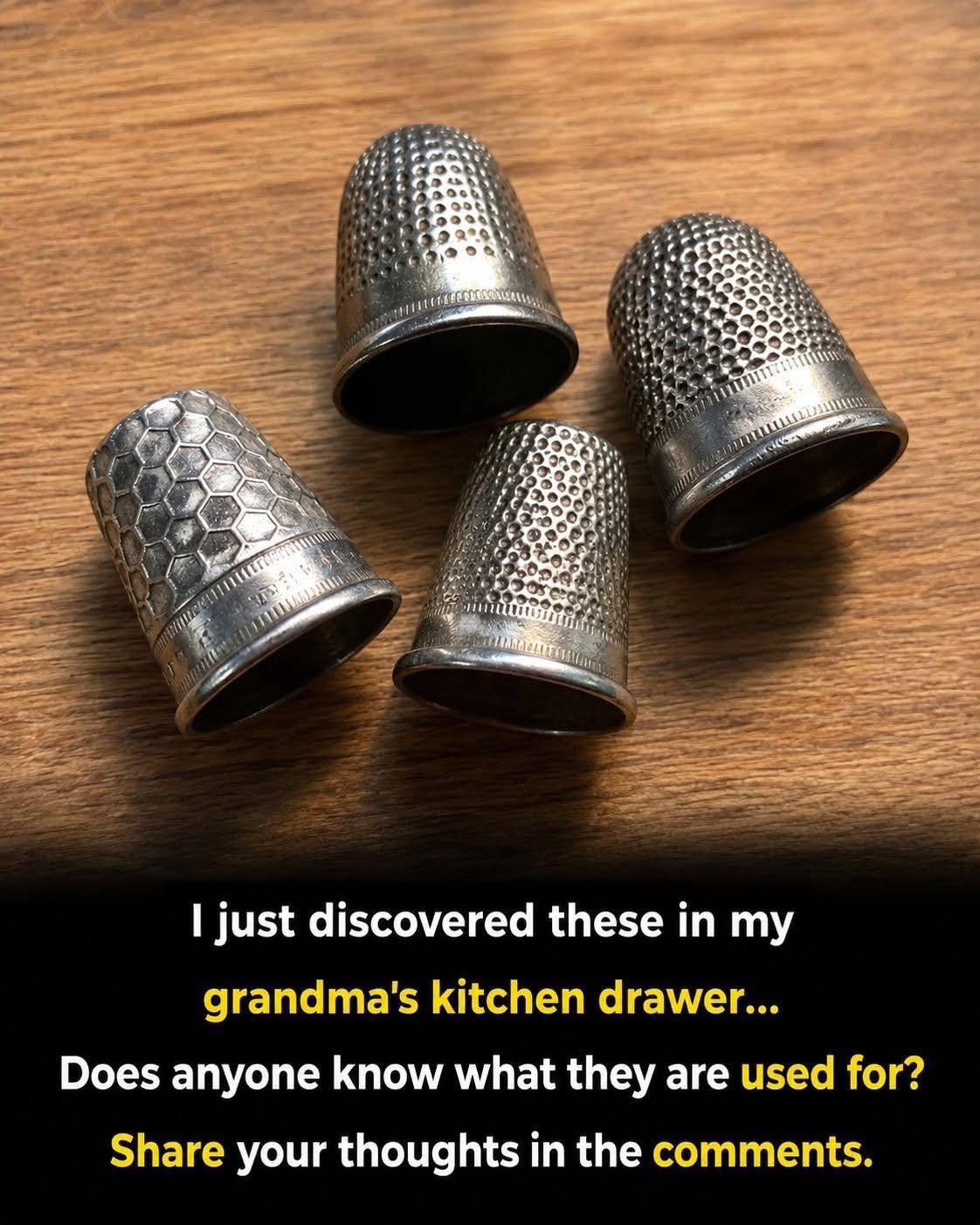
The thimble may look like a simple sewing tool, but its history stretches back thousands of years and reflects the development of human craftsmanship across many civilizations. Archaeological evidence shows early forms of finger protection used as far back as prehistoric times, when bone or stone tools helped people push needles through leather and hide. Over time, these primitive tools gradually evolved into more refined protective caps.
By around 100 AD, the Romans were already using bronze thimbles, and similar objects have been found in ancient China and other early civilizations. These early versions were usually handmade, often from bronze or bone, and were designed purely for function rather than appearance or decoration.
During the Middle Ages, thimbles became more common in Europe, especially by the 14th century. Early European versions were typically made of brass or bronze and were either cast or hammered into shape. They were small, practical tools used by tailors, embroiderers, and leather workers to protect their fingers during repetitive stitching.
By the 15th and 16th centuries, Nuremberg in Germany became one of the most important centers for thimble production. Craftsmen there developed improved brass alloys and more precise manufacturing techniques, allowing thimbles to become stronger, smoother, and more standardized in design. This period marked a major step in turning the thimble into a widely produced household item.
In the 17th century, production expanded further across Europe, especially in England and the Netherlands. New manufacturing methods made it possible to produce thimbles in larger quantities, while improving their shape and durability. At the same time, decorative versions made from silver and other metals began to appear, showing that thimbles were becoming more than just tools.
By the 18th and 19th centuries, thimbles had also become symbols of status and gifts, often engraved or made from precious materials. They were no longer only practical items but also decorative keepsakes, reflecting personal style and social standing. Many were collected and preserved, turning them into small works of art.
In modern times, thimbles are still used by sewing enthusiasts, quilters, and craftsmen, though less commonly than before due to machine production. At the same time, they have become popular collectibles, valued for their design, history, and cultural meaning across different eras.
Today, the thimble remains a small but powerful reminder of human creativity and tradition. From ancient workshops to modern collections, it continues to represent care, precision, and the enduring importance of handmade craft.