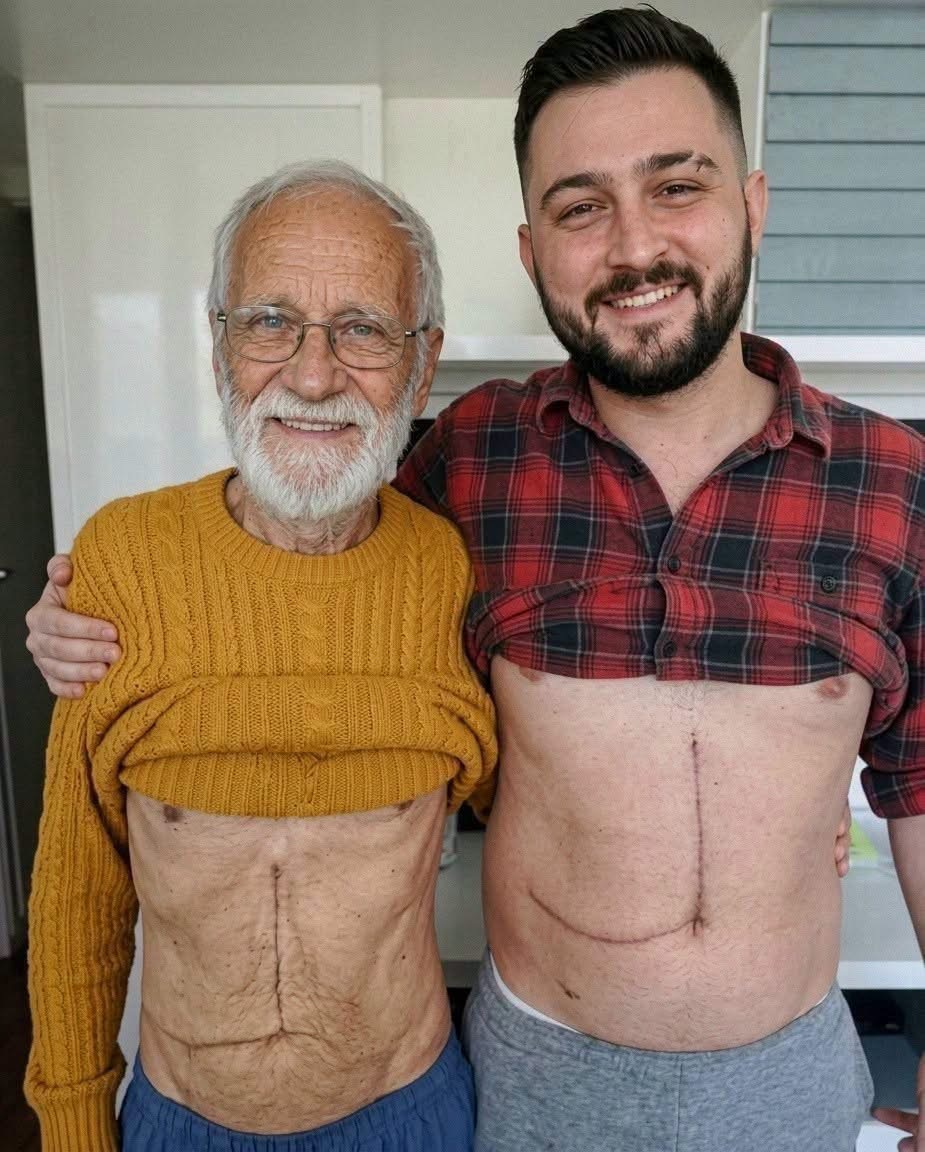
Living liver donation is one of the most remarkable examples of generosity within a family. When a healthy person chooses to donate part of their liver to a loved one, the decision can bring hope to a family facing a serious medical challenge. For patients who may otherwise face a long wait for a deceased-donor organ, living donation can provide another possible path toward treatment.
Study Biology
The liver is a unique and highly adaptable organ. Unlike most organs, it has an extraordinary ability to regenerate. During a living-donor transplant, surgeons carefully remove a portion of the donor’s liver and transplant it into the recipient. Over time, the liver tissue in both individuals can grow and adapt to meet the body’s needs. This remarkable characteristic makes living-donor liver transplantation possible and has helped many patients receive treatment without waiting indefinitely for an available deceased-donor organ.
Study Biology
Recovery, however, takes time. Liver donation is major surgery, and donors generally need a period of rest and gradual rehabilitation before returning to their usual routines. As with any major operation, complications are possible, including infection, bleeding, changes in liver function, or other medical concerns. For this reason, donors receive careful follow-up care after surgery. The goal throughout the process is to protect the health and well-being of both the donor and recipient.
Study Biology
Every transplant story is different, and outcomes depend on individual medical circumstances. Yet living liver donation continues to demonstrate what modern medicine can accomplish when advanced surgical care, careful evaluation, and human compassion come together.