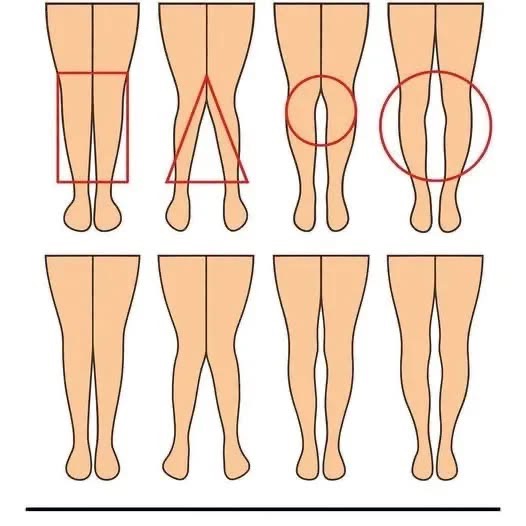
The legs are among the hardest-working structures in the human body. From the moment we take our first steps as children, they carry us through every stage of life. They support our weight, maintain our balance, absorb shock, generate movement, and allow us to explore the world around us. Every walk through a neighborhood, every climb up a staircase, every workout, and every long day on our feet leaves a subtle mark on how our legs function and develop.
The shape, structure, and movement of our legs are influenced by a complex combination of genetics, lifestyle choices, physical activity, posture, and overall health. What we see in the mirror is not simply a reflection of aesthetics; it is the visible result of countless biological and environmental factors working together.
Understanding this reality allows us to shift our perspective. Instead of asking whether our legs meet a particular beauty standard, we can begin asking more meaningful questions. How do our legs support us? What can they tell us about our habits? How can we care for them more effectively? And how do they contribute to our confidence and quality of life?
The answers reveal a remarkable story about the human body and the many ways it adapts to the demands we place upon it.
The Science Behind Leg Structure
Every person is born with a unique skeletal framework. While muscles can grow stronger through exercise and lifestyle changes, the fundamental architecture of the body is largely determined by genetics.
In other words, many aspects of leg shape are simply normal variations of human anatomy.
This diversity is not a flaw. It is evidence of the extraordinary range of healthy body structures that exist among people around the world.
How Daily Habits Shape the Legs
While genetics provide the foundation, lifestyle influences how that foundation develops over time.
Even seemingly small habits can influence how the legs function.
The type of shoes we wear, the surfaces we walk on, the amount of time we spend sitting, and the activities we enjoy all contribute to the way our lower body develops.
Over months and years, these factors create subtle differences in muscle tone, flexibility, balance, and movement efficiency.
Rather than viewing these changes as imperfections, they can be understood as evidence of the body’s incredible ability to adapt and perform.
What Your Walking Style Can Reveal
Human movement is remarkably complex.
Walking appears effortless, yet it requires the coordinated action of muscles, joints, nerves, and sensory systems working together in perfect harmony.
Researchers who study gait analysis use walking patterns to better understand mobility, athletic performance, injury prevention, and rehabilitation. Healthcare professionals often evaluate a person’s gait because it can provide useful information about balance, coordination, flexibility, and physical function.
For example, a confident stride may indicate comfort and stability, while cautious movement could reflect fatigue, discomfort, or unfamiliar surroundings.
However, it is important to remember that body language is influenced by countless factors, including mood, environment, culture, and physical condition. No single movement can accurately define a person’s character or personality.
What walking patterns can reveal is how effectively the body moves and adapts to different situations.
This information can be valuable for improving health, reducing injury risk, and enhancing overall mobility.
The Connection Between Strength and Confidence
Physical confidence and self-confidence often influence one another.
When people feel physically capable, they frequently experience greater comfort in social and professional settings. Strong, stable legs contribute significantly to this sense of capability.
Simple activities such as climbing stairs without difficulty, maintaining balance, carrying groceries, or participating in recreational sports can reinforce feelings of independence and competence.
Strength training, walking programs, yoga, cycling, and other forms of exercise can all improve lower-body function. Beyond physical benefits, these activities often provide psychological advantages as well.
Regular movement has been associated with improved mood, reduced stress, and greater overall well-being.
As a result, caring for the legs becomes about far more than appearance. It becomes an investment in health, mobility, and quality of life.
Fashion as a Form of Self-Expression
Clothing has long served as a powerful tool for communication.
The choices people make regarding style often reflect comfort preferences, cultural influences, professional requirements, and personal taste.
When it comes to leg-focused fashion, there is no universal formula for confidence. Some individuals feel empowered in tailored clothing that highlights structure and precision. Others prefer relaxed silhouettes that prioritize comfort and freedom of movement.
The most successful style choices are often those that complement a person’s natural proportions rather than attempting to imitate temporary trends.
Fashion works best when it enhances authenticity.
Instead of treating clothing as a way to hide perceived flaws, many people find greater satisfaction when they use fashion to celebrate their individuality and lifestyle.
This approach encourages confidence that originates from self-acceptance rather than comparison.
The Importance of Mobility Throughout Life
Mobility is one of the most valuable aspects of physical health.
Strong, healthy legs support independence, physical activity, and daily function across every stage of life.
Maintaining mobility requires consistent attention to movement, flexibility, strength, and recovery. Activities such as walking, stretching, resistance training, and balance exercises can help support lower-body health over time.
Even small daily habits can make a meaningful difference.
Choosing stairs instead of elevators, taking regular walking breaks during work, and incorporating movement into daily routines all contribute to long-term physical well-being.
The goal is not perfection. The goal is preserving the ability to move comfortably and confidently throughout life.
Appreciating the Diversity of the Human Body
One of the most important lessons modern health science continues to reinforce is that healthy bodies come in many shapes and sizes.
There is no single blueprint for strength, beauty, or capability.
People differ in height, bone structure, muscle distribution, flexibility, and countless other characteristics. These differences contribute to the extraordinary diversity of human movement and appearance.
When viewed through this lens, the legs become more than a physical feature. They become evidence of individual experiences, unique genetics, and personal journeys.
Every scar, every muscle developed through effort, every mile walked, and every challenge overcome contributes to the story they tell.
Final Thoughts
Your legs are far more than a means of transportation. They are an extraordinary example of biological engineering, adapting continuously to support your goals, activities, and everyday experiences.
Rather than judging them according to temporary trends or unrealistic expectations, it is worth appreciating the remarkable work they perform each day.
They carry you through accomplishments and setbacks, adventures and routines, celebrations and challenges. They help you maintain independence, pursue opportunities, and engage with the world around you.
In many ways, the story your legs tell is not about appearance at all. It is about resilience, movement, adaptability, and the unique path you have traveled throughout your life.
That story is far more meaningful than any beauty standard could ever be.