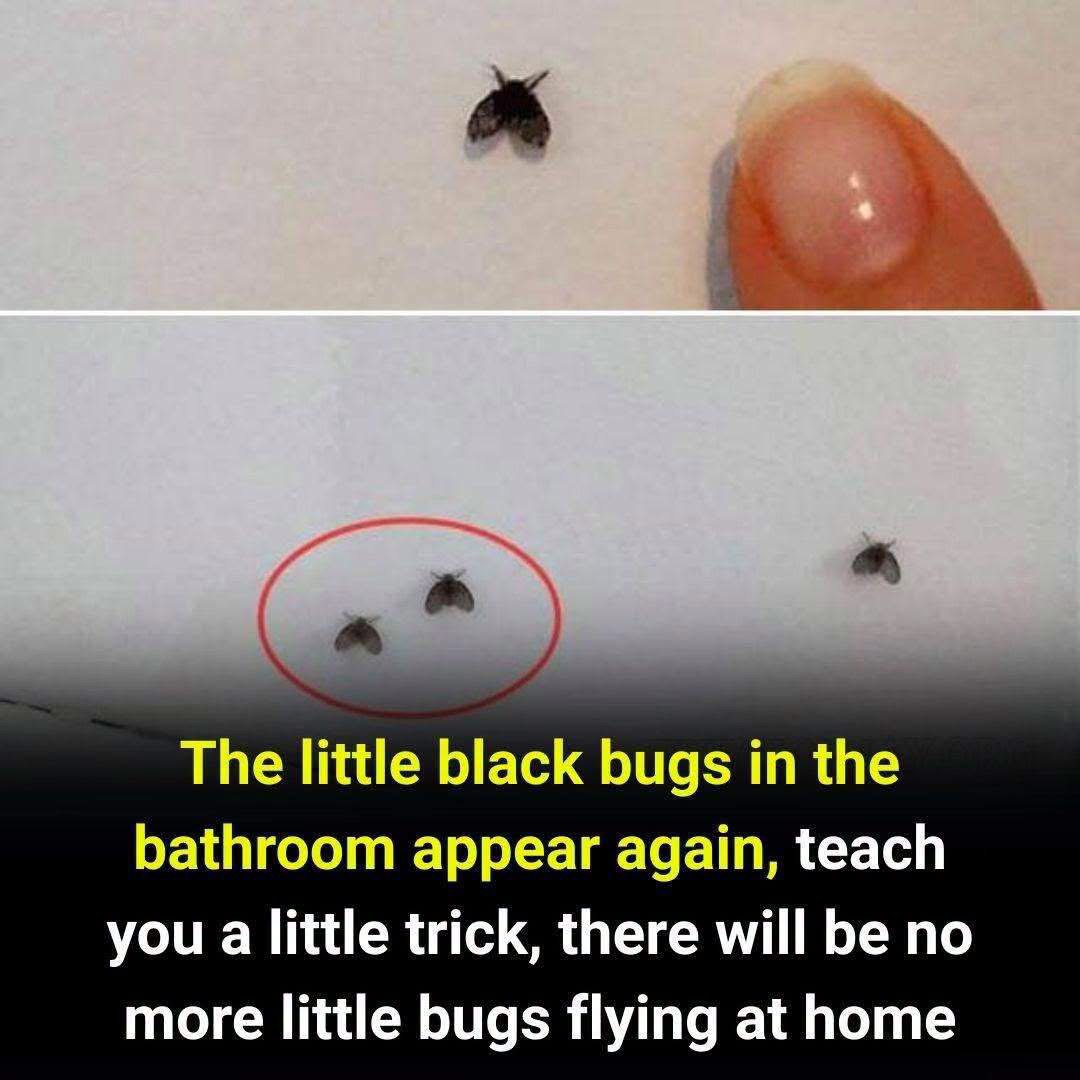
Have you ever noticed tiny, fuzzy black insects resting on your bathroom or kitchen walls? They may look like miniature moths with hairy bodies and broad, heart-shaped wings. These insects are commonly known as drain flies, moth flies, or sewer flies. They usually appear in damp places and can become annoying when they multiply indoors.
Drain flies belong to the family Psychodidae. They are attracted to moisture and organic debris, especially the slimy buildup found inside drains. Hair, soap residue, grease, and food particles create ideal breeding conditions for their eggs and larvae. Although they are not considered major disease-transmitting insects, good hygiene is important because they may come into contact with microorganisms in wastewater.
The first and most effective method is cleaning your drains. Remove the drain cover, wear gloves, and clear away visible hair and debris. Use a suitable drain brush to scrub the inside walls and remove accumulated slime. This organic material provides food and shelter for developing larvae. Repeat the cleaning if necessary until the breeding source is eliminated.
The second method is using an enzymatic drain cleaner. Choose a product specifically designed to break down organic deposits inside pipes. Follow the manufacturer’s instructions carefully. These cleaners can help reduce the material that supports drain fly development, although physical brushing may still be necessary.
The third method is improving drainage and ventilation. Remove standing water, repair leaking pipes, and keep bathroom surfaces dry. Clean kitchen sink strainers regularly and occasionally run water through unused drains to maintain their water seals.
Avoid popular online remedies involving cigarette-butt water or flour mixed with dishwashing liquid. These methods are unreliable and may introduce harmful substances or contribute to blockages. Never mix insecticides with household cleaning chemicals, and avoid pouring boiling water into pipes that may be damaged by extreme heat.
Drain flies do not usually bite people, but persistent infestations may indicate hidden moisture or plumbing problems. If regular cleaning does not solve the issue, consider contacting a plumber or pest-control professional.
The secret to eliminating these tiny black flies is simple: remove their breeding environment rather than just killing the insects you see. With regular drain cleaning, proper ventilation, and good household hygiene, you can keep your kitchen and bathroom cleaner and significantly reduce the chances of their return.