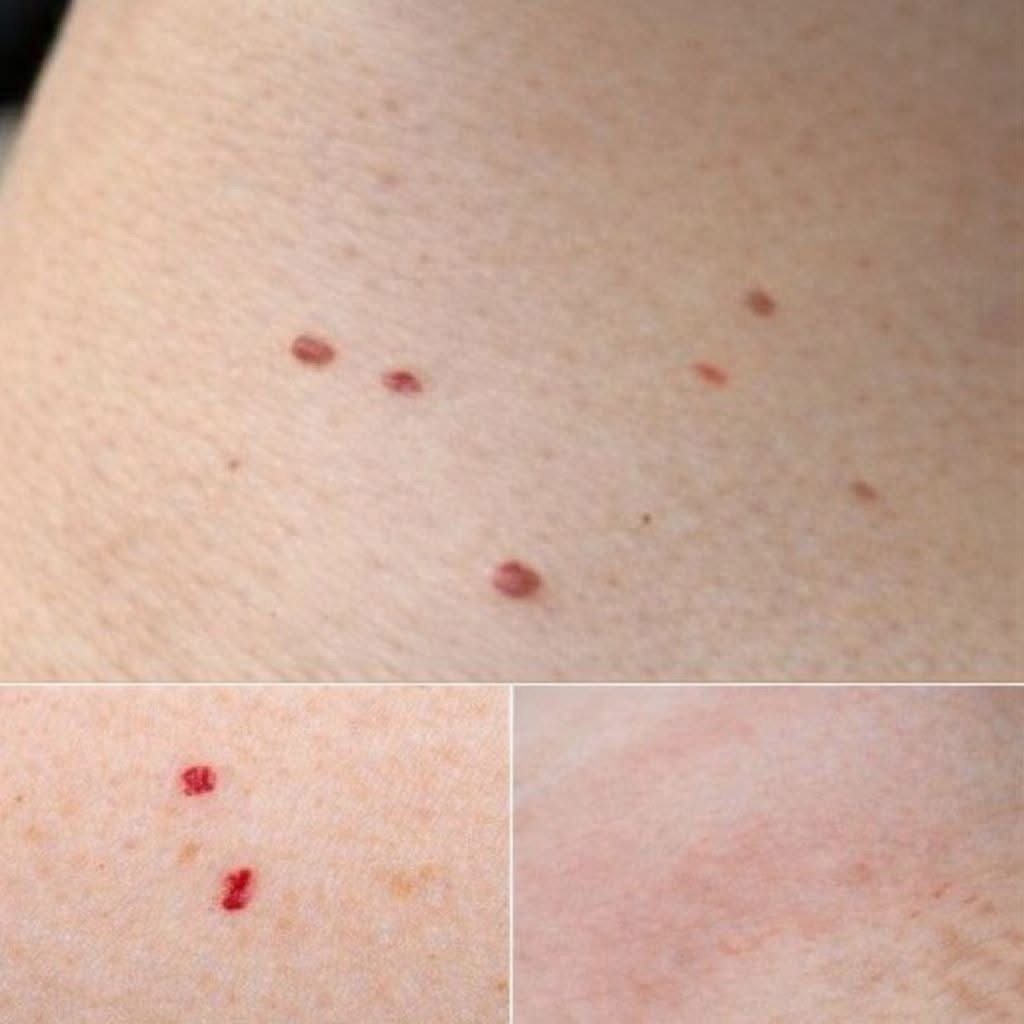
Noticing small red dots on your skin can be unsettling, especially when they appear suddenly or without an obvious cause. For many people, the first reaction is concern—wondering whether it’s something serious or just a temporary skin change. The truth is that these spots can have many different causes. Some are completely harmless and part of normal skin changes, while others may signal something that deserves closer attention.
One of the most common explanations for red dots on the skin is cherry angiomas. These are small, bright red or slightly raised spots made up of tiny blood vessels. They often appear as people get older and are considered a natural part of aging. Cherry angiomas can vary in size, from barely noticeable pinpoints to slightly larger bumps. In most cases, they don’t cause any discomfort and don’t require treatment. However, because they are made of blood vessels, they may bleed if scratched or irritated. While they are generally harmless, some people choose to have them removed for cosmetic reasons.
Another type of red spotting that can appear on the skin is petechiae. These are very small red or purple dots that develop under the skin when tiny blood vessels break. Unlike some other skin spots, petechiae do not fade or turn white when pressed. They can appear for relatively minor reasons, such as physical strain, but they can also be linked to infections or blood-related conditions. When these spots appear suddenly, spread quickly, or are accompanied by other symptoms like fever or fatigue, it is important to seek medical advice to rule out more serious causes.
Skin irritation is another frequent reason for red spots. Everyday exposure to certain fabrics, skincare products, detergents, or environmental factors can trigger a reaction. Conditions like eczema or contact dermatitis can cause redness, itching, dryness, and inflammation. These reactions often develop in response to something the skin has come into contact with, whether it’s a chemical, fragrance, or allergen. Identifying and avoiding the trigger is usually the most effective way to manage these symptoms, along with using gentle skincare products that support the skin’s natural barrier.
Keratosis pilaris is another common and harmless condition that can cause small red or flesh-colored bumps, often on the upper arms, thighs, or cheeks. Sometimes referred to as “chicken skin,” this condition occurs when keratin—a protein found in the skin—builds up and blocks hair follicles. While it is not dangerous or contagious, it can affect the skin’s appearance and texture. Many people find that regular moisturizing and gentle exfoliation help reduce the roughness and improve the overall look of the skin.
Heat rash is another possibility, especially in warm or humid conditions. When sweat glands become blocked, sweat can get trapped under the skin, leading to small red bumps that may feel itchy or prickly. Heat rash is particularly common during hot weather or after physical activity. It usually resolves on its own once the skin cools down and is kept dry, but wearing breathable clothing and avoiding excessive heat can help prevent it from recurring.
In some cases, red spots on the skin may be related to infections. Both viral and bacterial infections can cause skin changes, sometimes appearing as rashes or scattered red dots. These are often accompanied by other symptoms such as fever, fatigue, or sore throat. When red spots appear alongside these kinds of symptoms, it becomes more important to seek medical evaluation, as the underlying cause may require treatment.
Certain medications can also lead to skin reactions that include red spots or rashes. These reactions can vary from mild irritation to more noticeable changes in the skin’s appearance. If a new medication coincides with the appearance of unusual skin changes, it is important to consult a healthcare professional to determine whether the medication could be responsible.
While many causes of red spots are minor and temporary, there are situations where medical attention is necessary. If the spots spread quickly, change in appearance, do not fade over time, or are accompanied by other symptoms such as pain, swelling, or fever, it is important not to ignore them. Early evaluation can help identify any underlying issues and ensure appropriate care.
It is also important to consider overall skin care and general health. The skin often reflects what is happening inside the body. Staying hydrated, maintaining a balanced diet, and protecting the skin from harsh environmental factors can all contribute to healthier skin. Using gentle, non-irritating products and avoiding excessive exposure to allergens or irritants can help reduce the likelihood of reactions.
At the same time, it’s essential not to jump to conclusions based on appearance alone. Skin conditions can look similar even when they have different causes, which is why self-diagnosis can sometimes lead to unnecessary worry or incorrect assumptions. When in doubt, consulting a healthcare professional provides clarity and peace of mind.
Understanding the variety of reasons behind red spots can make them less intimidating. In many cases, they are simply a natural part of how the skin responds to changes in the body or environment. In other situations, they may act as a signal that something needs attention. Recognizing the difference between harmless variations and signs that require care is key.
Ultimately, red dots on the skin are not always a cause for alarm, but they should not be ignored if they behave unusually. Paying attention to patterns—such as how quickly they appear, whether they fade, and if other symptoms are present—can help guide decisions about whether to monitor them or seek medical advice.
By staying aware of your body, maintaining good daily habits, and seeking professional guidance when needed, you can respond to these changes in a way that supports both your skin and your overall health.