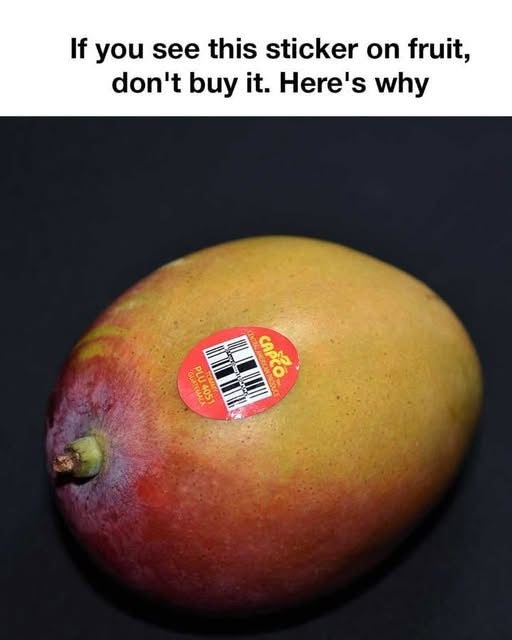
Small stickers on fruits and vegetables offer more information than many shoppers realize. These labels display Price Look Up codes, known as PLU codes, which reveal how produce was grown. Understanding these codes helps consumers make informed choices about health, environmental impact, and agricultural practices, empowering them to shop with greater awareness and intention.
Conventionally grown produce is identified by a four-digit PLU code. These foods are produced using standard farming methods that often involve synthetic fertilizers, pesticides, and chemical growth enhancers. While these techniques increase yield and affordability, they raise concerns about chemical residues on food and long-term damage to soil, water, and ecosystems.
Organic produce carries a five-digit PLU code beginning with the number 9. Organic farming avoids synthetic chemicals and genetically modified seeds, relying instead on composting, crop rotation, and natural pest control. Many consumers choose organic foods to reduce chemical exposure and support environmentally responsible agriculture.
Codes beginning with the number 8 were once designated for genetically modified produce, though they are rarely used today. Despite this inconsistency, genetically modified foods remain controversial for some consumers who prefer to avoid them due to lingering questions about long-term health and ecological effects.
Conventional agriculture has boosted global food production but has also contributed to environmental challenges such as soil degradation, water contamination, and loss of biodiversity. In contrast, organic farming prioritizes soil health, biodiversity, and sustainability, offering benefits for both ecosystems and future food security.
By learning to read PLU codes, shoppers can align food choices with personal values related to health, sustainability, and ethics. Combined with buying local and seasonal produce, this knowledge supports a more resilient food system while helping individuals make healthier, more conscious decisions every day.