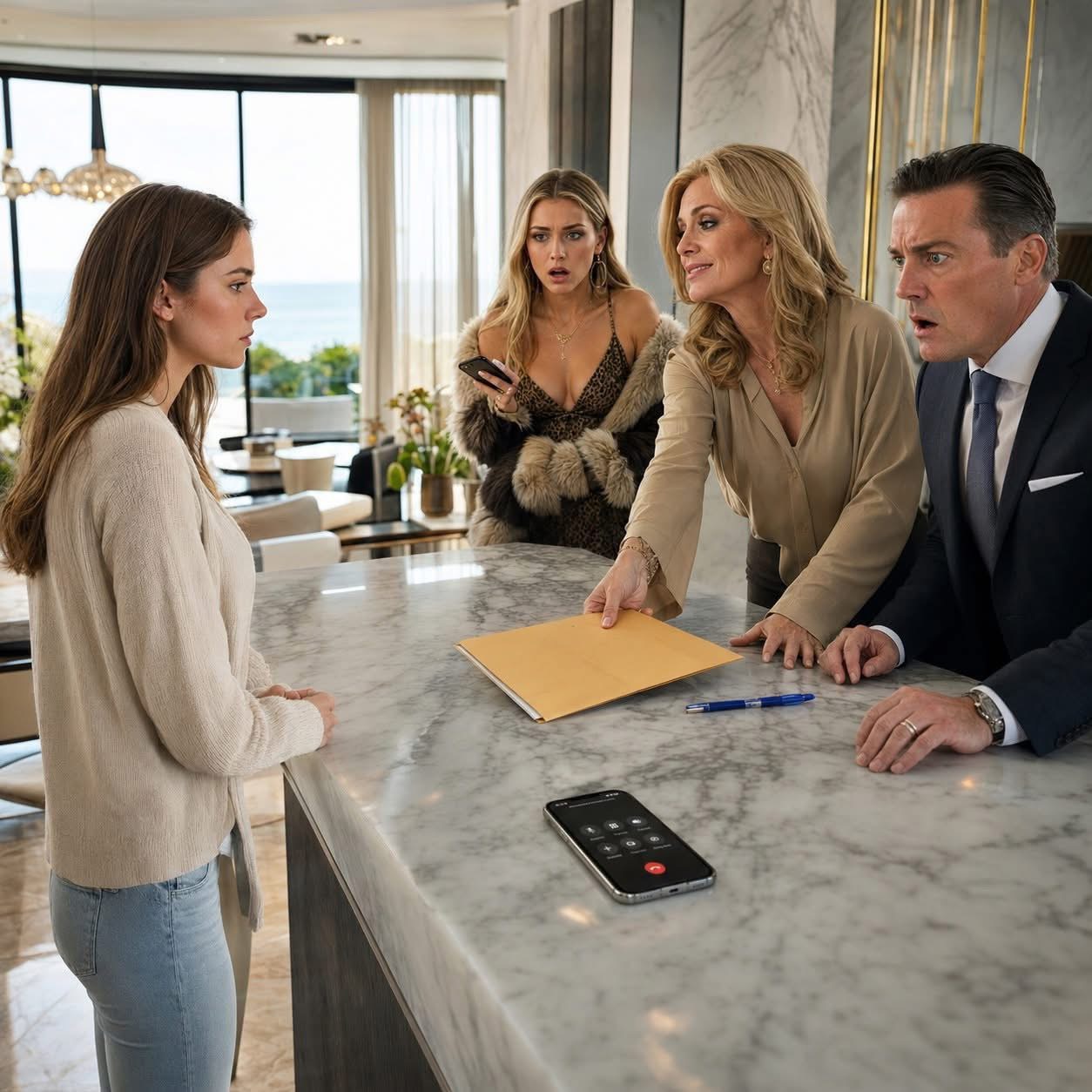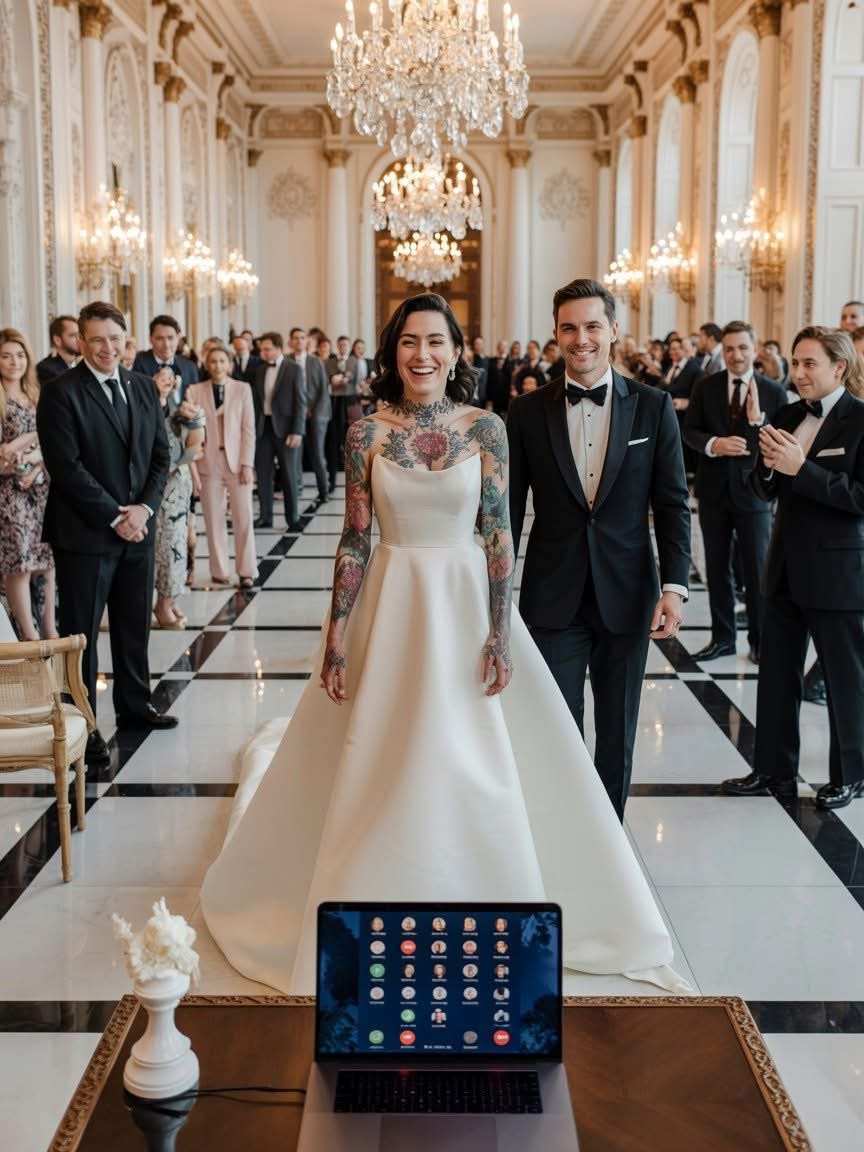
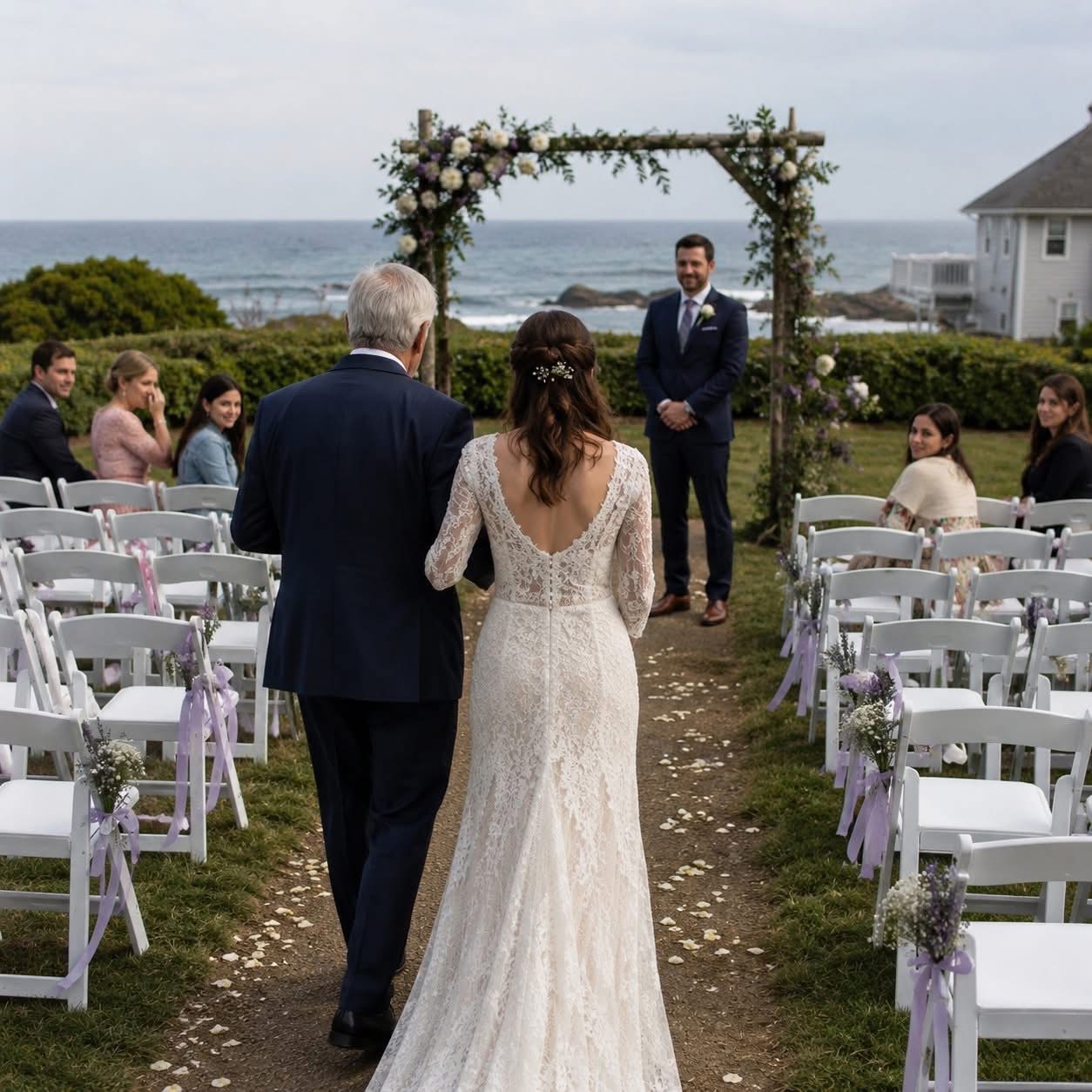
“My father promised he would walk me down the aisle, then vanished to my sister’s baby shower with the rest of my family, and by the time I walked through a garden full of empty chairs with our gray-haired landlord beside me, I had already stopped begging for people who only remembered I existed when they believed I had something they wanted.” “You can have a wedding anytime, Phoebe.” That was what my sister told me six weeks before my wedding, as if she were rescheduling brunch, not my life. Then she arranged her baby shower for the exact same day. Same date. Same hour. Same choice. And one by one, my family chose her. My mother. My aunts. My cousins. Even my father, who had held my hand and promised he would walk me down the aisle. I want to say I fought harder. I didn’t. I called. I asked. I gave them every chance to show me I mattered. What I received back was silence, vague excuses, and the kind of soft, careful voices people use when they have already chosen to disappoint you. My father worked at a bank in Hartford for most of his life. My mother kept a spotless colonial home in Glastonbury and cared deeply about appearances. My sister Brittany married rich five years ago, and from that moment on, the whole family began orbiting her like she was the sun. Her husband paid their mortgage. Bought my mother gifts. Covered dinners, vacations, little luxuries nobody wanted to lose. So when Brittany became pregnant and decided her shower mattered more than my wedding, nobody said no. I was the easier daughter to disappoint. I’m Phoebe. I’m the younger one. The illustrator. The one with paint on her sleeves and freelance checks that arrived unevenly. The one engaged to Ethan, a painter my family politely treated like a talented inconvenience. At Thanksgiving, my father looked directly at him over the turkey and asked when he planned to get a real job. Brittany laughed. Chad smirked. Ethan just reached under the table and squeezed my hand. That was Ethan. Quiet. Steady. Never loud enough for my family to understand him. We planned our wedding ourselves. A small garden ceremony near Mystic. Wildflowers. Handmade invitations. An arch Ethan built from salvaged wood. Nothing flashy. Nothing borrowed from anyone else’s money or approval. I loved every part of it. Maybe that was what bothered Brittany most. Three weeks before the wedding, my aunt accidentally let it slip. “Are you going to Brittany’s shower too,” she asked, “or just the wedding?” That was how I found out. When I called Brittany, she acted confused, sweet, innocent. She said the club only had that day available. She said maybe people could attend both. They couldn’t. She knew that. Then she said, in that syrupy voice she uses when she is being cruel on purpose, “This is my first baby, Phoebe. You can have a wedding anytime.” I called my mother. She asked whether I could postpone. I called my father. He said, “Let me see what I can do.” Three days later, I texted him: Are you still walking me down the aisle? He left me on read. The night before the wedding, I sent one final group text with the address, the time, and one line at the end: I hope to see you there. Not one person replied. The next morning, while my best friend Jessica was doing my makeup in the bathroom, my father called. I knew before I answered. “Phoebe,” he said, already sounding smaller than himself, “your mother and I don’t think we can make it to Mystic after the shower.” I stood there in my half-buttoned dress, mascara drying beneath my eyes, and listened to my father choose finger sandwiches and pink balloons over the moment he was supposed to place my hand into the hand of the man I loved. “You promised,” I said. “I know,” he answered. “But this is Brittany’s first baby. You’ll have other moments.” My voice did not shake. “This is my only wedding day.” Then I hung up. By the time we reached the garden, the chairs were already arranged. Forty-two white chairs with lavender tied to the backs. Thirty-five of them empty. I stood at the end of the aisle in a vintage lace dress from a consignment shop in Mystic and felt every empty seat like a hand pressed flat against my chest. Jessica offered to walk me down. I told her no. Then, just before the music started, I heard footsteps behind me. It was Arthur. Our landlord. Sixty-seven years old. Quiet. Always smelling faintly of coffee and old books. He was wearing a navy suit I had never seen before, and he held out his arm like it was the simplest thing in the world. “Your father should be here,” he said. “Since he isn’t, someone who values you should.” So I took his arm. Seven people watched me get married that afternoon. Seven. And somehow, it was still beautiful. That night, after the last pizza boxes had been cleared and the lavender had been brought home in jars, I opened Instagram and saw my sister’s post from the shower. My father was in the background smiling with one hand on her stomach. The caption said: Family is everything. I stared at it for a long time. Then I put my phone down and made myself a promise. I would never again beg people to love me correctly. The next morning, I posted one single honeymoon photo. Nothing dramatic. Just me, Ethan, blue water behind us, and one quiet caption. Within an hour, my phone lit up with 417 messages from the same family who could not send a single one on my wedding day…(I know you’re curious about the next part, so please be patient and read on in the comments below. Thank you for your understanding of the inconvenience. please leave a ‘YES’ comment below and give us a “Like ” to get full story ) 👇
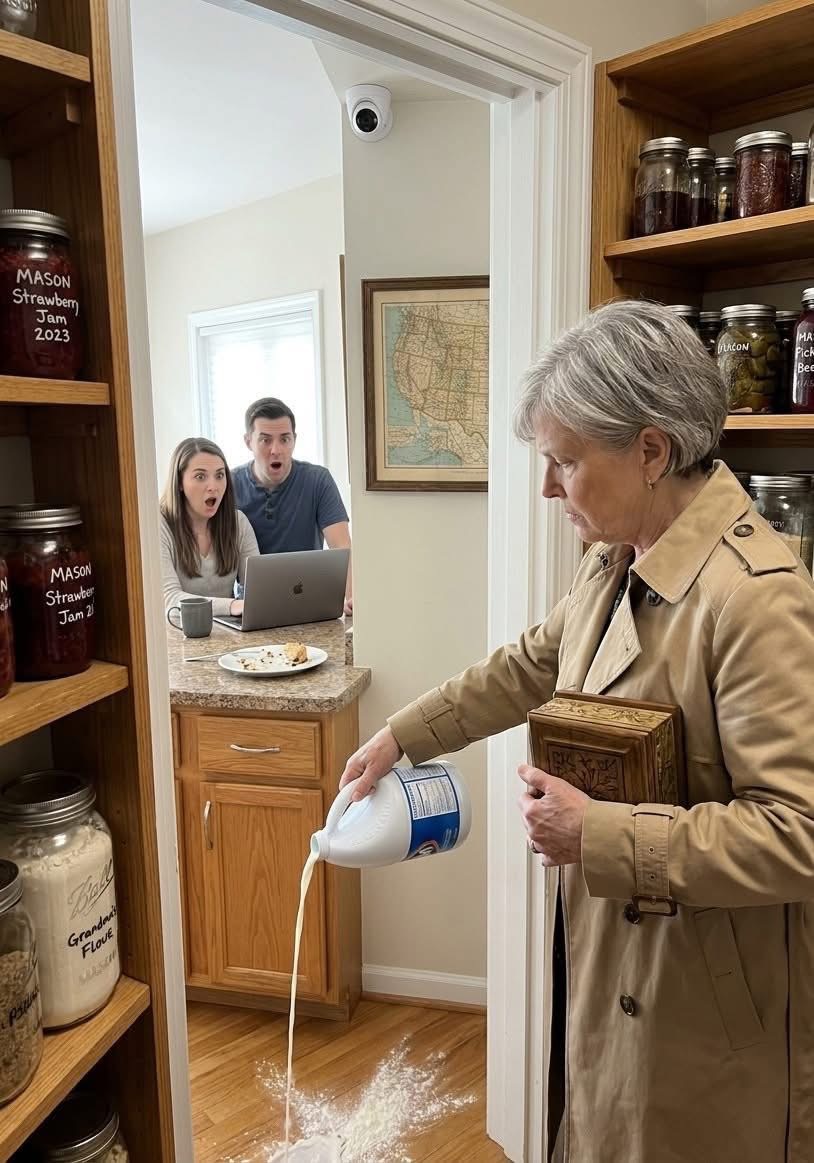
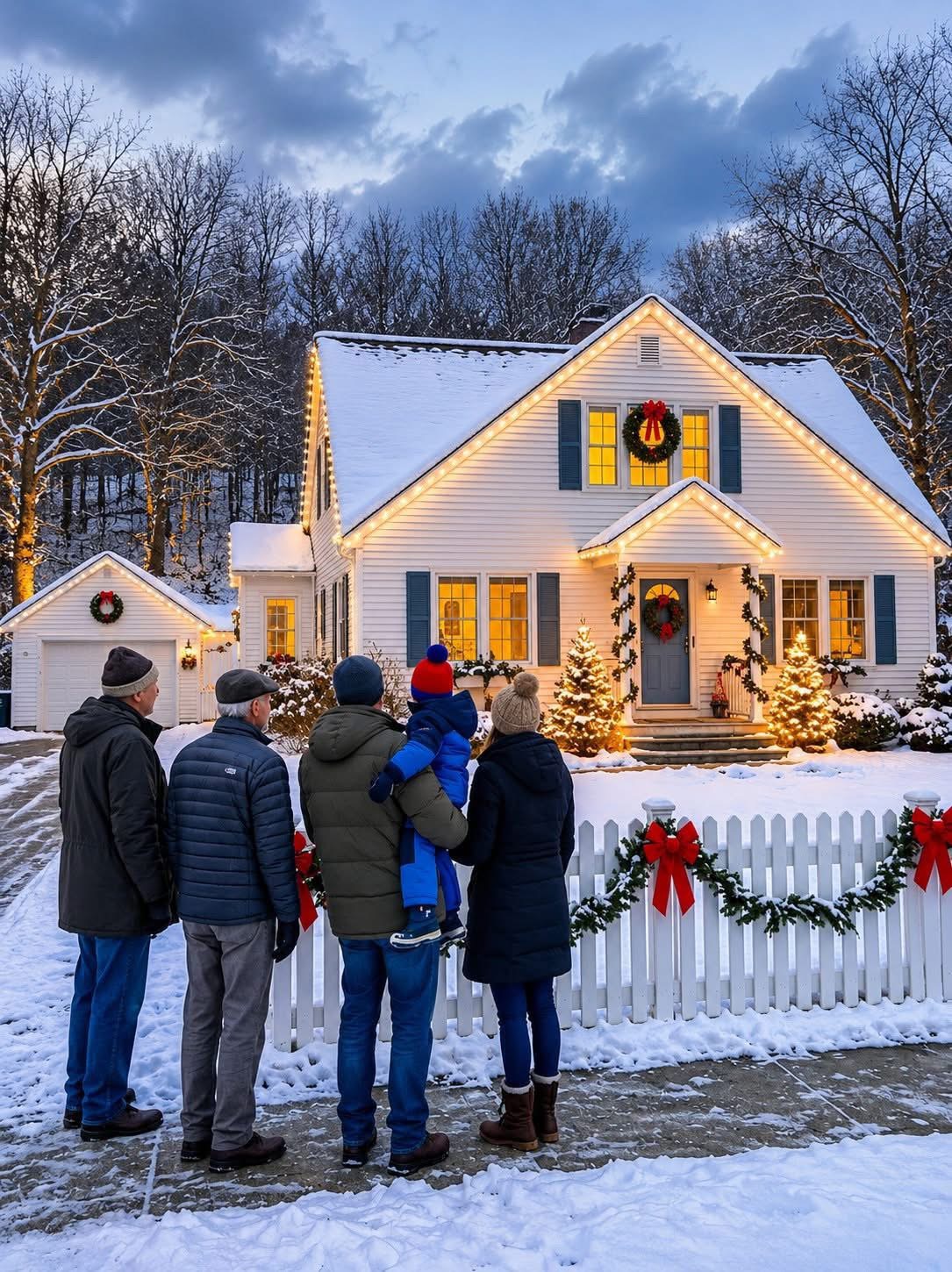
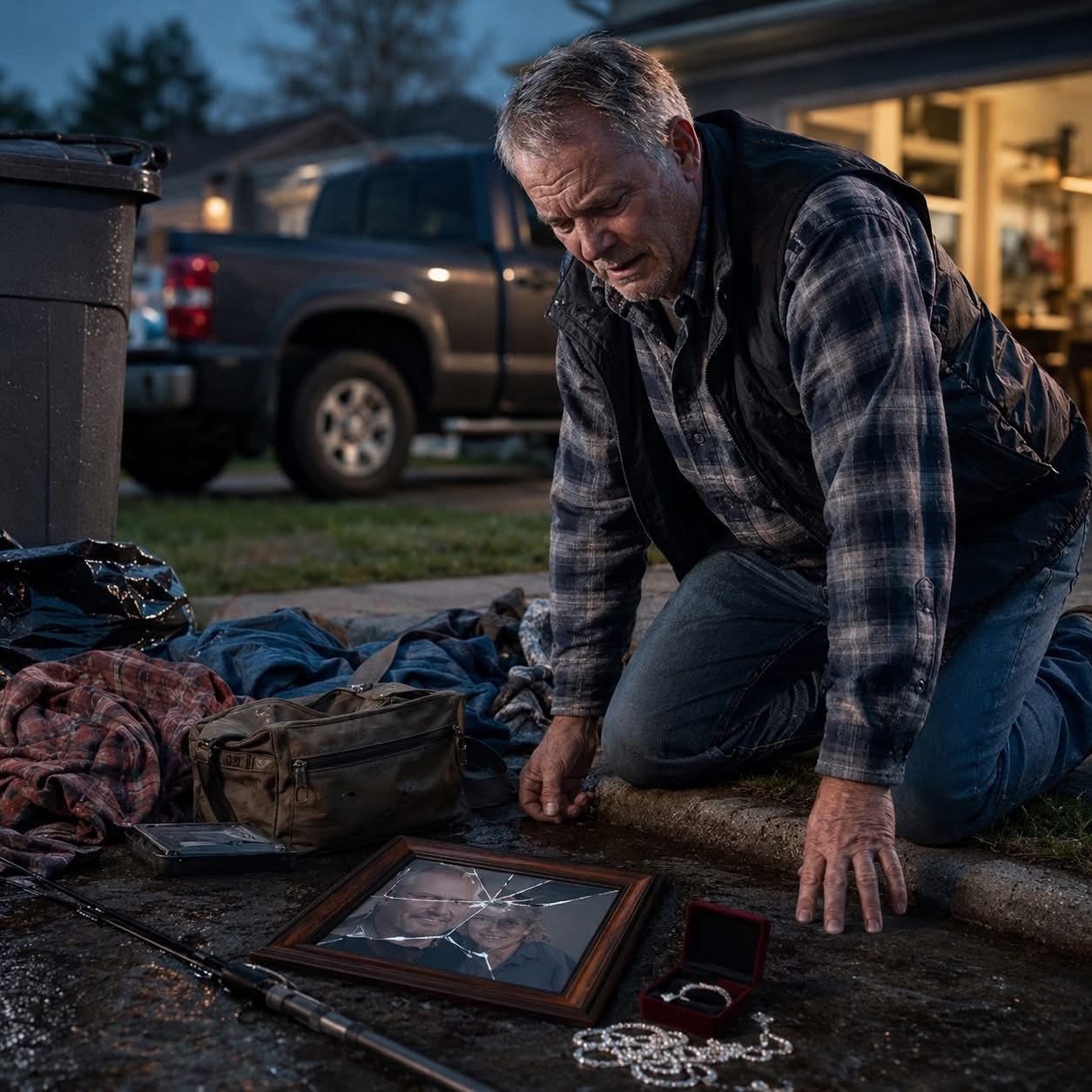
I Came Home From Three Quiet Days of Fishing to Find My Wedding Photo, My Late Wife’s Jewelry, and Every Piece of My Life Dumped Beside the Trash—Then My Son’s Wife Looked Me in the Eye and Said, “You’re Not Needed Here Anymore,” Like I Had Been Nothing but a Bill They Finally Finished Paying When I pulled into the driveway after three days at Lucky Peak, the first thing I noticed was a stack of boxes beside the dumpster. Not moving boxes. Not charity boxes. My boxes. The truck engine was still running when I saw Martha’s jewelry box lying in the dirt, half open, with her mother’s ring beside a crushed soda can. A moment later, I saw our wedding photo. Forty-two years old. The glass was cracked straight across her smile. I sat there with both hands on the steering wheel, staring as if maybe my eyes could find a kinder explanation than my brain already had. They couldn’t. My tackle box was broken open. My work shirts were soaked from the sprinkler. My Timex anniversary watch was face down in a puddle. Somebody had not simply packed up my life. Somebody had tossed it away. I walked to the front door and slipped my key into the lock. It stopped halfway. I tried again. Harder. Nothing. They had changed the locks. I called my son Floyd first. Straight to voicemail. Then Pamela. Same thing. I crossed the yard and knocked on my neighbor Simon’s door. He opened it just enough to look at me, then over my shoulder at the mess near the curb. “Simon, what happened?” He gave me that weak little shrug people use when they do not want to be caught knowing too much. “Didn’t really notice anything, Otis.” That told me everything. By the time Floyd and Pamela came home, I had been sitting beside my own belongings for four hours in a bent lawn chair I found near the pile. The sun had dropped low. The streetlights had come on. Nobody on that block had asked if I needed help. Pamela got out of the car first. No apology. No surprise. No shame. She looked at me, then at the boxes, then back at me like she was checking whether the garbage had been fully taken out. “Because you’re not needed here anymore, Otis.” I stood up slowly. “What are you talking about?” “The mortgage is paid off,” she said. “Your job here is done.” For a second, I honestly thought I had heard her wrong. Then Floyd stepped out from the passenger side and would not even look at me. That hurt worse than her voice. “This is my home,” I said. Pamela gave me a thin smile. “Lived here. Past tense.” I looked at my son. “Floyd?” He kept staring at the driveway. “Dad… it’s just not working anymore.” Not working. Eight years earlier, after Martha died, they had sat across from me at that same kitchen table and asked for help buying the house. Floyd’s credit was bad. Pamela was between jobs. They promised we would all live together. Said I would always have a place there. Said family should stay beneath one roof. So I helped. I signed what needed signing. I paid what needed paying. Mortgage. Utilities. Groceries. Repairs. When the furnace broke, I covered it. When Floyd fell behind, I covered that too. I kept telling myself I was not just helping them keep a house. I was helping us keep a family. Now I was standing in the street beside my late wife’s broken picture frame while my daughter-in-law spoke to me like I was an old appliance they had finally replaced. “Where am I supposed to go?” I asked. Pamela lifted the grocery bags from the trunk. “That’s not our problem.” Then she walked inside my house. My son followed her. And the door closed in my face. I stood there for a long time after that. Long enough for the hurt to cool and something harder to take its place. They thought I was finished because I was old. They thought I was helpless because I was quiet. They thought I had spent eight years paying bills with my eyes shut. That was their mistake. I loaded what mattered into my truck. Martha’s jewelry box. The photo. My tools. My folder of papers. Then I drove to a cheap motel off the highway, sat on the edge of a bed that smelled like bleach and old air-conditioning, and spread those papers beneath a yellow lamp. Every check stub. Every tax receipt. Every loan document from the day we bought that house. I had kept all of it. My hands were steady when I found the closing file. Steady when I flipped past the bank forms. Steady when I saw the signatures. Then I picked up my phone and made one call. The attorney who handled that house closing answered on the third ring. I gave him my name. I told him what had happened. I told him I needed one question answered right now. There was a pause while he pulled the file. Then he cleared his throat and said, very carefully, “Mr. Riley… before I answer that, I need to ask you something.” I tightened my grip on the phone. “Did your son and his wife ever actually read the deed?” (I know you’re curious about the next part, so please be patient and read on in the comments below. Thank you for your understanding of the inconvenience. please leave a ‘YES’ comment below and give us a “Like ” to get full story ) 👇
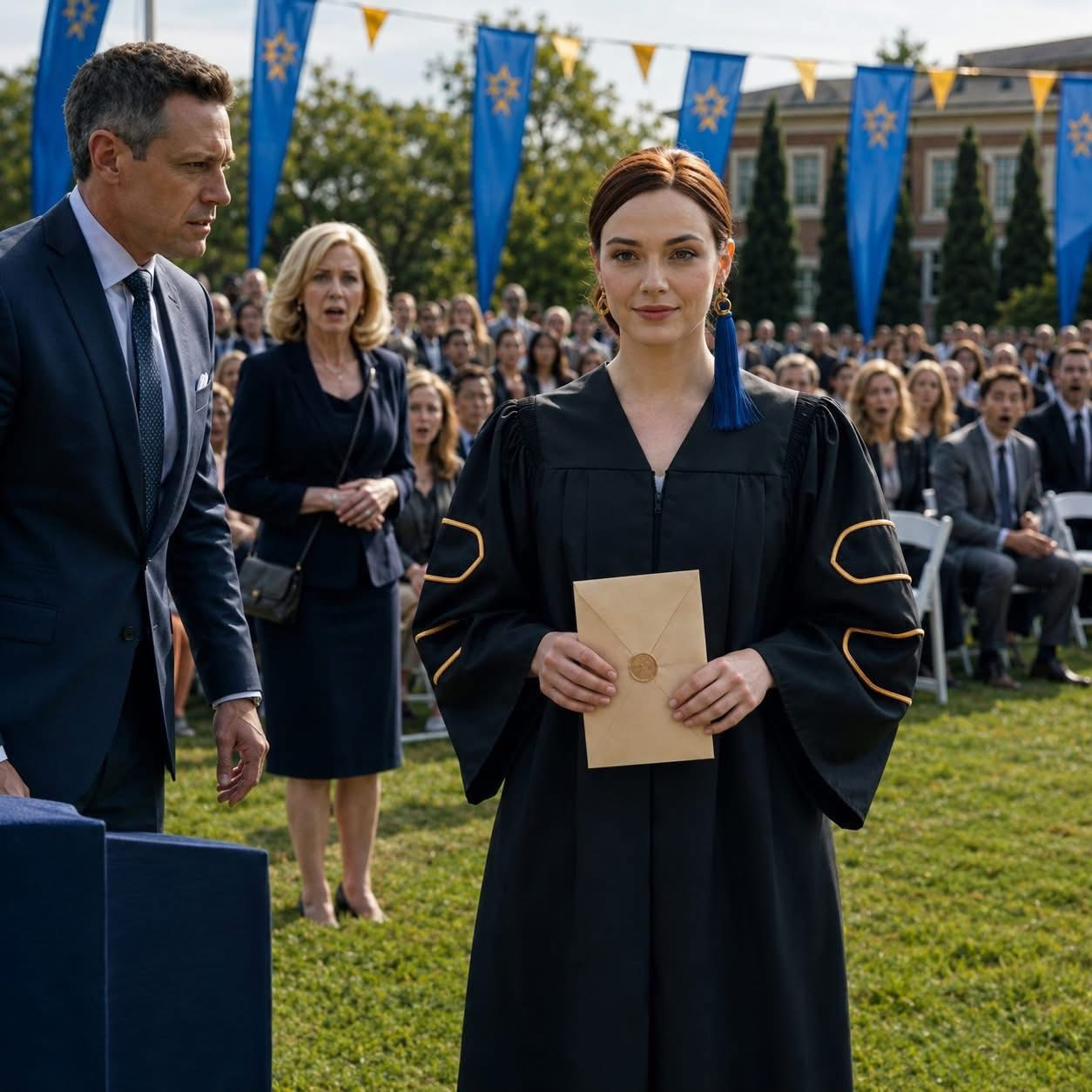
At my graduation, my father announced he was cutting me off. “You’re not my real daughter anyway.” The room gasped. I smiled, walked to the podium, and said, “Since we’re sharing DNA secrets.” I pulled out an envelope. His wife’s face turned white as I revealed… …because he chose the one moment I could not walk away from: cap on, tassel brushing my cheek, UC Berkeley still applauding while the Bay breeze shifted the banners above us. My name is Natalie Richards. I am 22, and I used to believe a diploma might finally make my father look at me like I mattered. He flew in from the Chicago suburbs at the last minute, sat four rows back in a dark suit that looked wrong in the sunlight, and watched me like I was a decision he could still undo. When my friends shouted my name, he clapped exactly three times. When strangers smiled and said, “You must be proud,” he nodded like he was approving a formality. Then the dean invited “a few words from family,” and my father stood. “I won’t be supporting her anymore,” he said, smooth as glass. “And she should stop telling people she’s a Richards. She’s not even my real daughter.” You could feel the air shift. People stared. Phones rose. My cheeks stayed dry, but my stomach dropped like an elevator. I looked at my mother. Because my mother—Diana—had spent my entire life softening his sharp edges, calling cruelty “stress,” treating silence like it was safer than the truth. In that moment, her hand froze on her purse strap, and her face went pale in a way I had only seen once before. When I was seventeen. That was the summer I stumbled across a truth that made our house feel staged. I did not understand every detail, but I understood enough to know my father’s love had always come with conditions—and that one day he would use those conditions like a weapon. So I built my own life anyway. Jobs, scholarships, and a small circle of people who showed up without needing to be begged. And one sealed envelope I saved for the day he decided to humiliate me in public. Standing on that stage, listening to him erase me with one sentence, I felt something inside me become quiet and steady. I walked to the podium, wrapped my fingers around the microphone, and let the silence stretch just long enough for him to feel it. “If we’re doing honesty today,” I said, calm, “then let’s do all of it.” My father’s jaw tightened. My brothers stared down at the floor. My mother did not blink. I reached into my gown and pulled out the envelope. Paper in the sunlight, the kind that changes what people believe they know. “For years,” I said, looking straight at him, “you’ve held one story over my head.” I turned the envelope so the front rows could see it, then let my eyes land on my mother’s face. Because she recognized it. Her lips parted like she was about to stop me, but no sound came out. I slid my thumb beneath the seal. And right before I pulled the page out—right before I said the name printed at the top—my father took one step toward the aisle like he might actually lose control in front of everyone. That was the first time I had ever seen fear flicker across his face. If you think you know what was inside that envelope, you are not even close. (I know you’re curious about the next part, so please be patient and read on in the comments below. Thank you for your understanding of the inconvenience. please leave a ‘YES’ comment below and give us a “Like ” to get full story ) 👇
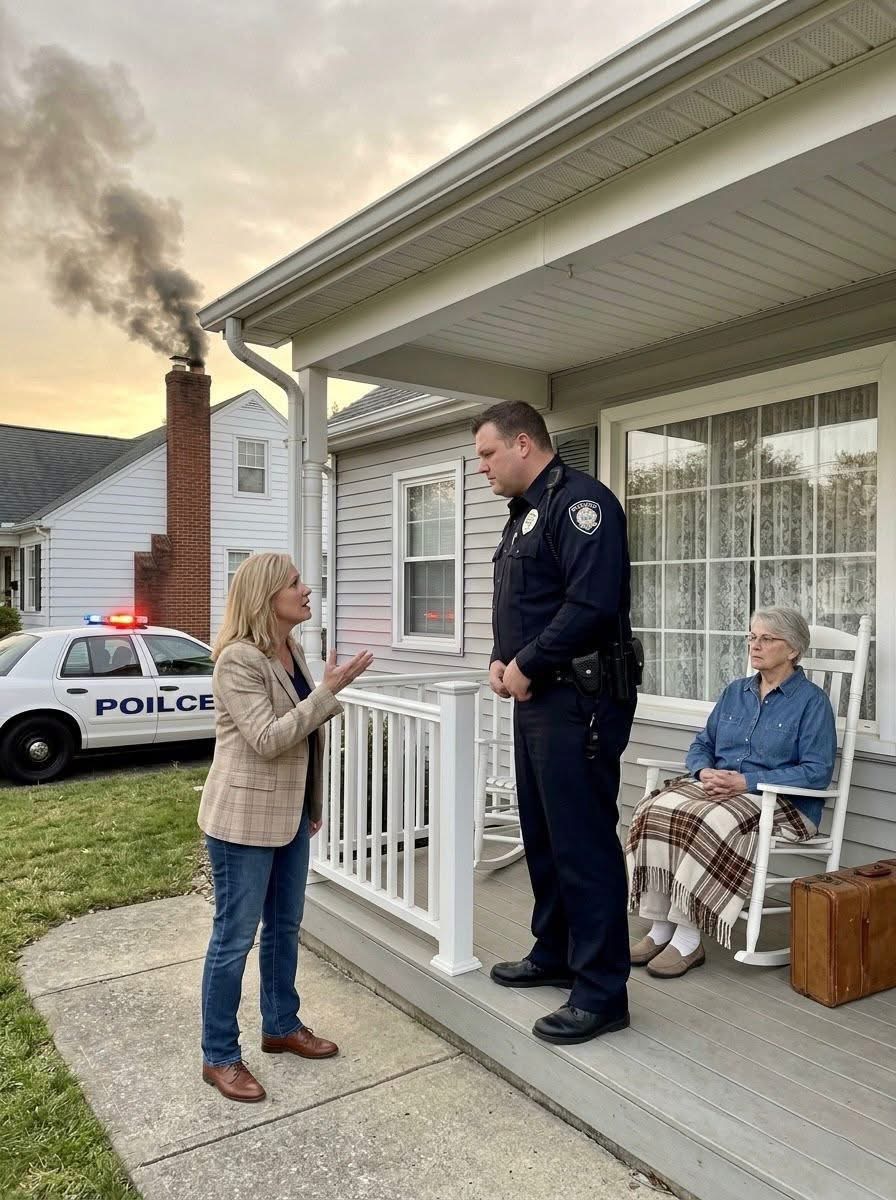
A homeless man helped me change a flat tire on Route 9, the same road where my son disappeared 20 years ago—what he left on my passenger seat brought me to my knees. I’m 50. My son Daniel vanished from a rest stop on that exact highway in 2006. He was 7. I was buying him a Sprite. I turned around, and he was gone. The police searched for six weeks. Then six months. Then the file was placed in a drawer and stayed there for twenty years. I stopped driving Route 9 after the first anniversary. I could not breathe on that road. But last Tuesday, my GPS rerouted me through it, and twenty miles in, my back tire blew. I was sitting on the shoulder, crying—not because of the tire, but because of everything—when a man in worn-out clothes came walking out of the trees. Tattered coat. Hands like leather. He did not say much—just nodded and started working on the tire like he had done it a thousand times. When he finished, he wiped his hands and looked at me with the saddest eyes I had ever seen. “You take care now, Margaret,” he said softly. I froze. I had never told him my name. Before I could speak, he turned and walked back into the pines. I got in my car, still trembling… and that was when I saw it. On the passenger seat. A faded Polaroid. 2006. A little boy in a red shirt, smiling at someone behind the camera. My son. A photo I had NEVER seen before in my life. And on the white border, in shaky handwriting, was AN ADDRESS. Only 40 miles away. I video-called the sheriff—the same man who closed Daniel’s case, now the mayor of our town. I showed him the Polaroid. His face turned white. Then he said something that made my stomach drop— “Margaret, whatever you do… DO NOT go to that address.” But it was too late. Because I was already there. And as I reached for the door— it creaked open from the inside. I dropped to my knees. I know many of you want the next part, so please wait a moment and check the comments below for the continuation. Thank you for your patience and understanding. Comment “YES” and give us a Like to receive the full story.)👇
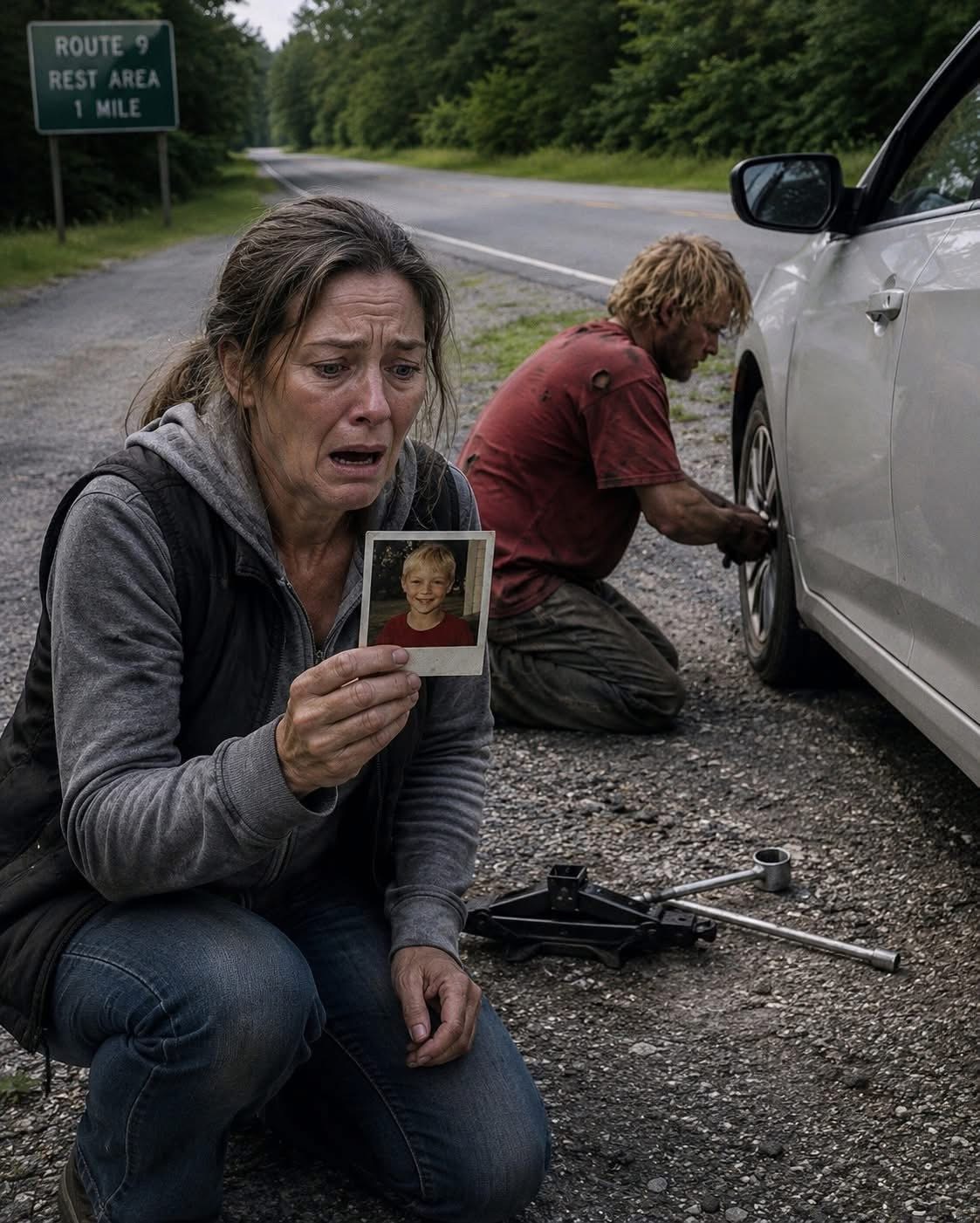
I am fifty years old, and my life has been split in two since 2006. Before Daniel. After Daniel. Before, I was a mother driving down Route 9 with my seven-year-old son beside me, listening to him beg for a Sprite like it was medicine. After, I was the woman whose son disappeared from a…
During my wedding vows, a woman in a wheelchair rolled in holding a baby and said, “Please, listen before you marry him.” I almost did not wear white because my fiancé Daniel once said very casually that he preferred ivory. “More elegant,” he said. “More classic.” So I bought ivory. I remember thinking how thoughtful he was, how lucky I was to have a man who noticed details. I understand now what kind of details he was actually noticing. Daniel entered my life like something carefully arranged. Flowers on the third date. He met my parents on the sixth. By the fourth month, he was talking about children. He asked about my brothers once, and when I told him I had four of them—that I was the only girl in three generations on my father’s side—something shifted behind his eyes that I mistook for warmth. Everyone loved Daniel. My mother called him a gift. His family was polished and formal and a little cold—but I told myself that was simply their way. His mother, Margaret, called me the week before the wedding. “I just want you to know,” she said carefully, “that we are very pleased with this match.” Not happy. Not excited. Pleased. I should have pulled at that thread. Instead, I walked down the aisle, heart full, ivory dress catching the light exactly the way Daniel had imagined it. Every seat was filled. The ceremony was almost over. Daniel had just taken my hand. The ring was hovering at the tip of my finger. The priest smiled. “Almost there,” he said. And that was when the doors at the back of the church opened. The sound reached us before anything else—the soft mechanical roll of wheels against old stone floors. I saw a young woman in a wheelchair. In her arms, wrapped in a pale yellow blanket, was a newborn so tiny it barely seemed real. She looked straight at me and said: “Please. Listen before you marry HIM and HIS FAMILY.” Then Margaret’s voice sliced through the silence. “How on earth did you find us? I thought I got rid of you.” The woman in the wheelchair did not flinch. She simply looked at Margaret for one long, steady moment. Then she turned back to me. I watched the color drain from Daniel’s face. And her next words made me pull my hand out of Daniel’s. I know many of you want the next part, so please wait a moment and check the comments below for the continuation. Thank you for your patience and understanding. Comment “YES” and give us a Like to receive the full story.)👇
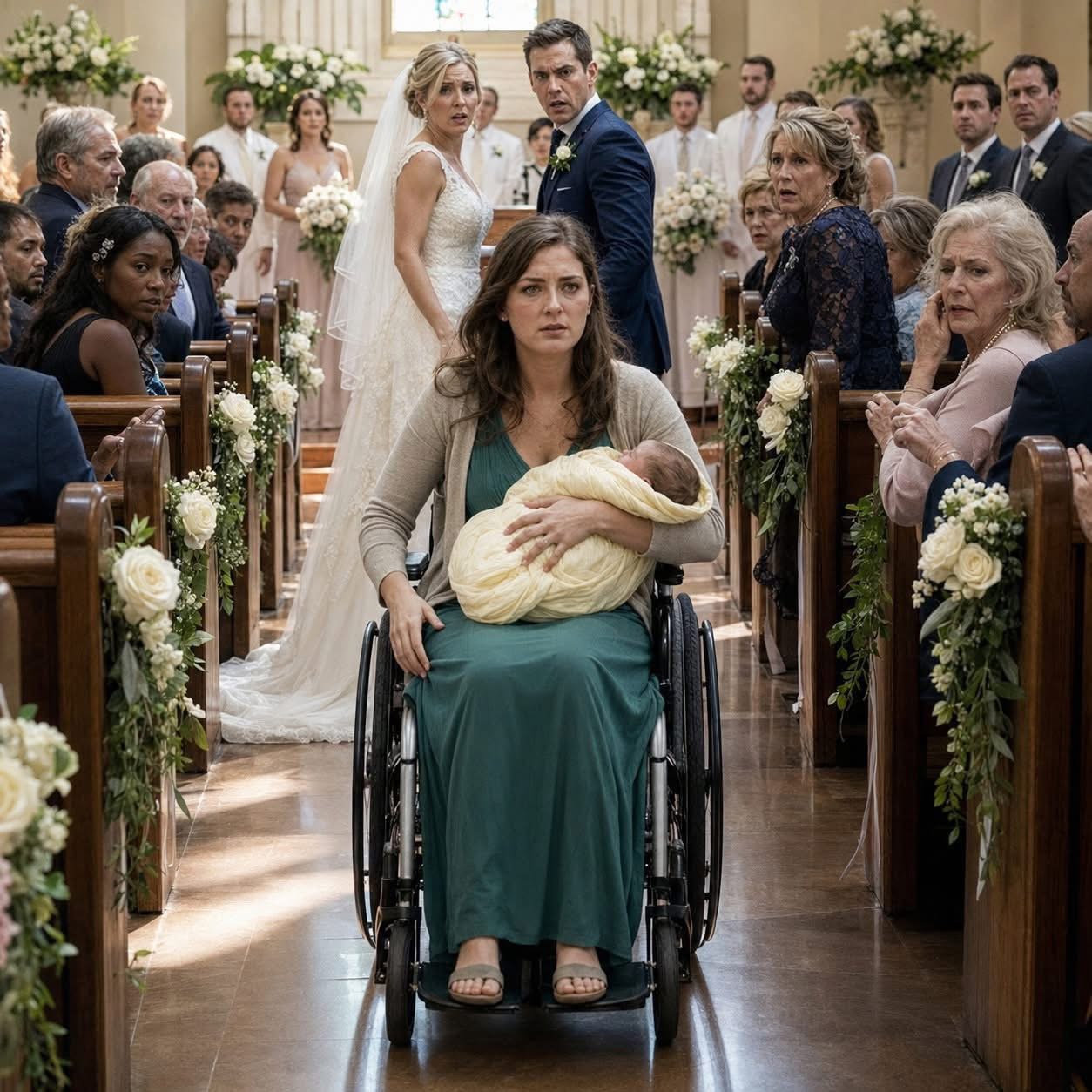
I almost bought a white wedding dress. Then Daniel told me he preferred ivory. More elegant, more classic, he said, scrolling through wedding photos online with that easy confidence he wore like a second skin. So I bought ivory. At the time I thought it meant he was thoughtful, that I was lucky to be…