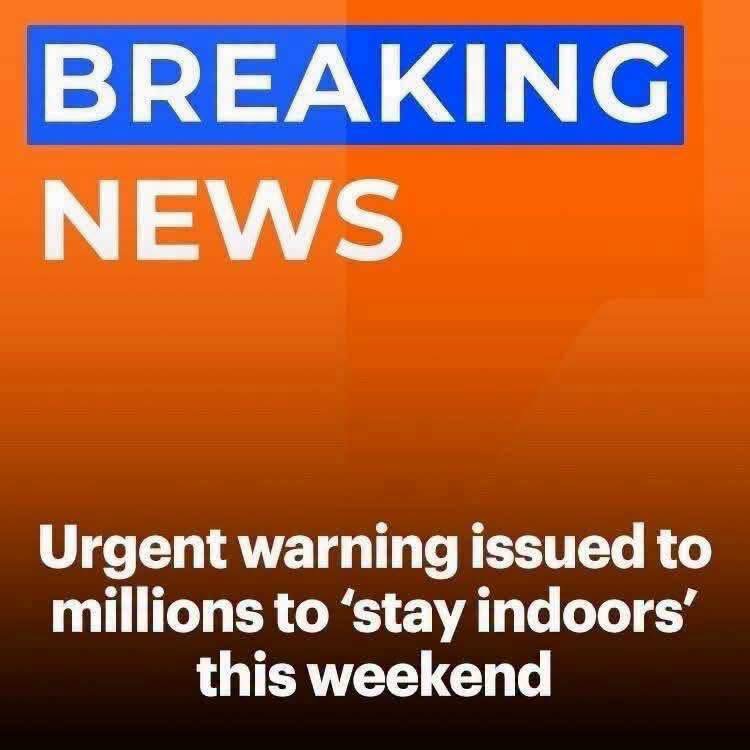
Hot weather can affect daily routines, travel plans, outdoor activities, and household comfort. When a heat-related headline spreads online, however, it is important to check the original forecast before assuming the information applies to your location. A post may refer to a different area, an earlier forecast period, or a specific day that has already passed. The safest approach is to look at the current local forecast and follow guidance from official weather authorities.
A heat dome is a commonly used term for a persistent area of high pressure that can contribute to prolonged hot weather. Under certain conditions, sinking air can warm as it moves downward, while the overall weather pattern may limit the movement of cooler air into an area. When hot conditions continue for several days, people may experience what is commonly called a heat wave. These terms describe weather patterns and conditions, but they do not mean that every location within a broad region will experience the same temperatures.
Preparing for hot weather does not have to be complicated. Start by checking the forecast before making plans for the day. If temperatures are expected to be unusually high, consider moving strenuous outdoor activities to cooler parts of the day. People who work outdoors, exercise outside, travel frequently, or care for children and older adults may benefit from making these adjustments ahead of time.
A simple household plan can make a hot day easier to manage. Decide in advance which errands can be completed during cooler hours and which activities can be postponed. Check that air-conditioning systems, fans, and other cooling equipment are working properly. If someone in the household may need additional assistance during hot weather, make arrangements before temperatures rise. A quick phone call or visit can also help ensure that family members, friends, or neighbors are doing well.
It is also useful to be careful with weather information shared on social media. A dramatic headline, screenshot, or map may have been created for a particular location or forecast period and may no longer represent current conditions. Before forwarding a heat warning, check whether it includes the correct location, date, and source. When those details are missing, consult the latest information from the appropriate local weather authority.
Extreme heat deserves attention, but preparation is more useful than unnecessary alarm. Check the current forecast, understand any official alerts affecting your area, adjust outdoor plans when necessary, stay hydrated according to your individual needs, and make sure vulnerable people and pets have access to a safe, comfortable environment. Taking a few practical steps before the hottest part of the day can make warm-weather conditions easier and safer to manage.