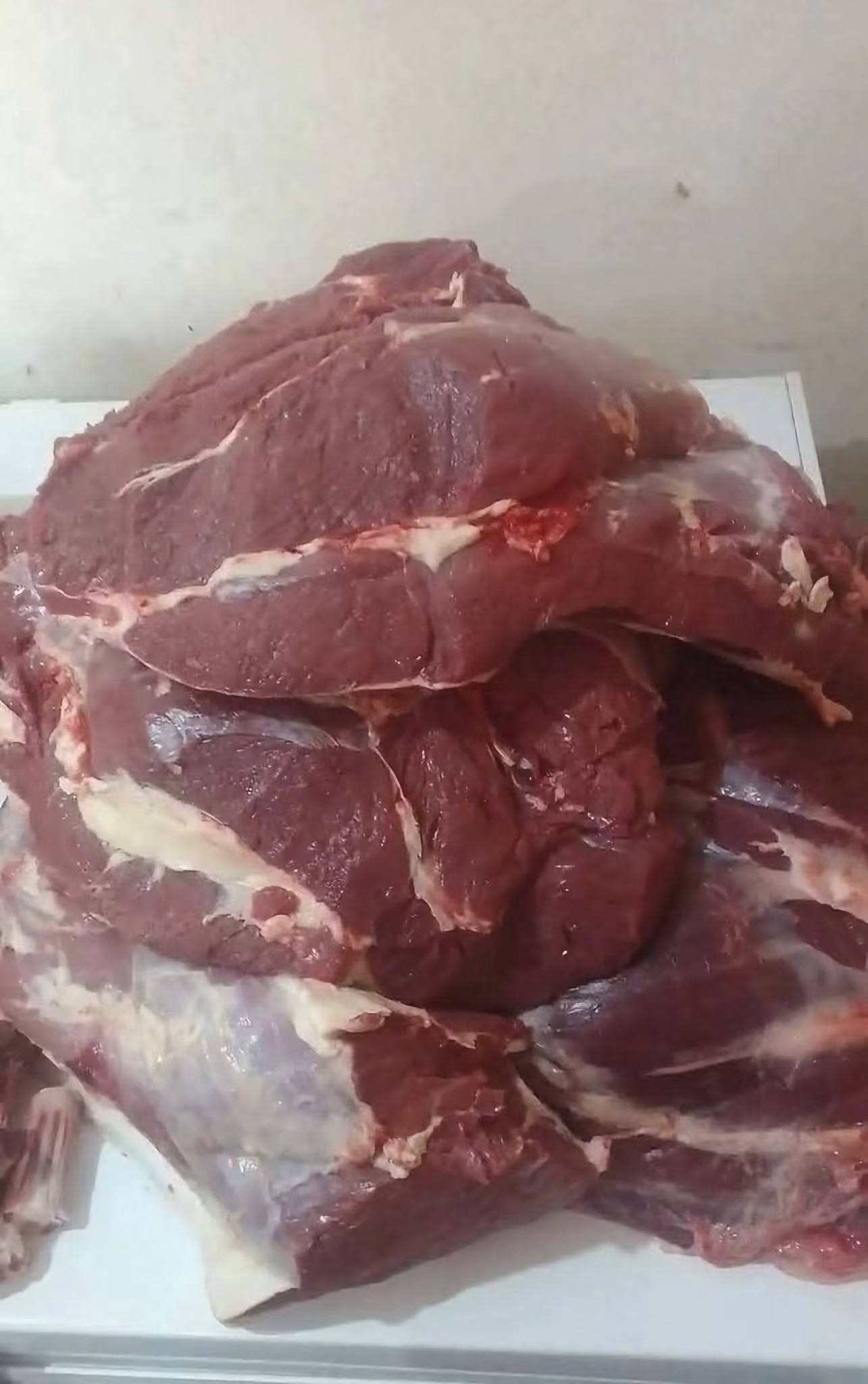
The bright red steak displayed in a supermarket may look especially fresh, but color alone cannot tell you whether meat is safe or of good quality. Before buying your next package, it is important to understand how packaging, oxygen, storage, and marketing influence what you see.
Meat is often one of the more expensive items on a family’s shopping list. Whether buying beef, chicken, or pork, consumers naturally want fresh, safe products that offer good value. Yet many shoppers make their decisions within seconds, relying mainly on appearance, price, and attractive packaging.
One common misconception is that bright red beef is always fresher than darker meat. In reality, beef gets much of its natural color from a protein called myoglobin, which changes appearance depending on its exposure to oxygen.
When beef has little contact with oxygen, it can appear deep purple or burgundy. This is especially common in vacuum-sealed packages, where most of the surrounding air has been removed to help preserve the product.
Once the package is opened and the meat is exposed to oxygen, myoglobin reacts and the surface gradually develops a familiar cherry-red color. This natural process is known as blooming. It does not mean the meat has suddenly become fresher.
Over time, beef can also develop a brownish appearance as myoglobin changes into another form called metmyoglobin. Although browning can occur as meat ages, it does not automatically mean the product is spoiled or unsafe.
Packaging also explains why two packages of beef can look completely different. Traditional trays covered with oxygen-permeable plastic allow air to reach the meat, encouraging a brighter red surface. Vacuum packaging removes much of that air, often leaving the meat darker.
According to the USDA, color changes alone are not reliable indicators of spoilage. Consumers should also pay attention to unpleasant odors, unusual textures, storage conditions, and the package’s use-by information. Attractive labels such as “premium” or “farm fresh” should not replace careful inspection.
The most important lesson is that appearance can be misleading. Bright red meat is not automatically safe, and darker beef is not necessarily spoiled. Understanding how oxygen and packaging affect meat helps shoppers make more informed decisions instead of judging quality by color alone.