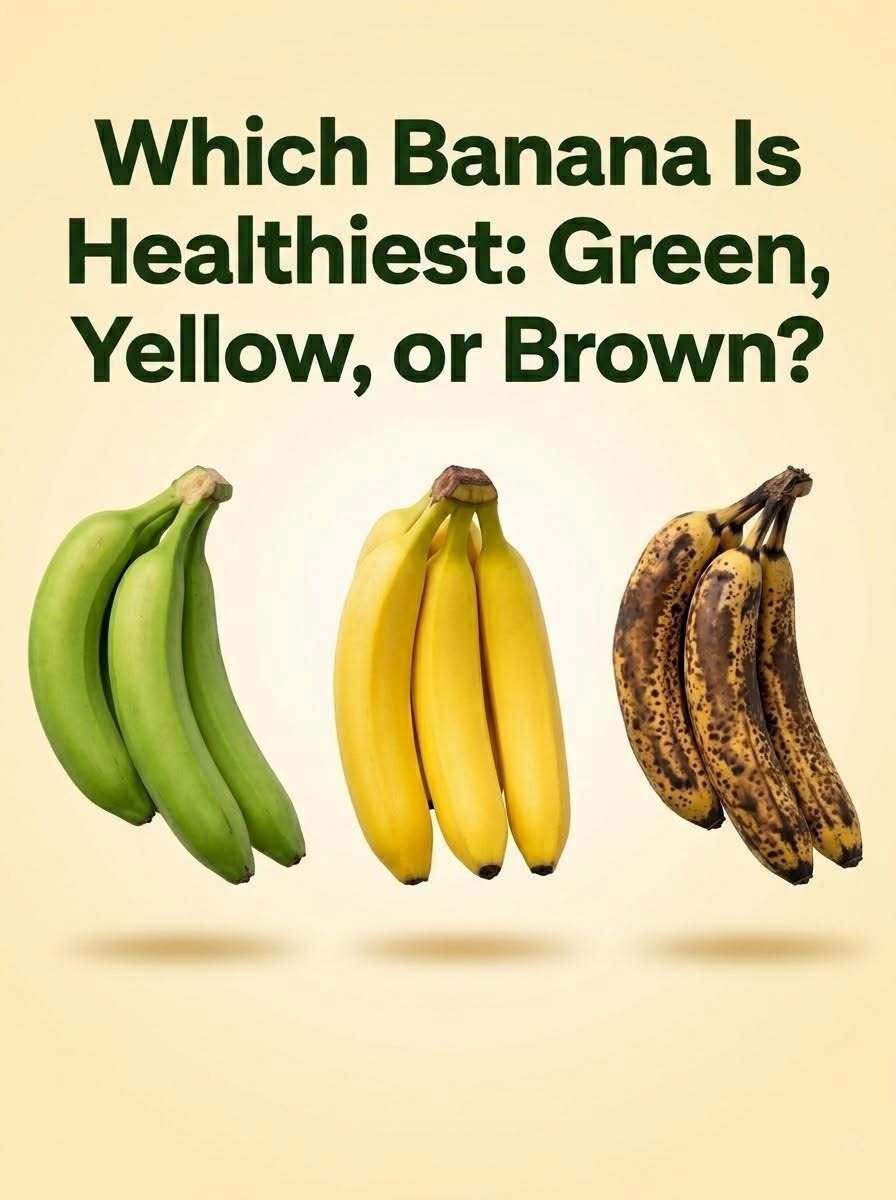
Bananas are a popular fruit because they are convenient, naturally sweet, and easy to include in everyday meals. However, their nutritional characteristics change as they ripen. A green banana has a different texture and carbohydrate composition than a soft, yellow banana covered in brown spots. Understanding these differences can help you choose the right banana for your taste, digestion, and daily nutritional needs.
Green Bananas and Resistant Starch
Green bananas contain more resistant starch than ripe bananas. Resistant starch is a type of carbohydrate that resists digestion in the small intestine and travels to the large intestine, where beneficial gut bacteria can ferment it. This process produces compounds that help support a healthy intestinal environment.
Because resistant starch is not digested in the same way as ordinary starch, green bananas may contribute to feelings of fullness and influence how the body responds to a meal. However, individual experiences vary. Some people may notice digestive discomfort, bloating, or gas when eating green bananas, particularly if they are not accustomed to foods rich in resistant starch.
Green bananas also have a firmer texture and a less sweet flavor. They can be sliced into meals, cooked in savory dishes, or included in recipes that benefit from their starchier consistency.
Yellow Bananas Provide Convenient Energy
As bananas ripen, their starch gradually breaks down into simpler sugars. This transformation makes the fruit sweeter, softer, and easier to mash. Yellow bananas are therefore a convenient option for breakfast, snacks, smoothies, and homemade baked goods.
Their natural carbohydrates provide energy for everyday activities. Bananas also supply dietary fiber, potassium, and vitamin B6. Potassium supports normal muscle function and fluid balance, while vitamin B6 contributes to normal nervous system function and energy metabolism.
Although the sugar content becomes more noticeable as bananas ripen, the fruit still contains valuable nutrients. Its overall nutritional contribution depends on the serving size and the rest of the diet, rather than ripeness alone.
What Do Brown Spots Mean?
Brown spots commonly appear as bananas mature. In most cases, these spots indicate normal ripening rather than spoilage. The fruit generally becomes sweeter and softer as the peel develops more freckles.
Very ripe bananas are especially useful in recipes such as banana bread, pancakes, muffins, and smoothies because they are easy to mash and provide natural sweetness. Some people also find softer bananas more comfortable to eat.
However, claims that heavily spotted bananas provide dramatically greater antioxidant or immune benefits are not firmly established in human research. Ripeness changes certain characteristics of the fruit, but it does not make every nutritional benefit significantly greater.
Choosing Bananas for Your Daily Diet
The best ripeness depends on your preferences and nutritional goals. Green bananas may appeal to people who prefer a firmer texture and want more resistant starch. Yellow bananas are suitable for those who enjoy sweetness and want a convenient snack. Spotted bananas can be an excellent ingredient for cooking and baking.
People managing blood glucose levels should consider portion size, individual responses, and the overall composition of a meal. Eating a banana alongside plain yogurt, nuts, or another source of protein and fat may help moderate the meal’s overall glucose response. Individual results can differ, so personal dietary guidance may be helpful when needed.
How to Store and Enjoy Bananas
Store unripe bananas at room temperature until they reach your preferred ripeness. Once ripe, placing them in the refrigerator can slow further ripening, although the peel may darken. Bananas with mold, leaking liquid, or clear signs of decay should be discarded. Brown freckles alone are not a reliable reason to throw away an otherwise sound banana.
Ultimately, green, yellow, and spotted bananas can all fit into a balanced diet. Choosing the stage you enjoy most allows you to benefit from their fiber, essential nutrients, and natural carbohydrates while making fruit a simple part of your everyday routine.