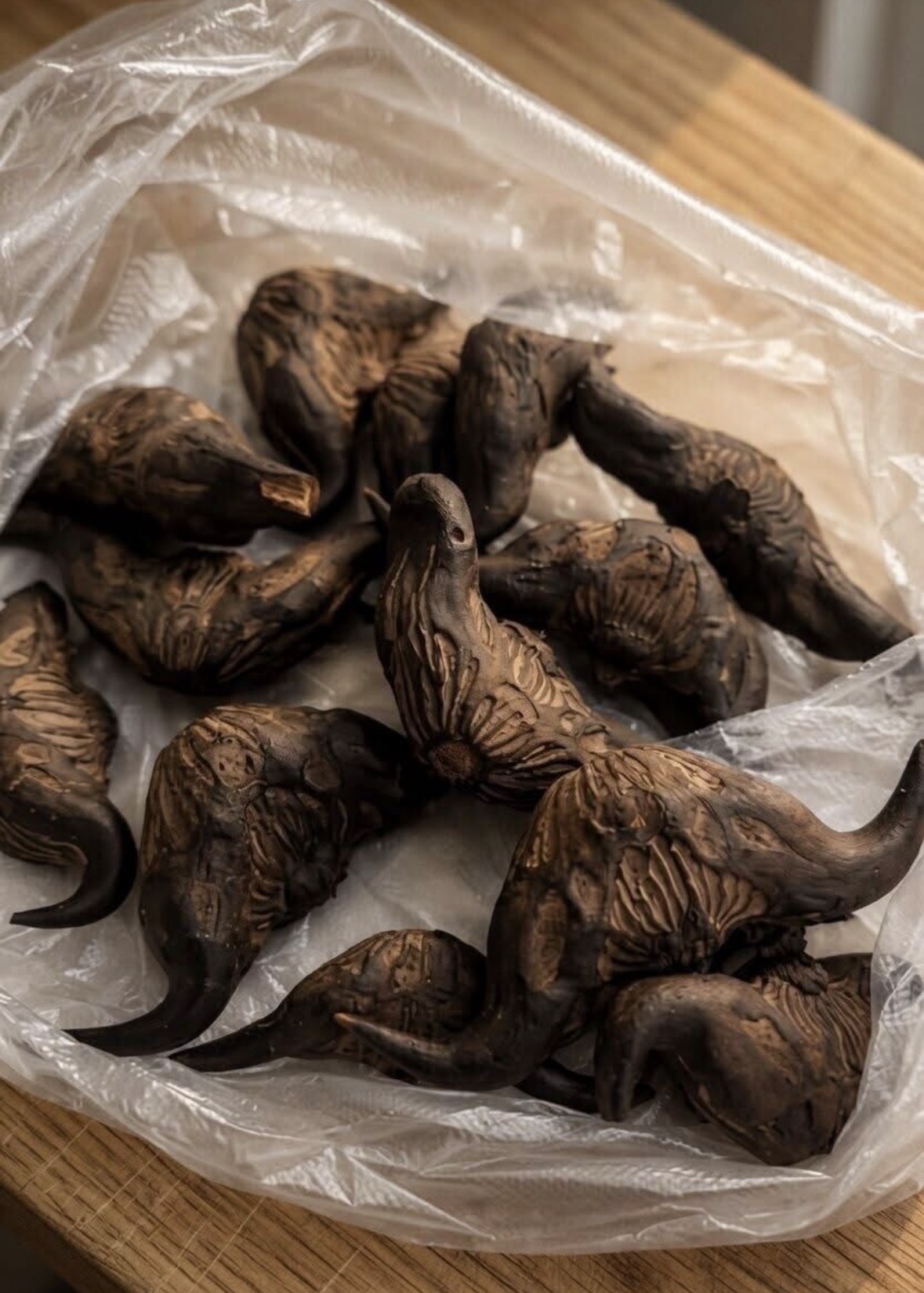
Dried water caltrops, often called bat nuts, buffalo nuts, ling nuts, or singhada, are one of the most visually unusual foods found in Asian markets. Their hard, horned, dark exterior makes them look almost alien at first glance, like something closer to a fossil or a natural artifact than edible food. Yet these strange seed pods come from a plant that grows naturally in shallow lakes and ponds across Asia, particularly in China, India, and Southeast Asia. The plant itself, known scientifically as Trapa natans or Trapa bicornis, produces floating leaves and underwater fruit that eventually develops into these distinctive horned shells. For centuries, people who lived near freshwater ecosystems learned how to harvest, dry, and consume them, turning what appears strange to outsiders into a deeply familiar and comforting food source. The first encounter with bat nuts often creates confusion, but once their inner kernel is revealed, their reputation as a nutritious traditional food becomes immediately clearer.
The history of water caltrops stretches back thousands of years and is closely tied to agricultural life in ancient Asia. Historical records from China mention them as early as the Han Dynasty, where they were consumed both as food and used in traditional medicinal practices. Farmers would cultivate the plants in natural water bodies, allowing them to grow freely in nutrient-rich environments before harvesting them during late summer and autumn. Fresh caltrops are green or purple and have a soft, watery texture similar to water chestnuts, but they are rarely seen outside their growing regions due to their short shelf life. To preserve them, communities developed drying techniques that transformed the fresh fruit into the hard, blackened pods commonly seen in markets today. This drying process not only extended their usability for months or even years but also concentrated their flavor and made them easier to store and transport. Inside the shell, a white starchy kernel remains protected, waiting to be boiled or roasted into a soft, slightly sweet edible core.
From a nutritional perspective, dried water caltrops offer more value than their unusual appearance suggests. They are rich in complex carbohydrates, dietary fiber, and essential minerals such as potassium, while also containing natural antioxidants that support general health. In Traditional Chinese Medicine, they are considered a cooling food, often used to balance internal heat, support digestion, and assist kidney function. While modern scientific research is still limited compared to mainstream crops, preliminary studies indicate potential benefits such as supporting stable blood sugar levels and providing slow-releasing energy due to their complex carbohydrate structure. Unlike heavily processed snacks, bat nuts deliver a natural source of calories that is both filling and relatively light, which historically made them valuable during periods of food scarcity. In modern dietary trends, they are also appreciated as a gluten-free, plant-based alternative to chestnuts, potatoes, or other starchy foods, fitting well into vegetarian and clean-eating lifestyles.
Preparing bat nuts requires patience, but the process is part of their cultural charm. Because the dried shells are extremely hard, they are typically boiled for an extended period or roasted until they soften enough to be cracked open with a tool such as a nutcracker or small hammer. Once opened, the inner white kernel is revealed and can be eaten directly or used as an ingredient in a variety of dishes. In Chinese cuisine, they are often enjoyed during festivals such as the Mid-Autumn Festival, where they may be roasted with spices or served as part of celebratory snacks. In India, singhada is commonly used during fasting periods, as it is considered a light yet filling food that aligns with traditional dietary restrictions. It can be incorporated into curries, stir-fried vegetables, or even ground into flour for certain regional dishes. Their mild, slightly nutty flavor allows them to absorb spices exceptionally well, making them adaptable to both savory and sweet preparations, including soups, desserts, and festival sweets.
Culturally, water caltrops carry symbolic meaning that goes beyond their role as food. In several Asian traditions, their horned shape is associated with protection, strength, and the idea of warding off negative energy. In some regions, they were historically offered during rituals or festive gatherings as symbols of prosperity and good fortune. Families would often sit together to crack open the dried pods, turning preparation into a shared activity that strengthened social bonds. This communal aspect of food preparation remains an important part of their cultural identity even today. In modern culinary spaces, chefs are rediscovering water caltrops and incorporating them into innovative fusion dishes, such as purees, roasted snacks, and plated fine-dining creations. Their unusual appearance adds visual intrigue, while their texture and flavor offer versatility that aligns well with contemporary cooking trends focused on natural and traditional ingredients.
Despite their growing recognition, dried water caltrops remain relatively hidden in global cuisine, often found only in specialized Asian grocery stores or cultural markets. This limited visibility is partly due to their unfamiliar appearance and partly due to the decline of traditional food knowledge outside rural regions where they were once commonly consumed. However, interest in heritage foods and sustainable eating has begun to bring them back into conversation among chefs, nutritionists, and food enthusiasts. Their ability to bridge ancient food traditions with modern dietary needs makes them especially relevant in today’s culinary landscape. Ultimately, bat nuts represent more than just an unusual ingredient—they reflect a long history of human adaptation, environmental harmony, and cultural creativity. When opened and cooked, what once looked strange transforms into something comforting and nourishing, connecting modern tables with centuries of forgotten food wisdom.