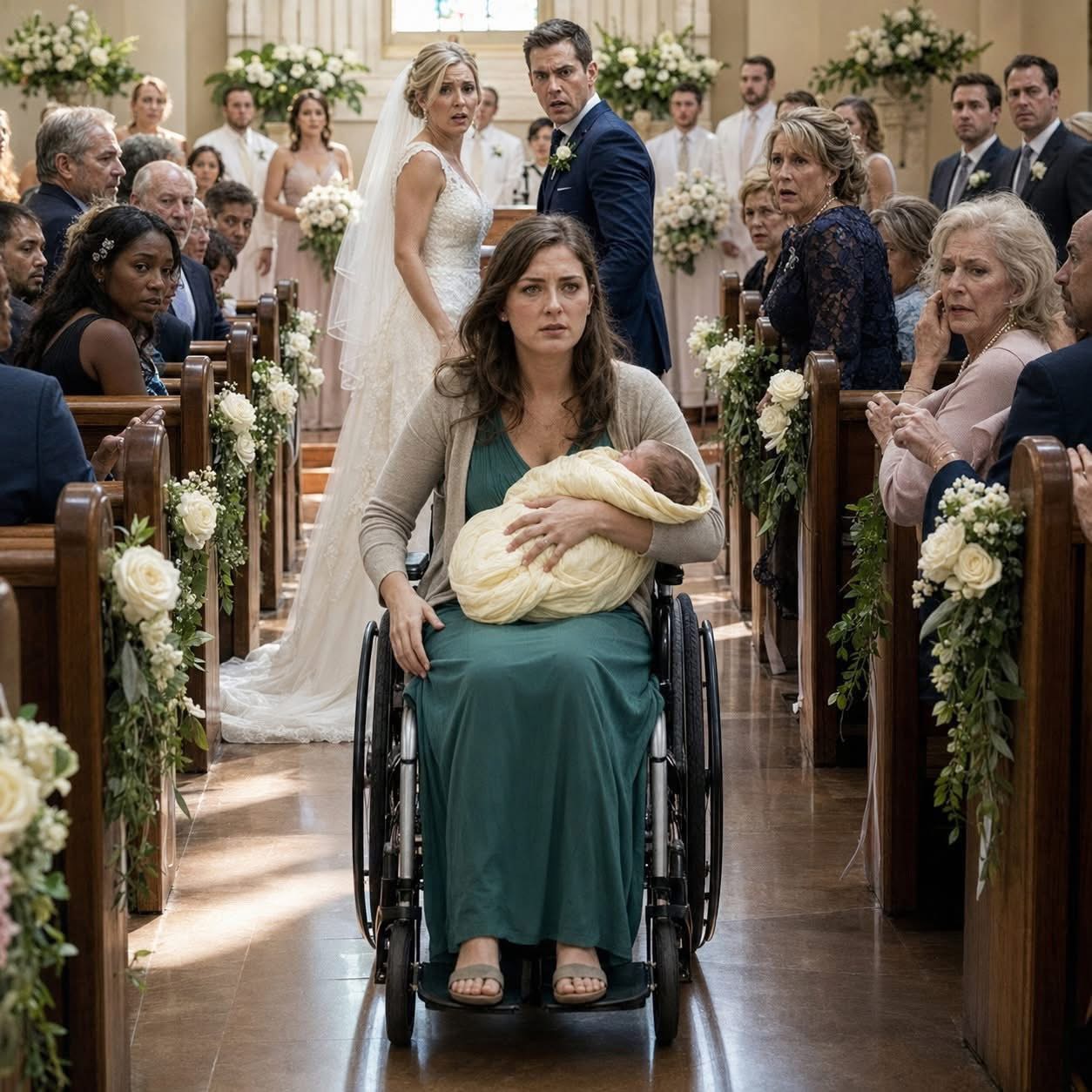
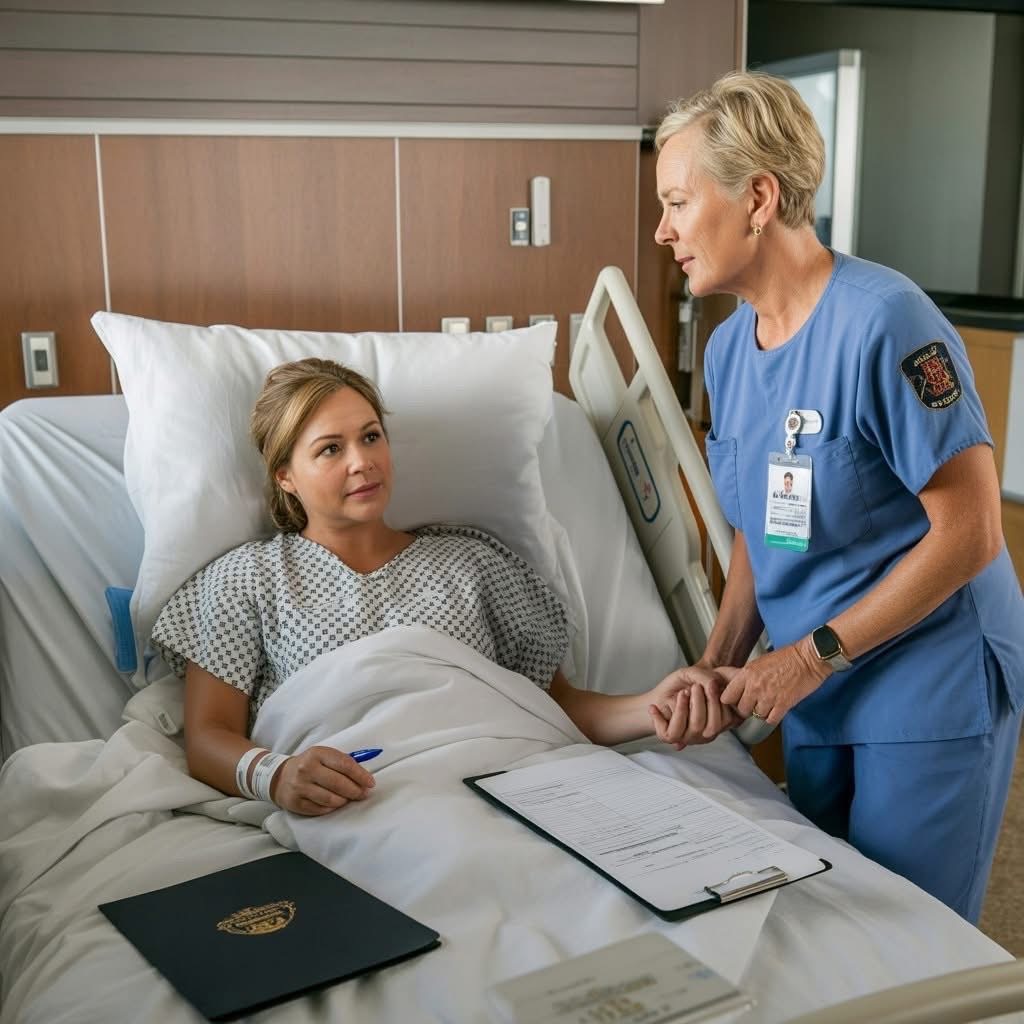
My father signed a Do Not Resuscitate order to avoid the cost of surgery. He never expected what happened after I woke up. “Let her go. We’re not authorizing the procedure,” my father told the doctor while I lay unconscious in St. Catherine’s ICU. He signed the DNR like he was checking a box and walking away. Three weeks later, I opened my eyes to harsh hospital light and the steady rhythm of a monitor—a sound I’d heard for years on the other side of the bed. The first face I saw wasn’t my father’s or my sister’s. It was Pat Walsh, our head nurse, holding my hand. My name is Wendy Thomas. I’m twenty-nine years old. I’m a registered nurse. Pat didn’t begin with comfort. She began with facts. My father had visited once. He went straight to billing, asked for estimates, then told the surgeon no additional procedures were authorized. She placed a copy of an incident report on my blanket—timestamped 11:18 p.m., Tuesday night, my father’s signature beneath DNR authorization. When he finally came to see me, he brought flowers and carefully practiced grief. He squeezed my hand and said, “I never left your side,” as if the nurses hadn’t watched the hallway remain empty. I didn’t challenge him. I smiled and let him perform. Because while I was unconscious, he’d made another move. Not on my body. On my grandmother’s house in Norristown—the small brick home on Elm Street with the porch swing that creaked in the wind. Seven months before she died, my grandmother had whispered something I didn’t understand. “When the time comes,” she said, “a man named Kesler will find you.” Lying in that hospital bed, I searched my phone and found the number I had saved and forgotten. A calm voice answered. “Donald Kesler.” I gave my name. He didn’t sound surprised. Instead, he asked, “Has your father been near your grandmother’s property recently?” He checked county records. Then his tone changed. “The deed was transferred,” he said. “And a new mortgage has been filed against the property.” I asked Pat for a pen. I asked Kesler for the filing numbers. Pat watched me write dates, amounts, and names. “Wendy,” she whispered, “are you sure you’re strong enough for this?” I looked at my nurse’s badge clipped to the bedrail—a reminder of who I was before the coma. “I’m not fighting,” I said quietly. “I’m documenting.” That afternoon my father texted: Don’t worry. I’m handling Grandma’s estate. I replied: Thanks, Dad. Then I turned the phone face down. By the next morning, Kesler outlined the next steps, and my grandmother’s plan finally came into focus. It wasn’t loud. It wasn’t emotional. It was legal. Twenty-four hours after I regained consciousness, my father’s accounts were frozen and his certainty began to fracture. He called repeatedly. For the first time in my life, I let it ring. Because he forgot something important about me. I wasn’t raised to argue. I was raised to keep records. Do you want to know what was inside Kesler’s file… and what my father saw when the bank stopped returning his calls? Details are in the first comment.
The voicemail from the hospital billing department arrived three weeks after I opened my eyes. I was sitting in my friend Deborah’s apartment, still moving carefully because my ribs protested every deep breath, when the automated message played through my phone speaker. “This is St. Catherine’s Hospital regarding outstanding balances for patient Wendy Thomas. Please…