Skip to content

Daily News

  • Home
  • Sample Page
  • Toggle search form

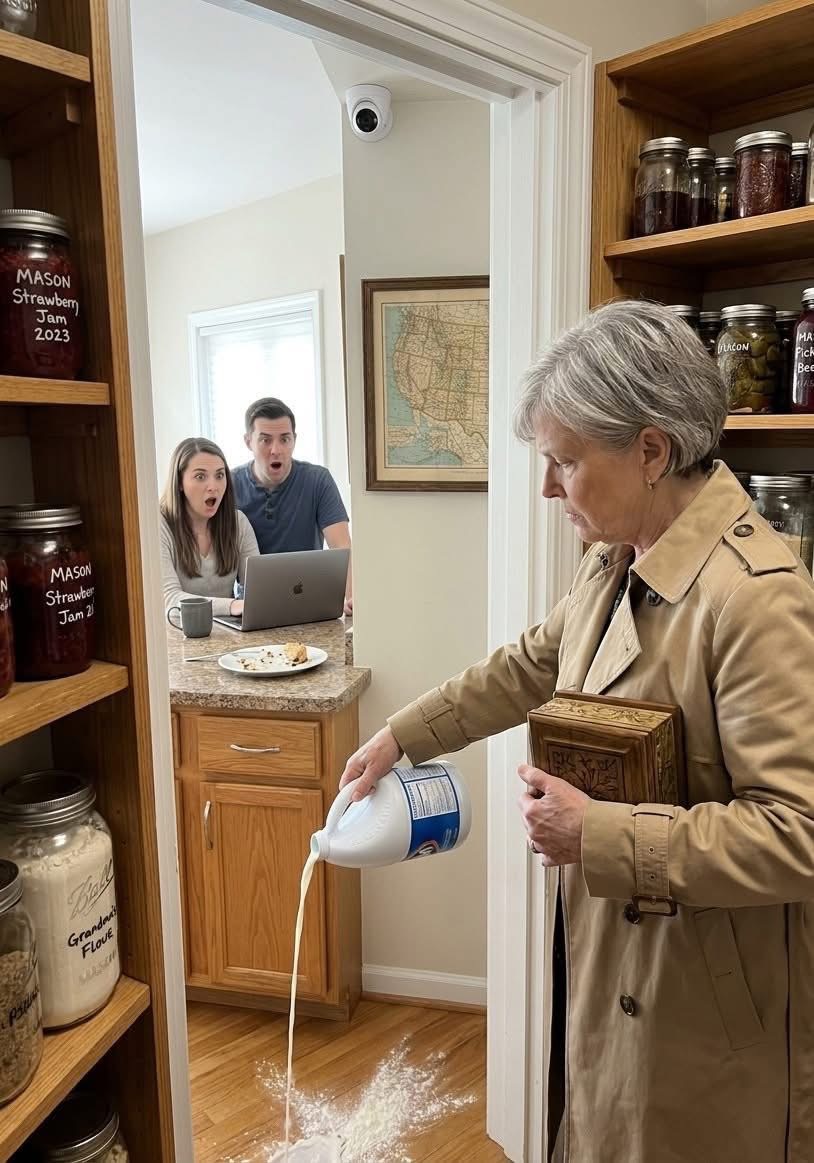
I forgot to tell my mother-in-law about the hidden camera at our country house. When I finally checked the footage, I watched her calmly pour bleach over my grandmother’s pantry… and slip a stolen jewelry box into her coat. I didn’t confront her. Instead, I set a trap, gave the police the real video, and waited. At 8 a.m. the next morning, my husband’s phone rang—and on the other end was… I heard her before I saw her. Her voice drifted through the half-open kitchen window, mixing with the crunch of gravel under her heels and the faint clink of the chicken-feed scoop near the porch. I stood in my grandmother’s kitchen, one hand wrapped around a warm mug, the scent of lavender detergent still lingering from the curtains Ana used to wash every spring. “Oh, don’t worry,” Margaret said. “She won’t notice if a few eggs go missing. She’s too busy pretending this place matters.” Then she laughed. That was the sound that did it. Not the insult. The laugh. Cold. Controlled. The same laugh she used at family dinners when she wanted everyone to know she had just said something cruel—without raising her voice. “That farm shack,” she continued into her phone, “is perfect for dumping trash.” A pause. Then softer: “Meaning her, apparently.” I stood frozen in the middle of my grandmother’s kitchen while the refrigerator hummed and a nervous hen clucked outside. Margaret was standing on land my grandmother had protected with two bad knees and grocery-store coffee, calling it trash. That “old woman” had a name. Ana. She taught me how to knead bread, label jars, prune roses, and listen for the soft cluck that meant an egg was coming. When she passed, she left me the house, the pantry, the chickens—and the cedar jewelry box hidden behind the flour tin. This place mattered. I had been married to Daniel for four years—long enough to understand that his mother’s approval wasn’t love. It was control. At our wedding, Margaret kissed my cheek and whispered, “Keep him interested, dear. Men get bored.” In photos, she looked warm. If you looked closer, you could see her fingers pressing into my shoulder. Daniel always called it “Mom being Mom.” He saw the best in people—especially her. That was one of the reasons I loved him. It was also why she knew exactly how to use him. So when a neighbor mentioned “strange activity” near the property, Daniel suggested asking Margaret to check on the chickens. “She’ll feel trusted,” he said. I wanted to believe that too. That weekend, we installed two small motion cameras. One faced the back door. The other sat high on a pantry shelf, angled toward Ana’s labeled jars and recipe boxes. “The cameras are probably unnecessary,” Daniel said. “Probably,” I replied. Then life got busy—and I forgot to tell Margaret about the pantry camera. I forgot… until Monday morning. At 6:14 a.m., while Daniel was still asleep, I opened the camera app with a cup of cold coffee beside me. The first clips showed nothing unusual. Curtains moving in the breeze. Shadows near the porch. Margaret walking through the kitchen like she owned the place. Then the clip labeled Sunday 4:38 p.m. opened. Margaret stood in the pantry with a bottle of bleach in her hand. At first, my mind searched for a normal explanation. Cleaning. A spill. Anything. There wasn’t one. She unscrewed the cap and calmly poured bleach across the pantry shelf. Over the flour tin. Over Ana’s handwritten labels. Over sealed jars of peaches. She moved slowly, carefully—like destruction could pass for housekeeping if done neatly enough. Then she reached behind the flour tin, pulled out the cedar jewelry box… and smiled. I stopped breathing. Inside were Ana’s wedding band, a rose pin, silver earrings from my childhood, and a folded recipe card in her handwriting. Margaret slipped the box into her coat pocket. Then she glanced toward the hidden camera—without seeing it—and said into her phone, “She’ll blame the house. Old places go bad. That’s what happens when people refuse to let go.” Cruelty doesn’t always look obvious. Sometimes it wears perfume and a polite smile. I replayed the clip three times before waking Daniel. He watched it once in silence. The second time, he covered his mouth. By the third, something in his expression changed. Recognition. “That’s Mom,” he said quietly. “Yes.” “She took the box.” “Yes.” “And she poured bleach on your grandmother’s pantry.” I didn’t answer. I didn’t need to. For one brief moment, I wanted to call her and say everything I had held back for years. But anger is only useful if you don’t waste it too early. So I made copies. By 7:03 a.m., the footage was saved to a flash drive. By 7:18, I had printed still images. By 7:41, I had written a list for the police: stolen jewelry, property damage, contaminated food. Then I texted Margaret. “Daniel and I found something strange at the house. Police suggested we make an inventory. Can you meet us there tomorrow at 8? Since you were the last one checking on things, we may need your help clarifying the timeline.” She replied two minutes later. “Of course, dear. Happy to help. That house has always needed better supervision.” I stared at the message until the words blurred. Then Daniel asked quietly, “You’re calling the police?” I looked at him across the kitchen. “No,” I said. “I already did.” By lunchtime, the officer had the real footage. By midnight, Daniel had barely spoken. At 7:52 the next morning, we sat at Ana’s kitchen table. The smell of bleach still lingered beneath the lemon cleaner. Daniel’s phone rested beside his coffee. The empty space behind the flour tin looked like a missing tooth. At 7:59, Margaret’s SUV pulled into the driveway. She stepped out smiling. At exactly 8:00, Daniel’s phone rang. He looked at the screen, swallowed, and put the call on speaker. Then the voice on the other end said… 👇 (I know you’re curious to see what happens next, so please be patient and continue reading in the comments below. Thank you for understanding the inconvenience. Please leave a “YES” below and give us a Like to get the full story.)👇

Posted on May 28, 2026 By admin No Comments on I forgot to tell my mother-in-law about the hidden camera at our country house. When I finally checked the footage, I watched her calmly pour bleach over my grandmother’s pantry… and slip a stolen jewelry box into her coat. I didn’t confront her. Instead, I set a trap, gave the police the real video, and waited. At 8 a.m. the next morning, my husband’s phone rang—and on the other end was… I heard her before I saw her. Her voice drifted through the half-open kitchen window, mixing with the crunch of gravel under her heels and the faint clink of the chicken-feed scoop near the porch. I stood in my grandmother’s kitchen, one hand wrapped around a warm mug, the scent of lavender detergent still lingering from the curtains Ana used to wash every spring. “Oh, don’t worry,” Margaret said. “She won’t notice if a few eggs go missing. She’s too busy pretending this place matters.” Then she laughed. That was the sound that did it. Not the insult. The laugh. Cold. Controlled. The same laugh she used at family dinners when she wanted everyone to know she had just said something cruel—without raising her voice. “That farm shack,” she continued into her phone, “is perfect for dumping trash.” A pause. Then softer: “Meaning her, apparently.” I stood frozen in the middle of my grandmother’s kitchen while the refrigerator hummed and a nervous hen clucked outside. Margaret was standing on land my grandmother had protected with two bad knees and grocery-store coffee, calling it trash. That “old woman” had a name. Ana. She taught me how to knead bread, label jars, prune roses, and listen for the soft cluck that meant an egg was coming. When she passed, she left me the house, the pantry, the chickens—and the cedar jewelry box hidden behind the flour tin. This place mattered. I had been married to Daniel for four years—long enough to understand that his mother’s approval wasn’t love. It was control. At our wedding, Margaret kissed my cheek and whispered, “Keep him interested, dear. Men get bored.” In photos, she looked warm. If you looked closer, you could see her fingers pressing into my shoulder. Daniel always called it “Mom being Mom.” He saw the best in people—especially her. That was one of the reasons I loved him. It was also why she knew exactly how to use him. So when a neighbor mentioned “strange activity” near the property, Daniel suggested asking Margaret to check on the chickens. “She’ll feel trusted,” he said. I wanted to believe that too. That weekend, we installed two small motion cameras. One faced the back door. The other sat high on a pantry shelf, angled toward Ana’s labeled jars and recipe boxes. “The cameras are probably unnecessary,” Daniel said. “Probably,” I replied. Then life got busy—and I forgot to tell Margaret about the pantry camera. I forgot… until Monday morning. At 6:14 a.m., while Daniel was still asleep, I opened the camera app with a cup of cold coffee beside me. The first clips showed nothing unusual. Curtains moving in the breeze. Shadows near the porch. Margaret walking through the kitchen like she owned the place. Then the clip labeled Sunday 4:38 p.m. opened. Margaret stood in the pantry with a bottle of bleach in her hand. At first, my mind searched for a normal explanation. Cleaning. A spill. Anything. There wasn’t one. She unscrewed the cap and calmly poured bleach across the pantry shelf. Over the flour tin. Over Ana’s handwritten labels. Over sealed jars of peaches. She moved slowly, carefully—like destruction could pass for housekeeping if done neatly enough. Then she reached behind the flour tin, pulled out the cedar jewelry box… and smiled. I stopped breathing. Inside were Ana’s wedding band, a rose pin, silver earrings from my childhood, and a folded recipe card in her handwriting. Margaret slipped the box into her coat pocket. Then she glanced toward the hidden camera—without seeing it—and said into her phone, “She’ll blame the house. Old places go bad. That’s what happens when people refuse to let go.” Cruelty doesn’t always look obvious. Sometimes it wears perfume and a polite smile. I replayed the clip three times before waking Daniel. He watched it once in silence. The second time, he covered his mouth. By the third, something in his expression changed. Recognition. “That’s Mom,” he said quietly. “Yes.” “She took the box.” “Yes.” “And she poured bleach on your grandmother’s pantry.” I didn’t answer. I didn’t need to. For one brief moment, I wanted to call her and say everything I had held back for years. But anger is only useful if you don’t waste it too early. So I made copies. By 7:03 a.m., the footage was saved to a flash drive. By 7:18, I had printed still images. By 7:41, I had written a list for the police: stolen jewelry, property damage, contaminated food. Then I texted Margaret. “Daniel and I found something strange at the house. Police suggested we make an inventory. Can you meet us there tomorrow at 8? Since you were the last one checking on things, we may need your help clarifying the timeline.” She replied two minutes later. “Of course, dear. Happy to help. That house has always needed better supervision.” I stared at the message until the words blurred. Then Daniel asked quietly, “You’re calling the police?” I looked at him across the kitchen. “No,” I said. “I already did.” By lunchtime, the officer had the real footage. By midnight, Daniel had barely spoken. At 7:52 the next morning, we sat at Ana’s kitchen table. The smell of bleach still lingered beneath the lemon cleaner. Daniel’s phone rested beside his coffee. The empty space behind the flour tin looked like a missing tooth. At 7:59, Margaret’s SUV pulled into the driveway. She stepped out smiling. At exactly 8:00, Daniel’s phone rang. He looked at the screen, swallowed, and put the call on speaker. Then the voice on the other end said… 👇 (I know you’re curious to see what happens next, so please be patient and continue reading in the comments below. Thank you for understanding the inconvenience. Please leave a “YES” below and give us a Like to get the full story.)👇
I forgot to tell my mother-in-law about the hidden camera at our country house. When I finally checked the footage, I watched her calmly pour bleach over my grandmother’s pantry… and slip a stolen jewelry box into her coat. I didn’t confront her. Instead, I set a trap, gave the police the real video, and waited. At 8 a.m. the next morning, my husband’s phone rang—and on the other end was…  I heard her before I saw her.  Her voice drifted through the half-open kitchen window, mixing with the crunch of gravel under her heels and the faint clink of the chicken-feed scoop near the porch. I stood in my grandmother’s kitchen, one hand wrapped around a warm mug, the scent of lavender detergent still lingering from the curtains Ana used to wash every spring.  “Oh, don’t worry,” Margaret said. “She won’t notice if a few eggs go missing. She’s too busy pretending this place matters.”  Then she laughed.  That was the sound that did it.  Not the insult.  The laugh.  Cold. Controlled. The same laugh she used at family dinners when she wanted everyone to know she had just said something cruel—without raising her voice.  “That farm shack,” she continued into her phone, “is perfect for dumping trash.”  A pause.  Then softer: “Meaning her, apparently.”  I stood frozen in the middle of my grandmother’s kitchen while the refrigerator hummed and a nervous hen clucked outside.  Margaret was standing on land my grandmother had protected with two bad knees and grocery-store coffee, calling it trash.  That “old woman” had a name.  Ana.  She taught me how to knead bread, label jars, prune roses, and listen for the soft cluck that meant an egg was coming. When she passed, she left me the house, the pantry, the chickens—and the cedar jewelry box hidden behind the flour tin.  This place mattered.  I had been married to Daniel for four years—long enough to understand that his mother’s approval wasn’t love.  It was control.  At our wedding, Margaret kissed my cheek and whispered, “Keep him interested, dear. Men get bored.”  In photos, she looked warm.  If you looked closer, you could see her fingers pressing into my shoulder.  Daniel always called it “Mom being Mom.” He saw the best in people—especially her. That was one of the reasons I loved him.  It was also why she knew exactly how to use him.  So when a neighbor mentioned “strange activity” near the property, Daniel suggested asking Margaret to check on the chickens.  “She’ll feel trusted,” he said.  I wanted to believe that too.  That weekend, we installed two small motion cameras. One faced the back door. The other sat high on a pantry shelf, angled toward Ana’s labeled jars and recipe boxes.  “The cameras are probably unnecessary,” Daniel said.  “Probably,” I replied.  Then life got busy—and I forgot to tell Margaret about the pantry camera.  I forgot… until Monday morning.  At 6:14 a.m., while Daniel was still asleep, I opened the camera app with a cup of cold coffee beside me.  The first clips showed nothing unusual.  Curtains moving in the breeze. Shadows near the porch. Margaret walking through the kitchen like she owned the place.  Then the clip labeled Sunday 4:38 p.m. opened.  Margaret stood in the pantry with a bottle of bleach in her hand.  At first, my mind searched for a normal explanation.  Cleaning. A spill. Anything.  There wasn’t one.  She unscrewed the cap and calmly poured bleach across the pantry shelf.  Over the flour tin. Over Ana’s handwritten labels. Over sealed jars of peaches.  She moved slowly, carefully—like destruction could pass for housekeeping if done neatly enough.  Then she reached behind the flour tin, pulled out the cedar jewelry box… and smiled.  I stopped breathing.  Inside were Ana’s wedding band, a rose pin, silver earrings from my childhood, and a folded recipe card in her handwriting.  Margaret slipped the box into her coat pocket.  Then she glanced toward the hidden camera—without seeing it—and said into her phone,  “She’ll blame the house. Old places go bad. That’s what happens when people refuse to let go.”  Cruelty doesn’t always look obvious.  Sometimes it wears perfume and a polite smile.  I replayed the clip three times before waking Daniel.  He watched it once in silence.  The second time, he covered his mouth.  By the third, something in his expression changed.  Recognition.  “That’s Mom,” he said quietly.  “Yes.”  “She took the box.”  “Yes.”  “And she poured bleach on your grandmother’s pantry.”  I didn’t answer.  I didn’t need to.  For one brief moment, I wanted to call her and say everything I had held back for years.  But anger is only useful if you don’t waste it too early.  So I made copies.  By 7:03 a.m., the footage was saved to a flash drive. By 7:18, I had printed still images. By 7:41, I had written a list for the police: stolen jewelry, property damage, contaminated food.  Then I texted Margaret.  “Daniel and I found something strange at the house. Police suggested we make an inventory. Can you meet us there tomorrow at 8? Since you were the last one checking on things, we may need your help clarifying the timeline.”  She replied two minutes later.  “Of course, dear. Happy to help. That house has always needed better supervision.”  I stared at the message until the words blurred.  Then Daniel asked quietly,  “You’re calling the police?”  I looked at him across the kitchen.  “No,” I said. “I already did.”  By lunchtime, the officer had the real footage.  By midnight, Daniel had barely spoken.  At 7:52 the next morning, we sat at Ana’s kitchen table.  The smell of bleach still lingered beneath the lemon cleaner. Daniel’s phone rested beside his coffee. The empty space behind the flour tin looked like a missing tooth.  At 7:59, Margaret’s SUV pulled into the driveway.  She stepped out smiling.  At exactly 8:00, Daniel’s phone rang.  He looked at the screen, swallowed, and put the call on speaker.  Then the voice on the other end said… 👇 (I know you’re curious to see what happens next, so please be patient and continue reading in the comments below. Thank you for understanding the inconvenience. Please leave a “YES” below and give us a Like to get the full story.)👇

I heard Margaret before I saw her. Her voice slipped through the half-open kitchen window, carried on the crunch of gravel under her heels and the metallic scrape of the chicken feed scoop against the porch steps. I was standing in my grandmother’s kitchen with a mug of tea in both hands, surrounded by the…

Read More “I forgot to tell my mother-in-law about the hidden camera at our country house. When I finally checked the footage, I watched her calmly pour bleach over my grandmother’s pantry… and slip a stolen jewelry box into her coat. I didn’t confront her. Instead, I set a trap, gave the police the real video, and waited. At 8 a.m. the next morning, my husband’s phone rang—and on the other end was… I heard her before I saw her. Her voice drifted through the half-open kitchen window, mixing with the crunch of gravel under her heels and the faint clink of the chicken-feed scoop near the porch. I stood in my grandmother’s kitchen, one hand wrapped around a warm mug, the scent of lavender detergent still lingering from the curtains Ana used to wash every spring. “Oh, don’t worry,” Margaret said. “She won’t notice if a few eggs go missing. She’s too busy pretending this place matters.” Then she laughed. That was the sound that did it. Not the insult. The laugh. Cold. Controlled. The same laugh she used at family dinners when she wanted everyone to know she had just said something cruel—without raising her voice. “That farm shack,” she continued into her phone, “is perfect for dumping trash.” A pause. Then softer: “Meaning her, apparently.” I stood frozen in the middle of my grandmother’s kitchen while the refrigerator hummed and a nervous hen clucked outside. Margaret was standing on land my grandmother had protected with two bad knees and grocery-store coffee, calling it trash. That “old woman” had a name. Ana. She taught me how to knead bread, label jars, prune roses, and listen for the soft cluck that meant an egg was coming. When she passed, she left me the house, the pantry, the chickens—and the cedar jewelry box hidden behind the flour tin. This place mattered. I had been married to Daniel for four years—long enough to understand that his mother’s approval wasn’t love. It was control. At our wedding, Margaret kissed my cheek and whispered, “Keep him interested, dear. Men get bored.” In photos, she looked warm. If you looked closer, you could see her fingers pressing into my shoulder. Daniel always called it “Mom being Mom.” He saw the best in people—especially her. That was one of the reasons I loved him. It was also why she knew exactly how to use him. So when a neighbor mentioned “strange activity” near the property, Daniel suggested asking Margaret to check on the chickens. “She’ll feel trusted,” he said. I wanted to believe that too. That weekend, we installed two small motion cameras. One faced the back door. The other sat high on a pantry shelf, angled toward Ana’s labeled jars and recipe boxes. “The cameras are probably unnecessary,” Daniel said. “Probably,” I replied. Then life got busy—and I forgot to tell Margaret about the pantry camera. I forgot… until Monday morning. At 6:14 a.m., while Daniel was still asleep, I opened the camera app with a cup of cold coffee beside me. The first clips showed nothing unusual. Curtains moving in the breeze. Shadows near the porch. Margaret walking through the kitchen like she owned the place. Then the clip labeled Sunday 4:38 p.m. opened. Margaret stood in the pantry with a bottle of bleach in her hand. At first, my mind searched for a normal explanation. Cleaning. A spill. Anything. There wasn’t one. She unscrewed the cap and calmly poured bleach across the pantry shelf. Over the flour tin. Over Ana’s handwritten labels. Over sealed jars of peaches. She moved slowly, carefully—like destruction could pass for housekeeping if done neatly enough. Then she reached behind the flour tin, pulled out the cedar jewelry box… and smiled. I stopped breathing. Inside were Ana’s wedding band, a rose pin, silver earrings from my childhood, and a folded recipe card in her handwriting. Margaret slipped the box into her coat pocket. Then she glanced toward the hidden camera—without seeing it—and said into her phone, “She’ll blame the house. Old places go bad. That’s what happens when people refuse to let go.” Cruelty doesn’t always look obvious. Sometimes it wears perfume and a polite smile. I replayed the clip three times before waking Daniel. He watched it once in silence. The second time, he covered his mouth. By the third, something in his expression changed. Recognition. “That’s Mom,” he said quietly. “Yes.” “She took the box.” “Yes.” “And she poured bleach on your grandmother’s pantry.” I didn’t answer. I didn’t need to. For one brief moment, I wanted to call her and say everything I had held back for years. But anger is only useful if you don’t waste it too early. So I made copies. By 7:03 a.m., the footage was saved to a flash drive. By 7:18, I had printed still images. By 7:41, I had written a list for the police: stolen jewelry, property damage, contaminated food. Then I texted Margaret. “Daniel and I found something strange at the house. Police suggested we make an inventory. Can you meet us there tomorrow at 8? Since you were the last one checking on things, we may need your help clarifying the timeline.” She replied two minutes later. “Of course, dear. Happy to help. That house has always needed better supervision.” I stared at the message until the words blurred. Then Daniel asked quietly, “You’re calling the police?” I looked at him across the kitchen. “No,” I said. “I already did.” By lunchtime, the officer had the real footage. By midnight, Daniel had barely spoken. At 7:52 the next morning, we sat at Ana’s kitchen table. The smell of bleach still lingered beneath the lemon cleaner. Daniel’s phone rested beside his coffee. The empty space behind the flour tin looked like a missing tooth. At 7:59, Margaret’s SUV pulled into the driveway. She stepped out smiling. At exactly 8:00, Daniel’s phone rang. He looked at the screen, swallowed, and put the call on speaker. Then the voice on the other end said… 👇 (I know you’re curious to see what happens next, so please be patient and continue reading in the comments below. Thank you for understanding the inconvenience. Please leave a “YES” below and give us a Like to get the full story.)👇” »

Uncategorized

My dad didn’t invite me for Christmas, so I bought my own ranch. When they later showed up with a realtor—planning to sell my land for my brother—they thought I’d be powerless. They had no idea I had a JAG attorney on speed dial… and a sheriff who already knew exactly what was happening. Dad Cut Me Out of Christmas — Then Tried to Take My Ranch. He never expected the sheriff to reach the gate before he did. On Christmas Eve, I sat parked at the end of my father’s driveway, engine quiet, watching the house glow through the falling snow. Inside, shadows moved across the windows—my dad, my stepmother, my brother—all laughing like the evening was perfectly complete. Complete without me. Three days earlier, Dad had sent a group message: “Christmas dinner will be small this year. Everyone’s already aware of the plan.” Everyone except me. I called. Voicemail. I texted: “Flying in on the 23rd.” Silence. Then my stepmother added four cold little words: “Don’t take it personal.” Still, I drove through the storm, hoping it had been a misunderstanding. But from the driveway, the truth was obvious—no extra plate, no pause in the laughter, no one glancing toward the door. Just the cold realization that I was no longer part of the picture. That night, I sat alone in a roadside diner with a slice of pecan pie turning heavy in my mouth. Somewhere between the first bite and the last attempt to swallow, a decision settled inside me like stone: If I wasn’t welcome at someone else’s table, I would build a place where no one could decide whether I belonged. One week later, I stepped off a plane in Montana. I found a foreclosed ranch—weathered, quiet, surrounded by wide-open acres that didn’t care who loved me or who didn’t. I bought it in my own name. Changed every lock. Installed cameras at the gate and on the porch. Not because I was afraid. Because I had finally learned better. People change when property enters the conversation. The county sheriff stopped by to introduce himself. He looked over the security setup and said with a knowing half-smile: “Funny thing about land… it tends to bring people out of hiding.” He was right. Because weeks later—just before sunrise on a sharp, icy morning—my cameras lit up with alerts. Headlights. Three vehicles rolled up to my gate. My dad. My stepmother. My brother. And a realtor. Plus a locksmith unloading his tools. I didn’t hurry outside. I didn’t yell. I simply watched from my living room as the realtor pointed toward my home, my land, my fences, while my father spoke like everything in sight already belonged to them. And then, just as the locksmith knelt down to touch my gate… that’s when I… 👉 (I know you’re curious about the next part, so please be patient and read the continuation in the comments below. Thank you for understanding the inconvenience. Please leave a “YES” comment below and give us a Like to get the full story.) 👇
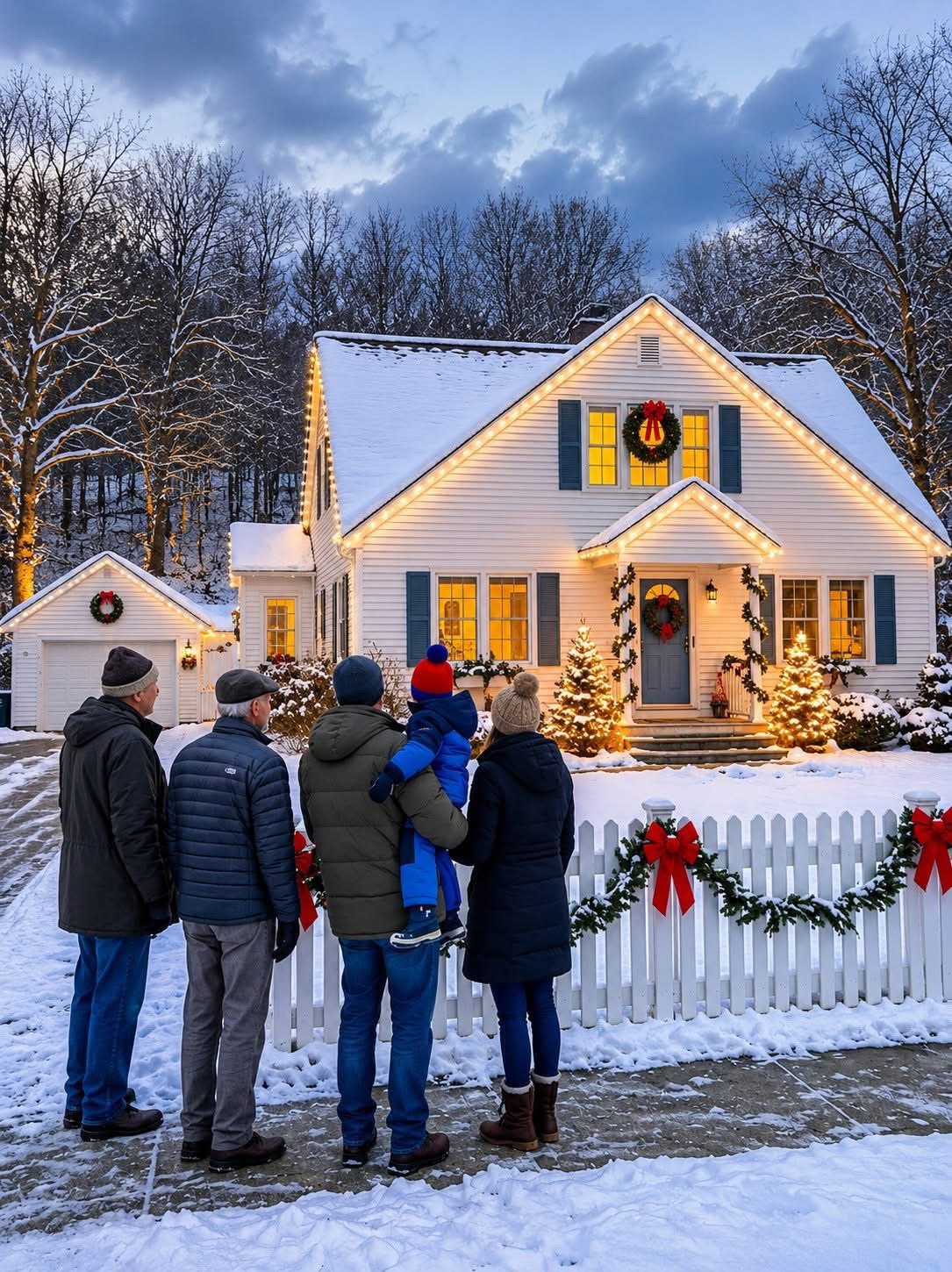
Posted on May 28, 2026 By admin No Comments on My dad didn’t invite me for Christmas, so I bought my own ranch. When they later showed up with a realtor—planning to sell my land for my brother—they thought I’d be powerless. They had no idea I had a JAG attorney on speed dial… and a sheriff who already knew exactly what was happening. Dad Cut Me Out of Christmas — Then Tried to Take My Ranch. He never expected the sheriff to reach the gate before he did. On Christmas Eve, I sat parked at the end of my father’s driveway, engine quiet, watching the house glow through the falling snow. Inside, shadows moved across the windows—my dad, my stepmother, my brother—all laughing like the evening was perfectly complete. Complete without me. Three days earlier, Dad had sent a group message: “Christmas dinner will be small this year. Everyone’s already aware of the plan.” Everyone except me. I called. Voicemail. I texted: “Flying in on the 23rd.” Silence. Then my stepmother added four cold little words: “Don’t take it personal.” Still, I drove through the storm, hoping it had been a misunderstanding. But from the driveway, the truth was obvious—no extra plate, no pause in the laughter, no one glancing toward the door. Just the cold realization that I was no longer part of the picture. That night, I sat alone in a roadside diner with a slice of pecan pie turning heavy in my mouth. Somewhere between the first bite and the last attempt to swallow, a decision settled inside me like stone: If I wasn’t welcome at someone else’s table, I would build a place where no one could decide whether I belonged. One week later, I stepped off a plane in Montana. I found a foreclosed ranch—weathered, quiet, surrounded by wide-open acres that didn’t care who loved me or who didn’t. I bought it in my own name. Changed every lock. Installed cameras at the gate and on the porch. Not because I was afraid. Because I had finally learned better. People change when property enters the conversation. The county sheriff stopped by to introduce himself. He looked over the security setup and said with a knowing half-smile: “Funny thing about land… it tends to bring people out of hiding.” He was right. Because weeks later—just before sunrise on a sharp, icy morning—my cameras lit up with alerts. Headlights. Three vehicles rolled up to my gate. My dad. My stepmother. My brother. And a realtor. Plus a locksmith unloading his tools. I didn’t hurry outside. I didn’t yell. I simply watched from my living room as the realtor pointed toward my home, my land, my fences, while my father spoke like everything in sight already belonged to them. And then, just as the locksmith knelt down to touch my gate… that’s when I… 👉 (I know you’re curious about the next part, so please be patient and read the continuation in the comments below. Thank you for understanding the inconvenience. Please leave a “YES” comment below and give us a Like to get the full story.) 👇
My dad didn’t invite me for Christmas, so I bought my own ranch. When they later showed up with a realtor—planning to sell my land for my brother—they thought I’d be powerless.  They had no idea I had a JAG attorney on speed dial… and a sheriff who already knew exactly what was happening.  Dad Cut Me Out of Christmas — Then Tried to Take My Ranch.  He never expected the sheriff to reach the gate before he did.  On Christmas Eve, I sat parked at the end of my father’s driveway, engine quiet, watching the house glow through the falling snow. Inside, shadows moved across the windows—my dad, my stepmother, my brother—all laughing like the evening was perfectly complete.  Complete without me.  Three days earlier, Dad had sent a group message:  “Christmas dinner will be small this year. Everyone’s already aware of the plan.”  Everyone except me.  I called. Voicemail.  I texted: “Flying in on the 23rd.”  Silence.  Then my stepmother added four cold little words:  “Don’t take it personal.”  Still, I drove through the storm, hoping it had been a misunderstanding. But from the driveway, the truth was obvious—no extra plate, no pause in the laughter, no one glancing toward the door.  Just the cold realization that I was no longer part of the picture.  That night, I sat alone in a roadside diner with a slice of pecan pie turning heavy in my mouth. Somewhere between the first bite and the last attempt to swallow, a decision settled inside me like stone:  If I wasn’t welcome at someone else’s table, I would build a place where no one could decide whether I belonged.  One week later, I stepped off a plane in Montana. I found a foreclosed ranch—weathered, quiet, surrounded by wide-open acres that didn’t care who loved me or who didn’t. I bought it in my own name. Changed every lock. Installed cameras at the gate and on the porch.  Not because I was afraid.  Because I had finally learned better.  People change when property enters the conversation.  The county sheriff stopped by to introduce himself. He looked over the security setup and said with a knowing half-smile:  “Funny thing about land… it tends to bring people out of hiding.”  He was right.  Because weeks later—just before sunrise on a sharp, icy morning—my cameras lit up with alerts.  Headlights.  Three vehicles rolled up to my gate.  My dad.  My stepmother.  My brother.  And a realtor.  Plus a locksmith unloading his tools.  I didn’t hurry outside. I didn’t yell.  I simply watched from my living room as the realtor pointed toward my home, my land, my fences, while my father spoke like everything in sight already belonged to them.  And then, just as the locksmith knelt down to touch my gate…  that’s when I…  👉 (I know you’re curious about the next part, so please be patient and read the continuation in the comments below. Thank you for understanding the inconvenience. Please leave a “YES” comment below and give us a Like to get the full story.) 👇

I stood outside my father’s house on Christmas Eve, watching him through the frosted window as he laughed and raised a glass of bourbon in toast to my brother, pretending I didn’t exist. My truck was parked at the end of the driveway with the headlights off and the engine silent, having driven two hours…

Read More “My dad didn’t invite me for Christmas, so I bought my own ranch. When they later showed up with a realtor—planning to sell my land for my brother—they thought I’d be powerless. They had no idea I had a JAG attorney on speed dial… and a sheriff who already knew exactly what was happening. Dad Cut Me Out of Christmas — Then Tried to Take My Ranch. He never expected the sheriff to reach the gate before he did. On Christmas Eve, I sat parked at the end of my father’s driveway, engine quiet, watching the house glow through the falling snow. Inside, shadows moved across the windows—my dad, my stepmother, my brother—all laughing like the evening was perfectly complete. Complete without me. Three days earlier, Dad had sent a group message: “Christmas dinner will be small this year. Everyone’s already aware of the plan.” Everyone except me. I called. Voicemail. I texted: “Flying in on the 23rd.” Silence. Then my stepmother added four cold little words: “Don’t take it personal.” Still, I drove through the storm, hoping it had been a misunderstanding. But from the driveway, the truth was obvious—no extra plate, no pause in the laughter, no one glancing toward the door. Just the cold realization that I was no longer part of the picture. That night, I sat alone in a roadside diner with a slice of pecan pie turning heavy in my mouth. Somewhere between the first bite and the last attempt to swallow, a decision settled inside me like stone: If I wasn’t welcome at someone else’s table, I would build a place where no one could decide whether I belonged. One week later, I stepped off a plane in Montana. I found a foreclosed ranch—weathered, quiet, surrounded by wide-open acres that didn’t care who loved me or who didn’t. I bought it in my own name. Changed every lock. Installed cameras at the gate and on the porch. Not because I was afraid. Because I had finally learned better. People change when property enters the conversation. The county sheriff stopped by to introduce himself. He looked over the security setup and said with a knowing half-smile: “Funny thing about land… it tends to bring people out of hiding.” He was right. Because weeks later—just before sunrise on a sharp, icy morning—my cameras lit up with alerts. Headlights. Three vehicles rolled up to my gate. My dad. My stepmother. My brother. And a realtor. Plus a locksmith unloading his tools. I didn’t hurry outside. I didn’t yell. I simply watched from my living room as the realtor pointed toward my home, my land, my fences, while my father spoke like everything in sight already belonged to them. And then, just as the locksmith knelt down to touch my gate… that’s when I… 👉 (I know you’re curious about the next part, so please be patient and read the continuation in the comments below. Thank you for understanding the inconvenience. Please leave a “YES” comment below and give us a Like to get the full story.) 👇” »

Uncategorized

On my husband’s deathbed, he didn’t ask for forgiveness. He didn’t ask me to remember him kindly. He asked for one thing: “Never go to Cypress Hollow.” The stroke had taken most of his voice. Machines hummed beside the bed, doing what his body no longer could. But when he said that name, his hand tightened around mine with a strength that didn’t belong to someone fading away. “Erase it,” he whispered. “Don’t ask questions. Don’t look into it. Just stay away.” Cypress Hollow was six hundred acres of swampy Arkansas land—trees, water, and isolation—something he’d bought decades earlier and always brushed off as a mistake. In forty-four years of marriage, he never once took me there. Said it wasn’t worth the drive. Said there was nothing to see. So at 3:17 a.m., in a hospital room that smelled like antiseptic and endings, I promised the man I loved that I would never go near it. Eight months later, I was alone in a small apartment in Memphis, buried under grief and paperwork. I closed accounts, donated clothes, packed away a lifetime. Everything… except one folder. Cypress Hollow. Twice a year, tax notices still came. $847.28. Land I had never seen. Land I had sworn to ignore. “Leave it alone,” I told myself. “You made a promise.” Then the phone rang. “Mrs. Whitmore?” a man said. “This is Sheriff Cooper from Cross County, Arkansas.” My stomach tightened. “I’m calling about your property—Cypress Hollow. We need you to come out here.” “I can’t,” I said quickly. “My husband made me promise—” “Ma’am,” he said gently, “there’s a woman living on that land. She says she knows you. And she’s not doing well.” The silence that followed felt heavier than anything I had carried since his death. Three hours later, I was driving down empty Arkansas roads, passing fields and trees that stretched forever, telling myself there had to be a mistake. Cameron had always said the place was abandoned. Then I took the final turn. An ambulance sat idling near the drive. Sheriff’s cars lined the road. And instead of decay, there was a white farmhouse. Fresh paint. Lace curtains. Smoke curling from the chimney like someone had been living there all along. The sheriff met me before I reached the steps. “She’s been asking for you,” he said quietly. “By name.” On the porch sat an elderly woman wrapped in a blanket, silver hair neatly brushed, her eyes sharp despite her condition. When she saw me, something in her expression broke. “Daisy,” she whispered. “You came.” “I’m sorry,” I said carefully. “Do we know each other?” She smiled—a tired, knowing kind of smile. “No,” she said. “You wouldn’t recognize me. But I’ve known you for over thirty years.” My chest tightened. “Your husband told me everything,” she continued. “About Memphis. About your life together. About… your daughter.” Every nerve in my body went cold. Then she said my daughter’s name—the one no one outside our family ever used. And in that moment, I understood something I wasn’t ready to face: Cypress Hollow wasn’t just land. It was a secret. And whatever my husband had hidden there… hadn’t been waiting by accident. 👇 Full story continues in the first comment…
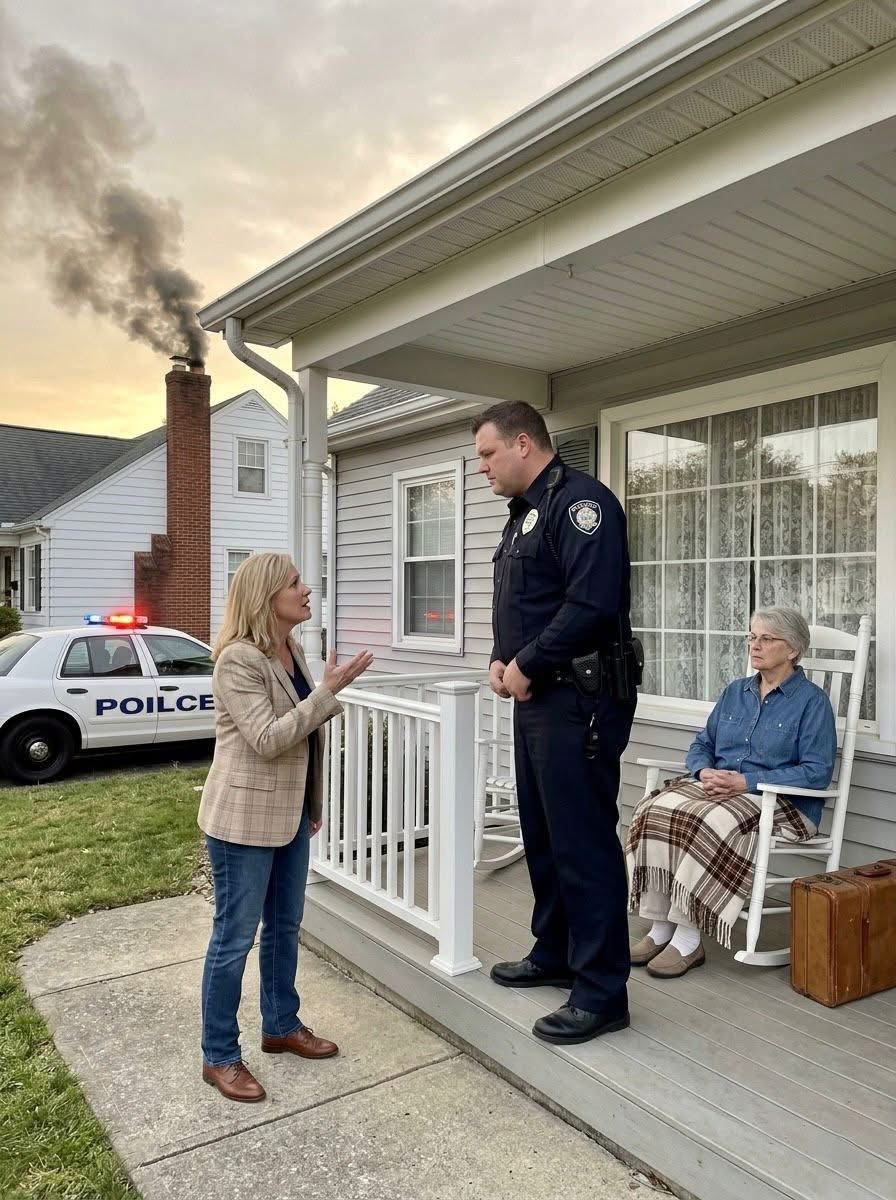
Posted on May 28, 2026 By admin No Comments on On my husband’s deathbed, he didn’t ask for forgiveness. He didn’t ask me to remember him kindly. He asked for one thing: “Never go to Cypress Hollow.” The stroke had taken most of his voice. Machines hummed beside the bed, doing what his body no longer could. But when he said that name, his hand tightened around mine with a strength that didn’t belong to someone fading away. “Erase it,” he whispered. “Don’t ask questions. Don’t look into it. Just stay away.” Cypress Hollow was six hundred acres of swampy Arkansas land—trees, water, and isolation—something he’d bought decades earlier and always brushed off as a mistake. In forty-four years of marriage, he never once took me there. Said it wasn’t worth the drive. Said there was nothing to see. So at 3:17 a.m., in a hospital room that smelled like antiseptic and endings, I promised the man I loved that I would never go near it. Eight months later, I was alone in a small apartment in Memphis, buried under grief and paperwork. I closed accounts, donated clothes, packed away a lifetime. Everything… except one folder. Cypress Hollow. Twice a year, tax notices still came. $847.28. Land I had never seen. Land I had sworn to ignore. “Leave it alone,” I told myself. “You made a promise.” Then the phone rang. “Mrs. Whitmore?” a man said. “This is Sheriff Cooper from Cross County, Arkansas.” My stomach tightened. “I’m calling about your property—Cypress Hollow. We need you to come out here.” “I can’t,” I said quickly. “My husband made me promise—” “Ma’am,” he said gently, “there’s a woman living on that land. She says she knows you. And she’s not doing well.” The silence that followed felt heavier than anything I had carried since his death. Three hours later, I was driving down empty Arkansas roads, passing fields and trees that stretched forever, telling myself there had to be a mistake. Cameron had always said the place was abandoned. Then I took the final turn. An ambulance sat idling near the drive. Sheriff’s cars lined the road. And instead of decay, there was a white farmhouse. Fresh paint. Lace curtains. Smoke curling from the chimney like someone had been living there all along. The sheriff met me before I reached the steps. “She’s been asking for you,” he said quietly. “By name.” On the porch sat an elderly woman wrapped in a blanket, silver hair neatly brushed, her eyes sharp despite her condition. When she saw me, something in her expression broke. “Daisy,” she whispered. “You came.” “I’m sorry,” I said carefully. “Do we know each other?” She smiled—a tired, knowing kind of smile. “No,” she said. “You wouldn’t recognize me. But I’ve known you for over thirty years.” My chest tightened. “Your husband told me everything,” she continued. “About Memphis. About your life together. About… your daughter.” Every nerve in my body went cold. Then she said my daughter’s name—the one no one outside our family ever used. And in that moment, I understood something I wasn’t ready to face: Cypress Hollow wasn’t just land. It was a secret. And whatever my husband had hidden there… hadn’t been waiting by accident. 👇 Full story continues in the first comment…
On my husband’s deathbed, he didn’t ask for forgiveness. He didn’t ask me to remember him kindly. He asked for one thing: “Never go to Cypress Hollow.”  The stroke had taken most of his voice. Machines hummed beside the bed, doing what his body no longer could. But when he said that name, his hand tightened around mine with a strength that didn’t belong to someone fading away.  “Erase it,” he whispered. “Don’t ask questions. Don’t look into it. Just stay away.”  Cypress Hollow was six hundred acres of swampy Arkansas land—trees, water, and isolation—something he’d bought decades earlier and always brushed off as a mistake. In forty-four years of marriage, he never once took me there. Said it wasn’t worth the drive. Said there was nothing to see.  So at 3:17 a.m., in a hospital room that smelled like antiseptic and endings, I promised the man I loved that I would never go near it.  Eight months later, I was alone in a small apartment in Memphis, buried under grief and paperwork. I closed accounts, donated clothes, packed away a lifetime.  Everything… except one folder.  Cypress Hollow.  Twice a year, tax notices still came. $847.28. Land I had never seen. Land I had sworn to ignore.  “Leave it alone,” I told myself. “You made a promise.”  Then the phone rang.  “Mrs. Whitmore?” a man said. “This is Sheriff Cooper from Cross County, Arkansas.”  My stomach tightened.  “I’m calling about your property—Cypress Hollow. We need you to come out here.”  “I can’t,” I said quickly. “My husband made me promise—”  “Ma’am,” he said gently, “there’s a woman living on that land. She says she knows you. And she’s not doing well.”  The silence that followed felt heavier than anything I had carried since his death.  Three hours later, I was driving down empty Arkansas roads, passing fields and trees that stretched forever, telling myself there had to be a mistake. Cameron had always said the place was abandoned.  Then I took the final turn.  An ambulance sat idling near the drive. Sheriff’s cars lined the road.  And instead of decay, there was a white farmhouse.  Fresh paint. Lace curtains. Smoke curling from the chimney like someone had been living there all along.  The sheriff met me before I reached the steps.  “She’s been asking for you,” he said quietly. “By name.”  On the porch sat an elderly woman wrapped in a blanket, silver hair neatly brushed, her eyes sharp despite her condition.  When she saw me, something in her expression broke.  “Daisy,” she whispered. “You came.”  “I’m sorry,” I said carefully. “Do we know each other?”  She smiled—a tired, knowing kind of smile.  “No,” she said. “You wouldn’t recognize me. But I’ve known you for over thirty years.”  My chest tightened.  “Your husband told me everything,” she continued. “About Memphis. About your life together. About… your daughter.”  Every nerve in my body went cold.  Then she said my daughter’s name—the one no one outside our family ever used.  And in that moment, I understood something I wasn’t ready to face:  Cypress Hollow wasn’t just land.  It was a secret.  And whatever my husband had hidden there… hadn’t been waiting by accident.  👇 Full story continues in the first comment…

The promise came with Cameron’s dying breath, whispered through lips that could barely form words after the massive stroke had stolen half his body and most of his voice. I leaned closer to his hospital bed, straining to hear over the mechanical symphony of life support machines that had become our constant companions for four…

Read More “On my husband’s deathbed, he didn’t ask for forgiveness. He didn’t ask me to remember him kindly. He asked for one thing: “Never go to Cypress Hollow.” The stroke had taken most of his voice. Machines hummed beside the bed, doing what his body no longer could. But when he said that name, his hand tightened around mine with a strength that didn’t belong to someone fading away. “Erase it,” he whispered. “Don’t ask questions. Don’t look into it. Just stay away.” Cypress Hollow was six hundred acres of swampy Arkansas land—trees, water, and isolation—something he’d bought decades earlier and always brushed off as a mistake. In forty-four years of marriage, he never once took me there. Said it wasn’t worth the drive. Said there was nothing to see. So at 3:17 a.m., in a hospital room that smelled like antiseptic and endings, I promised the man I loved that I would never go near it. Eight months later, I was alone in a small apartment in Memphis, buried under grief and paperwork. I closed accounts, donated clothes, packed away a lifetime. Everything… except one folder. Cypress Hollow. Twice a year, tax notices still came. $847.28. Land I had never seen. Land I had sworn to ignore. “Leave it alone,” I told myself. “You made a promise.” Then the phone rang. “Mrs. Whitmore?” a man said. “This is Sheriff Cooper from Cross County, Arkansas.” My stomach tightened. “I’m calling about your property—Cypress Hollow. We need you to come out here.” “I can’t,” I said quickly. “My husband made me promise—” “Ma’am,” he said gently, “there’s a woman living on that land. She says she knows you. And she’s not doing well.” The silence that followed felt heavier than anything I had carried since his death. Three hours later, I was driving down empty Arkansas roads, passing fields and trees that stretched forever, telling myself there had to be a mistake. Cameron had always said the place was abandoned. Then I took the final turn. An ambulance sat idling near the drive. Sheriff’s cars lined the road. And instead of decay, there was a white farmhouse. Fresh paint. Lace curtains. Smoke curling from the chimney like someone had been living there all along. The sheriff met me before I reached the steps. “She’s been asking for you,” he said quietly. “By name.” On the porch sat an elderly woman wrapped in a blanket, silver hair neatly brushed, her eyes sharp despite her condition. When she saw me, something in her expression broke. “Daisy,” she whispered. “You came.” “I’m sorry,” I said carefully. “Do we know each other?” She smiled—a tired, knowing kind of smile. “No,” she said. “You wouldn’t recognize me. But I’ve known you for over thirty years.” My chest tightened. “Your husband told me everything,” she continued. “About Memphis. About your life together. About… your daughter.” Every nerve in my body went cold. Then she said my daughter’s name—the one no one outside our family ever used. And in that moment, I understood something I wasn’t ready to face: Cypress Hollow wasn’t just land. It was a secret. And whatever my husband had hidden there… hadn’t been waiting by accident. 👇 Full story continues in the first comment…” »

Uncategorized

On the midnight of my 18th birthday, I quietly transferred my late father’s $45 million inheritance into a protected trust structure. Thank God I did, because the next morning my mother slid a manila folder across the marble kitchen island in our Pacific Palisades mansion and smiled: “Just sign, sweetheart.” My influencer half-sister was already planning a Porsche and a luxury brand launch with my money… but they had no idea I’d spent the night updating everything with my father’s attorney… I was 17 years old, living inside a mansion in a coastal neighborhood that looked perfect from the outside, but felt colder than any small apartment I had ever imagined. My mother smiled for charity luncheons. My stepfather talked like a successful venture capitalist. My half-sister Serena posed online as a rising lifestyle founder. Everyone around us saw glass walls, ocean views, imported marble, and money. But inside that house, I was not treated like a daughter. I was treated like someone connected to something valuable. My biological father had built his fortune in a major tech valley before he died. He left behind a trust for me, one that would become mine when I turned 18. It was worth $45 million. To everyone else in that house, that number was not my future. It was something they had already started planning around. Two weeks before my birthday, my mother canceled the only dinner I had asked for all year. Not because of an emergency. Not because she forgot. Because Serena needed the main floor and terrace for a skincare brand launch mixer. My birthday dinner was moved aside like an inconvenience. Serena barely looked up from her phone when she thanked me for being “flexible.” My mother praised me for being “practical.” They expected me to smile, stay quiet, and disappear back into my room. So I did. I had learned long ago that crying in that house only gave them another way to shape the situation. While Serena got the best bedroom, the praise, the cars, and the spotlight, I got the guest room near the laundry area and a quiet role in the background. I studied data science. I kept my grades high. I stayed out of their way. They thought I was weak because I was silent. They never understood I was paying attention. Then one afternoon, I came home early and saw my stepfather’s tablet sitting on the kitchen island. A message flashed across the screen. It was from an estate attorney, with a subject line about a capital execution draft. Paul was my father’s name. I opened the file. Forty-two pages. By the time I finished reading, my hands were still steady, but something inside me had gone completely cold. The document was designed to move 80% of my inheritance into a new family holding company. My stepfather would oversee it. My mother would help manage the structure. Serena’s struggling brand would receive funding from it. My stepfather’s struggling tech business would rely on my father’s legacy for support. They were not planning a family discussion. They were planning major financial changes around money that belonged to me. At dinner that night, they sat across from me as if nothing had changed. Serena complained about needing more capital. My stepfather smiled and said the family would soon have all the support she needed. My mother told me to keep my head down and let them handle the complicated things. I looked at all three of them and realized the truth. They had been unusually kind to me because they were waiting for me to become old enough to sign documents. So I did not confront them. I photographed every page. I saved every timestamp. I took the information to the one man my father had trusted before he died: Elias Thorne. He read the documents in silence. Then he told me exactly what they were. A serious mistake waiting to happen. On the night before my 18th birthday, while everyone else in that mansion slept, I sat alone in my room with my laptop open. At 12:01 a.m., the moment I was legally old enough, I transferred every dollar of my inheritance into a protected corporate trust. By morning, they were waiting for me at the kitchen island. A birthday pastry sat beside a thick manila folder. My mother smiled and said, “We need to talk about that money.” My stepfather placed a cheap blue pen beside the papers and told me to sign where the tabs were. I did not shout. I did not cry. I opened the folder, read page after page, and let the silence make them nervous. Then I placed my phone on the granite counter, tapped the speaker button, and said calmly: “Mr. Thorne, you’re on speaker.” The room went silent. And when the voice on the phone explained what had happened at 12:04 that morning, my stepfather’s face lost all color. READ THE FULL STORY IN THE 1ST COMMENT BELOW 👇👇👇

Posted on May 28, 2026 By admin No Comments on On the midnight of my 18th birthday, I quietly transferred my late father’s $45 million inheritance into a protected trust structure. Thank God I did, because the next morning my mother slid a manila folder across the marble kitchen island in our Pacific Palisades mansion and smiled: “Just sign, sweetheart.” My influencer half-sister was already planning a Porsche and a luxury brand launch with my money… but they had no idea I’d spent the night updating everything with my father’s attorney… I was 17 years old, living inside a mansion in a coastal neighborhood that looked perfect from the outside, but felt colder than any small apartment I had ever imagined. My mother smiled for charity luncheons. My stepfather talked like a successful venture capitalist. My half-sister Serena posed online as a rising lifestyle founder. Everyone around us saw glass walls, ocean views, imported marble, and money. But inside that house, I was not treated like a daughter. I was treated like someone connected to something valuable. My biological father had built his fortune in a major tech valley before he died. He left behind a trust for me, one that would become mine when I turned 18. It was worth $45 million. To everyone else in that house, that number was not my future. It was something they had already started planning around. Two weeks before my birthday, my mother canceled the only dinner I had asked for all year. Not because of an emergency. Not because she forgot. Because Serena needed the main floor and terrace for a skincare brand launch mixer. My birthday dinner was moved aside like an inconvenience. Serena barely looked up from her phone when she thanked me for being “flexible.” My mother praised me for being “practical.” They expected me to smile, stay quiet, and disappear back into my room. So I did. I had learned long ago that crying in that house only gave them another way to shape the situation. While Serena got the best bedroom, the praise, the cars, and the spotlight, I got the guest room near the laundry area and a quiet role in the background. I studied data science. I kept my grades high. I stayed out of their way. They thought I was weak because I was silent. They never understood I was paying attention. Then one afternoon, I came home early and saw my stepfather’s tablet sitting on the kitchen island. A message flashed across the screen. It was from an estate attorney, with a subject line about a capital execution draft. Paul was my father’s name. I opened the file. Forty-two pages. By the time I finished reading, my hands were still steady, but something inside me had gone completely cold. The document was designed to move 80% of my inheritance into a new family holding company. My stepfather would oversee it. My mother would help manage the structure. Serena’s struggling brand would receive funding from it. My stepfather’s struggling tech business would rely on my father’s legacy for support. They were not planning a family discussion. They were planning major financial changes around money that belonged to me. At dinner that night, they sat across from me as if nothing had changed. Serena complained about needing more capital. My stepfather smiled and said the family would soon have all the support she needed. My mother told me to keep my head down and let them handle the complicated things. I looked at all three of them and realized the truth. They had been unusually kind to me because they were waiting for me to become old enough to sign documents. So I did not confront them. I photographed every page. I saved every timestamp. I took the information to the one man my father had trusted before he died: Elias Thorne. He read the documents in silence. Then he told me exactly what they were. A serious mistake waiting to happen. On the night before my 18th birthday, while everyone else in that mansion slept, I sat alone in my room with my laptop open. At 12:01 a.m., the moment I was legally old enough, I transferred every dollar of my inheritance into a protected corporate trust. By morning, they were waiting for me at the kitchen island. A birthday pastry sat beside a thick manila folder. My mother smiled and said, “We need to talk about that money.” My stepfather placed a cheap blue pen beside the papers and told me to sign where the tabs were. I did not shout. I did not cry. I opened the folder, read page after page, and let the silence make them nervous. Then I placed my phone on the granite counter, tapped the speaker button, and said calmly: “Mr. Thorne, you’re on speaker.” The room went silent. And when the voice on the phone explained what had happened at 12:04 that morning, my stepfather’s face lost all color. READ THE FULL STORY IN THE 1ST COMMENT BELOW 👇👇👇
On the midnight of my 18th birthday, I quietly transferred my late father’s $45 million inheritance into a protected trust structure. Thank God I did, because the next morning my mother slid a manila folder across the marble kitchen island in our Pacific Palisades mansion and smiled: “Just sign, sweetheart.” My influencer half-sister was already planning a Porsche and a luxury brand launch with my money… but they had no idea I’d spent the night updating everything with my father’s attorney… I was 17 years old, living inside a mansion in a coastal neighborhood that looked perfect from the outside, but felt colder than any small apartment I had ever imagined. My mother smiled for charity luncheons. My stepfather talked like a successful venture capitalist. My half-sister Serena posed online as a rising lifestyle founder. Everyone around us saw glass walls, ocean views, imported marble, and money. But inside that house, I was not treated like a daughter. I was treated like someone connected to something valuable. My biological father had built his fortune in a major tech valley before he died. He left behind a trust for me, one that would become mine when I turned 18. It was worth $45 million. To everyone else in that house, that number was not my future. It was something they had already started planning around.  Two weeks before my birthday, my mother canceled the only dinner I had asked for all year. Not because of an emergency. Not because she forgot. Because Serena needed the main floor and terrace for a skincare brand launch mixer. My birthday dinner was moved aside like an inconvenience. Serena barely looked up from her phone when she thanked me for being “flexible.” My mother praised me for being “practical.” They expected me to smile, stay quiet, and disappear back into my room. So I did. I had learned long ago that crying in that house only gave them another way to shape the situation. While Serena got the best bedroom, the praise, the cars, and the spotlight, I got the guest room near the laundry area and a quiet role in the background. I studied data science. I kept my grades high. I stayed out of their way. They thought I was weak because I was silent. They never understood I was paying attention. Then one afternoon, I came home early and saw my stepfather’s tablet sitting on the kitchen island. A message flashed across the screen. It was from an estate attorney, with a subject line about a capital execution draft. Paul was my father’s name. I opened the file. Forty-two pages. By the time I finished reading, my hands were still steady, but something inside me had gone completely cold.  The document was designed to move 80% of my inheritance into a new family holding company. My stepfather would oversee it. My mother would help manage the structure. Serena’s struggling brand would receive funding from it. My stepfather’s struggling tech business would rely on my father’s legacy for support. They were not planning a family discussion. They were planning major financial changes around money that belonged to me. At dinner that night, they sat across from me as if nothing had changed. Serena complained about needing more capital. My stepfather smiled and said the family would soon have all the support she needed. My mother told me to keep my head down and let them handle the complicated things. I looked at all three of them and realized the truth. They had been unusually kind to me because they were waiting for me to become old enough to sign documents. So I did not confront them. I photographed every page. I saved every timestamp. I took the information to the one man my father had trusted before he died: Elias Thorne. He read the documents in silence. Then he told me exactly what they were. A serious mistake waiting to happen. On the night before my 18th birthday, while everyone else in that mansion slept, I sat alone in my room with my laptop open.  At 12:01 a.m., the moment I was legally old enough, I transferred every dollar of my inheritance into a protected corporate trust. By morning, they were waiting for me at the kitchen island. A birthday pastry sat beside a thick manila folder. My mother smiled and said, “We need to talk about that money.” My stepfather placed a cheap blue pen beside the papers and told me to sign where the tabs were. I did not shout. I did not cry. I opened the folder, read page after page, and let the silence make them nervous. Then I placed my phone on the granite counter, tapped the speaker button, and said calmly: “Mr. Thorne, you’re on speaker.” The room went silent. And when the voice on the phone explained what had happened at 12:04 that morning, my stepfather’s face lost all color.  READ THE FULL STORY IN THE 1ST COMMENT BELOW 👇👇👇

The night before my eighteenth birthday, I sat alone in a guest room near the laundry and watched a clock. Not with fear. Not anymore. With the particular stillness of someone who has been waiting a long time for a specific moment and can finally see it from close enough to count the minutes. My…

Read More “On the midnight of my 18th birthday, I quietly transferred my late father’s $45 million inheritance into a protected trust structure. Thank God I did, because the next morning my mother slid a manila folder across the marble kitchen island in our Pacific Palisades mansion and smiled: “Just sign, sweetheart.” My influencer half-sister was already planning a Porsche and a luxury brand launch with my money… but they had no idea I’d spent the night updating everything with my father’s attorney… I was 17 years old, living inside a mansion in a coastal neighborhood that looked perfect from the outside, but felt colder than any small apartment I had ever imagined. My mother smiled for charity luncheons. My stepfather talked like a successful venture capitalist. My half-sister Serena posed online as a rising lifestyle founder. Everyone around us saw glass walls, ocean views, imported marble, and money. But inside that house, I was not treated like a daughter. I was treated like someone connected to something valuable. My biological father had built his fortune in a major tech valley before he died. He left behind a trust for me, one that would become mine when I turned 18. It was worth $45 million. To everyone else in that house, that number was not my future. It was something they had already started planning around. Two weeks before my birthday, my mother canceled the only dinner I had asked for all year. Not because of an emergency. Not because she forgot. Because Serena needed the main floor and terrace for a skincare brand launch mixer. My birthday dinner was moved aside like an inconvenience. Serena barely looked up from her phone when she thanked me for being “flexible.” My mother praised me for being “practical.” They expected me to smile, stay quiet, and disappear back into my room. So I did. I had learned long ago that crying in that house only gave them another way to shape the situation. While Serena got the best bedroom, the praise, the cars, and the spotlight, I got the guest room near the laundry area and a quiet role in the background. I studied data science. I kept my grades high. I stayed out of their way. They thought I was weak because I was silent. They never understood I was paying attention. Then one afternoon, I came home early and saw my stepfather’s tablet sitting on the kitchen island. A message flashed across the screen. It was from an estate attorney, with a subject line about a capital execution draft. Paul was my father’s name. I opened the file. Forty-two pages. By the time I finished reading, my hands were still steady, but something inside me had gone completely cold. The document was designed to move 80% of my inheritance into a new family holding company. My stepfather would oversee it. My mother would help manage the structure. Serena’s struggling brand would receive funding from it. My stepfather’s struggling tech business would rely on my father’s legacy for support. They were not planning a family discussion. They were planning major financial changes around money that belonged to me. At dinner that night, they sat across from me as if nothing had changed. Serena complained about needing more capital. My stepfather smiled and said the family would soon have all the support she needed. My mother told me to keep my head down and let them handle the complicated things. I looked at all three of them and realized the truth. They had been unusually kind to me because they were waiting for me to become old enough to sign documents. So I did not confront them. I photographed every page. I saved every timestamp. I took the information to the one man my father had trusted before he died: Elias Thorne. He read the documents in silence. Then he told me exactly what they were. A serious mistake waiting to happen. On the night before my 18th birthday, while everyone else in that mansion slept, I sat alone in my room with my laptop open. At 12:01 a.m., the moment I was legally old enough, I transferred every dollar of my inheritance into a protected corporate trust. By morning, they were waiting for me at the kitchen island. A birthday pastry sat beside a thick manila folder. My mother smiled and said, “We need to talk about that money.” My stepfather placed a cheap blue pen beside the papers and told me to sign where the tabs were. I did not shout. I did not cry. I opened the folder, read page after page, and let the silence make them nervous. Then I placed my phone on the granite counter, tapped the speaker button, and said calmly: “Mr. Thorne, you’re on speaker.” The room went silent. And when the voice on the phone explained what had happened at 12:04 that morning, my stepfather’s face lost all color. READ THE FULL STORY IN THE 1ST COMMENT BELOW 👇👇👇” »

Uncategorized

My sister screamed that I was ruining her $4,200 birthday dinner, my father slapped me in the middle of my own Charleston restaurant and told me to leave, and I probably would have walked straight into the night if the head chef hadn’t stepped out of the kitchen, stopped beside Table 12, and asked one question that made the entire room forget whose birthday it was. Friday night service at Lark and Laurel begins long before the first guest ever walks in. By 5:15, I was doing what I always do—checking candles, adjusting menus, pretending I wasn’t anxious about things I had already controlled. Then I saw the reservation. Table 12. 7:30. Party of six. Carter. Sutton’s birthday. My last name. My sister’s name. In my restaurant. I called my business partner, Nina, and told her my family had somehow booked a dinner at the place they had never once asked about. Not when I moved to Charleston. Not when the feature article came out. Not when the waitlist stretched to six weeks. “Stay in the kitchen,” she said. I didn’t. That was my mistake. I changed into a black dress in my office so I could pass as a guest instead of the woman who had spent three years building that space from a gutted warehouse, sleepless payroll nights, and one recipe my mother had taught me before she passed. My father was already seated at the head of the table when I stepped out. Of course he was. Frank Carter, navy blazer, sitting like the room belonged to him simply because someone had pulled out his chair. Sutton glowed beside him, phone in hand, already posing for pictures that hadn’t even been taken yet. There was one empty seat. At the end. Slightly off to the side. There is always a seat like that—for the daughter no one plans around. The first twenty minutes unfolded the same way they always did. Sutton was the center, everyone else faded into the background, and I was expected to smile like that counted as participation. She ordered champagne “for fun.” My father raised a toast “to the daughter who always makes him proud.” One of Sutton’s friends asked what I was doing these days, and before I could answer, Sutton laughed. “She’s a cook somewhere downtown,” she said. “She’s always had that little food thing.” The food thing. Not the restaurant. Not the business. Not the menu I had rewritten dozens of times. Not the staff whose rent depended on my decisions. Just… the food thing. Then the entrées arrived. Sutton ordered the Laurel—the signature dish, built from my mother’s old crawfish étouffée recipe, refined over years until critics wrote about it like it meant something. She took one bite and closed her eyes. “Oh my God. This is amazing.” My father leaned over, took a forkful, chewed, and nodded. “Not bad.” I should have let it go. Instead, I gave her the birthday gift I had wrapped myself between prep and poor judgment. A leather recipe journal. On the first page, in careful handwriting, I had copied our mother’s recipe so she could have one piece of her that didn’t live only in memory. She opened it. Looked down. “You got me a notebook?” “It’s Mom’s recipe,” I said quietly. “The Sunday one.” She placed it beside her designer bag like it didn’t matter. “I don’t cook, Elise.” A minute later, one of her friends said the dish was the best thing she had ever tasted. And before I could stop myself, I said, “It’s a family recipe.” That was enough. Sutton dropped her fork and looked at me like I had crossed a line. “Can you not do this for one night?” she snapped. “It’s my birthday.” “I was just talking about the dish—” “You always do this,” she said, louder now. “You make everything about you.” Nearby tables started to go quiet. My father’s hand flattened against the table. “Elise,” he said. “Drop it.” I should have. I know that now. But after years of being the daughter at the edge of the frame, I heard myself say, “I just thought she should know where it came from.” That’s when Sutton shouted it. “You’re ruining my birthday!” And before I could even turn toward him, my father stood, leaned across the table, and slapped me hard enough for the entire room to hear. Then he pointed toward the door. “Get out. Now.” No one moved. Not my sister. Not her friends. Not the guests pretending not to stare. I sat there, heat spreading across my cheek, one clear thought cutting through everything: I had been walking into this same room my whole life… and the door had never really been open. Then the kitchen door swung wide. My head chef stepped onto the floor in full whites, crossed the dining room without hesitation, stopped beside my chair… and bowed. Then he said, clearly enough for every table to hear: “Ms. Carter… should I cancel their reservation?” 👇 Full story continues in the first comment…
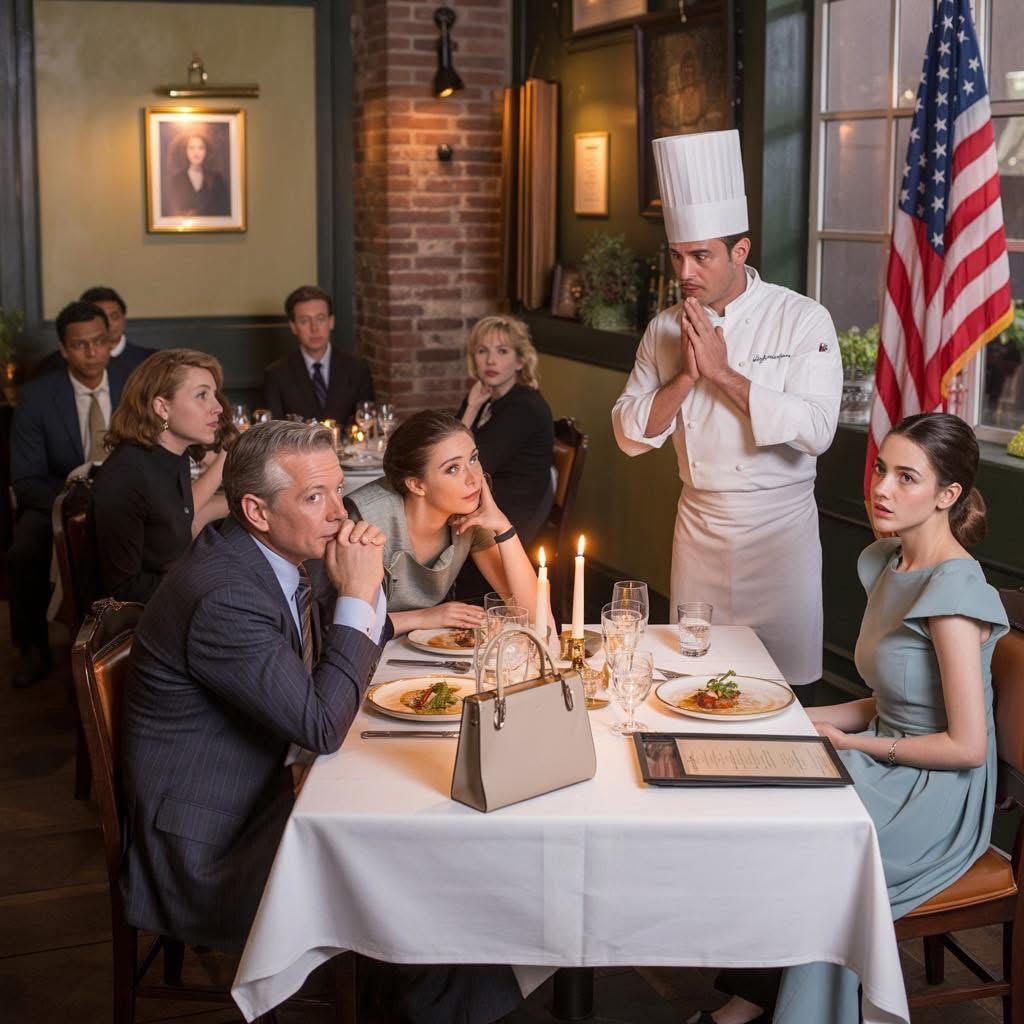
Posted on May 28, 2026 By admin No Comments on My sister screamed that I was ruining her $4,200 birthday dinner, my father slapped me in the middle of my own Charleston restaurant and told me to leave, and I probably would have walked straight into the night if the head chef hadn’t stepped out of the kitchen, stopped beside Table 12, and asked one question that made the entire room forget whose birthday it was. Friday night service at Lark and Laurel begins long before the first guest ever walks in. By 5:15, I was doing what I always do—checking candles, adjusting menus, pretending I wasn’t anxious about things I had already controlled. Then I saw the reservation. Table 12. 7:30. Party of six. Carter. Sutton’s birthday. My last name. My sister’s name. In my restaurant. I called my business partner, Nina, and told her my family had somehow booked a dinner at the place they had never once asked about. Not when I moved to Charleston. Not when the feature article came out. Not when the waitlist stretched to six weeks. “Stay in the kitchen,” she said. I didn’t. That was my mistake. I changed into a black dress in my office so I could pass as a guest instead of the woman who had spent three years building that space from a gutted warehouse, sleepless payroll nights, and one recipe my mother had taught me before she passed. My father was already seated at the head of the table when I stepped out. Of course he was. Frank Carter, navy blazer, sitting like the room belonged to him simply because someone had pulled out his chair. Sutton glowed beside him, phone in hand, already posing for pictures that hadn’t even been taken yet. There was one empty seat. At the end. Slightly off to the side. There is always a seat like that—for the daughter no one plans around. The first twenty minutes unfolded the same way they always did. Sutton was the center, everyone else faded into the background, and I was expected to smile like that counted as participation. She ordered champagne “for fun.” My father raised a toast “to the daughter who always makes him proud.” One of Sutton’s friends asked what I was doing these days, and before I could answer, Sutton laughed. “She’s a cook somewhere downtown,” she said. “She’s always had that little food thing.” The food thing. Not the restaurant. Not the business. Not the menu I had rewritten dozens of times. Not the staff whose rent depended on my decisions. Just… the food thing. Then the entrées arrived. Sutton ordered the Laurel—the signature dish, built from my mother’s old crawfish étouffée recipe, refined over years until critics wrote about it like it meant something. She took one bite and closed her eyes. “Oh my God. This is amazing.” My father leaned over, took a forkful, chewed, and nodded. “Not bad.” I should have let it go. Instead, I gave her the birthday gift I had wrapped myself between prep and poor judgment. A leather recipe journal. On the first page, in careful handwriting, I had copied our mother’s recipe so she could have one piece of her that didn’t live only in memory. She opened it. Looked down. “You got me a notebook?” “It’s Mom’s recipe,” I said quietly. “The Sunday one.” She placed it beside her designer bag like it didn’t matter. “I don’t cook, Elise.” A minute later, one of her friends said the dish was the best thing she had ever tasted. And before I could stop myself, I said, “It’s a family recipe.” That was enough. Sutton dropped her fork and looked at me like I had crossed a line. “Can you not do this for one night?” she snapped. “It’s my birthday.” “I was just talking about the dish—” “You always do this,” she said, louder now. “You make everything about you.” Nearby tables started to go quiet. My father’s hand flattened against the table. “Elise,” he said. “Drop it.” I should have. I know that now. But after years of being the daughter at the edge of the frame, I heard myself say, “I just thought she should know where it came from.” That’s when Sutton shouted it. “You’re ruining my birthday!” And before I could even turn toward him, my father stood, leaned across the table, and slapped me hard enough for the entire room to hear. Then he pointed toward the door. “Get out. Now.” No one moved. Not my sister. Not her friends. Not the guests pretending not to stare. I sat there, heat spreading across my cheek, one clear thought cutting through everything: I had been walking into this same room my whole life… and the door had never really been open. Then the kitchen door swung wide. My head chef stepped onto the floor in full whites, crossed the dining room without hesitation, stopped beside my chair… and bowed. Then he said, clearly enough for every table to hear: “Ms. Carter… should I cancel their reservation?” 👇 Full story continues in the first comment…
My sister screamed that I was ruining her $4,200 birthday dinner, my father slapped me in the middle of my own Charleston restaurant and told me to leave, and I probably would have walked straight into the night if the head chef hadn’t stepped out of the kitchen, stopped beside Table 12, and asked one question that made the entire room forget whose birthday it was.  Friday night service at Lark and Laurel begins long before the first guest ever walks in.  By 5:15, I was doing what I always do—checking candles, adjusting menus, pretending I wasn’t anxious about things I had already controlled.  Then I saw the reservation.  Table 12. 7:30. Party of six. Carter. Sutton’s birthday.  My last name. My sister’s name. In my restaurant.  I called my business partner, Nina, and told her my family had somehow booked a dinner at the place they had never once asked about. Not when I moved to Charleston. Not when the feature article came out. Not when the waitlist stretched to six weeks.  “Stay in the kitchen,” she said.  I didn’t.  That was my mistake.  I changed into a black dress in my office so I could pass as a guest instead of the woman who had spent three years building that space from a gutted warehouse, sleepless payroll nights, and one recipe my mother had taught me before she passed.  My father was already seated at the head of the table when I stepped out.  Of course he was.  Frank Carter, navy blazer, sitting like the room belonged to him simply because someone had pulled out his chair. Sutton glowed beside him, phone in hand, already posing for pictures that hadn’t even been taken yet.  There was one empty seat. At the end. Slightly off to the side.  There is always a seat like that—for the daughter no one plans around.  The first twenty minutes unfolded the same way they always did. Sutton was the center, everyone else faded into the background, and I was expected to smile like that counted as participation.  She ordered champagne “for fun.” My father raised a toast “to the daughter who always makes him proud.” One of Sutton’s friends asked what I was doing these days, and before I could answer, Sutton laughed.  “She’s a cook somewhere downtown,” she said. “She’s always had that little food thing.”  The food thing.  Not the restaurant. Not the business. Not the menu I had rewritten dozens of times. Not the staff whose rent depended on my decisions.  Just… the food thing.  Then the entrées arrived.  Sutton ordered the Laurel—the signature dish, built from my mother’s old crawfish étouffée recipe, refined over years until critics wrote about it like it meant something.  She took one bite and closed her eyes.  “Oh my God. This is amazing.”  My father leaned over, took a forkful, chewed, and nodded.  “Not bad.”  I should have let it go.  Instead, I gave her the birthday gift I had wrapped myself between prep and poor judgment.  A leather recipe journal. On the first page, in careful handwriting, I had copied our mother’s recipe so she could have one piece of her that didn’t live only in memory.  She opened it. Looked down.  “You got me a notebook?”  “It’s Mom’s recipe,” I said quietly. “The Sunday one.”  She placed it beside her designer bag like it didn’t matter.  “I don’t cook, Elise.”  A minute later, one of her friends said the dish was the best thing she had ever tasted.  And before I could stop myself, I said, “It’s a family recipe.”  That was enough.  Sutton dropped her fork and looked at me like I had crossed a line.  “Can you not do this for one night?” she snapped. “It’s my birthday.”  “I was just talking about the dish—”  “You always do this,” she said, louder now. “You make everything about you.”  Nearby tables started to go quiet.  My father’s hand flattened against the table.  “Elise,” he said. “Drop it.”  I should have.  I know that now.  But after years of being the daughter at the edge of the frame, I heard myself say,  “I just thought she should know where it came from.”  That’s when Sutton shouted it.  “You’re ruining my birthday!”  And before I could even turn toward him, my father stood, leaned across the table, and slapped me hard enough for the entire room to hear.  Then he pointed toward the door.  “Get out. Now.”  No one moved.  Not my sister. Not her friends. Not the guests pretending not to stare.  I sat there, heat spreading across my cheek, one clear thought cutting through everything:  I had been walking into this same room my whole life… and the door had never really been open.  Then the kitchen door swung wide.  My head chef stepped onto the floor in full whites, crossed the dining room without hesitation, stopped beside my chair… and bowed.  Then he said, clearly enough for every table to hear:  “Ms. Carter… should I cancel their reservation?”  👇 Full story continues in the first comment…

Here is something nobody tells you about building a restaurant from nothing: the hardest ingredient is not money, and it is not location, and it is not the menu, though the menu will cost you more sleep than any of those things combined. The hardest ingredient is knowing who to let into your kitchen. My…

Read More “My sister screamed that I was ruining her $4,200 birthday dinner, my father slapped me in the middle of my own Charleston restaurant and told me to leave, and I probably would have walked straight into the night if the head chef hadn’t stepped out of the kitchen, stopped beside Table 12, and asked one question that made the entire room forget whose birthday it was. Friday night service at Lark and Laurel begins long before the first guest ever walks in. By 5:15, I was doing what I always do—checking candles, adjusting menus, pretending I wasn’t anxious about things I had already controlled. Then I saw the reservation. Table 12. 7:30. Party of six. Carter. Sutton’s birthday. My last name. My sister’s name. In my restaurant. I called my business partner, Nina, and told her my family had somehow booked a dinner at the place they had never once asked about. Not when I moved to Charleston. Not when the feature article came out. Not when the waitlist stretched to six weeks. “Stay in the kitchen,” she said. I didn’t. That was my mistake. I changed into a black dress in my office so I could pass as a guest instead of the woman who had spent three years building that space from a gutted warehouse, sleepless payroll nights, and one recipe my mother had taught me before she passed. My father was already seated at the head of the table when I stepped out. Of course he was. Frank Carter, navy blazer, sitting like the room belonged to him simply because someone had pulled out his chair. Sutton glowed beside him, phone in hand, already posing for pictures that hadn’t even been taken yet. There was one empty seat. At the end. Slightly off to the side. There is always a seat like that—for the daughter no one plans around. The first twenty minutes unfolded the same way they always did. Sutton was the center, everyone else faded into the background, and I was expected to smile like that counted as participation. She ordered champagne “for fun.” My father raised a toast “to the daughter who always makes him proud.” One of Sutton’s friends asked what I was doing these days, and before I could answer, Sutton laughed. “She’s a cook somewhere downtown,” she said. “She’s always had that little food thing.” The food thing. Not the restaurant. Not the business. Not the menu I had rewritten dozens of times. Not the staff whose rent depended on my decisions. Just… the food thing. Then the entrées arrived. Sutton ordered the Laurel—the signature dish, built from my mother’s old crawfish étouffée recipe, refined over years until critics wrote about it like it meant something. She took one bite and closed her eyes. “Oh my God. This is amazing.” My father leaned over, took a forkful, chewed, and nodded. “Not bad.” I should have let it go. Instead, I gave her the birthday gift I had wrapped myself between prep and poor judgment. A leather recipe journal. On the first page, in careful handwriting, I had copied our mother’s recipe so she could have one piece of her that didn’t live only in memory. She opened it. Looked down. “You got me a notebook?” “It’s Mom’s recipe,” I said quietly. “The Sunday one.” She placed it beside her designer bag like it didn’t matter. “I don’t cook, Elise.” A minute later, one of her friends said the dish was the best thing she had ever tasted. And before I could stop myself, I said, “It’s a family recipe.” That was enough. Sutton dropped her fork and looked at me like I had crossed a line. “Can you not do this for one night?” she snapped. “It’s my birthday.” “I was just talking about the dish—” “You always do this,” she said, louder now. “You make everything about you.” Nearby tables started to go quiet. My father’s hand flattened against the table. “Elise,” he said. “Drop it.” I should have. I know that now. But after years of being the daughter at the edge of the frame, I heard myself say, “I just thought she should know where it came from.” That’s when Sutton shouted it. “You’re ruining my birthday!” And before I could even turn toward him, my father stood, leaned across the table, and slapped me hard enough for the entire room to hear. Then he pointed toward the door. “Get out. Now.” No one moved. Not my sister. Not her friends. Not the guests pretending not to stare. I sat there, heat spreading across my cheek, one clear thought cutting through everything: I had been walking into this same room my whole life… and the door had never really been open. Then the kitchen door swung wide. My head chef stepped onto the floor in full whites, crossed the dining room without hesitation, stopped beside my chair… and bowed. Then he said, clearly enough for every table to hear: “Ms. Carter… should I cancel their reservation?” 👇 Full story continues in the first comment…” »

Uncategorized

At my mother’s funeral, the dad who threw me out pregnant at sixteen smirked at my Navy dress blues and hissed, “So you finally learned your lesson,” expecting me to shrink, until I held his stare, said one quiet sentence, and my husband stepped forward in a way that made my father’s smile collapse. My name is Olivia Hail, and the last time my father looked me in the eye, he told me I was dead to him. Twenty years later, I stood beside my mother’s casket in a small Midwestern church, my ribbons neat, my jaw locked, my heart doing its best not to splinter. People I hadn’t seen since tenth grade kept sneaking glances at the uniform like it was a myth come to life. The room smelled like lilies and old coffee, and every whisper felt like it skimmed my neck. Dad stayed across the aisle, arms folded, as if grief were a contest he intended to dominate. When I arrived that morning, I found the daisies she loved drooping against the church steps. I touched the casket, whispered, “I’m here, Mom,” and felt my throat tighten. My father watched like a referee. My husband stayed just behind me, quiet, steady, ready for whatever came. I was sixteen when two pink lines rewrote everything. Matthew disappeared within a week, and I still remember my father’s chair scraping back when I finally said, “I’m pregnant.” He didn’t yell at first; he went quiet, the dangerous kind of quiet; then he pointed at the door and said, “If you walk out, don’t come back.” I walked into the cold with a backpack and a shaking hand over my stomach, sitting under flickering station lights until morning. Shame followed me everywhere, but so did something unyielding. I promised that baby I would build a life no one could strip away. A widowed librarian named Irene gave me a basement room and tea that tasted like shelter. She watched my daughter when I left for basic training, telling me, “Go earn the future they said you couldn’t.” Boot camp was brutal, but it was honest: you either stood up or you fell. I learned logistics, earned promotions, and came home on leave to sticky hugs and a little voice calling, “Mom!” Eventually I met the man who became my husband, steady hands, steady eyes, the kind of love that doesn’t punish you for surviving. Now, after the service, Dad finally crossed the fellowship hall and stopped inches from my shoulder. His aftershave was the same as my childhood, and his smile was the same too. He leaned in and whispered, “So you finally learned your lesson.” I looked at him, calm as a still tide, and said, “No, I finally learned who you are.” Then I turned slightly and said, “Yeah… meet my husband.” My father’s gaze slid past me, locked onto the man beside me, and his face emptied as a hand reached toward his. Full story in the first comment……
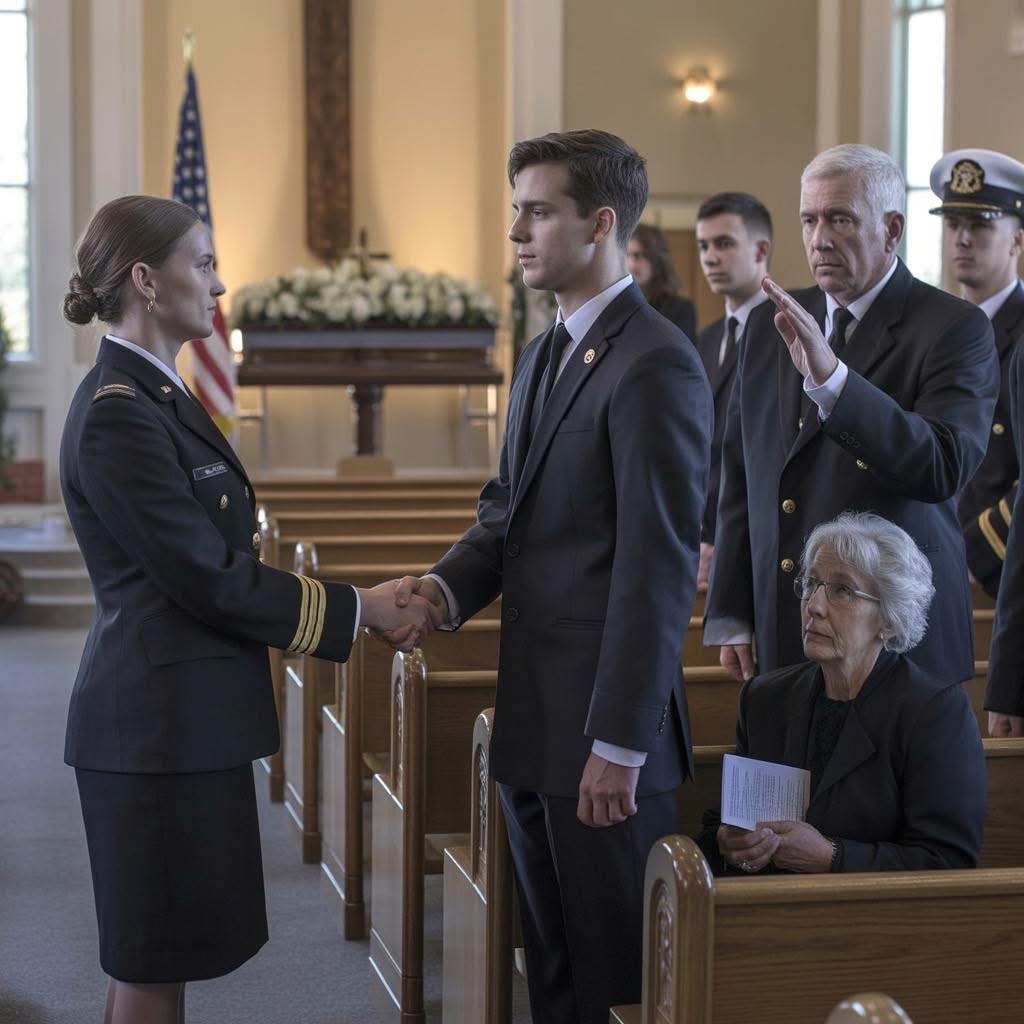
Posted on May 28, 2026 By admin No Comments on At my mother’s funeral, the dad who threw me out pregnant at sixteen smirked at my Navy dress blues and hissed, “So you finally learned your lesson,” expecting me to shrink, until I held his stare, said one quiet sentence, and my husband stepped forward in a way that made my father’s smile collapse. My name is Olivia Hail, and the last time my father looked me in the eye, he told me I was dead to him. Twenty years later, I stood beside my mother’s casket in a small Midwestern church, my ribbons neat, my jaw locked, my heart doing its best not to splinter. People I hadn’t seen since tenth grade kept sneaking glances at the uniform like it was a myth come to life. The room smelled like lilies and old coffee, and every whisper felt like it skimmed my neck. Dad stayed across the aisle, arms folded, as if grief were a contest he intended to dominate. When I arrived that morning, I found the daisies she loved drooping against the church steps. I touched the casket, whispered, “I’m here, Mom,” and felt my throat tighten. My father watched like a referee. My husband stayed just behind me, quiet, steady, ready for whatever came. I was sixteen when two pink lines rewrote everything. Matthew disappeared within a week, and I still remember my father’s chair scraping back when I finally said, “I’m pregnant.” He didn’t yell at first; he went quiet, the dangerous kind of quiet; then he pointed at the door and said, “If you walk out, don’t come back.” I walked into the cold with a backpack and a shaking hand over my stomach, sitting under flickering station lights until morning. Shame followed me everywhere, but so did something unyielding. I promised that baby I would build a life no one could strip away. A widowed librarian named Irene gave me a basement room and tea that tasted like shelter. She watched my daughter when I left for basic training, telling me, “Go earn the future they said you couldn’t.” Boot camp was brutal, but it was honest: you either stood up or you fell. I learned logistics, earned promotions, and came home on leave to sticky hugs and a little voice calling, “Mom!” Eventually I met the man who became my husband, steady hands, steady eyes, the kind of love that doesn’t punish you for surviving. Now, after the service, Dad finally crossed the fellowship hall and stopped inches from my shoulder. His aftershave was the same as my childhood, and his smile was the same too. He leaned in and whispered, “So you finally learned your lesson.” I looked at him, calm as a still tide, and said, “No, I finally learned who you are.” Then I turned slightly and said, “Yeah… meet my husband.” My father’s gaze slid past me, locked onto the man beside me, and his face emptied as a hand reached toward his. Full story in the first comment……
At my mother’s funeral, the dad who threw me out pregnant at sixteen smirked at my Navy dress blues and hissed, “So you finally learned your lesson,” expecting me to shrink, until I held his stare, said one quiet sentence, and my husband stepped forward in a way that made my father’s smile collapse.  My name is Olivia Hail, and the last time my father looked me in the eye, he told me I was dead to him. Twenty years later, I stood beside my mother’s casket in a small Midwestern church, my ribbons neat, my jaw locked, my heart doing its best not to splinter.  People I hadn’t seen since tenth grade kept sneaking glances at the uniform like it was a myth come to life. The room smelled like lilies and old coffee, and every whisper felt like it skimmed my neck. Dad stayed across the aisle, arms folded, as if grief were a contest he intended to dominate.  When I arrived that morning, I found the daisies she loved drooping against the church steps. I touched the casket, whispered, “I’m here, Mom,” and felt my throat tighten. My father watched like a referee. My husband stayed just behind me, quiet, steady, ready for whatever came.  I was sixteen when two pink lines rewrote everything. Matthew disappeared within a week, and I still remember my father’s chair scraping back when I finally said, “I’m pregnant.” He didn’t yell at first; he went quiet, the dangerous kind of quiet; then he pointed at the door and said, “If you walk out, don’t come back.”  I walked into the cold with a backpack and a shaking hand over my stomach, sitting under flickering station lights until morning. Shame followed me everywhere, but so did something unyielding. I promised that baby I would build a life no one could strip away.  A widowed librarian named Irene gave me a basement room and tea that tasted like shelter. She watched my daughter when I left for basic training, telling me, “Go earn the future they said you couldn’t.” Boot camp was brutal, but it was honest: you either stood up or you fell.  I learned logistics, earned promotions, and came home on leave to sticky hugs and a little voice calling, “Mom!” Eventually I met the man who became my husband, steady hands, steady eyes, the kind of love that doesn’t punish you for surviving.  Now, after the service, Dad finally crossed the fellowship hall and stopped inches from my shoulder. His aftershave was the same as my childhood, and his smile was the same too. He leaned in and whispered, “So you finally learned your lesson.”  I looked at him, calm as a still tide, and said, “No, I finally learned who you are.” Then I turned slightly and said, “Yeah… meet my husband.” My father’s gaze slid past me, locked onto the man beside me, and his face emptied as a hand reached toward his.  Full story in the first comment……

The Uniform My name is Olivia Hail, and the last time my father looked me in the eye, he told me I was dead to him. That was twenty years ago. Today, at my mother’s funeral, I stood in full navy dress blues while he walked up to me with that same old smug smile—like…

Read More “At my mother’s funeral, the dad who threw me out pregnant at sixteen smirked at my Navy dress blues and hissed, “So you finally learned your lesson,” expecting me to shrink, until I held his stare, said one quiet sentence, and my husband stepped forward in a way that made my father’s smile collapse. My name is Olivia Hail, and the last time my father looked me in the eye, he told me I was dead to him. Twenty years later, I stood beside my mother’s casket in a small Midwestern church, my ribbons neat, my jaw locked, my heart doing its best not to splinter. People I hadn’t seen since tenth grade kept sneaking glances at the uniform like it was a myth come to life. The room smelled like lilies and old coffee, and every whisper felt like it skimmed my neck. Dad stayed across the aisle, arms folded, as if grief were a contest he intended to dominate. When I arrived that morning, I found the daisies she loved drooping against the church steps. I touched the casket, whispered, “I’m here, Mom,” and felt my throat tighten. My father watched like a referee. My husband stayed just behind me, quiet, steady, ready for whatever came. I was sixteen when two pink lines rewrote everything. Matthew disappeared within a week, and I still remember my father’s chair scraping back when I finally said, “I’m pregnant.” He didn’t yell at first; he went quiet, the dangerous kind of quiet; then he pointed at the door and said, “If you walk out, don’t come back.” I walked into the cold with a backpack and a shaking hand over my stomach, sitting under flickering station lights until morning. Shame followed me everywhere, but so did something unyielding. I promised that baby I would build a life no one could strip away. A widowed librarian named Irene gave me a basement room and tea that tasted like shelter. She watched my daughter when I left for basic training, telling me, “Go earn the future they said you couldn’t.” Boot camp was brutal, but it was honest: you either stood up or you fell. I learned logistics, earned promotions, and came home on leave to sticky hugs and a little voice calling, “Mom!” Eventually I met the man who became my husband, steady hands, steady eyes, the kind of love that doesn’t punish you for surviving. Now, after the service, Dad finally crossed the fellowship hall and stopped inches from my shoulder. His aftershave was the same as my childhood, and his smile was the same too. He leaned in and whispered, “So you finally learned your lesson.” I looked at him, calm as a still tide, and said, “No, I finally learned who you are.” Then I turned slightly and said, “Yeah… meet my husband.” My father’s gaze slid past me, locked onto the man beside me, and his face emptied as a hand reached toward his. Full story in the first comment……” »

Uncategorized

I had gifted my parents a once-in-a-lifetime, luxury week in Europe—first class flights, five-star hotels, everything planned down to the last detail. But when I arrived to pick them up for the airport, my mother walked out with her suitcase… and right behind her was my sister, Lily, clutching a passport like she’d discovered treasure. Before I could even step out of the car, my mother leaned in through the window with a bright, almost rehearsed smile and said, “Sweetheart… we’ve decided Lily will come with us instead.” For a moment, I just blinked, thinking I’d misheard. I’d spent months arranging this trip. Switzerland. Lake Como. Paris. A full luxury itinerary I’d paid for myself, meant to be a thank-you for everything my parents had done over the years. And now Lily—the sister who hasn’t held a job longer than two weeks, who constantly “needs a break” from her life of doing absolutely nothing—stood beside them beaming like she’d earned her place. “You’re taking… Lily?” I managed. My father kept his eyes on the ground. My mother continued cheerfully, as if she hadn’t just **wounded** me: “Your sister has been sooo stressed lately. She needed this more than you.” Stressed… from what? Charging takeout to their credit card? But I didn’t argue. I didn’t ask them to reconsider. I didn’t even exhale too hard. I just opened the trunk, helped load their bags, and said, “Have a great trip.” Lily slid into the back seat with a victorious grin, the kind people wear when they think they’ve gotten away with something. I drove home in silence. Yes, I was hurt. But under that hurt, something far colder—and far **clearer**—started to take shape. Because my parents had no idea: Every reservation was under my name. Every hotel check-in required my passport. Every tour, transfer, and table booking needed my physical presence. And not a single one had been cancelled. I didn’t stop anything. I just let gravity do its work. Twenty-four hours later, when they arrived in Zurich expecting luxury, champagne, and comfort, they walked into a surprise so brutal that even Lily’s smug smile wouldn’t **last**. 👇 **To be continued in the first comment…**
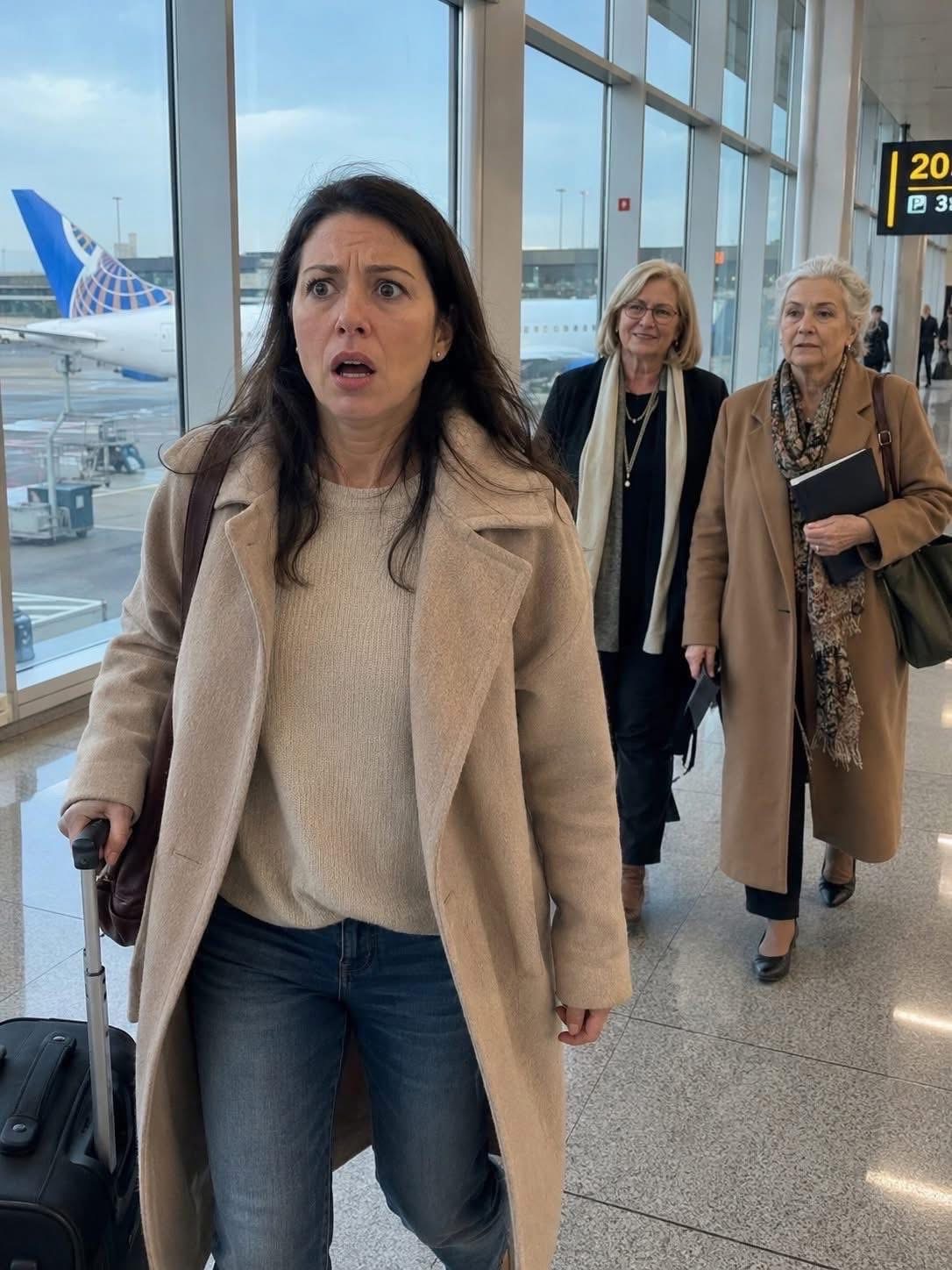
Posted on May 28, 2026 By admin No Comments on I had gifted my parents a once-in-a-lifetime, luxury week in Europe—first class flights, five-star hotels, everything planned down to the last detail. But when I arrived to pick them up for the airport, my mother walked out with her suitcase… and right behind her was my sister, Lily, clutching a passport like she’d discovered treasure. Before I could even step out of the car, my mother leaned in through the window with a bright, almost rehearsed smile and said, “Sweetheart… we’ve decided Lily will come with us instead.” For a moment, I just blinked, thinking I’d misheard. I’d spent months arranging this trip. Switzerland. Lake Como. Paris. A full luxury itinerary I’d paid for myself, meant to be a thank-you for everything my parents had done over the years. And now Lily—the sister who hasn’t held a job longer than two weeks, who constantly “needs a break” from her life of doing absolutely nothing—stood beside them beaming like she’d earned her place. “You’re taking… Lily?” I managed. My father kept his eyes on the ground. My mother continued cheerfully, as if she hadn’t just **wounded** me: “Your sister has been sooo stressed lately. She needed this more than you.” Stressed… from what? Charging takeout to their credit card? But I didn’t argue. I didn’t ask them to reconsider. I didn’t even exhale too hard. I just opened the trunk, helped load their bags, and said, “Have a great trip.” Lily slid into the back seat with a victorious grin, the kind people wear when they think they’ve gotten away with something. I drove home in silence. Yes, I was hurt. But under that hurt, something far colder—and far **clearer**—started to take shape. Because my parents had no idea: Every reservation was under my name. Every hotel check-in required my passport. Every tour, transfer, and table booking needed my physical presence. And not a single one had been cancelled. I didn’t stop anything. I just let gravity do its work. Twenty-four hours later, when they arrived in Zurich expecting luxury, champagne, and comfort, they walked into a surprise so brutal that even Lily’s smug smile wouldn’t **last**. 👇 **To be continued in the first comment…**
I had gifted my parents a once-in-a-lifetime, luxury week in Europe—first class flights, five-star hotels, everything planned down to the last detail. But when I arrived to pick them up for the airport, my mother walked out with her suitcase… and right behind her was my sister, Lily, clutching a passport like she’d discovered treasure.  Before I could even step out of the car, my mother leaned in through the window with a bright, almost rehearsed smile and said,  “Sweetheart… we’ve decided Lily will come with us instead.”  For a moment, I just blinked, thinking I’d misheard.  I’d spent months arranging this trip. Switzerland. Lake Como. Paris. A full luxury itinerary I’d paid for myself, meant to be a thank-you for everything my parents had done over the years.  And now Lily—the sister who hasn’t held a job longer than two weeks, who constantly “needs a break” from her life of doing absolutely nothing—stood beside them beaming like she’d earned her place.  “You’re taking… Lily?” I managed.  My father kept his eyes on the ground.  My mother continued cheerfully, as if she hadn’t just **wounded** me:  “Your sister has been sooo stressed lately. She needed this more than you.”  Stressed… from what? Charging takeout to their credit card?  But I didn’t argue. I didn’t ask them to reconsider. I didn’t even exhale too hard.  I just opened the trunk, helped load their bags, and said, “Have a great trip.”  Lily slid into the back seat with a victorious grin, the kind people wear when they think they’ve gotten away with something.  I drove home in silence.  Yes, I was hurt. But under that hurt, something far colder—and far **clearer**—started to take shape.  Because my parents had no idea:  Every reservation was under my name. Every hotel check-in required my passport. Every tour, transfer, and table booking needed my physical presence.  And not a single one had been cancelled.  I didn’t stop anything. I just let gravity do its work.  Twenty-four hours later, when they arrived in Zurich expecting luxury, champagne, and comfort, they walked into a surprise so brutal that even Lily’s smug smile wouldn’t **last**.  👇 **To be continued in the first comment…**

The morning our long-planned European vacation was supposed to begin, I pulled into my parents’ driveway at precisely 6:00 AM with my car packed and ready for the drive to the airport. The sky was still that pre-dawn shade of deep blue, streetlights casting orange pools on the quiet suburban street where I’d grown up….
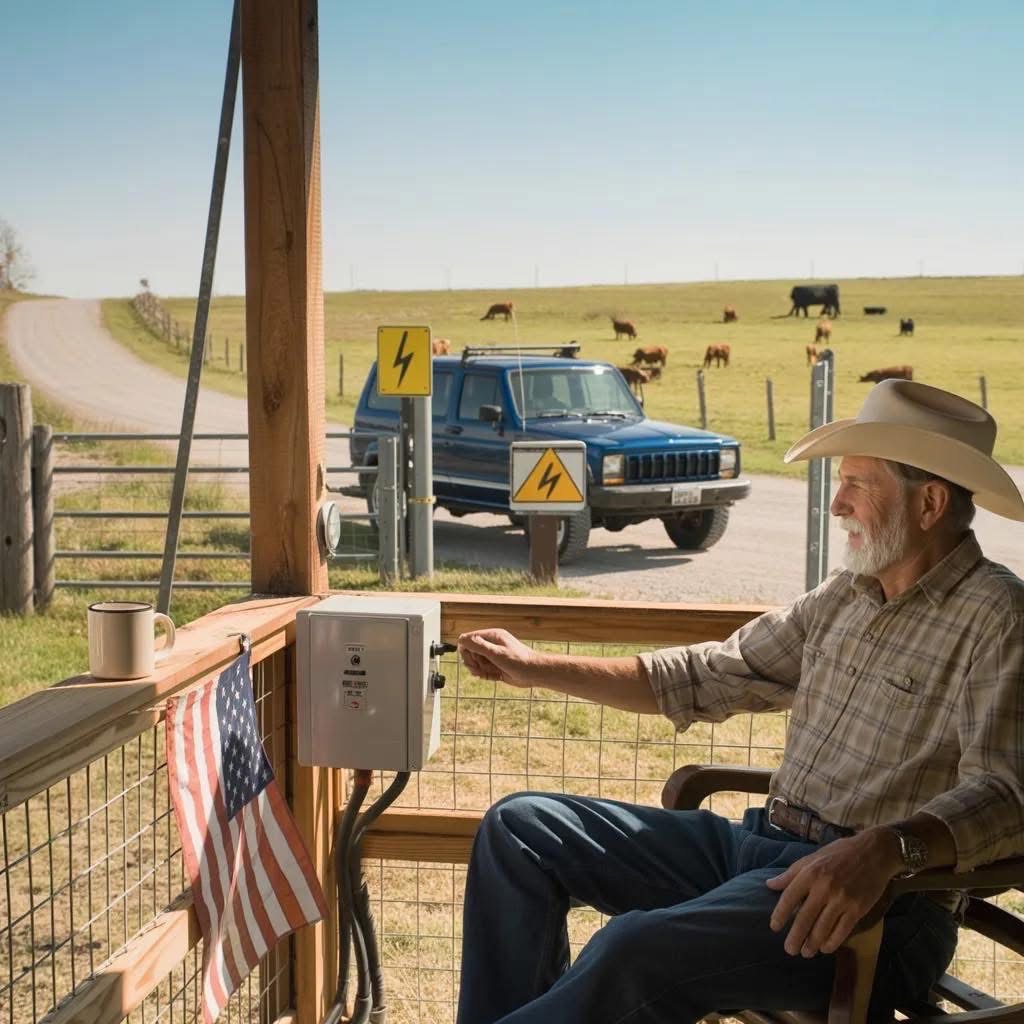
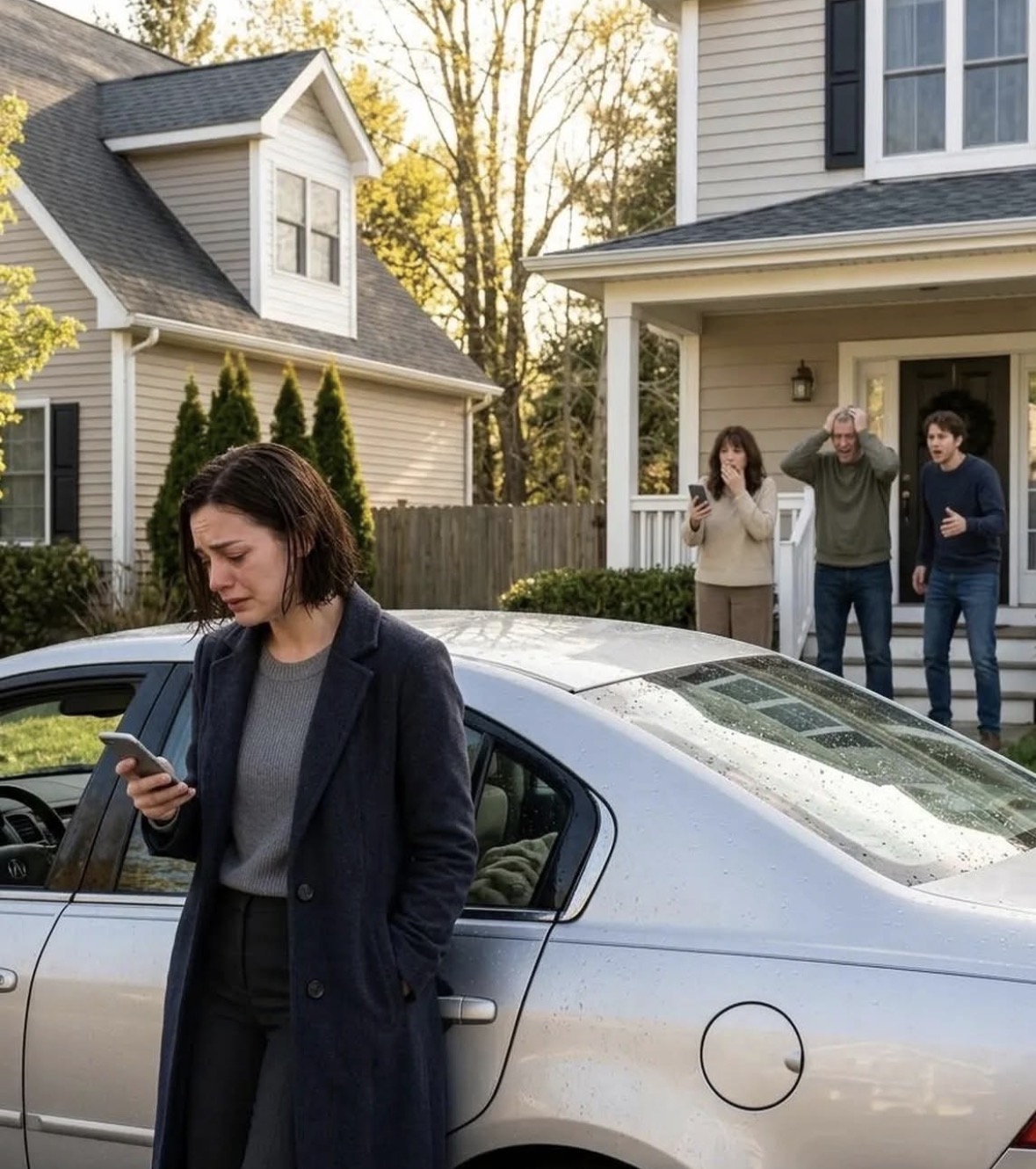
Read More “I had gifted my parents a once-in-a-lifetime, luxury week in Europe—first class flights, five-star hotels, everything planned down to the last detail. But when I arrived to pick them up for the airport, my mother walked out with her suitcase… and right behind her was my sister, Lily, clutching a passport like she’d discovered treasure. Before I could even step out of the car, my mother leaned in through the window with a bright, almost rehearsed smile and said, “Sweetheart… we’ve decided Lily will come with us instead.” For a moment, I just blinked, thinking I’d misheard. I’d spent months arranging this trip. Switzerland. Lake Como. Paris. A full luxury itinerary I’d paid for myself, meant to be a thank-you for everything my parents had done over the years. And now Lily—the sister who hasn’t held a job longer than two weeks, who constantly “needs a break” from her life of doing absolutely nothing—stood beside them beaming like she’d earned her place. “You’re taking… Lily?” I managed. My father kept his eyes on the ground. My mother continued cheerfully, as if she hadn’t just **wounded** me: “Your sister has been sooo stressed lately. She needed this more than you.” Stressed… from what? Charging takeout to their credit card? But I didn’t argue. I didn’t ask them to reconsider. I didn’t even exhale too hard. I just opened the trunk, helped load their bags, and said, “Have a great trip.” Lily slid into the back seat with a victorious grin, the kind people wear when they think they’ve gotten away with something. I drove home in silence. Yes, I was hurt. But under that hurt, something far colder—and far **clearer**—started to take shape. Because my parents had no idea: Every reservation was under my name. Every hotel check-in required my passport. Every tour, transfer, and table booking needed my physical presence. And not a single one had been cancelled. I didn’t stop anything. I just let gravity do its work. Twenty-four hours later, when they arrived in Zurich expecting luxury, champagne, and comfort, they walked into a surprise so brutal that even Lily’s smug smile wouldn’t **last**. 👇 **To be continued in the first comment…**” »

Uncategorized

HOA Left Their SUV on Our Ranch — Grandpa Hooked It Up to the Electric Fence and Waited! If you think a ranch is just a scenic backdrop for someone else’s rules, you’ve never met my granddad—or his fence. That morning, the sky was a hard, perfect blue, the kind that makes the power lines hum like they’ve got something to say. A black SUV sat half-tilted against our cattlegate, chrome glinting in the sun like it owned the horizon. Granddad tipped his hat toward it, took a long, thoughtful sip of coffee, and murmured into the steam, “If they think this driveway is public parking, they’re about to learn what a boundary feels like.” I’d heard the tires before sunrise—a crunch that didn’t belong to any of our neighbors. By the time I stepped outside, he was already in his porch chair, boots planted steady as if he’d been waiting for this particular kind of nonsense his whole life. The SUV was parked so close to the hot wire you could’ve measured the gap with a dime. Tinted windows. Vanity plate from Sage Hollow Meadows, that gated kingdom over the ridge. A bumper sticker in gold script that read Pride of the Neighborhood. On our gravel, it looked about as natural as a tuxedo at a branding. Before I could even make a joke, the sound of heels on rock cut across the yard—sharp, fast, and full of purpose. A woman in a thundercloud-colored blazer marched down the lane, eyeing the house like it had failed some invisible inspection. “Morning,” she said. It didn’t sound like a greeting. “This vehicle is conducting official business. We’ll be removing it shortly.” Granddad didn’t even glance her way. He tasted his coffee, squinting at the horizon. “Official business on private land,” he said at last. “That new?” He nodded toward the fence—the one with the bright yellow sign and a lightning bolt we’ve had since forever. The wire hummed lazy in the quiet. She smiled the kind of smile that usually comes stapled to a fine. “I’m Lydia Crane, president of the Sage Hollow Meadows HOA. Your gate obstructs the community’s visibility easement. Our safety officer had to park to document the obstruction. This is evidence storage.” Granddad turned his head a fraction, studying the SUV the way he sizes up a bull—trying to decide if it’s smart, mean, or just confused. “Evidence storage,” he repeated slowly. “Friendly of you to park it two inches from a live fence.” Lydia’s eyes flicked toward the wire, dismissive. “I’m sure your line is turned off while we’re here,” she said. “Given the complaints we’ve received about stressed animals.” Her perfume smelled like citrus and paperwork. Granddad leaned back in his chair. “I don’t take orders from emails,” he said. “Barely take ’em from people.” That was usually my cue to translate, but Lydia was one of those folks who only heard the echo of their own voice. “We’ll have the SUV removed after our inspection,” she said briskly. “I recommend moving your gate to align with the HOA access apron. I’ll send an official notice.” Then she turned on her heel, satisfied, and strode back to the sedan idling by the road—two men in reflective vests waiting inside, the kind who wear authority like a Halloween costume. They didn’t get out. They didn’t need to. The HOA convoy disappeared in a spray of gravel that fell short of our boots. For a full minute, we listened to the quiet retake its claim. The hawk over the cottonwoods made a slow pass. The power regulator clicked. The cattle moved like slow thunder across the pasture. Granddad set his mug down on the arm of the chair and rose—slow, deliberate, the way he always did before doing something that would end up sounding like a lesson. Continue below👇…

Posted on May 28, 2026 By admin No Comments on HOA Left Their SUV on Our Ranch — Grandpa Hooked It Up to the Electric Fence and Waited! If you think a ranch is just a scenic backdrop for someone else’s rules, you’ve never met my granddad—or his fence. That morning, the sky was a hard, perfect blue, the kind that makes the power lines hum like they’ve got something to say. A black SUV sat half-tilted against our cattlegate, chrome glinting in the sun like it owned the horizon. Granddad tipped his hat toward it, took a long, thoughtful sip of coffee, and murmured into the steam, “If they think this driveway is public parking, they’re about to learn what a boundary feels like.” I’d heard the tires before sunrise—a crunch that didn’t belong to any of our neighbors. By the time I stepped outside, he was already in his porch chair, boots planted steady as if he’d been waiting for this particular kind of nonsense his whole life. The SUV was parked so close to the hot wire you could’ve measured the gap with a dime. Tinted windows. Vanity plate from Sage Hollow Meadows, that gated kingdom over the ridge. A bumper sticker in gold script that read Pride of the Neighborhood. On our gravel, it looked about as natural as a tuxedo at a branding. Before I could even make a joke, the sound of heels on rock cut across the yard—sharp, fast, and full of purpose. A woman in a thundercloud-colored blazer marched down the lane, eyeing the house like it had failed some invisible inspection. “Morning,” she said. It didn’t sound like a greeting. “This vehicle is conducting official business. We’ll be removing it shortly.” Granddad didn’t even glance her way. He tasted his coffee, squinting at the horizon. “Official business on private land,” he said at last. “That new?” He nodded toward the fence—the one with the bright yellow sign and a lightning bolt we’ve had since forever. The wire hummed lazy in the quiet. She smiled the kind of smile that usually comes stapled to a fine. “I’m Lydia Crane, president of the Sage Hollow Meadows HOA. Your gate obstructs the community’s visibility easement. Our safety officer had to park to document the obstruction. This is evidence storage.” Granddad turned his head a fraction, studying the SUV the way he sizes up a bull—trying to decide if it’s smart, mean, or just confused. “Evidence storage,” he repeated slowly. “Friendly of you to park it two inches from a live fence.” Lydia’s eyes flicked toward the wire, dismissive. “I’m sure your line is turned off while we’re here,” she said. “Given the complaints we’ve received about stressed animals.” Her perfume smelled like citrus and paperwork. Granddad leaned back in his chair. “I don’t take orders from emails,” he said. “Barely take ’em from people.” That was usually my cue to translate, but Lydia was one of those folks who only heard the echo of their own voice. “We’ll have the SUV removed after our inspection,” she said briskly. “I recommend moving your gate to align with the HOA access apron. I’ll send an official notice.” Then she turned on her heel, satisfied, and strode back to the sedan idling by the road—two men in reflective vests waiting inside, the kind who wear authority like a Halloween costume. They didn’t get out. They didn’t need to. The HOA convoy disappeared in a spray of gravel that fell short of our boots. For a full minute, we listened to the quiet retake its claim. The hawk over the cottonwoods made a slow pass. The power regulator clicked. The cattle moved like slow thunder across the pasture. Granddad set his mug down on the arm of the chair and rose—slow, deliberate, the way he always did before doing something that would end up sounding like a lesson. Continue below👇…
HOA Left Their SUV on Our Ranch — Grandpa Hooked It Up to the Electric Fence and Waited! If you think a ranch is just a scenic backdrop for someone else’s rules, you’ve never met my granddad—or his fence.  That morning, the sky was a hard, perfect blue, the kind that makes the power lines hum like they’ve got something to say. A black SUV sat half-tilted against our cattlegate, chrome glinting in the sun like it owned the horizon. Granddad tipped his hat toward it, took a long, thoughtful sip of coffee, and murmured into the steam, “If they think this driveway is public parking, they’re about to learn what a boundary feels like.”  I’d heard the tires before sunrise—a crunch that didn’t belong to any of our neighbors. By the time I stepped outside, he was already in his porch chair, boots planted steady as if he’d been waiting for this particular kind of nonsense his whole life. The SUV was parked so close to the hot wire you could’ve measured the gap with a dime.  Tinted windows. Vanity plate from Sage Hollow Meadows, that gated kingdom over the ridge. A bumper sticker in gold script that read Pride of the Neighborhood. On our gravel, it looked about as natural as a tuxedo at a branding.  Before I could even make a joke, the sound of heels on rock cut across the yard—sharp, fast, and full of purpose.  A woman in a thundercloud-colored blazer marched down the lane, eyeing the house like it had failed some invisible inspection.  “Morning,” she said. It didn’t sound like a greeting. “This vehicle is conducting official business. We’ll be removing it shortly.”  Granddad didn’t even glance her way. He tasted his coffee, squinting at the horizon. “Official business on private land,” he said at last. “That new?” He nodded toward the fence—the one with the bright yellow sign and a lightning bolt we’ve had since forever.  The wire hummed lazy in the quiet.  She smiled the kind of smile that usually comes stapled to a fine. “I’m Lydia Crane, president of the Sage Hollow Meadows HOA. Your gate obstructs the community’s visibility easement. Our safety officer had to park to document the obstruction. This is evidence storage.”  Granddad turned his head a fraction, studying the SUV the way he sizes up a bull—trying to decide if it’s smart, mean, or just confused.  “Evidence storage,” he repeated slowly. “Friendly of you to park it two inches from a live fence.”  Lydia’s eyes flicked toward the wire, dismissive. “I’m sure your line is turned off while we’re here,” she said. “Given the complaints we’ve received about stressed animals.”  Her perfume smelled like citrus and paperwork.  Granddad leaned back in his chair. “I don’t take orders from emails,” he said. “Barely take ’em from people.”  That was usually my cue to translate, but Lydia was one of those folks who only heard the echo of their own voice.  “We’ll have the SUV removed after our inspection,” she said briskly. “I recommend moving your gate to align with the HOA access apron. I’ll send an official notice.”  Then she turned on her heel, satisfied, and strode back to the sedan idling by the road—two men in reflective vests waiting inside, the kind who wear authority like a Halloween costume. They didn’t get out. They didn’t need to.  The HOA convoy disappeared in a spray of gravel that fell short of our boots.  For a full minute, we listened to the quiet retake its claim. The hawk over the cottonwoods made a slow pass. The power regulator clicked. The cattle moved like slow thunder across the pasture.  Granddad set his mug down on the arm of the chair and rose—slow, deliberate, the way he always did before doing something that would end up sounding like a lesson.  Continue below👇…

The Fence That Hummed Back If you think a ranch is just a scenic backdrop for someone else’s rules, you’ve never met my granddad—or his fence. That morning, the sky was a hard, perfect blue, the kind that makes the power lines hum like they’ve got something to say. A black SUV sat half-tilted against…

Read More “HOA Left Their SUV on Our Ranch — Grandpa Hooked It Up to the Electric Fence and Waited! If you think a ranch is just a scenic backdrop for someone else’s rules, you’ve never met my granddad—or his fence. That morning, the sky was a hard, perfect blue, the kind that makes the power lines hum like they’ve got something to say. A black SUV sat half-tilted against our cattlegate, chrome glinting in the sun like it owned the horizon. Granddad tipped his hat toward it, took a long, thoughtful sip of coffee, and murmured into the steam, “If they think this driveway is public parking, they’re about to learn what a boundary feels like.” I’d heard the tires before sunrise—a crunch that didn’t belong to any of our neighbors. By the time I stepped outside, he was already in his porch chair, boots planted steady as if he’d been waiting for this particular kind of nonsense his whole life. The SUV was parked so close to the hot wire you could’ve measured the gap with a dime. Tinted windows. Vanity plate from Sage Hollow Meadows, that gated kingdom over the ridge. A bumper sticker in gold script that read Pride of the Neighborhood. On our gravel, it looked about as natural as a tuxedo at a branding. Before I could even make a joke, the sound of heels on rock cut across the yard—sharp, fast, and full of purpose. A woman in a thundercloud-colored blazer marched down the lane, eyeing the house like it had failed some invisible inspection. “Morning,” she said. It didn’t sound like a greeting. “This vehicle is conducting official business. We’ll be removing it shortly.” Granddad didn’t even glance her way. He tasted his coffee, squinting at the horizon. “Official business on private land,” he said at last. “That new?” He nodded toward the fence—the one with the bright yellow sign and a lightning bolt we’ve had since forever. The wire hummed lazy in the quiet. She smiled the kind of smile that usually comes stapled to a fine. “I’m Lydia Crane, president of the Sage Hollow Meadows HOA. Your gate obstructs the community’s visibility easement. Our safety officer had to park to document the obstruction. This is evidence storage.” Granddad turned his head a fraction, studying the SUV the way he sizes up a bull—trying to decide if it’s smart, mean, or just confused. “Evidence storage,” he repeated slowly. “Friendly of you to park it two inches from a live fence.” Lydia’s eyes flicked toward the wire, dismissive. “I’m sure your line is turned off while we’re here,” she said. “Given the complaints we’ve received about stressed animals.” Her perfume smelled like citrus and paperwork. Granddad leaned back in his chair. “I don’t take orders from emails,” he said. “Barely take ’em from people.” That was usually my cue to translate, but Lydia was one of those folks who only heard the echo of their own voice. “We’ll have the SUV removed after our inspection,” she said briskly. “I recommend moving your gate to align with the HOA access apron. I’ll send an official notice.” Then she turned on her heel, satisfied, and strode back to the sedan idling by the road—two men in reflective vests waiting inside, the kind who wear authority like a Halloween costume. They didn’t get out. They didn’t need to. The HOA convoy disappeared in a spray of gravel that fell short of our boots. For a full minute, we listened to the quiet retake its claim. The hawk over the cottonwoods made a slow pass. The power regulator clicked. The cattle moved like slow thunder across the pasture. Granddad set his mug down on the arm of the chair and rose—slow, deliberate, the way he always did before doing something that would end up sounding like a lesson. Continue below👇…” »

Uncategorized

“Mom said, ‘Then you can leave.’ So I did. For eleven months, I had been paying $10,400 every month to keep my family in that house. That night, I slept in my car. By sunrise, one transfer made every face at the breakfast table turn pale.” Mom said, “You can leave.” So I left. No shouting. No slammed doors. No dramatic speech in the living room while my family looked at me like I had suddenly become the problem. I only picked up my keys, my laptop bag, and the jacket hanging by the stairs. My name is Harper Lowell. I was thirty-two years old, working as a project manager in Austin, Texas. For eleven straight months, I had paid $10,400 a month so my family could keep living under one roof. Not because I was rich. Because my parents had lost their home. Dad’s contracting business had fallen apart after two failed deals and a lawsuit he never wanted to discuss. Mom said their credit situation was “temporarily complicated.” My younger brother, Mason, came back home after quitting his sales job. My sister, Tessa, moved in with her toddler after her divorce, promising she only needed “a few weeks.” I rented a six-bedroom house in a gated neighborhood because Mom cried and said, “We need a respectable place while we get back on our feet.” Respectable was expensive. First month’s rent. Security deposit. Utilities. Rental furniture. Groceries. Insurance. Internet. Lawn care because Dad said his back hurt too much to mow. A playroom for Tessa’s son. A home office for Mason’s “business ideas.” Every bill came to me. But somehow, every decision belonged to them. Mom redecorated the primary bedroom and moved my belongings into the smaller room above the garage because, according to her, “Your father and I need comfort after everything we’ve been through.” Mason borrowed my car without asking. Tessa left her child with me whenever she needed to “clear her mind.” Dad called me selfish whenever I mentioned repayment. That night, the fight started over the lease renewal. The landlord had emailed me. Another month’s rent was due in two days. I told everyone they needed to start contributing, or we would have to move into a smaller place. Mason laughed. “You make enough money.” Tessa rolled her eyes. “You’re single. What do you even spend your money on?” Dad leaned back in the recliner I had paid for. “Family takes care of family.” I looked at Mom. “And who takes care of me?” She stared at me with cold disappointment. Then she said it. “If you’re going to use money against us, then you can leave.” The room went quiet. Mason smirked. Tessa whispered, “Finally.” I nodded once. “Okay.” Mom blinked. “Harper, don’t be childish.” But I was already heading for the door. That night, while they slept comfortably inside the house I paid for, I slept in my car outside a twenty-four-hour pharmacy. At dawn, I made one transfer. And by breakfast, every one of them had gone pale… Discover what happens next here

Posted on May 28, 2026 By admin No Comments on “Mom said, ‘Then you can leave.’ So I did. For eleven months, I had been paying $10,400 every month to keep my family in that house. That night, I slept in my car. By sunrise, one transfer made every face at the breakfast table turn pale.” Mom said, “You can leave.” So I left. No shouting. No slammed doors. No dramatic speech in the living room while my family looked at me like I had suddenly become the problem. I only picked up my keys, my laptop bag, and the jacket hanging by the stairs. My name is Harper Lowell. I was thirty-two years old, working as a project manager in Austin, Texas. For eleven straight months, I had paid $10,400 a month so my family could keep living under one roof. Not because I was rich. Because my parents had lost their home. Dad’s contracting business had fallen apart after two failed deals and a lawsuit he never wanted to discuss. Mom said their credit situation was “temporarily complicated.” My younger brother, Mason, came back home after quitting his sales job. My sister, Tessa, moved in with her toddler after her divorce, promising she only needed “a few weeks.” I rented a six-bedroom house in a gated neighborhood because Mom cried and said, “We need a respectable place while we get back on our feet.” Respectable was expensive. First month’s rent. Security deposit. Utilities. Rental furniture. Groceries. Insurance. Internet. Lawn care because Dad said his back hurt too much to mow. A playroom for Tessa’s son. A home office for Mason’s “business ideas.” Every bill came to me. But somehow, every decision belonged to them. Mom redecorated the primary bedroom and moved my belongings into the smaller room above the garage because, according to her, “Your father and I need comfort after everything we’ve been through.” Mason borrowed my car without asking. Tessa left her child with me whenever she needed to “clear her mind.” Dad called me selfish whenever I mentioned repayment. That night, the fight started over the lease renewal. The landlord had emailed me. Another month’s rent was due in two days. I told everyone they needed to start contributing, or we would have to move into a smaller place. Mason laughed. “You make enough money.” Tessa rolled her eyes. “You’re single. What do you even spend your money on?” Dad leaned back in the recliner I had paid for. “Family takes care of family.” I looked at Mom. “And who takes care of me?” She stared at me with cold disappointment. Then she said it. “If you’re going to use money against us, then you can leave.” The room went quiet. Mason smirked. Tessa whispered, “Finally.” I nodded once. “Okay.” Mom blinked. “Harper, don’t be childish.” But I was already heading for the door. That night, while they slept comfortably inside the house I paid for, I slept in my car outside a twenty-four-hour pharmacy. At dawn, I made one transfer. And by breakfast, every one of them had gone pale… Discover what happens next here
“Mom said, ‘Then you can leave.’ So I did. For eleven months, I had been paying $10,400 every month to keep my family in that house. That night, I slept in my car. By sunrise, one transfer made every face at the breakfast table turn pale.”  Mom said, “You can leave.”  So I left.  No shouting. No slammed doors. No dramatic speech in the living room while my family looked at me like I had suddenly become the problem.  I only picked up my keys, my laptop bag, and the jacket hanging by the stairs.  My name is Harper Lowell. I was thirty-two years old, working as a project manager in Austin, Texas. For eleven straight months, I had paid $10,400 a month so my family could keep living under one roof.  Not because I was rich.  Because my parents had lost their home.  Dad’s contracting business had fallen apart after two failed deals and a lawsuit he never wanted to discuss. Mom said their credit situation was “temporarily complicated.” My younger brother, Mason, came back home after quitting his sales job. My sister, Tessa, moved in with her toddler after her divorce, promising she only needed “a few weeks.”  I rented a six-bedroom house in a gated neighborhood because Mom cried and said, “We need a respectable place while we get back on our feet.”  Respectable was expensive.  First month’s rent. Security deposit. Utilities. Rental furniture. Groceries. Insurance. Internet. Lawn care because Dad said his back hurt too much to mow. A playroom for Tessa’s son. A home office for Mason’s “business ideas.”  Every bill came to me.  But somehow, every decision belonged to them.  Mom redecorated the primary bedroom and moved my belongings into the smaller room above the garage because, according to her, “Your father and I need comfort after everything we’ve been through.” Mason borrowed my car without asking. Tessa left her child with me whenever she needed to “clear her mind.” Dad called me selfish whenever I mentioned repayment.  That night, the fight started over the lease renewal.  The landlord had emailed me. Another month’s rent was due in two days.  I told everyone they needed to start contributing, or we would have to move into a smaller place.  Mason laughed. “You make enough money.”  Tessa rolled her eyes. “You’re single. What do you even spend your money on?”  Dad leaned back in the recliner I had paid for. “Family takes care of family.”  I looked at Mom. “And who takes care of me?”  She stared at me with cold disappointment.  Then she said it.  “If you’re going to use money against us, then you can leave.”  The room went quiet.  Mason smirked.  Tessa whispered, “Finally.”  I nodded once.  “Okay.”  Mom blinked. “Harper, don’t be childish.”  But I was already heading for the door.  That night, while they slept comfortably inside the house I paid for, I slept in my car outside a twenty-four-hour pharmacy.  At dawn, I made one transfer.  And by breakfast, every one of them had gone pale…  Discover what happens next here

Harper Lowell spent nearly a year carrying the weight of her entire  family on her shoulders. At thirty-two, she worked long hours as a project manager in Austin, Texas, while paying more than $10,000 each month to keep her parents, younger brother, sister, and nephew living comfortably in a large rental home. What began as…

Read More ““Mom said, ‘Then you can leave.’ So I did. For eleven months, I had been paying $10,400 every month to keep my family in that house. That night, I slept in my car. By sunrise, one transfer made every face at the breakfast table turn pale.” Mom said, “You can leave.” So I left. No shouting. No slammed doors. No dramatic speech in the living room while my family looked at me like I had suddenly become the problem. I only picked up my keys, my laptop bag, and the jacket hanging by the stairs. My name is Harper Lowell. I was thirty-two years old, working as a project manager in Austin, Texas. For eleven straight months, I had paid $10,400 a month so my family could keep living under one roof. Not because I was rich. Because my parents had lost their home. Dad’s contracting business had fallen apart after two failed deals and a lawsuit he never wanted to discuss. Mom said their credit situation was “temporarily complicated.” My younger brother, Mason, came back home after quitting his sales job. My sister, Tessa, moved in with her toddler after her divorce, promising she only needed “a few weeks.” I rented a six-bedroom house in a gated neighborhood because Mom cried and said, “We need a respectable place while we get back on our feet.” Respectable was expensive. First month’s rent. Security deposit. Utilities. Rental furniture. Groceries. Insurance. Internet. Lawn care because Dad said his back hurt too much to mow. A playroom for Tessa’s son. A home office for Mason’s “business ideas.” Every bill came to me. But somehow, every decision belonged to them. Mom redecorated the primary bedroom and moved my belongings into the smaller room above the garage because, according to her, “Your father and I need comfort after everything we’ve been through.” Mason borrowed my car without asking. Tessa left her child with me whenever she needed to “clear her mind.” Dad called me selfish whenever I mentioned repayment. That night, the fight started over the lease renewal. The landlord had emailed me. Another month’s rent was due in two days. I told everyone they needed to start contributing, or we would have to move into a smaller place. Mason laughed. “You make enough money.” Tessa rolled her eyes. “You’re single. What do you even spend your money on?” Dad leaned back in the recliner I had paid for. “Family takes care of family.” I looked at Mom. “And who takes care of me?” She stared at me with cold disappointment. Then she said it. “If you’re going to use money against us, then you can leave.” The room went quiet. Mason smirked. Tessa whispered, “Finally.” I nodded once. “Okay.” Mom blinked. “Harper, don’t be childish.” But I was already heading for the door. That night, while they slept comfortably inside the house I paid for, I slept in my car outside a twenty-four-hour pharmacy. At dawn, I made one transfer. And by breakfast, every one of them had gone pale… Discover what happens next here” »

Uncategorized

I kept my $17,500 monthly salary a secret from my fiancé. To him, I was just a girl living simply with a baby. I wanted to see how he treats a poor single mom, so I pretended to be broke and naive. He invited me to the family dinner, but as soon as I walked through the door… Patricia Whitmore’s eyes swept over me like a scanner—my old sweater, my scuffed flats, Rosie’s drool on my shoulder—then she landed on my face with a smile that didn’t reach anywhere warm. “So this is the girlfriend,” she said, like I was a questionable item her son had dragged inside. I gripped Rosie tighter and swallowed the truth that could’ve ended the night in one sentence. I wasn’t struggling. I wasn’t clueless. I wasn’t even close to broke. I pulled in $17,500 a month at a dental lab where doctors requested my work by name, and I was months away from finishing school. But I kept my mouth shut, because this wasn’t just dinner—it was my last test. Three years ago, my old fiancé found out I made more than him and suddenly I was “too much.” Too intimidating. Too successful. He left like my ambition was a stain he couldn’t scrub out. So when I met Graham—kind, steady Graham—I built a disguise and dared love to prove itself. Rosie helped. She wasn’t even mine, not biologically. She belonged to my friend Tiffany, who loved her in theory but panicked in practice, and I’d been the one doing the 2 a.m. soothing, the grocery runs, the tiny socks, the sticky fingers. To Graham, I was a worn-out single mom doing part-time office work and counting dollars like they mattered more than air. His family’s house looked like money had never been told “no.” Marble floors, crystal glasses, more forks than any meal deserved. Patricia asked sweet questions with sharp edges. “Part-time?” she echoed. “And the father?” Sloan, his sister, tapped her phone and smirked. “You don’t exist online. That’s… odd.” Then Rosie had a diaper moment at the worst possible second, and Patricia’s smile tightened like a pulled thread. I carried Rosie down a hallway that felt like a museum, only to have Patricia follow me into the bathroom and close the door. “I know your type,” she said quietly, stepping closer while my hands were full of wipes and baby. “You find a man with a future, you show up with a child, and you expect a free ride.” My throat burned. “Rosie isn’t his,” I said, steadying my voice for the baby’s sake. Patricia’s eyes hardened anyway. “Baggage,” she whispered, like it was a fact. I went back to the table with my cheeks hot and my smile glued on, while my phone buzzed with a work message I couldn’t answer without breaking character. Across the plates and polite cruelty, Graham tried—he really tried—but he kept aiming for peace more than protection, and I felt that difference like a splinter. Two nights later, his grandmother Nana June called me with a warning. “Patricia’s planning something,” she said. “And don’t worry, I’ll record it.” When the video hit my phone, I watched Patricia call me a nobody, watched Sloan sneer, and then heard the line that turned my stomach to ice: keep the baby, lose the mother. Graham’s chair scraped back. His voice shook. “Stop. Do you hear yourselves?” And when Patricia pushed, he didn’t fold—he chose me. He chose Rosie. He chose us. The next day he asked me to meet him at the coffee shop where we first met, the same place I once “accidentally” counted coins at the register. He looked exhausted, nervous in a way that made my pulse race. “I was going to do this at dinner,” he said, and reached into his jacket. A small velvet box appeared in his hand, and every lie I’d ever told rose in my throat at once. The full story is in the first comment.

Posted on May 28, 2026 By admin No Comments on I kept my $17,500 monthly salary a secret from my fiancé. To him, I was just a girl living simply with a baby. I wanted to see how he treats a poor single mom, so I pretended to be broke and naive. He invited me to the family dinner, but as soon as I walked through the door… Patricia Whitmore’s eyes swept over me like a scanner—my old sweater, my scuffed flats, Rosie’s drool on my shoulder—then she landed on my face with a smile that didn’t reach anywhere warm. “So this is the girlfriend,” she said, like I was a questionable item her son had dragged inside. I gripped Rosie tighter and swallowed the truth that could’ve ended the night in one sentence. I wasn’t struggling. I wasn’t clueless. I wasn’t even close to broke. I pulled in $17,500 a month at a dental lab where doctors requested my work by name, and I was months away from finishing school. But I kept my mouth shut, because this wasn’t just dinner—it was my last test. Three years ago, my old fiancé found out I made more than him and suddenly I was “too much.” Too intimidating. Too successful. He left like my ambition was a stain he couldn’t scrub out. So when I met Graham—kind, steady Graham—I built a disguise and dared love to prove itself. Rosie helped. She wasn’t even mine, not biologically. She belonged to my friend Tiffany, who loved her in theory but panicked in practice, and I’d been the one doing the 2 a.m. soothing, the grocery runs, the tiny socks, the sticky fingers. To Graham, I was a worn-out single mom doing part-time office work and counting dollars like they mattered more than air. His family’s house looked like money had never been told “no.” Marble floors, crystal glasses, more forks than any meal deserved. Patricia asked sweet questions with sharp edges. “Part-time?” she echoed. “And the father?” Sloan, his sister, tapped her phone and smirked. “You don’t exist online. That’s… odd.” Then Rosie had a diaper moment at the worst possible second, and Patricia’s smile tightened like a pulled thread. I carried Rosie down a hallway that felt like a museum, only to have Patricia follow me into the bathroom and close the door. “I know your type,” she said quietly, stepping closer while my hands were full of wipes and baby. “You find a man with a future, you show up with a child, and you expect a free ride.” My throat burned. “Rosie isn’t his,” I said, steadying my voice for the baby’s sake. Patricia’s eyes hardened anyway. “Baggage,” she whispered, like it was a fact. I went back to the table with my cheeks hot and my smile glued on, while my phone buzzed with a work message I couldn’t answer without breaking character. Across the plates and polite cruelty, Graham tried—he really tried—but he kept aiming for peace more than protection, and I felt that difference like a splinter. Two nights later, his grandmother Nana June called me with a warning. “Patricia’s planning something,” she said. “And don’t worry, I’ll record it.” When the video hit my phone, I watched Patricia call me a nobody, watched Sloan sneer, and then heard the line that turned my stomach to ice: keep the baby, lose the mother. Graham’s chair scraped back. His voice shook. “Stop. Do you hear yourselves?” And when Patricia pushed, he didn’t fold—he chose me. He chose Rosie. He chose us. The next day he asked me to meet him at the coffee shop where we first met, the same place I once “accidentally” counted coins at the register. He looked exhausted, nervous in a way that made my pulse race. “I was going to do this at dinner,” he said, and reached into his jacket. A small velvet box appeared in his hand, and every lie I’d ever told rose in my throat at once. The full story is in the first comment.
I kept my $17,500 monthly salary a secret from my fiancé. To him, I was just a girl living simply with a baby. I wanted to see how he treats a poor single mom, so I pretended to be broke and naive. He invited me to the family dinner, but as soon as I walked through the door…  Patricia Whitmore’s eyes swept over me like a scanner—my old sweater, my scuffed flats, Rosie’s drool on my shoulder—then she landed on my face with a smile that didn’t reach anywhere warm. “So this is the girlfriend,” she said, like I was a questionable item her son had dragged inside.  I gripped Rosie tighter and swallowed the truth that could’ve ended the night in one sentence. I wasn’t struggling. I wasn’t clueless. I wasn’t even close to broke. I pulled in $17,500 a month at a dental lab where doctors requested my work by name, and I was months away from finishing school. But I kept my mouth shut, because this wasn’t just dinner—it was my last test.  Three years ago, my old fiancé found out I made more than him and suddenly I was “too much.” Too intimidating. Too successful. He left like my ambition was a stain he couldn’t scrub out. So when I met Graham—kind, steady Graham—I built a disguise and dared love to prove itself.  Rosie helped. She wasn’t even mine, not biologically. She belonged to my friend Tiffany, who loved her in theory but panicked in practice, and I’d been the one doing the 2 a.m. soothing, the grocery runs, the tiny socks, the sticky fingers. To Graham, I was a worn-out single mom doing part-time office work and counting dollars like they mattered more than air.  His family’s house looked like money had never been told “no.” Marble floors, crystal glasses, more forks than any meal deserved. Patricia asked sweet questions with sharp edges. “Part-time?” she echoed. “And the father?” Sloan, his sister, tapped her phone and smirked. “You don’t exist online. That’s… odd.”  Then Rosie had a diaper moment at the worst possible second, and Patricia’s smile tightened like a pulled thread. I carried Rosie down a hallway that felt like a museum, only to have Patricia follow me into the bathroom and close the door.  “I know your type,” she said quietly, stepping closer while my hands were full of wipes and baby. “You find a man with a future, you show up with a child, and you expect a free ride.” My throat burned. “Rosie isn’t his,” I said, steadying my voice for the baby’s sake. Patricia’s eyes hardened anyway. “Baggage,” she whispered, like it was a fact.  I went back to the table with my cheeks hot and my smile glued on, while my phone buzzed with a work message I couldn’t answer without breaking character. Across the plates and polite cruelty, Graham tried—he really tried—but he kept aiming for peace more than protection, and I felt that difference like a splinter.  Two nights later, his grandmother Nana June called me with a warning. “Patricia’s planning something,” she said. “And don’t worry, I’ll record it.” When the video hit my phone, I watched Patricia call me a nobody, watched Sloan sneer, and then heard the line that turned my stomach to ice: keep the baby, lose the mother.  Graham’s chair scraped back. His voice shook. “Stop. Do you hear yourselves?” And when Patricia pushed, he didn’t fold—he chose me. He chose Rosie. He chose us.  The next day he asked me to meet him at the coffee shop where we first met, the same place I once “accidentally” counted coins at the register. He looked exhausted, nervous in a way that made my pulse race. “I was going to do this at dinner,” he said, and reached into his jacket.  A small velvet box appeared in his hand, and every lie I’d ever told rose in my throat at once.  The full story is in the first comment.

I Pretended to Be Poor for 8 Months to Test My Boyfriend—His Mother’s Reaction Was Priceless The moment I stepped through the Whitmore family’s front door holding baby Rosie, Patricia Whitmore looked at me like I was a stain on her marble floor. Her smile was the kind people wear at funerals—technically present, emotionally absent….

Read More “I kept my $17,500 monthly salary a secret from my fiancé. To him, I was just a girl living simply with a baby. I wanted to see how he treats a poor single mom, so I pretended to be broke and naive. He invited me to the family dinner, but as soon as I walked through the door… Patricia Whitmore’s eyes swept over me like a scanner—my old sweater, my scuffed flats, Rosie’s drool on my shoulder—then she landed on my face with a smile that didn’t reach anywhere warm. “So this is the girlfriend,” she said, like I was a questionable item her son had dragged inside. I gripped Rosie tighter and swallowed the truth that could’ve ended the night in one sentence. I wasn’t struggling. I wasn’t clueless. I wasn’t even close to broke. I pulled in $17,500 a month at a dental lab where doctors requested my work by name, and I was months away from finishing school. But I kept my mouth shut, because this wasn’t just dinner—it was my last test. Three years ago, my old fiancé found out I made more than him and suddenly I was “too much.” Too intimidating. Too successful. He left like my ambition was a stain he couldn’t scrub out. So when I met Graham—kind, steady Graham—I built a disguise and dared love to prove itself. Rosie helped. She wasn’t even mine, not biologically. She belonged to my friend Tiffany, who loved her in theory but panicked in practice, and I’d been the one doing the 2 a.m. soothing, the grocery runs, the tiny socks, the sticky fingers. To Graham, I was a worn-out single mom doing part-time office work and counting dollars like they mattered more than air. His family’s house looked like money had never been told “no.” Marble floors, crystal glasses, more forks than any meal deserved. Patricia asked sweet questions with sharp edges. “Part-time?” she echoed. “And the father?” Sloan, his sister, tapped her phone and smirked. “You don’t exist online. That’s… odd.” Then Rosie had a diaper moment at the worst possible second, and Patricia’s smile tightened like a pulled thread. I carried Rosie down a hallway that felt like a museum, only to have Patricia follow me into the bathroom and close the door. “I know your type,” she said quietly, stepping closer while my hands were full of wipes and baby. “You find a man with a future, you show up with a child, and you expect a free ride.” My throat burned. “Rosie isn’t his,” I said, steadying my voice for the baby’s sake. Patricia’s eyes hardened anyway. “Baggage,” she whispered, like it was a fact. I went back to the table with my cheeks hot and my smile glued on, while my phone buzzed with a work message I couldn’t answer without breaking character. Across the plates and polite cruelty, Graham tried—he really tried—but he kept aiming for peace more than protection, and I felt that difference like a splinter. Two nights later, his grandmother Nana June called me with a warning. “Patricia’s planning something,” she said. “And don’t worry, I’ll record it.” When the video hit my phone, I watched Patricia call me a nobody, watched Sloan sneer, and then heard the line that turned my stomach to ice: keep the baby, lose the mother. Graham’s chair scraped back. His voice shook. “Stop. Do you hear yourselves?” And when Patricia pushed, he didn’t fold—he chose me. He chose Rosie. He chose us. The next day he asked me to meet him at the coffee shop where we first met, the same place I once “accidentally” counted coins at the register. He looked exhausted, nervous in a way that made my pulse race. “I was going to do this at dinner,” he said, and reached into his jacket. A small velvet box appeared in his hand, and every lie I’d ever told rose in my throat at once. The full story is in the first comment.” »

Uncategorized

Posts pagination

Previous 1 … 559 560 561 … 1,287 Next

Recent Posts

  • How many people have never even seen this before?!👇
  • See below👇👇
  • A Mother Gives Birth to 10 Babies – But One Wasn’t Hum… See more 👇👇👇
  • Secret that Dentists don’t want you to know: Remove Tartar and Teeth Whitening in just 2 minutes👇
  • If your veins are visible in your hand, it is a signal of ca…See more

Recent Comments

No comments to show.

Copyright © 2026 Daily News.

Powered by PressBook WordPress theme