Skip to content

Daily News

  • Home
  • Sample Page
  • Toggle search form

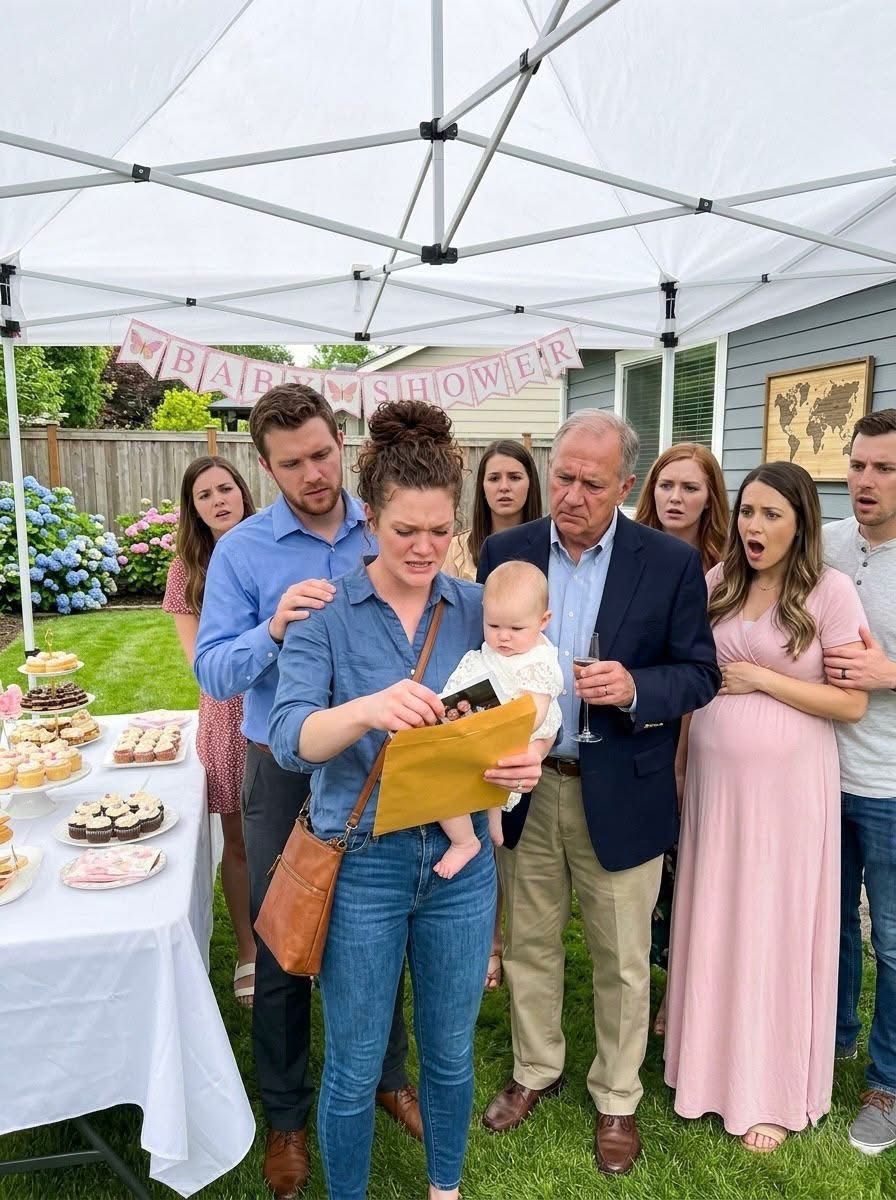
Dad lifted his glass to celebrate my sister’s baby and then looked at me and asked, “So… when’s your turn?” I answered, “Seven months ago. You were invited. Your favorite daughter threw it away.” The champagne caught the summer light before his words fully registered. He stood beneath a white rental tent in my sister Madison’s backyard, glass raised high, smiling like he had just been given the only family miracle that mattered. Pink ribbons moved gently in the warm air. Hydrangeas lined the fence. Paper plates shifted softly on the dessert table. And in my arms, resting against my shoulder in a lace-trimmed dress, was my seven-month-old daughter. His first granddaughter. The one he had never met. My name is Olivia Ortiz. I’m thirty-two, married, and tired in the way only a working mother can be—balancing a mortgage, a car payment, and a diaper bag packed for every possible emergency. I work in corporate operations, which means my days disappear into emails, meetings, and people asking for things they should have asked for days earlier. I’ve never been the dramatic one in my family. I’m the one who shows up early, writes thank-you notes, brings the casserole, remembers birthdays, and keeps the peace long after it stops being fair. My husband, Carlos, says that’s both my best quality and my worst one. That afternoon, I stood near the edge of Madison’s baby celebration while my father toasted her unborn child like she was about to make him a grandfather for the very first time. Madison stood beside him, one hand resting beneath her belly, wearing a pale designer dress that likely cost more than our monthly groceries. She lowered her eyes at the right moments, smiled just enough, and carried herself like she knew exactly how to command a room. Every few seconds, she glanced at me. Not long. Just enough. Carlos noticed it too. He stood beside me in the blue shirt he only wore when he was trying to get through my family without starting a fight. I felt the tension in him before he leaned close and whispered, “Don’t take the bait.” But it wasn’t just Madison. It was my father. He talked about finally becoming a grandfather. About the books he wanted to read at bedtime. About the toys he had already bought. About the nursery he was setting up at his house. That part nearly took the air out of me. Because seven months earlier, when Isabella was born, I called him from the hospital twice. The first call went to voicemail. The second time, Madison texted me instead. Dad’s overwhelmed right now. Let me tell him in a special way. I had just given birth. I was exhausted, shaking, still wearing a hospital bracelet—and I believed her. That should tell you everything about who I used to be. Madison is five years younger than me, and somewhere between my father teaching me to ride a bike and her learning how to charm a room, the balance in our family shifted. Nobody ever said I mattered less. It just showed up in small, polished ways that were easy to excuse. She got the car at sixteen. Her tuition was covered. Her wedding was paid for. Carlos and I got folding chairs in a backyard and my father telling me, “Simple suits you.” I told myself I didn’t care. Then I got pregnant. For a moment, I thought maybe a baby would change something. Carlos and I had been trying for almost two years—appointments, quiet drives, rearranged bills, and unspoken fears. When I saw those two lines, I sat on the bathroom floor crying so hard he thought something was wrong. Nothing was wrong. For once, something was right. I told Madison at twelve weeks. She hugged me, teared up, and said, “Let me tell Dad. I know exactly how to make it special.” That’s when it began. Plans shifted. Dinners happened without me. Invitations never reached me. Madison told people I was tired. Emotional. Needed space. She said it like she was protecting me. Some people don’t erase you loudly. They erase you quietly—by explaining your absence before you even realize you’ve been removed. Then she offered to plan my baby shower. Dates kept changing. Someone was busy. Someone canceled. Something always came up. Eventually, it just… never happened. Carlos saw it before I did. He noticed the patterns, the missed calls, the way my father seemed out of sync whenever I mentioned the baby. Then Isabella was born. Seven pounds, two ounces. Loud, stubborn, perfect. I sent photos. Invitations. Announcements. Nothing. No visit. No call. No confusion. Just excuses. When Isabella was six weeks old, I stopped by Madison’s house unannounced. She wasn’t home. Her housekeeper let me in. In her office, I saw the trash can. On top—my invitation. Under it—the hospital announcement. Under that—the christening card. Still unopened. Thrown away like junk mail. I took pictures. That night, I showed Carlos. He didn’t question it. He just said, “Now we know.” After that, everything became clearer. By the time I stood in that backyard, I wasn’t confused anymore. I had proof. A small cream envelope in my purse—nothing dramatic. Just enough. Screenshots. Photos. One message that explained everything. Carlos asked me in the car, “Are you sure you want to do this today?” I looked at Isabella in her seat and said, “If I don’t, she’ll keep stealing time.” Now my father finished his toast. Guests smiled. Madison leaned into her moment. Then he looked at me. Lifted his glass slightly. And said, loud enough for everyone to hear, “So, Olivia… when are you finally going to make me a grandfather?” The entire yard went silent. And when I opened my mouth— Madison’s smile finally changed. Because the first thing I said was… (I know many of you want the next part, so please wait a moment and check the comments below for the continuation. Thank you for your patience and understanding. Comment “YES” and give us a Like to receive the full story.)👇

Posted on May 27, 2026 By admin No Comments on Dad lifted his glass to celebrate my sister’s baby and then looked at me and asked, “So… when’s your turn?” I answered, “Seven months ago. You were invited. Your favorite daughter threw it away.” The champagne caught the summer light before his words fully registered. He stood beneath a white rental tent in my sister Madison’s backyard, glass raised high, smiling like he had just been given the only family miracle that mattered. Pink ribbons moved gently in the warm air. Hydrangeas lined the fence. Paper plates shifted softly on the dessert table. And in my arms, resting against my shoulder in a lace-trimmed dress, was my seven-month-old daughter. His first granddaughter. The one he had never met. My name is Olivia Ortiz. I’m thirty-two, married, and tired in the way only a working mother can be—balancing a mortgage, a car payment, and a diaper bag packed for every possible emergency. I work in corporate operations, which means my days disappear into emails, meetings, and people asking for things they should have asked for days earlier. I’ve never been the dramatic one in my family. I’m the one who shows up early, writes thank-you notes, brings the casserole, remembers birthdays, and keeps the peace long after it stops being fair. My husband, Carlos, says that’s both my best quality and my worst one. That afternoon, I stood near the edge of Madison’s baby celebration while my father toasted her unborn child like she was about to make him a grandfather for the very first time. Madison stood beside him, one hand resting beneath her belly, wearing a pale designer dress that likely cost more than our monthly groceries. She lowered her eyes at the right moments, smiled just enough, and carried herself like she knew exactly how to command a room. Every few seconds, she glanced at me. Not long. Just enough. Carlos noticed it too. He stood beside me in the blue shirt he only wore when he was trying to get through my family without starting a fight. I felt the tension in him before he leaned close and whispered, “Don’t take the bait.” But it wasn’t just Madison. It was my father. He talked about finally becoming a grandfather. About the books he wanted to read at bedtime. About the toys he had already bought. About the nursery he was setting up at his house. That part nearly took the air out of me. Because seven months earlier, when Isabella was born, I called him from the hospital twice. The first call went to voicemail. The second time, Madison texted me instead. Dad’s overwhelmed right now. Let me tell him in a special way. I had just given birth. I was exhausted, shaking, still wearing a hospital bracelet—and I believed her. That should tell you everything about who I used to be. Madison is five years younger than me, and somewhere between my father teaching me to ride a bike and her learning how to charm a room, the balance in our family shifted. Nobody ever said I mattered less. It just showed up in small, polished ways that were easy to excuse. She got the car at sixteen. Her tuition was covered. Her wedding was paid for. Carlos and I got folding chairs in a backyard and my father telling me, “Simple suits you.” I told myself I didn’t care. Then I got pregnant. For a moment, I thought maybe a baby would change something. Carlos and I had been trying for almost two years—appointments, quiet drives, rearranged bills, and unspoken fears. When I saw those two lines, I sat on the bathroom floor crying so hard he thought something was wrong. Nothing was wrong. For once, something was right. I told Madison at twelve weeks. She hugged me, teared up, and said, “Let me tell Dad. I know exactly how to make it special.” That’s when it began. Plans shifted. Dinners happened without me. Invitations never reached me. Madison told people I was tired. Emotional. Needed space. She said it like she was protecting me. Some people don’t erase you loudly. They erase you quietly—by explaining your absence before you even realize you’ve been removed. Then she offered to plan my baby shower. Dates kept changing. Someone was busy. Someone canceled. Something always came up. Eventually, it just… never happened. Carlos saw it before I did. He noticed the patterns, the missed calls, the way my father seemed out of sync whenever I mentioned the baby. Then Isabella was born. Seven pounds, two ounces. Loud, stubborn, perfect. I sent photos. Invitations. Announcements. Nothing. No visit. No call. No confusion. Just excuses. When Isabella was six weeks old, I stopped by Madison’s house unannounced. She wasn’t home. Her housekeeper let me in. In her office, I saw the trash can. On top—my invitation. Under it—the hospital announcement. Under that—the christening card. Still unopened. Thrown away like junk mail. I took pictures. That night, I showed Carlos. He didn’t question it. He just said, “Now we know.” After that, everything became clearer. By the time I stood in that backyard, I wasn’t confused anymore. I had proof. A small cream envelope in my purse—nothing dramatic. Just enough. Screenshots. Photos. One message that explained everything. Carlos asked me in the car, “Are you sure you want to do this today?” I looked at Isabella in her seat and said, “If I don’t, she’ll keep stealing time.” Now my father finished his toast. Guests smiled. Madison leaned into her moment. Then he looked at me. Lifted his glass slightly. And said, loud enough for everyone to hear, “So, Olivia… when are you finally going to make me a grandfather?” The entire yard went silent. And when I opened my mouth— Madison’s smile finally changed. Because the first thing I said was… (I know many of you want the next part, so please wait a moment and check the comments below for the continuation. Thank you for your patience and understanding. Comment “YES” and give us a Like to receive the full story.)👇
Dad lifted his glass to celebrate my sister’s baby and then looked at me and asked, “So… when’s your turn?” I answered, “Seven months ago. You were invited. Your favorite daughter threw it away.” The champagne caught the summer light before his words fully registered.  He stood beneath a white rental tent in my sister Madison’s backyard, glass raised high, smiling like he had just been given the only family miracle that mattered. Pink ribbons moved gently in the warm air. Hydrangeas lined the fence. Paper plates shifted softly on the dessert table.  And in my arms, resting against my shoulder in a lace-trimmed dress, was my seven-month-old daughter.  His first granddaughter.  The one he had never met.  My name is Olivia Ortiz. I’m thirty-two, married, and tired in the way only a working mother can be—balancing a mortgage, a car payment, and a diaper bag packed for every possible emergency. I work in corporate operations, which means my days disappear into emails, meetings, and people asking for things they should have asked for days earlier.  I’ve never been the dramatic one in my family. I’m the one who shows up early, writes thank-you notes, brings the casserole, remembers birthdays, and keeps the peace long after it stops being fair.  My husband, Carlos, says that’s both my best quality and my worst one.  That afternoon, I stood near the edge of Madison’s baby celebration while my father toasted her unborn child like she was about to make him a grandfather for the very first time.  Madison stood beside him, one hand resting beneath her belly, wearing a pale designer dress that likely cost more than our monthly groceries. She lowered her eyes at the right moments, smiled just enough, and carried herself like she knew exactly how to command a room.  Every few seconds, she glanced at me.  Not long. Just enough.  Carlos noticed it too. He stood beside me in the blue shirt he only wore when he was trying to get through my family without starting a fight. I felt the tension in him before he leaned close and whispered, “Don’t take the bait.”  But it wasn’t just Madison.  It was my father.  He talked about finally becoming a grandfather. About the books he wanted to read at bedtime. About the toys he had already bought. About the nursery he was setting up at his house.  That part nearly took the air out of me.  Because seven months earlier, when Isabella was born, I called him from the hospital twice. The first call went to voicemail. The second time, Madison texted me instead.  Dad’s overwhelmed right now. Let me tell him in a special way.  I had just given birth. I was exhausted, shaking, still wearing a hospital bracelet—and I believed her.  That should tell you everything about who I used to be.  Madison is five years younger than me, and somewhere between my father teaching me to ride a bike and her learning how to charm a room, the balance in our family shifted. Nobody ever said I mattered less. It just showed up in small, polished ways that were easy to excuse.  She got the car at sixteen. Her tuition was covered. Her wedding was paid for.  Carlos and I got folding chairs in a backyard and my father telling me, “Simple suits you.”  I told myself I didn’t care.  Then I got pregnant.  For a moment, I thought maybe a baby would change something. Carlos and I had been trying for almost two years—appointments, quiet drives, rearranged bills, and unspoken fears.  When I saw those two lines, I sat on the bathroom floor crying so hard he thought something was wrong.  Nothing was wrong.  For once, something was right.  I told Madison at twelve weeks. She hugged me, teared up, and said, “Let me tell Dad. I know exactly how to make it special.”  That’s when it began.  Plans shifted. Dinners happened without me. Invitations never reached me.  Madison told people I was tired. Emotional. Needed space.  She said it like she was protecting me.  Some people don’t erase you loudly.  They erase you quietly—by explaining your absence before you even realize you’ve been removed.  Then she offered to plan my baby shower. Dates kept changing. Someone was busy. Someone canceled. Something always came up.  Eventually, it just… never happened.  Carlos saw it before I did. He noticed the patterns, the missed calls, the way my father seemed out of sync whenever I mentioned the baby.  Then Isabella was born.  Seven pounds, two ounces. Loud, stubborn, perfect.  I sent photos. Invitations. Announcements.  Nothing.  No visit. No call. No confusion.  Just excuses.  When Isabella was six weeks old, I stopped by Madison’s house unannounced. She wasn’t home. Her housekeeper let me in.  In her office, I saw the trash can.  On top—my invitation. Under it—the hospital announcement. Under that—the christening card.  Still unopened.  Thrown away like junk mail.  I took pictures.  That night, I showed Carlos. He didn’t question it. He just said, “Now we know.”  After that, everything became clearer.  By the time I stood in that backyard, I wasn’t confused anymore.  I had proof.  A small cream envelope in my purse—nothing dramatic. Just enough. Screenshots. Photos. One message that explained everything.  Carlos asked me in the car, “Are you sure you want to do this today?”  I looked at Isabella in her seat and said, “If I don’t, she’ll keep stealing time.”  Now my father finished his toast. Guests smiled. Madison leaned into her moment.  Then he looked at me.  Lifted his glass slightly.  And said, loud enough for everyone to hear,  “So, Olivia… when are you finally going to make me a grandfather?”  The entire yard went silent.  And when I opened my mouth—  Madison’s smile finally changed.  Because the first thing I said was… (I know many of you want the next part, so please wait a moment and check the comments below for the continuation. Thank you for your patience and understanding. Comment “YES” and give us a Like to receive the full story.)👇

The champagne caught the sunlight before Olivia heard her father say a word. He stood beneath the white rental tent in Madison’s backyard with a crystal glass lifted high and a smile so wide and so practiced it could have convinced anyone watching that this was the happiest afternoon of his life. Pink ribbons swayed…

Read More “Dad lifted his glass to celebrate my sister’s baby and then looked at me and asked, “So… when’s your turn?” I answered, “Seven months ago. You were invited. Your favorite daughter threw it away.” The champagne caught the summer light before his words fully registered. He stood beneath a white rental tent in my sister Madison’s backyard, glass raised high, smiling like he had just been given the only family miracle that mattered. Pink ribbons moved gently in the warm air. Hydrangeas lined the fence. Paper plates shifted softly on the dessert table. And in my arms, resting against my shoulder in a lace-trimmed dress, was my seven-month-old daughter. His first granddaughter. The one he had never met. My name is Olivia Ortiz. I’m thirty-two, married, and tired in the way only a working mother can be—balancing a mortgage, a car payment, and a diaper bag packed for every possible emergency. I work in corporate operations, which means my days disappear into emails, meetings, and people asking for things they should have asked for days earlier. I’ve never been the dramatic one in my family. I’m the one who shows up early, writes thank-you notes, brings the casserole, remembers birthdays, and keeps the peace long after it stops being fair. My husband, Carlos, says that’s both my best quality and my worst one. That afternoon, I stood near the edge of Madison’s baby celebration while my father toasted her unborn child like she was about to make him a grandfather for the very first time. Madison stood beside him, one hand resting beneath her belly, wearing a pale designer dress that likely cost more than our monthly groceries. She lowered her eyes at the right moments, smiled just enough, and carried herself like she knew exactly how to command a room. Every few seconds, she glanced at me. Not long. Just enough. Carlos noticed it too. He stood beside me in the blue shirt he only wore when he was trying to get through my family without starting a fight. I felt the tension in him before he leaned close and whispered, “Don’t take the bait.” But it wasn’t just Madison. It was my father. He talked about finally becoming a grandfather. About the books he wanted to read at bedtime. About the toys he had already bought. About the nursery he was setting up at his house. That part nearly took the air out of me. Because seven months earlier, when Isabella was born, I called him from the hospital twice. The first call went to voicemail. The second time, Madison texted me instead. Dad’s overwhelmed right now. Let me tell him in a special way. I had just given birth. I was exhausted, shaking, still wearing a hospital bracelet—and I believed her. That should tell you everything about who I used to be. Madison is five years younger than me, and somewhere between my father teaching me to ride a bike and her learning how to charm a room, the balance in our family shifted. Nobody ever said I mattered less. It just showed up in small, polished ways that were easy to excuse. She got the car at sixteen. Her tuition was covered. Her wedding was paid for. Carlos and I got folding chairs in a backyard and my father telling me, “Simple suits you.” I told myself I didn’t care. Then I got pregnant. For a moment, I thought maybe a baby would change something. Carlos and I had been trying for almost two years—appointments, quiet drives, rearranged bills, and unspoken fears. When I saw those two lines, I sat on the bathroom floor crying so hard he thought something was wrong. Nothing was wrong. For once, something was right. I told Madison at twelve weeks. She hugged me, teared up, and said, “Let me tell Dad. I know exactly how to make it special.” That’s when it began. Plans shifted. Dinners happened without me. Invitations never reached me. Madison told people I was tired. Emotional. Needed space. She said it like she was protecting me. Some people don’t erase you loudly. They erase you quietly—by explaining your absence before you even realize you’ve been removed. Then she offered to plan my baby shower. Dates kept changing. Someone was busy. Someone canceled. Something always came up. Eventually, it just… never happened. Carlos saw it before I did. He noticed the patterns, the missed calls, the way my father seemed out of sync whenever I mentioned the baby. Then Isabella was born. Seven pounds, two ounces. Loud, stubborn, perfect. I sent photos. Invitations. Announcements. Nothing. No visit. No call. No confusion. Just excuses. When Isabella was six weeks old, I stopped by Madison’s house unannounced. She wasn’t home. Her housekeeper let me in. In her office, I saw the trash can. On top—my invitation. Under it—the hospital announcement. Under that—the christening card. Still unopened. Thrown away like junk mail. I took pictures. That night, I showed Carlos. He didn’t question it. He just said, “Now we know.” After that, everything became clearer. By the time I stood in that backyard, I wasn’t confused anymore. I had proof. A small cream envelope in my purse—nothing dramatic. Just enough. Screenshots. Photos. One message that explained everything. Carlos asked me in the car, “Are you sure you want to do this today?” I looked at Isabella in her seat and said, “If I don’t, she’ll keep stealing time.” Now my father finished his toast. Guests smiled. Madison leaned into her moment. Then he looked at me. Lifted his glass slightly. And said, loud enough for everyone to hear, “So, Olivia… when are you finally going to make me a grandfather?” The entire yard went silent. And when I opened my mouth— Madison’s smile finally changed. Because the first thing I said was… (I know many of you want the next part, so please wait a moment and check the comments below for the continuation. Thank you for your patience and understanding. Comment “YES” and give us a Like to receive the full story.)👇” »

Uncategorized

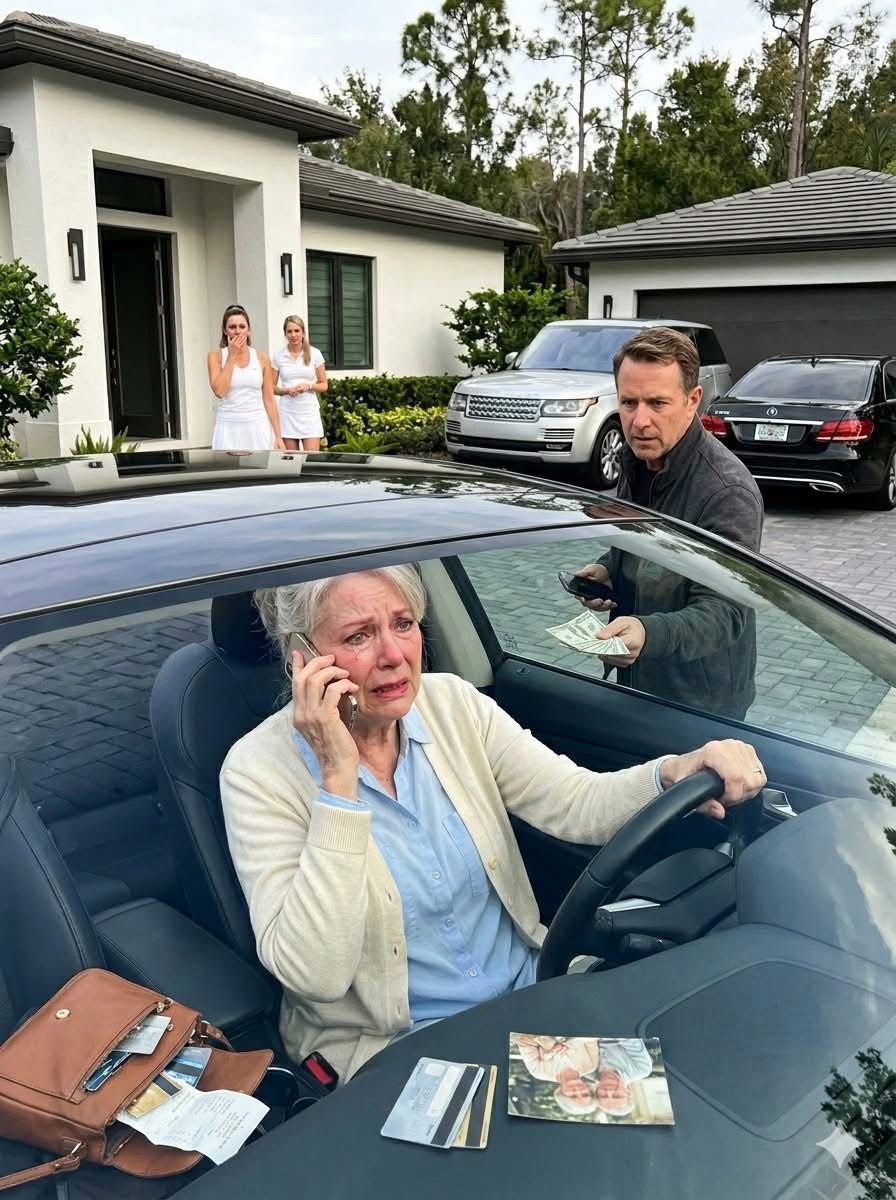
My son froze my credit cards so I couldn’t even buy groceries. He thinks he controls our $42 million empire—but one call from the bank made me realize he has no idea what I’m about to do. First my credit card was declined. Then my debit. Then my backup card—the one that had never failed me in nearly three decades of marriage or in the years since Warren passed. The terminal let out that sharp, final beep that makes everything feel heavier. The air smelled like chilled chicken, fresh tomatoes, and expensive olive oil—the kind Warren used to choose with ridiculous care, as if a single bottle could shape the whole evening. The cashier gave me a careful, polite smile. “Do you have another form of payment?” she asked. Someone behind me shifted. A cart bumped lightly into mine. I could feel the attention, even though no one was openly staring. “Try the debit again,” I said. She did. Declined. Again. I left the cart where it was—chicken, bread, tomatoes, everything—and walked out with my head held high, even though my hands were trembling. In the car, I opened my wallet. No cash. Just a faded photo of Warren from one of our anniversaries—the smile of a man who started as a mechanic and built something extraordinary with me. Twelve dealerships. Three states. Forty-two million dollars. And that morning, I couldn’t even buy groceries. I called the bank. After the endless menu prompts and hold music, someone finally answered. “All your accounts are currently frozen, Mrs. Morrison,” the representative said. “You’ll need to visit a branch for further information.” I didn’t need more information. I already knew who had done it. My son, Desmond. My miracle after years of trying. The child I stayed up nights for. The teenager I pushed to work so he’d understand that effort mattered more than a last name. The man I trusted enough to give access—because I believed trust meant something. Because he was my son. Because I thought that still mattered. Some betrayals don’t arrive loudly. They begin quietly—with signatures given out of love, access granted out of trust, and a seat at the table that someone mistakes for ownership. I drove straight to his house—the one I helped him secure in a perfect neighborhood with trimmed lawns and quiet streets. His Range Rover sat in the driveway. Karen’s Mercedes beside it. Both tied, in one way or another, to everything I had built. Karen opened the door, dressed for tennis, composed, smiling. “Oh, Nora. What a surprise.” “My cards aren’t working,” I said. “The bank says my accounts are frozen. Where is my son?” She barely reacted. “You should have called earlier,” she said. “He handled that this morning. Boundaries.” Boundaries. It sounded almost refined coming from someone whose lifestyle depended entirely on me. Desmond stepped into view. He had Warren’s face—but none of his restraint. “Yes, I froze the accounts,” he said calmly. “We need to talk about your spending. Someone has to protect the family assets.” “The family assets?” I repeated. “Your father and I built that.” Karen sighed. “Here we go again,” she said. “Same story.” Then they laid out their plan like it was already decided. Sell the business. Cash out. Documents I supposedly signed after surgery. Legal control through power of attorney. My removal from decisions. My access gone. My voice gone. At 10:54, Desmond pulled two crisp twenty-dollar bills from his wallet and held them out. “Here, Mom. For groceries.” Forty dollars. For the woman who built everything. I didn’t take them. “I’d rather go without,” I said, “than take money from what I created.” Karen let out a quiet laugh. “You’ll come around,” she said. “When you’re ready to be reasonable, we can talk about a monthly allowance.” Allowance. They spoke about moving me somewhere else. About me stepping aside. About finishing what they had already started. The room went still. Then Desmond said the one thing he thought would break me. “If you fight this,” he said quietly, “you won’t see your grandchildren again.” I walked out. Sat in my car. Hands on the wheel. Breathing slowly. In one morning, my son had frozen my money, tried to take control of my company, and threatened to take my family with it. Then my phone rang. Unknown number. “Mrs. Morrison?” a man said. “This is Frederick Peton from private banking. We need to speak with you about unusual activity.” “Unusual?” “There were multiple transfer attempts this morning,” he said. “Approximately twenty-three million dollars.” I tightened my grip on the phone. “However,” he continued, “several accounts are protected by security layers you established years ago. The transfers were blocked. Only you can authorize access.” I looked back at the house. Karen was still standing at the window. Certain I was falling apart. And in that moment—with my cards frozen, forty dollars still sitting between us, and my son trying to move money he couldn’t reach— I finally understood something he didn’t. He thought he had taken everything from me. He had no idea what I had protected. 👇 Full story continues in the first comment
Posted on May 27, 2026 By admin No Comments on My son froze my credit cards so I couldn’t even buy groceries. He thinks he controls our $42 million empire—but one call from the bank made me realize he has no idea what I’m about to do. First my credit card was declined. Then my debit. Then my backup card—the one that had never failed me in nearly three decades of marriage or in the years since Warren passed. The terminal let out that sharp, final beep that makes everything feel heavier. The air smelled like chilled chicken, fresh tomatoes, and expensive olive oil—the kind Warren used to choose with ridiculous care, as if a single bottle could shape the whole evening. The cashier gave me a careful, polite smile. “Do you have another form of payment?” she asked. Someone behind me shifted. A cart bumped lightly into mine. I could feel the attention, even though no one was openly staring. “Try the debit again,” I said. She did. Declined. Again. I left the cart where it was—chicken, bread, tomatoes, everything—and walked out with my head held high, even though my hands were trembling. In the car, I opened my wallet. No cash. Just a faded photo of Warren from one of our anniversaries—the smile of a man who started as a mechanic and built something extraordinary with me. Twelve dealerships. Three states. Forty-two million dollars. And that morning, I couldn’t even buy groceries. I called the bank. After the endless menu prompts and hold music, someone finally answered. “All your accounts are currently frozen, Mrs. Morrison,” the representative said. “You’ll need to visit a branch for further information.” I didn’t need more information. I already knew who had done it. My son, Desmond. My miracle after years of trying. The child I stayed up nights for. The teenager I pushed to work so he’d understand that effort mattered more than a last name. The man I trusted enough to give access—because I believed trust meant something. Because he was my son. Because I thought that still mattered. Some betrayals don’t arrive loudly. They begin quietly—with signatures given out of love, access granted out of trust, and a seat at the table that someone mistakes for ownership. I drove straight to his house—the one I helped him secure in a perfect neighborhood with trimmed lawns and quiet streets. His Range Rover sat in the driveway. Karen’s Mercedes beside it. Both tied, in one way or another, to everything I had built. Karen opened the door, dressed for tennis, composed, smiling. “Oh, Nora. What a surprise.” “My cards aren’t working,” I said. “The bank says my accounts are frozen. Where is my son?” She barely reacted. “You should have called earlier,” she said. “He handled that this morning. Boundaries.” Boundaries. It sounded almost refined coming from someone whose lifestyle depended entirely on me. Desmond stepped into view. He had Warren’s face—but none of his restraint. “Yes, I froze the accounts,” he said calmly. “We need to talk about your spending. Someone has to protect the family assets.” “The family assets?” I repeated. “Your father and I built that.” Karen sighed. “Here we go again,” she said. “Same story.” Then they laid out their plan like it was already decided. Sell the business. Cash out. Documents I supposedly signed after surgery. Legal control through power of attorney. My removal from decisions. My access gone. My voice gone. At 10:54, Desmond pulled two crisp twenty-dollar bills from his wallet and held them out. “Here, Mom. For groceries.” Forty dollars. For the woman who built everything. I didn’t take them. “I’d rather go without,” I said, “than take money from what I created.” Karen let out a quiet laugh. “You’ll come around,” she said. “When you’re ready to be reasonable, we can talk about a monthly allowance.” Allowance. They spoke about moving me somewhere else. About me stepping aside. About finishing what they had already started. The room went still. Then Desmond said the one thing he thought would break me. “If you fight this,” he said quietly, “you won’t see your grandchildren again.” I walked out. Sat in my car. Hands on the wheel. Breathing slowly. In one morning, my son had frozen my money, tried to take control of my company, and threatened to take my family with it. Then my phone rang. Unknown number. “Mrs. Morrison?” a man said. “This is Frederick Peton from private banking. We need to speak with you about unusual activity.” “Unusual?” “There were multiple transfer attempts this morning,” he said. “Approximately twenty-three million dollars.” I tightened my grip on the phone. “However,” he continued, “several accounts are protected by security layers you established years ago. The transfers were blocked. Only you can authorize access.” I looked back at the house. Karen was still standing at the window. Certain I was falling apart. And in that moment—with my cards frozen, forty dollars still sitting between us, and my son trying to move money he couldn’t reach— I finally understood something he didn’t. He thought he had taken everything from me. He had no idea what I had protected. 👇 Full story continues in the first comment
My son froze my credit cards so I couldn’t even buy groceries. He thinks he controls our $42 million empire—but one call from the bank made me realize he has no idea what I’m about to do.  First my credit card was declined. Then my debit. Then my backup card—the one that had never failed me in nearly three decades of marriage or in the years since Warren passed.  The terminal let out that sharp, final beep that makes everything feel heavier.  The air smelled like chilled chicken, fresh tomatoes, and expensive olive oil—the kind Warren used to choose with ridiculous care, as if a single bottle could shape the whole evening.  The cashier gave me a careful, polite smile.  “Do you have another form of payment?” she asked.  Someone behind me shifted. A cart bumped lightly into mine. I could feel the attention, even though no one was openly staring.  “Try the debit again,” I said.  She did.  Declined.  Again.  I left the cart where it was—chicken, bread, tomatoes, everything—and walked out with my head held high, even though my hands were trembling.  In the car, I opened my wallet.  No cash.  Just a faded photo of Warren from one of our anniversaries—the smile of a man who started as a mechanic and built something extraordinary with me.  Twelve dealerships. Three states. Forty-two million dollars.  And that morning, I couldn’t even buy groceries.  I called the bank. After the endless menu prompts and hold music, someone finally answered.  “All your accounts are currently frozen, Mrs. Morrison,” the representative said. “You’ll need to visit a branch for further information.”  I didn’t need more information.  I already knew who had done it.  My son, Desmond.  My miracle after years of trying. The child I stayed up nights for. The teenager I pushed to work so he’d understand that effort mattered more than a last name. The man I trusted enough to give access—because I believed trust meant something.  Because he was my son.  Because I thought that still mattered.  Some betrayals don’t arrive loudly.  They begin quietly—with signatures given out of love, access granted out of trust, and a seat at the table that someone mistakes for ownership.  I drove straight to his house—the one I helped him secure in a perfect neighborhood with trimmed lawns and quiet streets. His Range Rover sat in the driveway. Karen’s Mercedes beside it. Both tied, in one way or another, to everything I had built.  Karen opened the door, dressed for tennis, composed, smiling.  “Oh, Nora. What a surprise.”  “My cards aren’t working,” I said. “The bank says my accounts are frozen. Where is my son?”  She barely reacted.  “You should have called earlier,” she said. “He handled that this morning. Boundaries.”  Boundaries.  It sounded almost refined coming from someone whose lifestyle depended entirely on me.  Desmond stepped into view.  He had Warren’s face—but none of his restraint.  “Yes, I froze the accounts,” he said calmly. “We need to talk about your spending. Someone has to protect the family assets.”  “The family assets?” I repeated. “Your father and I built that.”  Karen sighed.  “Here we go again,” she said. “Same story.”  Then they laid out their plan like it was already decided.  Sell the business. Cash out. Documents I supposedly signed after surgery. Legal control through power of attorney. My removal from decisions. My access gone.  My voice gone.  At 10:54, Desmond pulled two crisp twenty-dollar bills from his wallet and held them out.  “Here, Mom. For groceries.”  Forty dollars.  For the woman who built everything.  I didn’t take them.  “I’d rather go without,” I said, “than take money from what I created.”  Karen let out a quiet laugh.  “You’ll come around,” she said. “When you’re ready to be reasonable, we can talk about a monthly allowance.”  Allowance.  They spoke about moving me somewhere else. About me stepping aside. About finishing what they had already started.  The room went still.  Then Desmond said the one thing he thought would break me.  “If you fight this,” he said quietly, “you won’t see your grandchildren again.”  I walked out.  Sat in my car.  Hands on the wheel.  Breathing slowly.  In one morning, my son had frozen my money, tried to take control of my company, and threatened to take my family with it.  Then my phone rang.  Unknown number.  “Mrs. Morrison?” a man said. “This is Frederick Peton from private banking. We need to speak with you about unusual activity.”  “Unusual?”  “There were multiple transfer attempts this morning,” he said. “Approximately twenty-three million dollars.”  I tightened my grip on the phone.  “However,” he continued, “several accounts are protected by security layers you established years ago. The transfers were blocked. Only you can authorize access.”  I looked back at the house.  Karen was still standing at the window.  Certain I was falling apart.  And in that moment—with my cards frozen, forty dollars still sitting between us, and my son trying to move money he couldn’t reach—  I finally understood something he didn’t.  He thought he had taken everything from me.  He had no idea what I had protected.  👇 Full story continues in the first comment

The first card was declined at the grocery store on a Tuesday morning, which is the kind of day these things happen, not on a dramatic Friday evening or a charged holiday but on an ordinary Tuesday when you are standing in line behind a woman buying bananas and a man returning a watermelon and…

Read More “My son froze my credit cards so I couldn’t even buy groceries. He thinks he controls our $42 million empire—but one call from the bank made me realize he has no idea what I’m about to do. First my credit card was declined. Then my debit. Then my backup card—the one that had never failed me in nearly three decades of marriage or in the years since Warren passed. The terminal let out that sharp, final beep that makes everything feel heavier. The air smelled like chilled chicken, fresh tomatoes, and expensive olive oil—the kind Warren used to choose with ridiculous care, as if a single bottle could shape the whole evening. The cashier gave me a careful, polite smile. “Do you have another form of payment?” she asked. Someone behind me shifted. A cart bumped lightly into mine. I could feel the attention, even though no one was openly staring. “Try the debit again,” I said. She did. Declined. Again. I left the cart where it was—chicken, bread, tomatoes, everything—and walked out with my head held high, even though my hands were trembling. In the car, I opened my wallet. No cash. Just a faded photo of Warren from one of our anniversaries—the smile of a man who started as a mechanic and built something extraordinary with me. Twelve dealerships. Three states. Forty-two million dollars. And that morning, I couldn’t even buy groceries. I called the bank. After the endless menu prompts and hold music, someone finally answered. “All your accounts are currently frozen, Mrs. Morrison,” the representative said. “You’ll need to visit a branch for further information.” I didn’t need more information. I already knew who had done it. My son, Desmond. My miracle after years of trying. The child I stayed up nights for. The teenager I pushed to work so he’d understand that effort mattered more than a last name. The man I trusted enough to give access—because I believed trust meant something. Because he was my son. Because I thought that still mattered. Some betrayals don’t arrive loudly. They begin quietly—with signatures given out of love, access granted out of trust, and a seat at the table that someone mistakes for ownership. I drove straight to his house—the one I helped him secure in a perfect neighborhood with trimmed lawns and quiet streets. His Range Rover sat in the driveway. Karen’s Mercedes beside it. Both tied, in one way or another, to everything I had built. Karen opened the door, dressed for tennis, composed, smiling. “Oh, Nora. What a surprise.” “My cards aren’t working,” I said. “The bank says my accounts are frozen. Where is my son?” She barely reacted. “You should have called earlier,” she said. “He handled that this morning. Boundaries.” Boundaries. It sounded almost refined coming from someone whose lifestyle depended entirely on me. Desmond stepped into view. He had Warren’s face—but none of his restraint. “Yes, I froze the accounts,” he said calmly. “We need to talk about your spending. Someone has to protect the family assets.” “The family assets?” I repeated. “Your father and I built that.” Karen sighed. “Here we go again,” she said. “Same story.” Then they laid out their plan like it was already decided. Sell the business. Cash out. Documents I supposedly signed after surgery. Legal control through power of attorney. My removal from decisions. My access gone. My voice gone. At 10:54, Desmond pulled two crisp twenty-dollar bills from his wallet and held them out. “Here, Mom. For groceries.” Forty dollars. For the woman who built everything. I didn’t take them. “I’d rather go without,” I said, “than take money from what I created.” Karen let out a quiet laugh. “You’ll come around,” she said. “When you’re ready to be reasonable, we can talk about a monthly allowance.” Allowance. They spoke about moving me somewhere else. About me stepping aside. About finishing what they had already started. The room went still. Then Desmond said the one thing he thought would break me. “If you fight this,” he said quietly, “you won’t see your grandchildren again.” I walked out. Sat in my car. Hands on the wheel. Breathing slowly. In one morning, my son had frozen my money, tried to take control of my company, and threatened to take my family with it. Then my phone rang. Unknown number. “Mrs. Morrison?” a man said. “This is Frederick Peton from private banking. We need to speak with you about unusual activity.” “Unusual?” “There were multiple transfer attempts this morning,” he said. “Approximately twenty-three million dollars.” I tightened my grip on the phone. “However,” he continued, “several accounts are protected by security layers you established years ago. The transfers were blocked. Only you can authorize access.” I looked back at the house. Karen was still standing at the window. Certain I was falling apart. And in that moment—with my cards frozen, forty dollars still sitting between us, and my son trying to move money he couldn’t reach— I finally understood something he didn’t. He thought he had taken everything from me. He had no idea what I had protected. 👇 Full story continues in the first comment” »

Uncategorized

My own daughter left me a light, almost cheerful voicemail saying, “Mom, you don’t need to come this summer. Kevin thinks it’s better if we keep the lake house just for our family,” as if the cedar walls, the sage-green door, the dock, the porch swing, and every nail in that place hadn’t been paid for with my money and built from my late husband’s dream. So I said nothing, signed the papers quietly, and let them drive up for the Fourth of July with Kevin’s parents, the kids, and all their carefully planned expectations… and when Lorraine called me in a panic about a stranger’s car in the driveway, I finally answered and said, “I made space.” The voicemail came on a Tuesday evening at 6:47 while I stood at the stove stirring chicken and dumplings. I remember the exact time because the green clock above the microwave glowed in the dim kitchen, and because when something changes your life, your mind clings to small, meaningless details. Six forty-seven. A saucepan lid near the sink. The smell of thyme and pepper. One dumpling folded in on itself because I dropped it too quickly. My hands were damp, so I tapped speaker with my wrist. Lorraine’s voice came through bright, clipped, already rushing. “Hey, Mom. So, listen. Kevin and I talked, and we think it’s best if you don’t come to the lake house this summer. The kids want to bring friends, and Kevin’s parents are flying in from Denver, and there just isn’t enough space. You understand, right? We’ll plan another time. Love you.” Then a click. Then silence. Then the automated voice asking if I wanted to save or delete. I stood there with the spoon still in my hand, steam rising into my face, feeling something inside me go very still. Almost calm. I turned off the stove. The dumplings sat half-finished in the broth, pale and undone, and for a brief, strange moment I thought, Samuel would not like that. Not angry—never that. But he would have looked into the pot, sighed, and said, “Dot, patience matters. You don’t stop halfway.” Forty-one years of marriage, and that was the lesson that stayed: patience. Stir slowly. Wait. Let things take shape in their own time. Don’t rush the broth. Don’t pull bread out early just because you’re tired. I had spent most of my life believing patience was a virtue. That night, I started to understand it could also be something else entirely. My name is Dorothy May Hastings. I’m sixty-eight years old. I worked as a registered nurse at Grady Memorial Hospital in Atlanta for thirty-four years. I delivered babies, held hands at the end of life, cleaned wounds most people couldn’t look at, and rarely missed a shift unless I physically couldn’t stand. I was never raised to be fragile. I grew up outside Macon with a mother who believed idle hands led to trouble and a father who showed love by fixing things before you noticed they were broken. By nineteen, I knew how to make biscuits, check a fever without a thermometer, balance a checkbook, and calm someone with nothing but my voice. That last skill made me a good nurse. Later, it made me a very convenient mother. I retired at sixty-two, not because I needed to, but because Samuel got sick and I wanted whatever time remained to belong to us. Pancreatic cancer doesn’t negotiate. It doesn’t wait for plans or timing. It arrives suddenly and begins closing doors you didn’t know could close. He lasted fourteen months. People say, “At least you had time,” but there’s no preparing for losing the person who shared your life for forty years. There’s only the routine of it—appointments, medications, sleepless nights, quiet moments where you realize something has changed before anyone says it out loud. After he passed, I made him a promise. Nothing dramatic. No witnesses. Just me, alone, sitting on my side of the bed, my hand resting where he used to be. I told him I would build the lake house. We had talked about it for years. Nothing extravagant. Just something simple near Lake Oconee. A wide porch. Good chairs. A dock for the grandchildren. Samuel used to sketch it on napkins at restaurants. A porch swing facing west. A kitchen big enough for holidays. A screen door slamming behind kids running in from the water. Pine floors. A fire pit. A place that smelled like cedar, coffee, sunscreen, and lake air. A place where family could gather and remember what mattered. After he was gone, that dream stopped being “someday.” It became a promise. (I know you’re curious about what happens next—please be patient and continue in the comments below. If you want the full story, leave a “YES” and don’t forget to like 👇)
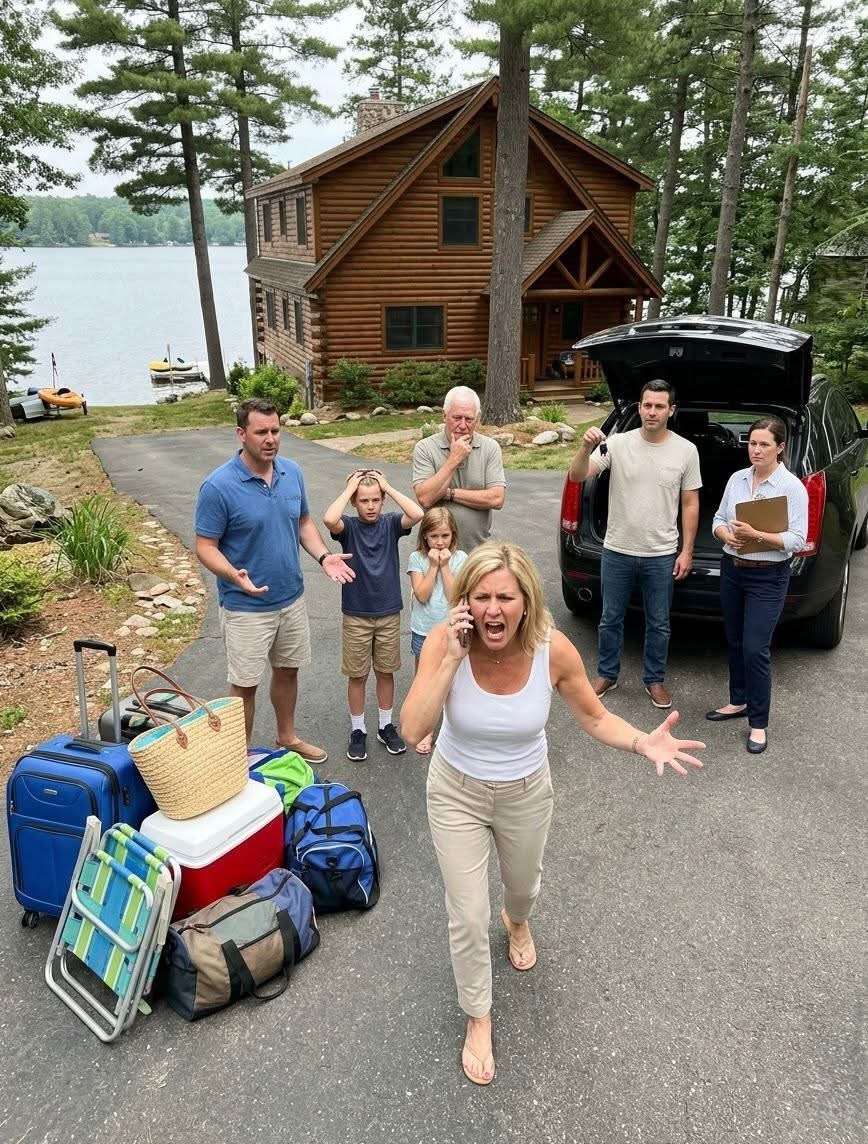
Posted on May 27, 2026 By admin No Comments on My own daughter left me a light, almost cheerful voicemail saying, “Mom, you don’t need to come this summer. Kevin thinks it’s better if we keep the lake house just for our family,” as if the cedar walls, the sage-green door, the dock, the porch swing, and every nail in that place hadn’t been paid for with my money and built from my late husband’s dream. So I said nothing, signed the papers quietly, and let them drive up for the Fourth of July with Kevin’s parents, the kids, and all their carefully planned expectations… and when Lorraine called me in a panic about a stranger’s car in the driveway, I finally answered and said, “I made space.” The voicemail came on a Tuesday evening at 6:47 while I stood at the stove stirring chicken and dumplings. I remember the exact time because the green clock above the microwave glowed in the dim kitchen, and because when something changes your life, your mind clings to small, meaningless details. Six forty-seven. A saucepan lid near the sink. The smell of thyme and pepper. One dumpling folded in on itself because I dropped it too quickly. My hands were damp, so I tapped speaker with my wrist. Lorraine’s voice came through bright, clipped, already rushing. “Hey, Mom. So, listen. Kevin and I talked, and we think it’s best if you don’t come to the lake house this summer. The kids want to bring friends, and Kevin’s parents are flying in from Denver, and there just isn’t enough space. You understand, right? We’ll plan another time. Love you.” Then a click. Then silence. Then the automated voice asking if I wanted to save or delete. I stood there with the spoon still in my hand, steam rising into my face, feeling something inside me go very still. Almost calm. I turned off the stove. The dumplings sat half-finished in the broth, pale and undone, and for a brief, strange moment I thought, Samuel would not like that. Not angry—never that. But he would have looked into the pot, sighed, and said, “Dot, patience matters. You don’t stop halfway.” Forty-one years of marriage, and that was the lesson that stayed: patience. Stir slowly. Wait. Let things take shape in their own time. Don’t rush the broth. Don’t pull bread out early just because you’re tired. I had spent most of my life believing patience was a virtue. That night, I started to understand it could also be something else entirely. My name is Dorothy May Hastings. I’m sixty-eight years old. I worked as a registered nurse at Grady Memorial Hospital in Atlanta for thirty-four years. I delivered babies, held hands at the end of life, cleaned wounds most people couldn’t look at, and rarely missed a shift unless I physically couldn’t stand. I was never raised to be fragile. I grew up outside Macon with a mother who believed idle hands led to trouble and a father who showed love by fixing things before you noticed they were broken. By nineteen, I knew how to make biscuits, check a fever without a thermometer, balance a checkbook, and calm someone with nothing but my voice. That last skill made me a good nurse. Later, it made me a very convenient mother. I retired at sixty-two, not because I needed to, but because Samuel got sick and I wanted whatever time remained to belong to us. Pancreatic cancer doesn’t negotiate. It doesn’t wait for plans or timing. It arrives suddenly and begins closing doors you didn’t know could close. He lasted fourteen months. People say, “At least you had time,” but there’s no preparing for losing the person who shared your life for forty years. There’s only the routine of it—appointments, medications, sleepless nights, quiet moments where you realize something has changed before anyone says it out loud. After he passed, I made him a promise. Nothing dramatic. No witnesses. Just me, alone, sitting on my side of the bed, my hand resting where he used to be. I told him I would build the lake house. We had talked about it for years. Nothing extravagant. Just something simple near Lake Oconee. A wide porch. Good chairs. A dock for the grandchildren. Samuel used to sketch it on napkins at restaurants. A porch swing facing west. A kitchen big enough for holidays. A screen door slamming behind kids running in from the water. Pine floors. A fire pit. A place that smelled like cedar, coffee, sunscreen, and lake air. A place where family could gather and remember what mattered. After he was gone, that dream stopped being “someday.” It became a promise. (I know you’re curious about what happens next—please be patient and continue in the comments below. If you want the full story, leave a “YES” and don’t forget to like 👇)
My own daughter left me a light, almost cheerful voicemail saying, “Mom, you don’t need to come this summer. Kevin thinks it’s better if we keep the lake house just for our family,” as if the cedar walls, the sage-green door, the dock, the porch swing, and every nail in that place hadn’t been paid for with my money and built from my late husband’s dream. So I said nothing, signed the papers quietly, and let them drive up for the Fourth of July with Kevin’s parents, the kids, and all their carefully planned expectations… and when Lorraine called me in a panic about a stranger’s car in the driveway, I finally answered and said, “I made space.”  The voicemail came on a Tuesday evening at 6:47 while I stood at the stove stirring chicken and dumplings.  I remember the exact time because the green clock above the microwave glowed in the dim kitchen, and because when something changes your life, your mind clings to small, meaningless details. Six forty-seven. A saucepan lid near the sink. The smell of thyme and pepper. One dumpling folded in on itself because I dropped it too quickly.  My hands were damp, so I tapped speaker with my wrist.  Lorraine’s voice came through bright, clipped, already rushing.  “Hey, Mom. So, listen. Kevin and I talked, and we think it’s best if you don’t come to the lake house this summer. The kids want to bring friends, and Kevin’s parents are flying in from Denver, and there just isn’t enough space. You understand, right? We’ll plan another time. Love you.”  Then a click.  Then silence.  Then the automated voice asking if I wanted to save or delete.  I stood there with the spoon still in my hand, steam rising into my face, feeling something inside me go very still.  Almost calm.  I turned off the stove.  The dumplings sat half-finished in the broth, pale and undone, and for a brief, strange moment I thought, Samuel would not like that.  Not angry—never that. But he would have looked into the pot, sighed, and said, “Dot, patience matters. You don’t stop halfway.”  Forty-one years of marriage, and that was the lesson that stayed: patience.  Stir slowly. Wait. Let things take shape in their own time. Don’t rush the broth. Don’t pull bread out early just because you’re tired.  I had spent most of my life believing patience was a virtue.  That night, I started to understand it could also be something else entirely.  My name is Dorothy May Hastings. I’m sixty-eight years old. I worked as a registered nurse at Grady Memorial Hospital in Atlanta for thirty-four years. I delivered babies, held hands at the end of life, cleaned wounds most people couldn’t look at, and rarely missed a shift unless I physically couldn’t stand.  I was never raised to be fragile.  I grew up outside Macon with a mother who believed idle hands led to trouble and a father who showed love by fixing things before you noticed they were broken.  By nineteen, I knew how to make biscuits, check a fever without a thermometer, balance a checkbook, and calm someone with nothing but my voice.  That last skill made me a good nurse.  Later, it made me a very convenient mother.  I retired at sixty-two, not because I needed to, but because Samuel got sick and I wanted whatever time remained to belong to us.  Pancreatic cancer doesn’t negotiate. It doesn’t wait for plans or timing. It arrives suddenly and begins closing doors you didn’t know could close.  He lasted fourteen months.  People say, “At least you had time,” but there’s no preparing for losing the person who shared your life for forty years. There’s only the routine of it—appointments, medications, sleepless nights, quiet moments where you realize something has changed before anyone says it out loud.  After he passed, I made him a promise.  Nothing dramatic. No witnesses. Just me, alone, sitting on my side of the bed, my hand resting where he used to be.  I told him I would build the lake house.  We had talked about it for years. Nothing extravagant. Just something simple near Lake Oconee. A wide porch. Good chairs. A dock for the grandchildren.  Samuel used to sketch it on napkins at restaurants.  A porch swing facing west. A kitchen big enough for holidays. A screen door slamming behind kids running in from the water. Pine floors. A fire pit. A place that smelled like cedar, coffee, sunscreen, and lake air.  A place where family could gather and remember what mattered.  After he was gone, that dream stopped being “someday.”  It became a promise.  (I know you’re curious about what happens next—please be patient and continue in the comments below. If you want the full story, leave a “YES” and don’t forget to like 👇)

The voicemail came on a Tuesday at 6:47 in the evening while I was standing at the stove stirring a pot of chicken and dumplings. I know the exact time because the digital clock above the microwave glowed green against the dim kitchen light, and because when a sentence alters the shape of your life,…

Read More “My own daughter left me a light, almost cheerful voicemail saying, “Mom, you don’t need to come this summer. Kevin thinks it’s better if we keep the lake house just for our family,” as if the cedar walls, the sage-green door, the dock, the porch swing, and every nail in that place hadn’t been paid for with my money and built from my late husband’s dream. So I said nothing, signed the papers quietly, and let them drive up for the Fourth of July with Kevin’s parents, the kids, and all their carefully planned expectations… and when Lorraine called me in a panic about a stranger’s car in the driveway, I finally answered and said, “I made space.” The voicemail came on a Tuesday evening at 6:47 while I stood at the stove stirring chicken and dumplings. I remember the exact time because the green clock above the microwave glowed in the dim kitchen, and because when something changes your life, your mind clings to small, meaningless details. Six forty-seven. A saucepan lid near the sink. The smell of thyme and pepper. One dumpling folded in on itself because I dropped it too quickly. My hands were damp, so I tapped speaker with my wrist. Lorraine’s voice came through bright, clipped, already rushing. “Hey, Mom. So, listen. Kevin and I talked, and we think it’s best if you don’t come to the lake house this summer. The kids want to bring friends, and Kevin’s parents are flying in from Denver, and there just isn’t enough space. You understand, right? We’ll plan another time. Love you.” Then a click. Then silence. Then the automated voice asking if I wanted to save or delete. I stood there with the spoon still in my hand, steam rising into my face, feeling something inside me go very still. Almost calm. I turned off the stove. The dumplings sat half-finished in the broth, pale and undone, and for a brief, strange moment I thought, Samuel would not like that. Not angry—never that. But he would have looked into the pot, sighed, and said, “Dot, patience matters. You don’t stop halfway.” Forty-one years of marriage, and that was the lesson that stayed: patience. Stir slowly. Wait. Let things take shape in their own time. Don’t rush the broth. Don’t pull bread out early just because you’re tired. I had spent most of my life believing patience was a virtue. That night, I started to understand it could also be something else entirely. My name is Dorothy May Hastings. I’m sixty-eight years old. I worked as a registered nurse at Grady Memorial Hospital in Atlanta for thirty-four years. I delivered babies, held hands at the end of life, cleaned wounds most people couldn’t look at, and rarely missed a shift unless I physically couldn’t stand. I was never raised to be fragile. I grew up outside Macon with a mother who believed idle hands led to trouble and a father who showed love by fixing things before you noticed they were broken. By nineteen, I knew how to make biscuits, check a fever without a thermometer, balance a checkbook, and calm someone with nothing but my voice. That last skill made me a good nurse. Later, it made me a very convenient mother. I retired at sixty-two, not because I needed to, but because Samuel got sick and I wanted whatever time remained to belong to us. Pancreatic cancer doesn’t negotiate. It doesn’t wait for plans or timing. It arrives suddenly and begins closing doors you didn’t know could close. He lasted fourteen months. People say, “At least you had time,” but there’s no preparing for losing the person who shared your life for forty years. There’s only the routine of it—appointments, medications, sleepless nights, quiet moments where you realize something has changed before anyone says it out loud. After he passed, I made him a promise. Nothing dramatic. No witnesses. Just me, alone, sitting on my side of the bed, my hand resting where he used to be. I told him I would build the lake house. We had talked about it for years. Nothing extravagant. Just something simple near Lake Oconee. A wide porch. Good chairs. A dock for the grandchildren. Samuel used to sketch it on napkins at restaurants. A porch swing facing west. A kitchen big enough for holidays. A screen door slamming behind kids running in from the water. Pine floors. A fire pit. A place that smelled like cedar, coffee, sunscreen, and lake air. A place where family could gather and remember what mattered. After he was gone, that dream stopped being “someday.” It became a promise. (I know you’re curious about what happens next—please be patient and continue in the comments below. If you want the full story, leave a “YES” and don’t forget to like 👇)” »

Uncategorized

At the ER, my father told the doctor, “We’ll take care of this at home,” after my sister claimed I slipped off the roof. I didn’t cry. I just watched the X-ray light flicker on—because the bones were about to tell the truth my family had been hiding for months. The consultation room smelled like antiseptic and stale coffee. My mother stood beside my hospital bed, clutching her purse with both hands, smiling at the nurse like we were at one of her charity luncheons instead of an emergency room. My father, Dr. Thomas Wilson, kept his voice calm and polished—the same tone he used when donors recognized him at formal events. “She’s confused,” he said. “Trauma can affect memory.” Dr. Rivera didn’t look at him. She looked at the X-rays glowing on the wall. My mother squeezed my shoulder a little too tightly. My father added, “We’ll handle this at home.” That was the moment I stopped trying to be the daughter they could control. My name is Sarah Wilson, and by sixteen, I had learned how to disappear inside my own family. In our Boston suburb, the Wilsons looked perfect from the outside. Tudor-style house. Trimmed lawn. Seasonal wreaths. Family portraits where everyone wore carefully chosen colors that “photographed well.” My father was a respected neurosurgeon. My mother organized charity events where people complimented her décor and her children in the same breath. Lauren, my older sister, was the one they showcased. Straight A’s. Swim captain. Debate awards. Violin recitals. Yale applications stacked neatly on her desk. Tyler, my younger brother, was the charming one. If he broke something, it became a funny story. If I asked for something, it became a problem. And I was Sarah. The middle daughter. Not failing enough to worry them. Not shining enough to celebrate. At Sunday dinners, my father would glance at my grades and say, “Lauren was already preparing for her SATs at your age.” My mother would pass the potatoes like she hadn’t heard me mention the yearbook committee, the art show, the photography contest I had entered using an old Nikon my teacher loaned me. Photography was the first place I didn’t feel invisible. Behind the lens, I decided what mattered. Empty chairs. Cracked sidewalks. Rusted swings. The spaces between people when no one was performing. Then I won a local youth photography contest. For one dinner, the attention was mine. My father mentioned a client whose daughter attended a serious art program. My mother even suggested hosting a small reception for my work. Lauren sat across from me, pushing peas around her plate. “It’s just a local contest,” she said. “Not exactly Yale-level.” My mother gave her a soft warning. Lauren shrugged. “Photography is a hobby. Sarah should focus on something real.” The conversation shifted back to her swim meet before dessert. But I saw her expression. Not anger. Relief. That was when I understood something: in my family, attention worked like inheritance. If I received any, someone else believed they lost something. By senior year, Lauren was living under pressure like it was oxygen. She barely slept. Her nails were chipped. Her hair stayed tightly pulled back. She practiced until her shoulders trembled and rewrote notes until every letter looked printed. One morning, I saw a small orange prescription bottle disappear into her pocket. It wasn’t hers. I should have understood then—perfection in our house wasn’t real. It was staged. Two weeks later, she shoved me down the basement stairs while I carried laundry. When my parents rushed in, Lauren was already crying. “Sarah slipped,” she said. “I tried to catch her.” I looked at her. She looked back with a warning so quiet it froze my voice. So I said, “I guess I missed a step.” My wrist healed. My parents never asked again. Then she destroyed my photography portfolio. Water warped every print I had prepared for art school applications. My memory card vanished from my desk drawer. When I confronted her, she slowly closed her laptop. Yale essays on the screen. “You think anyone cares about your stupid pictures?” she said. “You’re nothing in this family.” I climbed out onto the roof outside my bedroom—the one place I could still breathe. Lauren followed me. At first, she apologized. Then she showed me the bottle. Then her tone changed. “You don’t understand,” she said. “I can’t let anything ruin this.” I remember the cold air. Her hands on my shoulders. The sky shifting too fast. Then the patio. After that, my family took over the story. Lauren said I slipped taking photos. My father told authorities I had always been careless. My mother told doctors I was confused from medication. I lay in a hospital bed with broken ribs, a fractured pelvis, a punctured lung, and a concussion while my parents rehearsed concern for every nurse who walked in. In private, my father adjusted his cufflinks and said, “Lauren’s future can’t be ruined by your carelessness.” “She pushed me,” I whispered. He didn’t look surprised. That hurt more than disbelief ever could. “We’ll handle this privately as a family,” he said. That sentence became the lock on everything. At home, my mother replaced my photography posters with medical school brochures. My father arranged meetings with doctors who spoke to me like my future had already been decided. My medication was controlled by them. Visitors were limited. Mia, my best friend, was told I needed “family-only support.” But Mia got in anyway. She brought my camera. “I found it in the bushes,” she whispered. “The memory card is still inside.” For the first time since the fall, I held something my family hadn’t rewritten. I started documenting everything. Bruises. Scars. Voice notes. Dates. The missing portfolio. Lauren’s prescription bottles hidden in her desk. My parents’ shifting stories. I didn’t know what I would do with it. I only knew I needed proof I wasn’t losing my mind. Then Lauren came home from Yale for spring break. While my parents hosted a dinner in her honor, I found her journal in her bag. One line stopped me cold. Problem handled. S’s parents fully aligned with the accident story. I couldn’t breathe. My mother found me and rushed me to the ER, convinced something was wrong with my recovery. That’s how we ended up with Dr. Rivera. That’s how the new X-rays went up on the lightboard. And that’s how the room finally stopped revolving around my father. Dr. Rivera studied the images longer than anyone else had. Then she asked my mother to step outside. My mother smiled tightly. “I’m her mother.” “Hospital policy,” Dr. Rivera said. When the door closed, she turned to me. “Sarah,” she said quietly, “these injuries don’t match a simple fall.” The room hummed. The X-rays glowed behind her. Then I reached into my bag and pulled out the photos, the notes, and the journal page. When my parents came back in, my father was already irritated. “This is unnecessary,” he said. Dr. Rivera didn’t lower her voice. “These injuries are consistent with deliberate force. Not an accident.” My mother reached for my hand. I pulled it away. “Sarah,” she said softly, “you’re confused again.” I looked at the X-rays. Then at my father. Then at the door. “I’m not confused,” I said. “I’m done helping you hide it.” My father’s expression went cold. Outside the room, footsteps paused. Then came the knock. 👇 The rest of the story continues in the first comment.

Posted on May 27, 2026 By admin No Comments on At the ER, my father told the doctor, “We’ll take care of this at home,” after my sister claimed I slipped off the roof. I didn’t cry. I just watched the X-ray light flicker on—because the bones were about to tell the truth my family had been hiding for months. The consultation room smelled like antiseptic and stale coffee. My mother stood beside my hospital bed, clutching her purse with both hands, smiling at the nurse like we were at one of her charity luncheons instead of an emergency room. My father, Dr. Thomas Wilson, kept his voice calm and polished—the same tone he used when donors recognized him at formal events. “She’s confused,” he said. “Trauma can affect memory.” Dr. Rivera didn’t look at him. She looked at the X-rays glowing on the wall. My mother squeezed my shoulder a little too tightly. My father added, “We’ll handle this at home.” That was the moment I stopped trying to be the daughter they could control. My name is Sarah Wilson, and by sixteen, I had learned how to disappear inside my own family. In our Boston suburb, the Wilsons looked perfect from the outside. Tudor-style house. Trimmed lawn. Seasonal wreaths. Family portraits where everyone wore carefully chosen colors that “photographed well.” My father was a respected neurosurgeon. My mother organized charity events where people complimented her décor and her children in the same breath. Lauren, my older sister, was the one they showcased. Straight A’s. Swim captain. Debate awards. Violin recitals. Yale applications stacked neatly on her desk. Tyler, my younger brother, was the charming one. If he broke something, it became a funny story. If I asked for something, it became a problem. And I was Sarah. The middle daughter. Not failing enough to worry them. Not shining enough to celebrate. At Sunday dinners, my father would glance at my grades and say, “Lauren was already preparing for her SATs at your age.” My mother would pass the potatoes like she hadn’t heard me mention the yearbook committee, the art show, the photography contest I had entered using an old Nikon my teacher loaned me. Photography was the first place I didn’t feel invisible. Behind the lens, I decided what mattered. Empty chairs. Cracked sidewalks. Rusted swings. The spaces between people when no one was performing. Then I won a local youth photography contest. For one dinner, the attention was mine. My father mentioned a client whose daughter attended a serious art program. My mother even suggested hosting a small reception for my work. Lauren sat across from me, pushing peas around her plate. “It’s just a local contest,” she said. “Not exactly Yale-level.” My mother gave her a soft warning. Lauren shrugged. “Photography is a hobby. Sarah should focus on something real.” The conversation shifted back to her swim meet before dessert. But I saw her expression. Not anger. Relief. That was when I understood something: in my family, attention worked like inheritance. If I received any, someone else believed they lost something. By senior year, Lauren was living under pressure like it was oxygen. She barely slept. Her nails were chipped. Her hair stayed tightly pulled back. She practiced until her shoulders trembled and rewrote notes until every letter looked printed. One morning, I saw a small orange prescription bottle disappear into her pocket. It wasn’t hers. I should have understood then—perfection in our house wasn’t real. It was staged. Two weeks later, she shoved me down the basement stairs while I carried laundry. When my parents rushed in, Lauren was already crying. “Sarah slipped,” she said. “I tried to catch her.” I looked at her. She looked back with a warning so quiet it froze my voice. So I said, “I guess I missed a step.” My wrist healed. My parents never asked again. Then she destroyed my photography portfolio. Water warped every print I had prepared for art school applications. My memory card vanished from my desk drawer. When I confronted her, she slowly closed her laptop. Yale essays on the screen. “You think anyone cares about your stupid pictures?” she said. “You’re nothing in this family.” I climbed out onto the roof outside my bedroom—the one place I could still breathe. Lauren followed me. At first, she apologized. Then she showed me the bottle. Then her tone changed. “You don’t understand,” she said. “I can’t let anything ruin this.” I remember the cold air. Her hands on my shoulders. The sky shifting too fast. Then the patio. After that, my family took over the story. Lauren said I slipped taking photos. My father told authorities I had always been careless. My mother told doctors I was confused from medication. I lay in a hospital bed with broken ribs, a fractured pelvis, a punctured lung, and a concussion while my parents rehearsed concern for every nurse who walked in. In private, my father adjusted his cufflinks and said, “Lauren’s future can’t be ruined by your carelessness.” “She pushed me,” I whispered. He didn’t look surprised. That hurt more than disbelief ever could. “We’ll handle this privately as a family,” he said. That sentence became the lock on everything. At home, my mother replaced my photography posters with medical school brochures. My father arranged meetings with doctors who spoke to me like my future had already been decided. My medication was controlled by them. Visitors were limited. Mia, my best friend, was told I needed “family-only support.” But Mia got in anyway. She brought my camera. “I found it in the bushes,” she whispered. “The memory card is still inside.” For the first time since the fall, I held something my family hadn’t rewritten. I started documenting everything. Bruises. Scars. Voice notes. Dates. The missing portfolio. Lauren’s prescription bottles hidden in her desk. My parents’ shifting stories. I didn’t know what I would do with it. I only knew I needed proof I wasn’t losing my mind. Then Lauren came home from Yale for spring break. While my parents hosted a dinner in her honor, I found her journal in her bag. One line stopped me cold. Problem handled. S’s parents fully aligned with the accident story. I couldn’t breathe. My mother found me and rushed me to the ER, convinced something was wrong with my recovery. That’s how we ended up with Dr. Rivera. That’s how the new X-rays went up on the lightboard. And that’s how the room finally stopped revolving around my father. Dr. Rivera studied the images longer than anyone else had. Then she asked my mother to step outside. My mother smiled tightly. “I’m her mother.” “Hospital policy,” Dr. Rivera said. When the door closed, she turned to me. “Sarah,” she said quietly, “these injuries don’t match a simple fall.” The room hummed. The X-rays glowed behind her. Then I reached into my bag and pulled out the photos, the notes, and the journal page. When my parents came back in, my father was already irritated. “This is unnecessary,” he said. Dr. Rivera didn’t lower her voice. “These injuries are consistent with deliberate force. Not an accident.” My mother reached for my hand. I pulled it away. “Sarah,” she said softly, “you’re confused again.” I looked at the X-rays. Then at my father. Then at the door. “I’m not confused,” I said. “I’m done helping you hide it.” My father’s expression went cold. Outside the room, footsteps paused. Then came the knock. 👇 The rest of the story continues in the first comment.
At the ER, my father told the doctor, “We’ll take care of this at home,” after my sister claimed I slipped off the roof. I didn’t cry. I just watched the X-ray light flicker on—because the bones were about to tell the truth my family had been hiding for months.  The consultation room smelled like antiseptic and stale coffee.  My mother stood beside my hospital bed, clutching her purse with both hands, smiling at the nurse like we were at one of her charity luncheons instead of an emergency room. My father, Dr. Thomas Wilson, kept his voice calm and polished—the same tone he used when donors recognized him at formal events.  “She’s confused,” he said. “Trauma can affect memory.”  Dr. Rivera didn’t look at him.  She looked at the X-rays glowing on the wall.  My mother squeezed my shoulder a little too tightly.  My father added, “We’ll handle this at home.”  That was the moment I stopped trying to be the daughter they could control.  My name is Sarah Wilson, and by sixteen, I had learned how to disappear inside my own family.  In our Boston suburb, the Wilsons looked perfect from the outside.  Tudor-style house. Trimmed lawn. Seasonal wreaths. Family portraits where everyone wore carefully chosen colors that “photographed well.”  My father was a respected neurosurgeon. My mother organized charity events where people complimented her décor and her children in the same breath.  Lauren, my older sister, was the one they showcased.  Straight A’s. Swim captain. Debate awards. Violin recitals. Yale applications stacked neatly on her desk.  Tyler, my younger brother, was the charming one. If he broke something, it became a funny story. If I asked for something, it became a problem.  And I was Sarah.  The middle daughter.  Not failing enough to worry them. Not shining enough to celebrate.  At Sunday dinners, my father would glance at my grades and say, “Lauren was already preparing for her SATs at your age.”  My mother would pass the potatoes like she hadn’t heard me mention the yearbook committee, the art show, the photography contest I had entered using an old Nikon my teacher loaned me.  Photography was the first place I didn’t feel invisible.  Behind the lens, I decided what mattered.  Empty chairs. Cracked sidewalks. Rusted swings. The spaces between people when no one was performing.  Then I won a local youth photography contest.  For one dinner, the attention was mine.  My father mentioned a client whose daughter attended a serious art program. My mother even suggested hosting a small reception for my work.  Lauren sat across from me, pushing peas around her plate.  “It’s just a local contest,” she said. “Not exactly Yale-level.”  My mother gave her a soft warning.  Lauren shrugged.  “Photography is a hobby. Sarah should focus on something real.”  The conversation shifted back to her swim meet before dessert.  But I saw her expression.  Not anger.  Relief.  That was when I understood something: in my family, attention worked like inheritance. If I received any, someone else believed they lost something.  By senior year, Lauren was living under pressure like it was oxygen.  She barely slept. Her nails were chipped. Her hair stayed tightly pulled back. She practiced until her shoulders trembled and rewrote notes until every letter looked printed.  One morning, I saw a small orange prescription bottle disappear into her pocket.  It wasn’t hers.  I should have understood then—perfection in our house wasn’t real.  It was staged.  Two weeks later, she shoved me down the basement stairs while I carried laundry.  When my parents rushed in, Lauren was already crying.  “Sarah slipped,” she said. “I tried to catch her.”  I looked at her.  She looked back with a warning so quiet it froze my voice.  So I said, “I guess I missed a step.”  My wrist healed.  My parents never asked again.  Then she destroyed my photography portfolio.  Water warped every print I had prepared for art school applications. My memory card vanished from my desk drawer.  When I confronted her, she slowly closed her laptop.  Yale essays on the screen.  “You think anyone cares about your stupid pictures?” she said. “You’re nothing in this family.”  I climbed out onto the roof outside my bedroom—the one place I could still breathe.  Lauren followed me.  At first, she apologized.  Then she showed me the bottle.  Then her tone changed.  “You don’t understand,” she said. “I can’t let anything ruin this.”  I remember the cold air.  Her hands on my shoulders.  The sky shifting too fast.  Then the patio.  After that, my family took over the story.  Lauren said I slipped taking photos.  My father told authorities I had always been careless.  My mother told doctors I was confused from medication.  I lay in a hospital bed with broken ribs, a fractured pelvis, a punctured lung, and a concussion while my parents rehearsed concern for every nurse who walked in.  In private, my father adjusted his cufflinks and said,  “Lauren’s future can’t be ruined by your carelessness.”  “She pushed me,” I whispered.  He didn’t look surprised.  That hurt more than disbelief ever could.  “We’ll handle this privately as a family,” he said.  That sentence became the lock on everything.  At home, my mother replaced my photography posters with medical school brochures. My father arranged meetings with doctors who spoke to me like my future had already been decided.  My medication was controlled by them.  Visitors were limited.  Mia, my best friend, was told I needed “family-only support.”  But Mia got in anyway.  She brought my camera.  “I found it in the bushes,” she whispered. “The memory card is still inside.”  For the first time since the fall, I held something my family hadn’t rewritten.  I started documenting everything.  Bruises. Scars. Voice notes. Dates. The missing portfolio. Lauren’s prescription bottles hidden in her desk. My parents’ shifting stories.  I didn’t know what I would do with it.  I only knew I needed proof I wasn’t losing my mind.  Then Lauren came home from Yale for spring break.  While my parents hosted a dinner in her honor, I found her journal in her bag.  One line stopped me cold.  Problem handled. S’s parents fully aligned with the accident story.  I couldn’t breathe.  My mother found me and rushed me to the ER, convinced something was wrong with my recovery.  That’s how we ended up with Dr. Rivera.  That’s how the new X-rays went up on the lightboard.  And that’s how the room finally stopped revolving around my father.  Dr. Rivera studied the images longer than anyone else had.  Then she asked my mother to step outside.  My mother smiled tightly. “I’m her mother.”  “Hospital policy,” Dr. Rivera said.  When the door closed, she turned to me.  “Sarah,” she said quietly, “these injuries don’t match a simple fall.”  The room hummed.  The X-rays glowed behind her.  Then I reached into my bag and pulled out the photos, the notes, and the journal page.  When my parents came back in, my father was already irritated.  “This is unnecessary,” he said.  Dr. Rivera didn’t lower her voice.  “These injuries are consistent with deliberate force. Not an accident.”  My mother reached for my hand.  I pulled it away.  “Sarah,” she said softly, “you’re confused again.”  I looked at the X-rays.  Then at my father.  Then at the door.  “I’m not confused,” I said. “I’m done helping you hide it.”  My father’s expression went cold.  Outside the room, footsteps paused.  Then came the knock.  👇 The rest of the story continues in the first comment.

I’m Sarah Wilson, twenty-seven years old, the invisible middle child of what everyone called our picture-perfect family. Fifteen years ago, my sister Lauren’s accident changed everything. I say her accident because that is what my parents decided to call it. The truth was something else entirely, and the X-rays eventually said so when no one…

Read More “At the ER, my father told the doctor, “We’ll take care of this at home,” after my sister claimed I slipped off the roof. I didn’t cry. I just watched the X-ray light flicker on—because the bones were about to tell the truth my family had been hiding for months. The consultation room smelled like antiseptic and stale coffee. My mother stood beside my hospital bed, clutching her purse with both hands, smiling at the nurse like we were at one of her charity luncheons instead of an emergency room. My father, Dr. Thomas Wilson, kept his voice calm and polished—the same tone he used when donors recognized him at formal events. “She’s confused,” he said. “Trauma can affect memory.” Dr. Rivera didn’t look at him. She looked at the X-rays glowing on the wall. My mother squeezed my shoulder a little too tightly. My father added, “We’ll handle this at home.” That was the moment I stopped trying to be the daughter they could control. My name is Sarah Wilson, and by sixteen, I had learned how to disappear inside my own family. In our Boston suburb, the Wilsons looked perfect from the outside. Tudor-style house. Trimmed lawn. Seasonal wreaths. Family portraits where everyone wore carefully chosen colors that “photographed well.” My father was a respected neurosurgeon. My mother organized charity events where people complimented her décor and her children in the same breath. Lauren, my older sister, was the one they showcased. Straight A’s. Swim captain. Debate awards. Violin recitals. Yale applications stacked neatly on her desk. Tyler, my younger brother, was the charming one. If he broke something, it became a funny story. If I asked for something, it became a problem. And I was Sarah. The middle daughter. Not failing enough to worry them. Not shining enough to celebrate. At Sunday dinners, my father would glance at my grades and say, “Lauren was already preparing for her SATs at your age.” My mother would pass the potatoes like she hadn’t heard me mention the yearbook committee, the art show, the photography contest I had entered using an old Nikon my teacher loaned me. Photography was the first place I didn’t feel invisible. Behind the lens, I decided what mattered. Empty chairs. Cracked sidewalks. Rusted swings. The spaces between people when no one was performing. Then I won a local youth photography contest. For one dinner, the attention was mine. My father mentioned a client whose daughter attended a serious art program. My mother even suggested hosting a small reception for my work. Lauren sat across from me, pushing peas around her plate. “It’s just a local contest,” she said. “Not exactly Yale-level.” My mother gave her a soft warning. Lauren shrugged. “Photography is a hobby. Sarah should focus on something real.” The conversation shifted back to her swim meet before dessert. But I saw her expression. Not anger. Relief. That was when I understood something: in my family, attention worked like inheritance. If I received any, someone else believed they lost something. By senior year, Lauren was living under pressure like it was oxygen. She barely slept. Her nails were chipped. Her hair stayed tightly pulled back. She practiced until her shoulders trembled and rewrote notes until every letter looked printed. One morning, I saw a small orange prescription bottle disappear into her pocket. It wasn’t hers. I should have understood then—perfection in our house wasn’t real. It was staged. Two weeks later, she shoved me down the basement stairs while I carried laundry. When my parents rushed in, Lauren was already crying. “Sarah slipped,” she said. “I tried to catch her.” I looked at her. She looked back with a warning so quiet it froze my voice. So I said, “I guess I missed a step.” My wrist healed. My parents never asked again. Then she destroyed my photography portfolio. Water warped every print I had prepared for art school applications. My memory card vanished from my desk drawer. When I confronted her, she slowly closed her laptop. Yale essays on the screen. “You think anyone cares about your stupid pictures?” she said. “You’re nothing in this family.” I climbed out onto the roof outside my bedroom—the one place I could still breathe. Lauren followed me. At first, she apologized. Then she showed me the bottle. Then her tone changed. “You don’t understand,” she said. “I can’t let anything ruin this.” I remember the cold air. Her hands on my shoulders. The sky shifting too fast. Then the patio. After that, my family took over the story. Lauren said I slipped taking photos. My father told authorities I had always been careless. My mother told doctors I was confused from medication. I lay in a hospital bed with broken ribs, a fractured pelvis, a punctured lung, and a concussion while my parents rehearsed concern for every nurse who walked in. In private, my father adjusted his cufflinks and said, “Lauren’s future can’t be ruined by your carelessness.” “She pushed me,” I whispered. He didn’t look surprised. That hurt more than disbelief ever could. “We’ll handle this privately as a family,” he said. That sentence became the lock on everything. At home, my mother replaced my photography posters with medical school brochures. My father arranged meetings with doctors who spoke to me like my future had already been decided. My medication was controlled by them. Visitors were limited. Mia, my best friend, was told I needed “family-only support.” But Mia got in anyway. She brought my camera. “I found it in the bushes,” she whispered. “The memory card is still inside.” For the first time since the fall, I held something my family hadn’t rewritten. I started documenting everything. Bruises. Scars. Voice notes. Dates. The missing portfolio. Lauren’s prescription bottles hidden in her desk. My parents’ shifting stories. I didn’t know what I would do with it. I only knew I needed proof I wasn’t losing my mind. Then Lauren came home from Yale for spring break. While my parents hosted a dinner in her honor, I found her journal in her bag. One line stopped me cold. Problem handled. S’s parents fully aligned with the accident story. I couldn’t breathe. My mother found me and rushed me to the ER, convinced something was wrong with my recovery. That’s how we ended up with Dr. Rivera. That’s how the new X-rays went up on the lightboard. And that’s how the room finally stopped revolving around my father. Dr. Rivera studied the images longer than anyone else had. Then she asked my mother to step outside. My mother smiled tightly. “I’m her mother.” “Hospital policy,” Dr. Rivera said. When the door closed, she turned to me. “Sarah,” she said quietly, “these injuries don’t match a simple fall.” The room hummed. The X-rays glowed behind her. Then I reached into my bag and pulled out the photos, the notes, and the journal page. When my parents came back in, my father was already irritated. “This is unnecessary,” he said. Dr. Rivera didn’t lower her voice. “These injuries are consistent with deliberate force. Not an accident.” My mother reached for my hand. I pulled it away. “Sarah,” she said softly, “you’re confused again.” I looked at the X-rays. Then at my father. Then at the door. “I’m not confused,” I said. “I’m done helping you hide it.” My father’s expression went cold. Outside the room, footsteps paused. Then came the knock. 👇 The rest of the story continues in the first comment.” »

Uncategorized

My parents missed the funeral of my husband and two children because it was my sister’s birthday. When I begged them to come, my father calmly said, “Today is your sister’s birthday. We can’t come.” Six months later, one headline about me sent my entire family into panic when they learned I had… When I called my parents from the hospital chapel, my hands were still marked with ash from the accident scene. My husband, Ethan Miller, and our two children, Lily, seven, and Noah, four, had died that morning on Interstate 95 outside Richmond, Virginia. A truck driver had fallen asleep, crossed the median, and crushed their SUV before Ethan had time to swerve. I survived because I had not been with them. That was the sentence that kept slicing through my mind like broken glass. I called my father first. “Dad,” I whispered. “There’s been an accident.” For a moment, all I could hear was music in the background. Laughter. Plates. My sister Melissa’s voice shouting about candles. “What happened?” he asked, calm, almost bored. “Ethan is gone,” I said. My throat closed around the words. “Lily and Noah too.” Silence. Then my mother came on the line. “What do you mean, gone?” “They died this morning,” I said. “The funeral is Friday. Please… I need you.” My father took the phone back. “Friday?” he asked. “Yes.” He exhaled slowly. “Claire, Friday is your sister’s birthday dinner. The reservation has been booked for weeks.” I thought grief had already hollowed me out. I was wrong. “Dad,” I said, barely breathing. “My husband and my children are dead.” “I understand,” he replied, using the same voice he used when talking about the weather. “But today is your sister’s birthday. We can’t come.” The call ended before I could beg. At the funeral, I stood between three coffins while my in-laws held me upright. Ethan’s mother, Margaret, cried so hard she could barely breathe. His father kept one hand on my shoulder like he was afraid I would collapse into the grave. My side of the church was almost empty. No parents. No sister. No cousins. Only one aunt, Ruth, who drove six hours after hearing what had happened from a neighbor, not from my family. Three days later, my mother texted: Hope you’re managing. Melissa felt hurt you didn’t call her on her birthday. I stared at the message until my vision blurred. Something inside me went silent. For six months, I did not answer their calls. Not that there were many. They sent holiday photos, group messages, and one invitation to Melissa’s engagement party. Then, on a cold Tuesday morning in January, my name appeared in a headline. WIDOW OF I-95 CRASH VICTIMS AWARDED $18.7 MILLION IN SETTLEMENT; ANNOUNCES CHILD SAFETY FOUNDATION. By noon, my entire family was calling. By evening, my father was outside my house, pounding on the door. Because they had just learned I had removed every one of them from my life—legally, financially, and permanently..(I know you’re curious about the next part, so please be patient and read on in the comments below. Thank you for your understanding of the inconvenience. please leave a ‘YES’ comment below and give us a “Like ” to get full story ) 👇
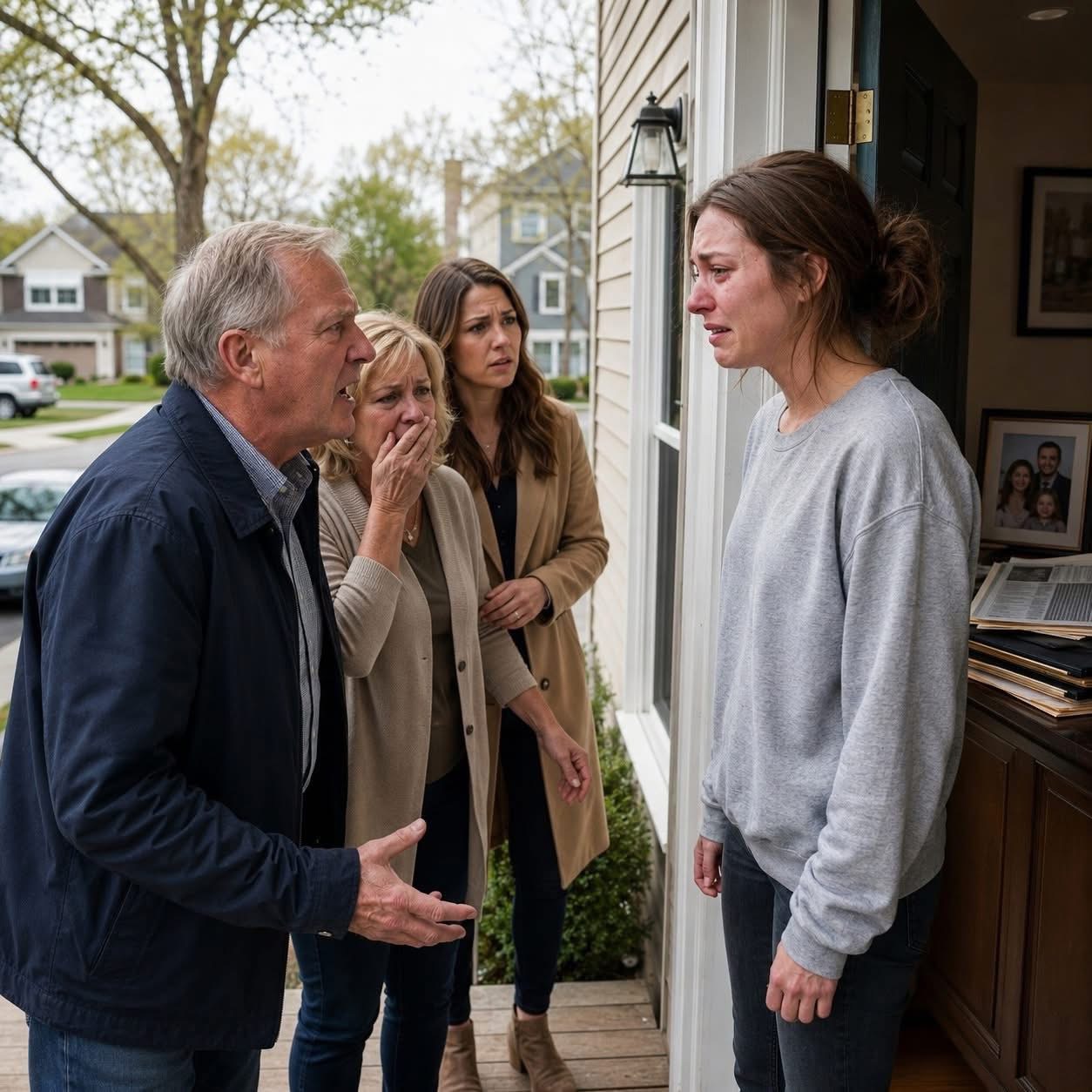
Posted on May 27, 2026 By admin No Comments on My parents missed the funeral of my husband and two children because it was my sister’s birthday. When I begged them to come, my father calmly said, “Today is your sister’s birthday. We can’t come.” Six months later, one headline about me sent my entire family into panic when they learned I had… When I called my parents from the hospital chapel, my hands were still marked with ash from the accident scene. My husband, Ethan Miller, and our two children, Lily, seven, and Noah, four, had died that morning on Interstate 95 outside Richmond, Virginia. A truck driver had fallen asleep, crossed the median, and crushed their SUV before Ethan had time to swerve. I survived because I had not been with them. That was the sentence that kept slicing through my mind like broken glass. I called my father first. “Dad,” I whispered. “There’s been an accident.” For a moment, all I could hear was music in the background. Laughter. Plates. My sister Melissa’s voice shouting about candles. “What happened?” he asked, calm, almost bored. “Ethan is gone,” I said. My throat closed around the words. “Lily and Noah too.” Silence. Then my mother came on the line. “What do you mean, gone?” “They died this morning,” I said. “The funeral is Friday. Please… I need you.” My father took the phone back. “Friday?” he asked. “Yes.” He exhaled slowly. “Claire, Friday is your sister’s birthday dinner. The reservation has been booked for weeks.” I thought grief had already hollowed me out. I was wrong. “Dad,” I said, barely breathing. “My husband and my children are dead.” “I understand,” he replied, using the same voice he used when talking about the weather. “But today is your sister’s birthday. We can’t come.” The call ended before I could beg. At the funeral, I stood between three coffins while my in-laws held me upright. Ethan’s mother, Margaret, cried so hard she could barely breathe. His father kept one hand on my shoulder like he was afraid I would collapse into the grave. My side of the church was almost empty. No parents. No sister. No cousins. Only one aunt, Ruth, who drove six hours after hearing what had happened from a neighbor, not from my family. Three days later, my mother texted: Hope you’re managing. Melissa felt hurt you didn’t call her on her birthday. I stared at the message until my vision blurred. Something inside me went silent. For six months, I did not answer their calls. Not that there were many. They sent holiday photos, group messages, and one invitation to Melissa’s engagement party. Then, on a cold Tuesday morning in January, my name appeared in a headline. WIDOW OF I-95 CRASH VICTIMS AWARDED $18.7 MILLION IN SETTLEMENT; ANNOUNCES CHILD SAFETY FOUNDATION. By noon, my entire family was calling. By evening, my father was outside my house, pounding on the door. Because they had just learned I had removed every one of them from my life—legally, financially, and permanently..(I know you’re curious about the next part, so please be patient and read on in the comments below. Thank you for your understanding of the inconvenience. please leave a ‘YES’ comment below and give us a “Like ” to get full story ) 👇
My parents missed the funeral of my husband and two children because it was my sister’s birthday. When I begged them to come, my father calmly said, “Today is your sister’s birthday. We can’t come.” Six months later, one headline about me sent my entire family into panic when they learned I had…  When I called my parents from the hospital chapel, my hands were still marked with ash from the accident scene.  My husband, Ethan Miller, and our two children, Lily, seven, and Noah, four, had died that morning on Interstate 95 outside Richmond, Virginia. A truck driver had fallen asleep, crossed the median, and crushed their SUV before Ethan had time to swerve.  I survived because I had not been with them.  That was the sentence that kept slicing through my mind like broken glass.  I called my father first.  “Dad,” I whispered. “There’s been an accident.”  For a moment, all I could hear was music in the background. Laughter. Plates. My sister Melissa’s voice shouting about candles.  “What happened?” he asked, calm, almost bored.  “Ethan is gone,” I said. My throat closed around the words. “Lily and Noah too.”  Silence.  Then my mother came on the line. “What do you mean, gone?”  “They died this morning,” I said. “The funeral is Friday. Please… I need you.”  My father took the phone back.  “Friday?” he asked.  “Yes.”  He exhaled slowly. “Claire, Friday is your sister’s birthday dinner. The reservation has been booked for weeks.”  I thought grief had already hollowed me out.  I was wrong.  “Dad,” I said, barely breathing. “My husband and my children are dead.”  “I understand,” he replied, using the same voice he used when talking about the weather. “But today is your sister’s birthday. We can’t come.”  The call ended before I could beg.  At the funeral, I stood between three coffins while my in-laws held me upright. Ethan’s mother, Margaret, cried so hard she could barely breathe. His father kept one hand on my shoulder like he was afraid I would collapse into the grave.  My side of the church was almost empty.  No parents.  No sister.  No cousins.  Only one aunt, Ruth, who drove six hours after hearing what had happened from a neighbor, not from my family.  Three days later, my mother texted: Hope you’re managing. Melissa felt hurt you didn’t call her on her birthday.  I stared at the message until my vision blurred.  Something inside me went silent.  For six months, I did not answer their calls. Not that there were many. They sent holiday photos, group messages, and one invitation to Melissa’s engagement party.  Then, on a cold Tuesday morning in January, my name appeared in a headline.  WIDOW OF I-95 CRASH VICTIMS AWARDED $18.7 MILLION IN SETTLEMENT; ANNOUNCES CHILD SAFETY FOUNDATION.  By noon, my entire family was calling.  By evening, my father was outside my house, pounding on the door.  Because they had just learned I had removed every one of them from my life—legally, financially, and permanently..(I know you’re curious about the next part, so please be patient and read on in the comments below. Thank you for your understanding of the inconvenience. please leave a ‘YES’ comment below and give us a “Like ” to get full story ) 👇

When I called my parents from the hospital chapel, my hands were still stained with ash from the accident scene. My husband, Ethan Miller, and our two children, Lily who was seven and Noah who was four, had been killed that morning on Interstate 95 outside Richmond. A truck driver had fallen asleep, crossed the…

Read More “My parents missed the funeral of my husband and two children because it was my sister’s birthday. When I begged them to come, my father calmly said, “Today is your sister’s birthday. We can’t come.” Six months later, one headline about me sent my entire family into panic when they learned I had… When I called my parents from the hospital chapel, my hands were still marked with ash from the accident scene. My husband, Ethan Miller, and our two children, Lily, seven, and Noah, four, had died that morning on Interstate 95 outside Richmond, Virginia. A truck driver had fallen asleep, crossed the median, and crushed their SUV before Ethan had time to swerve. I survived because I had not been with them. That was the sentence that kept slicing through my mind like broken glass. I called my father first. “Dad,” I whispered. “There’s been an accident.” For a moment, all I could hear was music in the background. Laughter. Plates. My sister Melissa’s voice shouting about candles. “What happened?” he asked, calm, almost bored. “Ethan is gone,” I said. My throat closed around the words. “Lily and Noah too.” Silence. Then my mother came on the line. “What do you mean, gone?” “They died this morning,” I said. “The funeral is Friday. Please… I need you.” My father took the phone back. “Friday?” he asked. “Yes.” He exhaled slowly. “Claire, Friday is your sister’s birthday dinner. The reservation has been booked for weeks.” I thought grief had already hollowed me out. I was wrong. “Dad,” I said, barely breathing. “My husband and my children are dead.” “I understand,” he replied, using the same voice he used when talking about the weather. “But today is your sister’s birthday. We can’t come.” The call ended before I could beg. At the funeral, I stood between three coffins while my in-laws held me upright. Ethan’s mother, Margaret, cried so hard she could barely breathe. His father kept one hand on my shoulder like he was afraid I would collapse into the grave. My side of the church was almost empty. No parents. No sister. No cousins. Only one aunt, Ruth, who drove six hours after hearing what had happened from a neighbor, not from my family. Three days later, my mother texted: Hope you’re managing. Melissa felt hurt you didn’t call her on her birthday. I stared at the message until my vision blurred. Something inside me went silent. For six months, I did not answer their calls. Not that there were many. They sent holiday photos, group messages, and one invitation to Melissa’s engagement party. Then, on a cold Tuesday morning in January, my name appeared in a headline. WIDOW OF I-95 CRASH VICTIMS AWARDED $18.7 MILLION IN SETTLEMENT; ANNOUNCES CHILD SAFETY FOUNDATION. By noon, my entire family was calling. By evening, my father was outside my house, pounding on the door. Because they had just learned I had removed every one of them from my life—legally, financially, and permanently..(I know you’re curious about the next part, so please be patient and read on in the comments below. Thank you for your understanding of the inconvenience. please leave a ‘YES’ comment below and give us a “Like ” to get full story ) 👇” »

Uncategorized

My 8-year-old son came home, hugged me, and whispered, “They ate at a restaurant while I waited in the car for two hours.” I didn’t ask questions. I just grabbed my keys, drove to the parents’ house, walked in, and without thinking twice, I did this… “Dad… my throat hurts.” Ethan, my eight-year-old son, didn’t run to his Legos like usual. He wrapped his arms around my waist, and I could feel the heat radiating off him, the smell of sour sweat and stale air clinging to his small body. “What happened, buddy?” “Grandma and Grandpa… they went into the Italian place to eat. They left me waiting in the car.” I froze. The dish towel slipped from my hand onto the granite floor. It was ninety degrees outside today. A humid, stifling heat that made the asphalt shimmer. “Did they… did they leave the engine running for the AC?” My voice trembled, dangerously calm. “No. But they cracked the windows a little bit. Dad, I’m really thirsty. I waited for two hours.” Watching him gulp down water with desperate thirst, my blood turned cold. I didn’t say another word. I settled him with cartoons and grabbed my keys. I drove straight to the beautiful colonial house—the house I had bought for my parents as a gesture of gratitude. I paid the mortgage. I paid the taxes. I paid the insurance so they could have a dignified retirement. When I walked through the front door, the scene was maddeningly peaceful. My mother was folding fluffy, warm towels. My father was reclining in his leather armchair, a glass of condensation-slicked iced tea in his hand. The TV murmured in the background. “Hey, you’re here early,” my dad said, taking a sip of his tea, looking completely unbothered. “Ethan get home okay?” The image of my son, warm and uncomfortable in that parked car while they relaxed in cool air, flashed in my mind with painful clarity. I clenched my fists, digging my nails into my palms to keep my voice steady. “You have exactly twenty-four hours,” I said, calm but firm. My mother paused, the towel slipping from her hands. “What? What are you talking about?” I looked straight into their eyes—the people living in the house I owned—and delivered the most devastating verdict of my life… Full in the first comment 👇…
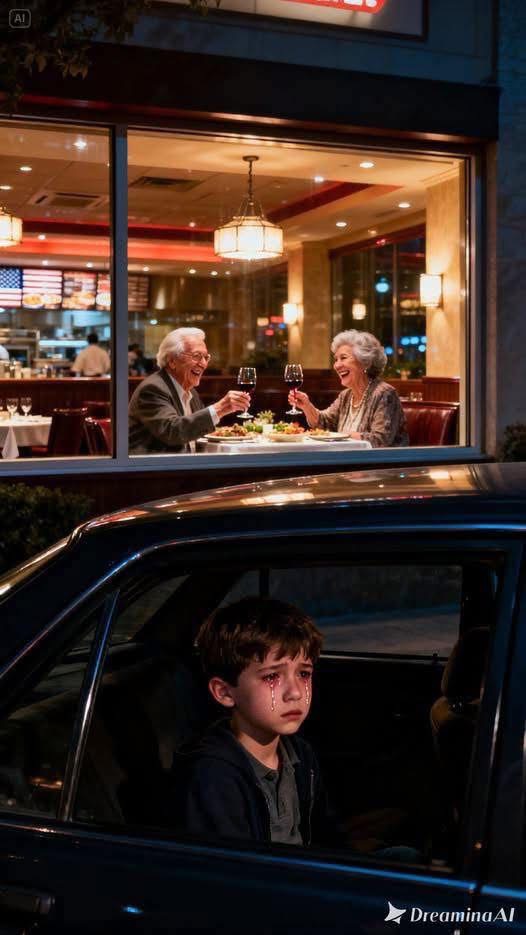
Posted on May 27, 2026 By admin No Comments on My 8-year-old son came home, hugged me, and whispered, “They ate at a restaurant while I waited in the car for two hours.” I didn’t ask questions. I just grabbed my keys, drove to the parents’ house, walked in, and without thinking twice, I did this… “Dad… my throat hurts.” Ethan, my eight-year-old son, didn’t run to his Legos like usual. He wrapped his arms around my waist, and I could feel the heat radiating off him, the smell of sour sweat and stale air clinging to his small body. “What happened, buddy?” “Grandma and Grandpa… they went into the Italian place to eat. They left me waiting in the car.” I froze. The dish towel slipped from my hand onto the granite floor. It was ninety degrees outside today. A humid, stifling heat that made the asphalt shimmer. “Did they… did they leave the engine running for the AC?” My voice trembled, dangerously calm. “No. But they cracked the windows a little bit. Dad, I’m really thirsty. I waited for two hours.” Watching him gulp down water with desperate thirst, my blood turned cold. I didn’t say another word. I settled him with cartoons and grabbed my keys. I drove straight to the beautiful colonial house—the house I had bought for my parents as a gesture of gratitude. I paid the mortgage. I paid the taxes. I paid the insurance so they could have a dignified retirement. When I walked through the front door, the scene was maddeningly peaceful. My mother was folding fluffy, warm towels. My father was reclining in his leather armchair, a glass of condensation-slicked iced tea in his hand. The TV murmured in the background. “Hey, you’re here early,” my dad said, taking a sip of his tea, looking completely unbothered. “Ethan get home okay?” The image of my son, warm and uncomfortable in that parked car while they relaxed in cool air, flashed in my mind with painful clarity. I clenched my fists, digging my nails into my palms to keep my voice steady. “You have exactly twenty-four hours,” I said, calm but firm. My mother paused, the towel slipping from her hands. “What? What are you talking about?” I looked straight into their eyes—the people living in the house I owned—and delivered the most devastating verdict of my life… Full in the first comment 👇…
My 8-year-old son came home, hugged me, and whispered, “They ate at a restaurant while I waited in the car for two hours.” I didn’t ask questions. I just grabbed my keys, drove to the parents’ house, walked in, and without thinking twice, I did this…  “Dad… my throat hurts.”  Ethan, my eight-year-old son, didn’t run to his Legos like usual. He wrapped his arms around my waist, and I could feel the heat radiating off him, the smell of sour sweat and stale air clinging to his small body.  “What happened, buddy?”  “Grandma and Grandpa… they went into the Italian place to eat. They left me waiting in the car.”  I froze. The dish towel slipped from my hand onto the granite floor. It was ninety degrees outside today. A humid, stifling heat that made the asphalt shimmer.  “Did they… did they leave the engine running for the AC?” My voice trembled, dangerously calm.  “No. But they cracked the windows a little bit. Dad, I’m really thirsty. I waited for two hours.”  Watching him gulp down water with desperate thirst, my blood turned cold. I didn’t say another word. I settled him with cartoons and grabbed my keys. I drove straight to the beautiful colonial house—the house I had bought for my parents as a gesture of gratitude. I paid the mortgage. I paid the taxes. I paid the insurance so they could have a dignified retirement.  When I walked through the front door, the scene was maddeningly peaceful.  My mother was folding fluffy, warm towels. My father was reclining in his leather armchair, a glass of condensation-slicked iced tea in his hand. The TV murmured in the background.  “Hey, you’re here early,” my dad said, taking a sip of his tea, looking completely unbothered. “Ethan get home okay?”  The image of my son, warm and uncomfortable in that parked car while they relaxed in cool air, flashed in my mind with painful clarity.  I clenched my fists, digging my nails into my palms to keep my voice steady.  “You have exactly twenty-four hours,” I said, calm but firm.  My mother paused, the towel slipping from her hands. “What? What are you talking about?”  I looked straight into their eyes—the people living in the house I owned—and delivered the most devastating verdict of my life…  Full in the first comment 👇…

Left in the Car My eight-year-old son, Ethan, came home on a Tuesday afternoon with the weight of a grown man on his small shoulders. He didn’t slam the door. He didn’t run to his room to play with Legos. He simply walked into the kitchen, wrapped his arms around my waist, and pressed his…
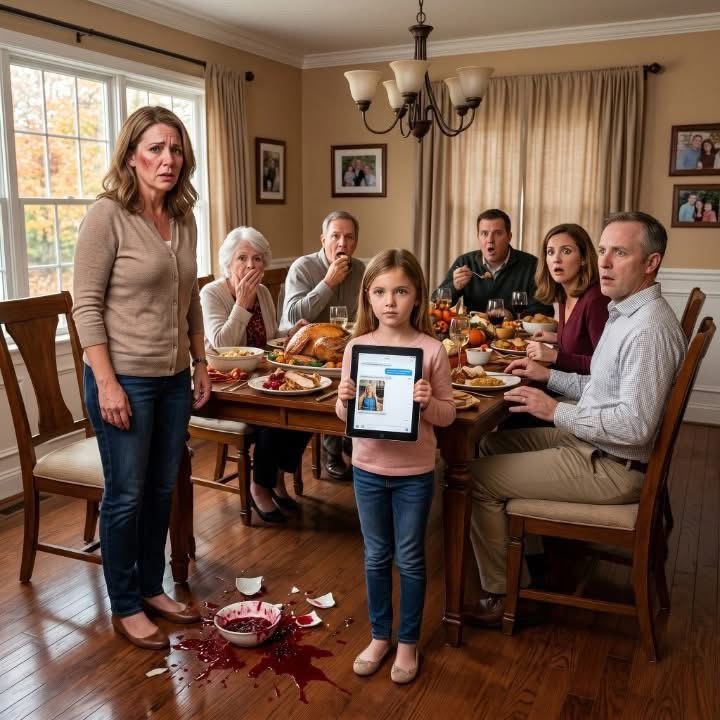
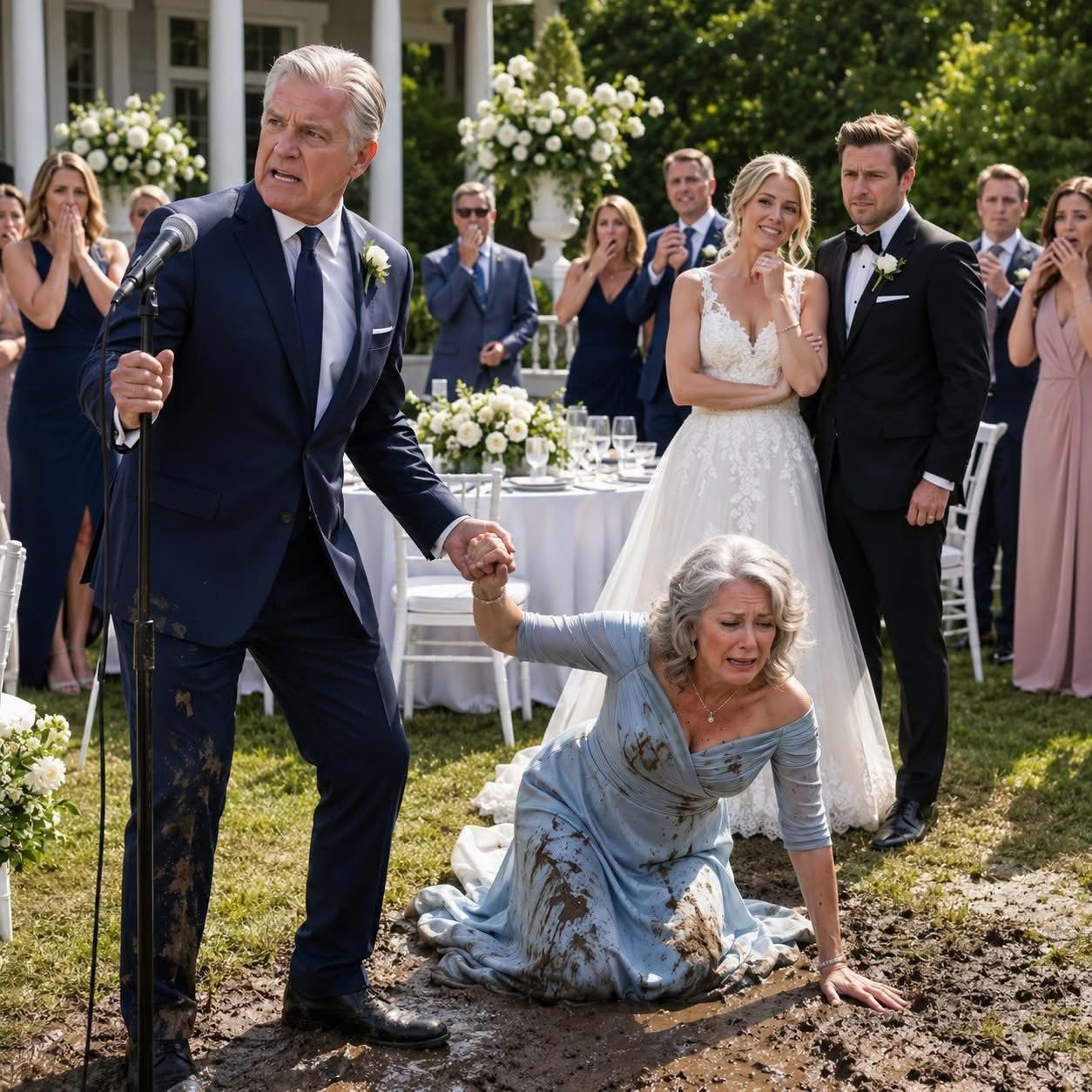
Read More “My 8-year-old son came home, hugged me, and whispered, “They ate at a restaurant while I waited in the car for two hours.” I didn’t ask questions. I just grabbed my keys, drove to the parents’ house, walked in, and without thinking twice, I did this… “Dad… my throat hurts.” Ethan, my eight-year-old son, didn’t run to his Legos like usual. He wrapped his arms around my waist, and I could feel the heat radiating off him, the smell of sour sweat and stale air clinging to his small body. “What happened, buddy?” “Grandma and Grandpa… they went into the Italian place to eat. They left me waiting in the car.” I froze. The dish towel slipped from my hand onto the granite floor. It was ninety degrees outside today. A humid, stifling heat that made the asphalt shimmer. “Did they… did they leave the engine running for the AC?” My voice trembled, dangerously calm. “No. But they cracked the windows a little bit. Dad, I’m really thirsty. I waited for two hours.” Watching him gulp down water with desperate thirst, my blood turned cold. I didn’t say another word. I settled him with cartoons and grabbed my keys. I drove straight to the beautiful colonial house—the house I had bought for my parents as a gesture of gratitude. I paid the mortgage. I paid the taxes. I paid the insurance so they could have a dignified retirement. When I walked through the front door, the scene was maddeningly peaceful. My mother was folding fluffy, warm towels. My father was reclining in his leather armchair, a glass of condensation-slicked iced tea in his hand. The TV murmured in the background. “Hey, you’re here early,” my dad said, taking a sip of his tea, looking completely unbothered. “Ethan get home okay?” The image of my son, warm and uncomfortable in that parked car while they relaxed in cool air, flashed in my mind with painful clarity. I clenched my fists, digging my nails into my palms to keep my voice steady. “You have exactly twenty-four hours,” I said, calm but firm. My mother paused, the towel slipping from her hands. “What? What are you talking about?” I looked straight into their eyes—the people living in the house I owned—and delivered the most devastating verdict of my life… Full in the first comment 👇…” »

Uncategorized

My husband slapped me in front of his entire family on Thanksgiving, leaving the whole room frozen in silence. But then our daughter Lilly stepped forward, raised her tablet, and said five words that changed everything, making him sit back like he had just been hit by a brick. The slap happened so quickly that Rachel Bennett did not even lift a hand to stop it. One second, she was standing beside the long dining table in her in-laws’ house in suburban Ohio, holding a bowl of cranberry sauce she had made from scratch at six that morning. The next second, her cheek was burning, the bowl hit the hardwood floor, and the room went silent except for the wet splatter of red sauce spreading beneath the table legs. Her husband, Mark Bennett, stood in front of her with his hand still half-raised. Around them, Thanksgiving froze. Mark’s mother, Elaine, sat at the head of the table with her pearl necklace pressed against her throat. His father, Robert, stared down at his plate as if the turkey suddenly needed serious attention. Mark’s brother Kyle leaned back with his mouth open. Cousins, aunts, and nephews went still with forks paused in the air. Rachel’s ten-year-old daughter, Lilly, sat near the kids’ table with her tablet held in both hands. Rachel could feel the shape of Mark’s fingers forming across her face. “All I said,” Rachel whispered, her voice trembling, “was that you shouldn’t speak to Lilly like that.” Mark’s jaw tightened. “You embarrassed me in front of my family.” Rachel looked at the faces around the room, waiting for someone to stand, to speak, to say her name like she mattered. No one did. Elaine finally exhaled. “Rachel, maybe this is not the time.” Rachel almost laughed, but her throat closed. Not the time. Not after ten years of swallowing insults in bathrooms, smiling through family dinners, explaining bruises as cabinet doors and clumsiness. Not after Mark called Lilly “dramatic” for crying when he mocked her school presentation. Not after Rachel had finally said, “Stop.” Mark turned back toward the table like the matter was over. Then Lilly stood. Her small chair scraped against the floor. “Lilly, sit down,” Mark snapped. But Lilly did not sit. Her face was pale, but her hands stayed steady around the tablet. She walked to the center of the dining room, straight through the cranberry sauce, leaving tiny red footprints on the polished floor. Rachel shook her head slightly. “Baby, don’t.” Lilly looked at her mother, then at Mark. “I recorded everything, Dad.” Five words. The room changed. Mark’s face lost color. Lilly tapped the screen. Mark’s voice filled the dining room, sharp and ugly. “You think anyone will believe you? My family knows you’re sensitive.” Then Rachel’s voice: “Don’t talk to our daughter like that.” Then the sound of the slap. The recording kept playing. No one looked at the turkey anymore. No one pretended. Mark slowly sat down as if his knees had forgotten how to hold him. Rachel stood with one burning cheek and finally understood: the silence in that room had not protected her. But Lilly’s truth had. (I know you’re curious about the next part, so please be patient and read on in the comments below. Thank you for your understanding of the inconvenience. please leave a ‘YES’ comment below and give us a “Like ” to get full story ) 👇

Posted on May 27, 2026 By admin No Comments on My husband slapped me in front of his entire family on Thanksgiving, leaving the whole room frozen in silence. But then our daughter Lilly stepped forward, raised her tablet, and said five words that changed everything, making him sit back like he had just been hit by a brick. The slap happened so quickly that Rachel Bennett did not even lift a hand to stop it. One second, she was standing beside the long dining table in her in-laws’ house in suburban Ohio, holding a bowl of cranberry sauce she had made from scratch at six that morning. The next second, her cheek was burning, the bowl hit the hardwood floor, and the room went silent except for the wet splatter of red sauce spreading beneath the table legs. Her husband, Mark Bennett, stood in front of her with his hand still half-raised. Around them, Thanksgiving froze. Mark’s mother, Elaine, sat at the head of the table with her pearl necklace pressed against her throat. His father, Robert, stared down at his plate as if the turkey suddenly needed serious attention. Mark’s brother Kyle leaned back with his mouth open. Cousins, aunts, and nephews went still with forks paused in the air. Rachel’s ten-year-old daughter, Lilly, sat near the kids’ table with her tablet held in both hands. Rachel could feel the shape of Mark’s fingers forming across her face. “All I said,” Rachel whispered, her voice trembling, “was that you shouldn’t speak to Lilly like that.” Mark’s jaw tightened. “You embarrassed me in front of my family.” Rachel looked at the faces around the room, waiting for someone to stand, to speak, to say her name like she mattered. No one did. Elaine finally exhaled. “Rachel, maybe this is not the time.” Rachel almost laughed, but her throat closed. Not the time. Not after ten years of swallowing insults in bathrooms, smiling through family dinners, explaining bruises as cabinet doors and clumsiness. Not after Mark called Lilly “dramatic” for crying when he mocked her school presentation. Not after Rachel had finally said, “Stop.” Mark turned back toward the table like the matter was over. Then Lilly stood. Her small chair scraped against the floor. “Lilly, sit down,” Mark snapped. But Lilly did not sit. Her face was pale, but her hands stayed steady around the tablet. She walked to the center of the dining room, straight through the cranberry sauce, leaving tiny red footprints on the polished floor. Rachel shook her head slightly. “Baby, don’t.” Lilly looked at her mother, then at Mark. “I recorded everything, Dad.” Five words. The room changed. Mark’s face lost color. Lilly tapped the screen. Mark’s voice filled the dining room, sharp and ugly. “You think anyone will believe you? My family knows you’re sensitive.” Then Rachel’s voice: “Don’t talk to our daughter like that.” Then the sound of the slap. The recording kept playing. No one looked at the turkey anymore. No one pretended. Mark slowly sat down as if his knees had forgotten how to hold him. Rachel stood with one burning cheek and finally understood: the silence in that room had not protected her. But Lilly’s truth had. (I know you’re curious about the next part, so please be patient and read on in the comments below. Thank you for your understanding of the inconvenience. please leave a ‘YES’ comment below and give us a “Like ” to get full story ) 👇
My husband slapped me in front of his entire family on Thanksgiving, leaving the whole room frozen in silence. But then our daughter Lilly stepped forward, raised her tablet, and said five words that changed everything, making him sit back like he had just been hit by a brick.  The slap happened so quickly that Rachel Bennett did not even lift a hand to stop it.  One second, she was standing beside the long dining table in her in-laws’ house in suburban Ohio, holding a bowl of cranberry sauce she had made from scratch at six that morning. The next second, her cheek was burning, the bowl hit the hardwood floor, and the room went silent except for the wet splatter of red sauce spreading beneath the table legs.  Her husband, Mark Bennett, stood in front of her with his hand still half-raised.  Around them, Thanksgiving froze.  Mark’s mother, Elaine, sat at the head of the table with her pearl necklace pressed against her throat. His father, Robert, stared down at his plate as if the turkey suddenly needed serious attention. Mark’s brother Kyle leaned back with his mouth open. Cousins, aunts, and nephews went still with forks paused in the air.  Rachel’s ten-year-old daughter, Lilly, sat near the kids’ table with her tablet held in both hands.  Rachel could feel the shape of Mark’s fingers forming across her face.  “All I said,” Rachel whispered, her voice trembling, “was that you shouldn’t speak to Lilly like that.”  Mark’s jaw tightened. “You embarrassed me in front of my family.”  Rachel looked at the faces around the room, waiting for someone to stand, to speak, to say her name like she mattered.  No one did.  Elaine finally exhaled. “Rachel, maybe this is not the time.”  Rachel almost laughed, but her throat closed. Not the time. Not after ten years of swallowing insults in bathrooms, smiling through family dinners, explaining bruises as cabinet doors and clumsiness. Not after Mark called Lilly “dramatic” for crying when he mocked her school presentation. Not after Rachel had finally said, “Stop.”  Mark turned back toward the table like the matter was over.  Then Lilly stood.  Her small chair scraped against the floor.  “Lilly, sit down,” Mark snapped.  But Lilly did not sit. Her face was pale, but her hands stayed steady around the tablet. She walked to the center of the dining room, straight through the cranberry sauce, leaving tiny red footprints on the polished floor.  Rachel shook her head slightly. “Baby, don’t.”  Lilly looked at her mother, then at Mark.  “I recorded everything, Dad.”  Five words.  The room changed.  Mark’s face lost color.  Lilly tapped the screen. Mark’s voice filled the dining room, sharp and ugly.  “You think anyone will believe you? My family knows you’re sensitive.”  Then Rachel’s voice: “Don’t talk to our daughter like that.”  Then the sound of the slap.  The recording kept playing.  No one looked at the turkey anymore. No one pretended.  Mark slowly sat down as if his knees had forgotten how to hold him.  Rachel stood with one burning cheek and finally understood: the silence in that room had not protected her.  But Lilly’s truth had. (I know you’re curious about the next part, so please be patient and read on in the comments below. Thank you for your understanding of the inconvenience. please leave a ‘YES’ comment below and give us a “Like ” to get full story ) 👇

The slap came so fast that Rachel Bennett did not raise her hand to block it. One second she was standing beside the long dining table in her in-laws’ house in suburban Ohio, holding a bowl of cranberry sauce she had made from scratch at six that morning. The next second, her cheek burned, the…

Read More “My husband slapped me in front of his entire family on Thanksgiving, leaving the whole room frozen in silence. But then our daughter Lilly stepped forward, raised her tablet, and said five words that changed everything, making him sit back like he had just been hit by a brick. The slap happened so quickly that Rachel Bennett did not even lift a hand to stop it. One second, she was standing beside the long dining table in her in-laws’ house in suburban Ohio, holding a bowl of cranberry sauce she had made from scratch at six that morning. The next second, her cheek was burning, the bowl hit the hardwood floor, and the room went silent except for the wet splatter of red sauce spreading beneath the table legs. Her husband, Mark Bennett, stood in front of her with his hand still half-raised. Around them, Thanksgiving froze. Mark’s mother, Elaine, sat at the head of the table with her pearl necklace pressed against her throat. His father, Robert, stared down at his plate as if the turkey suddenly needed serious attention. Mark’s brother Kyle leaned back with his mouth open. Cousins, aunts, and nephews went still with forks paused in the air. Rachel’s ten-year-old daughter, Lilly, sat near the kids’ table with her tablet held in both hands. Rachel could feel the shape of Mark’s fingers forming across her face. “All I said,” Rachel whispered, her voice trembling, “was that you shouldn’t speak to Lilly like that.” Mark’s jaw tightened. “You embarrassed me in front of my family.” Rachel looked at the faces around the room, waiting for someone to stand, to speak, to say her name like she mattered. No one did. Elaine finally exhaled. “Rachel, maybe this is not the time.” Rachel almost laughed, but her throat closed. Not the time. Not after ten years of swallowing insults in bathrooms, smiling through family dinners, explaining bruises as cabinet doors and clumsiness. Not after Mark called Lilly “dramatic” for crying when he mocked her school presentation. Not after Rachel had finally said, “Stop.” Mark turned back toward the table like the matter was over. Then Lilly stood. Her small chair scraped against the floor. “Lilly, sit down,” Mark snapped. But Lilly did not sit. Her face was pale, but her hands stayed steady around the tablet. She walked to the center of the dining room, straight through the cranberry sauce, leaving tiny red footprints on the polished floor. Rachel shook her head slightly. “Baby, don’t.” Lilly looked at her mother, then at Mark. “I recorded everything, Dad.” Five words. The room changed. Mark’s face lost color. Lilly tapped the screen. Mark’s voice filled the dining room, sharp and ugly. “You think anyone will believe you? My family knows you’re sensitive.” Then Rachel’s voice: “Don’t talk to our daughter like that.” Then the sound of the slap. The recording kept playing. No one looked at the turkey anymore. No one pretended. Mark slowly sat down as if his knees had forgotten how to hold him. Rachel stood with one burning cheek and finally understood: the silence in that room had not protected her. But Lilly’s truth had. (I know you’re curious about the next part, so please be patient and read on in the comments below. Thank you for your understanding of the inconvenience. please leave a ‘YES’ comment below and give us a “Like ” to get full story ) 👇” »

Uncategorized

At my son’s wedding, his bride pushed my wife into the mud in front of two hundred guests. Instead of helping his mother, my son placed his arm around the bride and whispered something that made her laugh. I walked to the microphone, and one sentence stopped the entire wedding. The wedding took place at Briarwood Estate, a white-columned venue outside Charleston, South Carolina, with manicured lawns, a lake behind the ceremony arch, and two hundred guests dressed like they had stepped out of a magazine. My son, Daniel Whitmore, stood beside his bride, Vanessa Caldwell, smiling like a man who had just won the world. My wife, Margaret, sat in the front row with tears in her eyes, holding a folded handkerchief in both hands. For months, Margaret had tried to love Vanessa. She helped choose flowers. She mailed invitations. She even gave Vanessa the pearl bracelet her own mother had worn on her wedding day. Vanessa accepted it with a smile and later told one of her bridesmaids, loud enough for Margaret to hear, “It’s vintage, I guess. Maybe I’ll wear it for the rehearsal, not the actual wedding.” Margaret said nothing. That was her way. The ceremony ended beautifully. The vows were spoken. The kiss happened. Guests applauded. Champagne was poured. The band began playing soft jazz as everyone moved toward the garden reception. Then it happened. Near the edge of the lawn, rain from the night before had softened the ground. Margaret was walking carefully, one hand on her cane, when Vanessa came up behind her with two bridesmaids giggling at her side. I saw Vanessa lean close and say something. Margaret turned, confused. Then Vanessa put both hands on my wife’s shoulder and shoved. Margaret fell sideways into the mud. Her pale blue dress, the one she had saved for this day, was ruined instantly. Her handkerchief landed in a puddle. Her cane rolled away. For one terrible second, the entire wedding went silent. Then Vanessa laughed. Not nervously. Not accidentally. She laughed like she had finally done something she had been waiting to do. Daniel stepped toward her. I expected him to help his mother. Instead, my son put his arm around Vanessa’s waist, leaned down, and whispered into her ear. Vanessa laughed even harder. Something inside me became very calm. I walked across the lawn, picked up Margaret’s cane, helped her stand, and placed my jacket around her. Her hands were trembling, but her face stayed steady. “Thomas,” she whispered, “don’t.” But I was already walking toward the microphone near the bandstand. The band kept playing until I tapped the microphone once. The sound cracked across the garden. Every face turned. Vanessa’s father, Richard Caldwell, set down his champagne glass. The band stopped playing. Daniel’s smile disappeared. I looked at my son first. Then I looked at his bride. And I said, “Ladies and gentlemen, before the first dance, I believe the bride deserves to know why this wedding will not be paid for by the Whitmore family.” (I know you’re curious about the next part, so please be patient and read on in the comments below. Thank you for your understanding of the inconvenience. please leave a ‘YES’ comment below and give us a “Like ” to get full story ) 👇

Posted on May 27, 2026 By admin No Comments on At my son’s wedding, his bride pushed my wife into the mud in front of two hundred guests. Instead of helping his mother, my son placed his arm around the bride and whispered something that made her laugh. I walked to the microphone, and one sentence stopped the entire wedding. The wedding took place at Briarwood Estate, a white-columned venue outside Charleston, South Carolina, with manicured lawns, a lake behind the ceremony arch, and two hundred guests dressed like they had stepped out of a magazine. My son, Daniel Whitmore, stood beside his bride, Vanessa Caldwell, smiling like a man who had just won the world. My wife, Margaret, sat in the front row with tears in her eyes, holding a folded handkerchief in both hands. For months, Margaret had tried to love Vanessa. She helped choose flowers. She mailed invitations. She even gave Vanessa the pearl bracelet her own mother had worn on her wedding day. Vanessa accepted it with a smile and later told one of her bridesmaids, loud enough for Margaret to hear, “It’s vintage, I guess. Maybe I’ll wear it for the rehearsal, not the actual wedding.” Margaret said nothing. That was her way. The ceremony ended beautifully. The vows were spoken. The kiss happened. Guests applauded. Champagne was poured. The band began playing soft jazz as everyone moved toward the garden reception. Then it happened. Near the edge of the lawn, rain from the night before had softened the ground. Margaret was walking carefully, one hand on her cane, when Vanessa came up behind her with two bridesmaids giggling at her side. I saw Vanessa lean close and say something. Margaret turned, confused. Then Vanessa put both hands on my wife’s shoulder and shoved. Margaret fell sideways into the mud. Her pale blue dress, the one she had saved for this day, was ruined instantly. Her handkerchief landed in a puddle. Her cane rolled away. For one terrible second, the entire wedding went silent. Then Vanessa laughed. Not nervously. Not accidentally. She laughed like she had finally done something she had been waiting to do. Daniel stepped toward her. I expected him to help his mother. Instead, my son put his arm around Vanessa’s waist, leaned down, and whispered into her ear. Vanessa laughed even harder. Something inside me became very calm. I walked across the lawn, picked up Margaret’s cane, helped her stand, and placed my jacket around her. Her hands were trembling, but her face stayed steady. “Thomas,” she whispered, “don’t.” But I was already walking toward the microphone near the bandstand. The band kept playing until I tapped the microphone once. The sound cracked across the garden. Every face turned. Vanessa’s father, Richard Caldwell, set down his champagne glass. The band stopped playing. Daniel’s smile disappeared. I looked at my son first. Then I looked at his bride. And I said, “Ladies and gentlemen, before the first dance, I believe the bride deserves to know why this wedding will not be paid for by the Whitmore family.” (I know you’re curious about the next part, so please be patient and read on in the comments below. Thank you for your understanding of the inconvenience. please leave a ‘YES’ comment below and give us a “Like ” to get full story ) 👇
At my son’s wedding, his bride pushed my wife into the mud in front of two hundred guests. Instead of helping his mother, my son placed his arm around the bride and whispered something that made her laugh. I walked to the microphone, and one sentence stopped the entire wedding.  The wedding took place at Briarwood Estate, a white-columned venue outside Charleston, South Carolina, with manicured lawns, a lake behind the ceremony arch, and two hundred guests dressed like they had stepped out of a magazine.  My son, Daniel Whitmore, stood beside his bride, Vanessa Caldwell, smiling like a man who had just won the world. My wife, Margaret, sat in the front row with tears in her eyes, holding a folded handkerchief in both hands.  For months, Margaret had tried to love Vanessa.  She helped choose flowers. She mailed invitations. She even gave Vanessa the pearl bracelet her own mother had worn on her wedding day.  Vanessa accepted it with a smile and later told one of her bridesmaids, loud enough for Margaret to hear, “It’s vintage, I guess. Maybe I’ll wear it for the rehearsal, not the actual wedding.”  Margaret said nothing.  That was her way.  The ceremony ended beautifully. The vows were spoken. The kiss happened. Guests applauded. Champagne was poured. The band began playing soft jazz as everyone moved toward the garden reception.  Then it happened.  Near the edge of the lawn, rain from the night before had softened the ground. Margaret was walking carefully, one hand on her cane, when Vanessa came up behind her with two bridesmaids giggling at her side.  I saw Vanessa lean close and say something. Margaret turned, confused.  Then Vanessa put both hands on my wife’s shoulder and shoved.  Margaret fell sideways into the mud.  Her pale blue dress, the one she had saved for this day, was ruined instantly. Her handkerchief landed in a puddle. Her cane rolled away. For one terrible second, the entire wedding went silent.  Then Vanessa laughed.  Not nervously.  Not accidentally.  She laughed like she had finally done something she had been waiting to do.  Daniel stepped toward her. I expected him to help his mother.  Instead, my son put his arm around Vanessa’s waist, leaned down, and whispered into her ear.  Vanessa laughed even harder.  Something inside me became very calm.  I walked across the lawn, picked up Margaret’s cane, helped her stand, and placed my jacket around her. Her hands were trembling, but her face stayed steady.  “Thomas,” she whispered, “don’t.”  But I was already walking toward the microphone near the bandstand.  The band kept playing until I tapped the microphone once.  The sound cracked across the garden.  Every face turned.  Vanessa’s father, Richard Caldwell, set down his champagne glass.  The band stopped playing.  Daniel’s smile disappeared.  I looked at my son first. Then I looked at his bride.  And I said, “Ladies and gentlemen, before the first dance, I believe the bride deserves to know why this wedding will not be paid for by the Whitmore family.” (I know you’re curious about the next part, so please be patient and read on in the comments below. Thank you for your understanding of the inconvenience. please leave a ‘YES’ comment below and give us a “Like ” to get full story ) 👇

The wedding was held at Briarwood Estate, a white-columned venue outside Charleston with manicured lawns, a lake behind the ceremony arch, and two hundred guests dressed as though they had stepped from the pages of a magazine. My son Daniel stood beside his bride Vanessa smiling like a man who had just won everything he…

Read More “At my son’s wedding, his bride pushed my wife into the mud in front of two hundred guests. Instead of helping his mother, my son placed his arm around the bride and whispered something that made her laugh. I walked to the microphone, and one sentence stopped the entire wedding. The wedding took place at Briarwood Estate, a white-columned venue outside Charleston, South Carolina, with manicured lawns, a lake behind the ceremony arch, and two hundred guests dressed like they had stepped out of a magazine. My son, Daniel Whitmore, stood beside his bride, Vanessa Caldwell, smiling like a man who had just won the world. My wife, Margaret, sat in the front row with tears in her eyes, holding a folded handkerchief in both hands. For months, Margaret had tried to love Vanessa. She helped choose flowers. She mailed invitations. She even gave Vanessa the pearl bracelet her own mother had worn on her wedding day. Vanessa accepted it with a smile and later told one of her bridesmaids, loud enough for Margaret to hear, “It’s vintage, I guess. Maybe I’ll wear it for the rehearsal, not the actual wedding.” Margaret said nothing. That was her way. The ceremony ended beautifully. The vows were spoken. The kiss happened. Guests applauded. Champagne was poured. The band began playing soft jazz as everyone moved toward the garden reception. Then it happened. Near the edge of the lawn, rain from the night before had softened the ground. Margaret was walking carefully, one hand on her cane, when Vanessa came up behind her with two bridesmaids giggling at her side. I saw Vanessa lean close and say something. Margaret turned, confused. Then Vanessa put both hands on my wife’s shoulder and shoved. Margaret fell sideways into the mud. Her pale blue dress, the one she had saved for this day, was ruined instantly. Her handkerchief landed in a puddle. Her cane rolled away. For one terrible second, the entire wedding went silent. Then Vanessa laughed. Not nervously. Not accidentally. She laughed like she had finally done something she had been waiting to do. Daniel stepped toward her. I expected him to help his mother. Instead, my son put his arm around Vanessa’s waist, leaned down, and whispered into her ear. Vanessa laughed even harder. Something inside me became very calm. I walked across the lawn, picked up Margaret’s cane, helped her stand, and placed my jacket around her. Her hands were trembling, but her face stayed steady. “Thomas,” she whispered, “don’t.” But I was already walking toward the microphone near the bandstand. The band kept playing until I tapped the microphone once. The sound cracked across the garden. Every face turned. Vanessa’s father, Richard Caldwell, set down his champagne glass. The band stopped playing. Daniel’s smile disappeared. I looked at my son first. Then I looked at his bride. And I said, “Ladies and gentlemen, before the first dance, I believe the bride deserves to know why this wedding will not be paid for by the Whitmore family.” (I know you’re curious about the next part, so please be patient and read on in the comments below. Thank you for your understanding of the inconvenience. please leave a ‘YES’ comment below and give us a “Like ” to get full story ) 👇” »

Uncategorized

My Daughter-In-Law Screamed Across A Fancy Restaurant, “Your Mom Disappeared. Who’s Going To Pay The Bill?” After I Walked Toward The Bathroom And Never Came Back. At 2:00 A.M., My Son Stormed Into My House Furious… Then He Turned On The Living Room Light And Saw The Three Suitcases Waiting Beside My Chair. My name is Aurora Jennings. I am sixty-eight years old, and for most of my life, I believed that being a good mother meant giving until there was nothing left of me. Money. Time. Food. Forgiveness. Excuses. I gave all of it to my son Daniel because he was my only child, and because mothers are taught that love should not have boundaries. That is how they become empty. It began with five hundred dollars. Daniel called one Sunday afternoon with that careful voice I had known since he was a teenager. “Mom, I hate to ask, but Megan’s car had an unexpected repair. We’re tight this month. Could you lend us five hundred? I’ll pay you back next month, I promise.” My pension was eight hundred dollars a month. Eight hundred. That covered food, medicine, utilities, and the old house I had lived in since my husband died. But Daniel was my son. So I sent it. He never paid it back. The next month, it was three hundred for the air conditioner. Then two hundred for Megan’s birthday. Then money for a client gift. Then help with furniture because their old couch “didn’t match the apartment anymore.” Every request came wrapped in urgency. Every time I hesitated, Daniel looked wounded. “Mom, I thought you were helping because you loved us. I didn’t know you were keeping score.” That sentence worked on me for a long time. It made me feel ugly. Selfish. Small. So I stopped asking about repayment. And they stopped pretending they ever planned to pay me back. Then came the Cancun trip. Daniel and Megan came to my house one Friday evening with Chinese takeout. For one foolish second, I thought they had come because they missed me. They sat at my kitchen table, ate from my plates, drank the wine they had left in my refrigerator, and talked only to each other. Then Daniel leaned back and said, “Mom, Megan and I found an anniversary package in Cancun. All-inclusive. It’s perfect. We just need a little help.” “How much?” I asked. “Two thousand.” Almost three months of my pension. I said I did not have it. Megan looked up from her phone for the first time all night. “Don’t you have savings?” I told her those savings were for emergencies. She smiled like I had said something childish. “What’s more important than your own son’s happiness?” Two days later, I sent the money. They spent a week on the beach. Massages. Cocktails. Private dinners. They sent me three texts. During that same week, my blood pressure spiked so badly my neighbor, Mrs. Peterson, had to take me to the clinic. Daniel never knew. Because Daniel never asked. When they came back, they arrived at my house with suitcases and said their building was being fumigated. Not asked. Said. They stayed the weekend, ate my food, used my towels, emptied my shampoo, and complained about my instant coffee. On the last morning, Daniel asked for another twelve hundred dollars to help with a deposit on a better apartment. When I said I could not do it, his face changed. “Mom, you live alone. What do you even spend your money on?” Food, I wanted to say. Medicine. Electricity. The house you keep walking into like it belongs to you. But I only whispered, “I’ll think about it.” That night, after they left, I stood in the guest room picking Megan’s hair out of my sink and staring at the towels they had thrown on the floor. Then I remembered what I heard them whisper the night before. Daniel had said, “She’s my mom. That’s what mothers are for.” Megan had answered, “We need to be more strategic. We can’t ask her every month. She’s going to catch on.” Catch on. As if I were not a person. As if I were a system. A wallet. A resource to be managed. Something inside me cracked that night, but it did not fully break. Not yet. That happened at Megan’s thirtieth birthday dinner. Martino’s. One of the most expensive restaurants in the city. I received a text from Daniel two weeks before. “Mom, Megan’s birthday dinner is October 15th at 8. Confirm if you can go.” No “please.” No “would you like to come?” Just an instruction. Megan called three times before the dinner to remind me about her gift registry. The cheapest item was one hundred eighty dollars. Towels. I bought them because I still wanted my son to look at me with pride. That night, I wore my best dress, fixed my hair carefully, and took a taxi to the restaurant. When I arrived, there were already twenty people at the table. Daniel looked up and said, “Oh, Mom, you made it. Sit wherever you can find a spot.” He did not stand. He did not hug me. He did not introduce me. I sat at the far end of the table between strangers who said hello without looking at me. All night, I felt invisible. They ordered wine. Lobster. Steaks. Appetizers I never touched. Megan wore a tight red dress and laughed like she was the queen of that room. When she opened my gift, she barely lifted the towels from the box. “Oh, how nice,” she said. “Thanks.” One hundred eighty dollars. Dismissed in two seconds. Then the bill came. Daniel looked at it. His face tightened. He whispered to Megan. Then he looked at me. “Mom, can you come here for a second?” I walked over. My stomach already knew. “The bill came out higher than expected,” he said quietly. “We’re covering three hundred. Could you put the rest on your card? Just as your contribution to Megan’s birthday.” “How much?” “One-fifty.” One hundred fifty dollars. Almost a month of groceries. Half my pension. “I don’t think I can,” I said. Megan’s eyes turned cold. “Aurora, it’s my birthday. Are you really going to ruin my night over money?” The whole table went quiet. Daniel leaned closer. “Mom, please don’t make a scene.” That was when I saw it clearly. I had sat alone at that table all night. No one had asked if I was hungry. No one had asked how I was feeling. No one had spoken to me unless they needed my credit card. I was not Daniel’s mother that night. I was the unpaid balance. So I picked up my purse and said, “I’m going to the bathroom.” Then I walked past the restrooms. Past the hallway. Straight out the side door into the cold parking lot. I called a taxi. My hands were shaking as I climbed in. Behind me, Martino’s glowed with chandeliers and white tablecloths and people who thought I existed to rescue them from consequences. For the first time in years, I did not feel guilty. I felt free. When I got home, I did not cry. I went straight to my bedroom, pulled three suitcases from the closet, and started packing. Clothes. Medicine. Documents. Passport. Bank papers. The house deed. I placed a brown folder on the coffee table. Then I sat in my favorite armchair, turned on one small lamp, and waited. Daniel called seventeen times. Megan sent messages calling me cruel, humiliating, unforgivable. I did not answer. At 2:00 in the morning, a car screeched outside my house. Footsteps pounded up the porch. Daniel still had a key. The front door flew open. “Mom?” His voice was angry. Then he flipped on the living room light. And saw me sitting there. Calm. Dressed for travel. Three suitcases beside my chair. The brown folder waiting on the coffee table. Daniel’s mouth fell open. Megan froze behind him, mascara streaked beneath her eyes, red dress wrinkled, all that restaurant elegance gone. “What is this?” Daniel shouted. I looked at my son. Then at the daughter-in-law who had treated me like a walking bank account. Then I reached for the folder. And said the one sentence they never expected to hear from me. “I’m leaving before you take the rest of my life.” (I know you’re curious about the next part, so please be patient and read on in the comments below. Thank you for your understanding of the inconvenience. please leave a ‘YES’ comment below and give us a “Like ” to get full story ) 👇

Posted on May 27, 2026 By admin No Comments on My Daughter-In-Law Screamed Across A Fancy Restaurant, “Your Mom Disappeared. Who’s Going To Pay The Bill?” After I Walked Toward The Bathroom And Never Came Back. At 2:00 A.M., My Son Stormed Into My House Furious… Then He Turned On The Living Room Light And Saw The Three Suitcases Waiting Beside My Chair. My name is Aurora Jennings. I am sixty-eight years old, and for most of my life, I believed that being a good mother meant giving until there was nothing left of me. Money. Time. Food. Forgiveness. Excuses. I gave all of it to my son Daniel because he was my only child, and because mothers are taught that love should not have boundaries. That is how they become empty. It began with five hundred dollars. Daniel called one Sunday afternoon with that careful voice I had known since he was a teenager. “Mom, I hate to ask, but Megan’s car had an unexpected repair. We’re tight this month. Could you lend us five hundred? I’ll pay you back next month, I promise.” My pension was eight hundred dollars a month. Eight hundred. That covered food, medicine, utilities, and the old house I had lived in since my husband died. But Daniel was my son. So I sent it. He never paid it back. The next month, it was three hundred for the air conditioner. Then two hundred for Megan’s birthday. Then money for a client gift. Then help with furniture because their old couch “didn’t match the apartment anymore.” Every request came wrapped in urgency. Every time I hesitated, Daniel looked wounded. “Mom, I thought you were helping because you loved us. I didn’t know you were keeping score.” That sentence worked on me for a long time. It made me feel ugly. Selfish. Small. So I stopped asking about repayment. And they stopped pretending they ever planned to pay me back. Then came the Cancun trip. Daniel and Megan came to my house one Friday evening with Chinese takeout. For one foolish second, I thought they had come because they missed me. They sat at my kitchen table, ate from my plates, drank the wine they had left in my refrigerator, and talked only to each other. Then Daniel leaned back and said, “Mom, Megan and I found an anniversary package in Cancun. All-inclusive. It’s perfect. We just need a little help.” “How much?” I asked. “Two thousand.” Almost three months of my pension. I said I did not have it. Megan looked up from her phone for the first time all night. “Don’t you have savings?” I told her those savings were for emergencies. She smiled like I had said something childish. “What’s more important than your own son’s happiness?” Two days later, I sent the money. They spent a week on the beach. Massages. Cocktails. Private dinners. They sent me three texts. During that same week, my blood pressure spiked so badly my neighbor, Mrs. Peterson, had to take me to the clinic. Daniel never knew. Because Daniel never asked. When they came back, they arrived at my house with suitcases and said their building was being fumigated. Not asked. Said. They stayed the weekend, ate my food, used my towels, emptied my shampoo, and complained about my instant coffee. On the last morning, Daniel asked for another twelve hundred dollars to help with a deposit on a better apartment. When I said I could not do it, his face changed. “Mom, you live alone. What do you even spend your money on?” Food, I wanted to say. Medicine. Electricity. The house you keep walking into like it belongs to you. But I only whispered, “I’ll think about it.” That night, after they left, I stood in the guest room picking Megan’s hair out of my sink and staring at the towels they had thrown on the floor. Then I remembered what I heard them whisper the night before. Daniel had said, “She’s my mom. That’s what mothers are for.” Megan had answered, “We need to be more strategic. We can’t ask her every month. She’s going to catch on.” Catch on. As if I were not a person. As if I were a system. A wallet. A resource to be managed. Something inside me cracked that night, but it did not fully break. Not yet. That happened at Megan’s thirtieth birthday dinner. Martino’s. One of the most expensive restaurants in the city. I received a text from Daniel two weeks before. “Mom, Megan’s birthday dinner is October 15th at 8. Confirm if you can go.” No “please.” No “would you like to come?” Just an instruction. Megan called three times before the dinner to remind me about her gift registry. The cheapest item was one hundred eighty dollars. Towels. I bought them because I still wanted my son to look at me with pride. That night, I wore my best dress, fixed my hair carefully, and took a taxi to the restaurant. When I arrived, there were already twenty people at the table. Daniel looked up and said, “Oh, Mom, you made it. Sit wherever you can find a spot.” He did not stand. He did not hug me. He did not introduce me. I sat at the far end of the table between strangers who said hello without looking at me. All night, I felt invisible. They ordered wine. Lobster. Steaks. Appetizers I never touched. Megan wore a tight red dress and laughed like she was the queen of that room. When she opened my gift, she barely lifted the towels from the box. “Oh, how nice,” she said. “Thanks.” One hundred eighty dollars. Dismissed in two seconds. Then the bill came. Daniel looked at it. His face tightened. He whispered to Megan. Then he looked at me. “Mom, can you come here for a second?” I walked over. My stomach already knew. “The bill came out higher than expected,” he said quietly. “We’re covering three hundred. Could you put the rest on your card? Just as your contribution to Megan’s birthday.” “How much?” “One-fifty.” One hundred fifty dollars. Almost a month of groceries. Half my pension. “I don’t think I can,” I said. Megan’s eyes turned cold. “Aurora, it’s my birthday. Are you really going to ruin my night over money?” The whole table went quiet. Daniel leaned closer. “Mom, please don’t make a scene.” That was when I saw it clearly. I had sat alone at that table all night. No one had asked if I was hungry. No one had asked how I was feeling. No one had spoken to me unless they needed my credit card. I was not Daniel’s mother that night. I was the unpaid balance. So I picked up my purse and said, “I’m going to the bathroom.” Then I walked past the restrooms. Past the hallway. Straight out the side door into the cold parking lot. I called a taxi. My hands were shaking as I climbed in. Behind me, Martino’s glowed with chandeliers and white tablecloths and people who thought I existed to rescue them from consequences. For the first time in years, I did not feel guilty. I felt free. When I got home, I did not cry. I went straight to my bedroom, pulled three suitcases from the closet, and started packing. Clothes. Medicine. Documents. Passport. Bank papers. The house deed. I placed a brown folder on the coffee table. Then I sat in my favorite armchair, turned on one small lamp, and waited. Daniel called seventeen times. Megan sent messages calling me cruel, humiliating, unforgivable. I did not answer. At 2:00 in the morning, a car screeched outside my house. Footsteps pounded up the porch. Daniel still had a key. The front door flew open. “Mom?” His voice was angry. Then he flipped on the living room light. And saw me sitting there. Calm. Dressed for travel. Three suitcases beside my chair. The brown folder waiting on the coffee table. Daniel’s mouth fell open. Megan froze behind him, mascara streaked beneath her eyes, red dress wrinkled, all that restaurant elegance gone. “What is this?” Daniel shouted. I looked at my son. Then at the daughter-in-law who had treated me like a walking bank account. Then I reached for the folder. And said the one sentence they never expected to hear from me. “I’m leaving before you take the rest of my life.” (I know you’re curious about the next part, so please be patient and read on in the comments below. Thank you for your understanding of the inconvenience. please leave a ‘YES’ comment below and give us a “Like ” to get full story ) 👇
My Daughter-In-Law Screamed Across A Fancy Restaurant, “Your Mom Disappeared. Who’s Going To Pay The Bill?” After I Walked Toward The Bathroom And Never Came Back. At 2:00 A.M., My Son Stormed Into My House Furious… Then He Turned On The Living Room Light And Saw The Three Suitcases Waiting Beside My Chair.  My name is Aurora Jennings.  I am sixty-eight years old, and for most of my life, I believed that being a good mother meant giving until there was nothing left of me.  Money.  Time.  Food.  Forgiveness.  Excuses.  I gave all of it to my son Daniel because he was my only child, and because mothers are taught that love should not have boundaries.  That is how they become empty.  It began with five hundred dollars.  Daniel called one Sunday afternoon with that careful voice I had known since he was a teenager.  “Mom, I hate to ask, but Megan’s car had an unexpected repair. We’re tight this month. Could you lend us five hundred? I’ll pay you back next month, I promise.”  My pension was eight hundred dollars a month.  Eight hundred.  That covered food, medicine, utilities, and the old house I had lived in since my husband died.  But Daniel was my son.  So I sent it.  He never paid it back.  The next month, it was three hundred for the air conditioner.  Then two hundred for Megan’s birthday.  Then money for a client gift.  Then help with furniture because their old couch “didn’t match the apartment anymore.”  Every request came wrapped in urgency.  Every time I hesitated, Daniel looked wounded.  “Mom, I thought you were helping because you loved us. I didn’t know you were keeping score.”  That sentence worked on me for a long time.  It made me feel ugly.  Selfish.  Small.  So I stopped asking about repayment.  And they stopped pretending they ever planned to pay me back.  Then came the Cancun trip.  Daniel and Megan came to my house one Friday evening with Chinese takeout.  For one foolish second, I thought they had come because they missed me.  They sat at my kitchen table, ate from my plates, drank the wine they had left in my refrigerator, and talked only to each other.  Then Daniel leaned back and said, “Mom, Megan and I found an anniversary package in Cancun. All-inclusive. It’s perfect. We just need a little help.”  “How much?” I asked.  “Two thousand.”  Almost three months of my pension.  I said I did not have it.  Megan looked up from her phone for the first time all night.  “Don’t you have savings?”  I told her those savings were for emergencies.  She smiled like I had said something childish.  “What’s more important than your own son’s happiness?”  Two days later, I sent the money.  They spent a week on the beach.  Massages.  Cocktails.  Private dinners.  They sent me three texts.  During that same week, my blood pressure spiked so badly my neighbor, Mrs. Peterson, had to take me to the clinic.  Daniel never knew.  Because Daniel never asked.  When they came back, they arrived at my house with suitcases and said their building was being fumigated.  Not asked.  Said.  They stayed the weekend, ate my food, used my towels, emptied my shampoo, and complained about my instant coffee.  On the last morning, Daniel asked for another twelve hundred dollars to help with a deposit on a better apartment.  When I said I could not do it, his face changed.  “Mom, you live alone. What do you even spend your money on?”  Food, I wanted to say.  Medicine.  Electricity.  The house you keep walking into like it belongs to you.  But I only whispered, “I’ll think about it.”  That night, after they left, I stood in the guest room picking Megan’s hair out of my sink and staring at the towels they had thrown on the floor.  Then I remembered what I heard them whisper the night before.  Daniel had said, “She’s my mom. That’s what mothers are for.”  Megan had answered, “We need to be more strategic. We can’t ask her every month. She’s going to catch on.”  Catch on.  As if I were not a person.  As if I were a system.  A wallet.  A resource to be managed.  Something inside me cracked that night, but it did not fully break.  Not yet.  That happened at Megan’s thirtieth birthday dinner.  Martino’s.  One of the most expensive restaurants in the city.  I received a text from Daniel two weeks before.  “Mom, Megan’s birthday dinner is October 15th at 8. Confirm if you can go.”  No “please.”  No “would you like to come?”  Just an instruction.  Megan called three times before the dinner to remind me about her gift registry.  The cheapest item was one hundred eighty dollars.  Towels.  I bought them because I still wanted my son to look at me with pride.  That night, I wore my best dress, fixed my hair carefully, and took a taxi to the restaurant.  When I arrived, there were already twenty people at the table.  Daniel looked up and said, “Oh, Mom, you made it. Sit wherever you can find a spot.”  He did not stand.  He did not hug me.  He did not introduce me.  I sat at the far end of the table between strangers who said hello without looking at me.  All night, I felt invisible.  They ordered wine.  Lobster.  Steaks.  Appetizers I never touched.  Megan wore a tight red dress and laughed like she was the queen of that room.  When she opened my gift, she barely lifted the towels from the box.  “Oh, how nice,” she said. “Thanks.”  One hundred eighty dollars.  Dismissed in two seconds.  Then the bill came.  Daniel looked at it.  His face tightened.  He whispered to Megan.  Then he looked at me.  “Mom, can you come here for a second?”  I walked over.  My stomach already knew.  “The bill came out higher than expected,” he said quietly. “We’re covering three hundred. Could you put the rest on your card? Just as your contribution to Megan’s birthday.”  “How much?”  “One-fifty.”  One hundred fifty dollars.  Almost a month of groceries.  Half my pension.  “I don’t think I can,” I said.  Megan’s eyes turned cold.  “Aurora, it’s my birthday. Are you really going to ruin my night over money?”  The whole table went quiet.  Daniel leaned closer.  “Mom, please don’t make a scene.”  That was when I saw it clearly.  I had sat alone at that table all night.  No one had asked if I was hungry.  No one had asked how I was feeling.  No one had spoken to me unless they needed my credit card.  I was not Daniel’s mother that night.  I was the unpaid balance.  So I picked up my purse and said, “I’m going to the bathroom.”  Then I walked past the restrooms.  Past the hallway.  Straight out the side door into the cold parking lot.  I called a taxi.  My hands were shaking as I climbed in.  Behind me, Martino’s glowed with chandeliers and white tablecloths and people who thought I existed to rescue them from consequences.  For the first time in years, I did not feel guilty.  I felt free.  When I got home, I did not cry.  I went straight to my bedroom, pulled three suitcases from the closet, and started packing.  Clothes.  Medicine.  Documents.  Passport.  Bank papers.  The house deed.  I placed a brown folder on the coffee table.  Then I sat in my favorite armchair, turned on one small lamp, and waited.  Daniel called seventeen times.  Megan sent messages calling me cruel, humiliating, unforgivable.  I did not answer.  At 2:00 in the morning, a car screeched outside my house.  Footsteps pounded up the porch.  Daniel still had a key.  The front door flew open.  “Mom?”  His voice was angry.  Then he flipped on the living room light.  And saw me sitting there.  Calm.  Dressed for travel.  Three suitcases beside my chair.  The brown folder waiting on the coffee table.  Daniel’s mouth fell open.  Megan froze behind him, mascara streaked beneath her eyes, red dress wrinkled, all that restaurant elegance gone.  “What is this?” Daniel shouted.  I looked at my son.  Then at the daughter-in-law who had treated me like a walking bank account.  Then I reached for the folder.  And said the one sentence they never expected to hear from me.  “I’m leaving before you take the rest of my life.” (I know you’re curious about the next part, so please be patient and read on in the comments below. Thank you for your understanding of the inconvenience. please leave a ‘YES’ comment below and give us a “Like ” to get full story ) 👇

Your mom disappeared. Who’s going to pay the bill?” Megan’s voice cut across the entire restaurant, loud enough that diners at neighboring tables turned to look. Silverware paused in the air. Conversations stopped mid-sentence. I was not in the bathroom. I was already through the side exit, walking toward the taxi I had called forty…

Read More “My Daughter-In-Law Screamed Across A Fancy Restaurant, “Your Mom Disappeared. Who’s Going To Pay The Bill?” After I Walked Toward The Bathroom And Never Came Back. At 2:00 A.M., My Son Stormed Into My House Furious… Then He Turned On The Living Room Light And Saw The Three Suitcases Waiting Beside My Chair. My name is Aurora Jennings. I am sixty-eight years old, and for most of my life, I believed that being a good mother meant giving until there was nothing left of me. Money. Time. Food. Forgiveness. Excuses. I gave all of it to my son Daniel because he was my only child, and because mothers are taught that love should not have boundaries. That is how they become empty. It began with five hundred dollars. Daniel called one Sunday afternoon with that careful voice I had known since he was a teenager. “Mom, I hate to ask, but Megan’s car had an unexpected repair. We’re tight this month. Could you lend us five hundred? I’ll pay you back next month, I promise.” My pension was eight hundred dollars a month. Eight hundred. That covered food, medicine, utilities, and the old house I had lived in since my husband died. But Daniel was my son. So I sent it. He never paid it back. The next month, it was three hundred for the air conditioner. Then two hundred for Megan’s birthday. Then money for a client gift. Then help with furniture because their old couch “didn’t match the apartment anymore.” Every request came wrapped in urgency. Every time I hesitated, Daniel looked wounded. “Mom, I thought you were helping because you loved us. I didn’t know you were keeping score.” That sentence worked on me for a long time. It made me feel ugly. Selfish. Small. So I stopped asking about repayment. And they stopped pretending they ever planned to pay me back. Then came the Cancun trip. Daniel and Megan came to my house one Friday evening with Chinese takeout. For one foolish second, I thought they had come because they missed me. They sat at my kitchen table, ate from my plates, drank the wine they had left in my refrigerator, and talked only to each other. Then Daniel leaned back and said, “Mom, Megan and I found an anniversary package in Cancun. All-inclusive. It’s perfect. We just need a little help.” “How much?” I asked. “Two thousand.” Almost three months of my pension. I said I did not have it. Megan looked up from her phone for the first time all night. “Don’t you have savings?” I told her those savings were for emergencies. She smiled like I had said something childish. “What’s more important than your own son’s happiness?” Two days later, I sent the money. They spent a week on the beach. Massages. Cocktails. Private dinners. They sent me three texts. During that same week, my blood pressure spiked so badly my neighbor, Mrs. Peterson, had to take me to the clinic. Daniel never knew. Because Daniel never asked. When they came back, they arrived at my house with suitcases and said their building was being fumigated. Not asked. Said. They stayed the weekend, ate my food, used my towels, emptied my shampoo, and complained about my instant coffee. On the last morning, Daniel asked for another twelve hundred dollars to help with a deposit on a better apartment. When I said I could not do it, his face changed. “Mom, you live alone. What do you even spend your money on?” Food, I wanted to say. Medicine. Electricity. The house you keep walking into like it belongs to you. But I only whispered, “I’ll think about it.” That night, after they left, I stood in the guest room picking Megan’s hair out of my sink and staring at the towels they had thrown on the floor. Then I remembered what I heard them whisper the night before. Daniel had said, “She’s my mom. That’s what mothers are for.” Megan had answered, “We need to be more strategic. We can’t ask her every month. She’s going to catch on.” Catch on. As if I were not a person. As if I were a system. A wallet. A resource to be managed. Something inside me cracked that night, but it did not fully break. Not yet. That happened at Megan’s thirtieth birthday dinner. Martino’s. One of the most expensive restaurants in the city. I received a text from Daniel two weeks before. “Mom, Megan’s birthday dinner is October 15th at 8. Confirm if you can go.” No “please.” No “would you like to come?” Just an instruction. Megan called three times before the dinner to remind me about her gift registry. The cheapest item was one hundred eighty dollars. Towels. I bought them because I still wanted my son to look at me with pride. That night, I wore my best dress, fixed my hair carefully, and took a taxi to the restaurant. When I arrived, there were already twenty people at the table. Daniel looked up and said, “Oh, Mom, you made it. Sit wherever you can find a spot.” He did not stand. He did not hug me. He did not introduce me. I sat at the far end of the table between strangers who said hello without looking at me. All night, I felt invisible. They ordered wine. Lobster. Steaks. Appetizers I never touched. Megan wore a tight red dress and laughed like she was the queen of that room. When she opened my gift, she barely lifted the towels from the box. “Oh, how nice,” she said. “Thanks.” One hundred eighty dollars. Dismissed in two seconds. Then the bill came. Daniel looked at it. His face tightened. He whispered to Megan. Then he looked at me. “Mom, can you come here for a second?” I walked over. My stomach already knew. “The bill came out higher than expected,” he said quietly. “We’re covering three hundred. Could you put the rest on your card? Just as your contribution to Megan’s birthday.” “How much?” “One-fifty.” One hundred fifty dollars. Almost a month of groceries. Half my pension. “I don’t think I can,” I said. Megan’s eyes turned cold. “Aurora, it’s my birthday. Are you really going to ruin my night over money?” The whole table went quiet. Daniel leaned closer. “Mom, please don’t make a scene.” That was when I saw it clearly. I had sat alone at that table all night. No one had asked if I was hungry. No one had asked how I was feeling. No one had spoken to me unless they needed my credit card. I was not Daniel’s mother that night. I was the unpaid balance. So I picked up my purse and said, “I’m going to the bathroom.” Then I walked past the restrooms. Past the hallway. Straight out the side door into the cold parking lot. I called a taxi. My hands were shaking as I climbed in. Behind me, Martino’s glowed with chandeliers and white tablecloths and people who thought I existed to rescue them from consequences. For the first time in years, I did not feel guilty. I felt free. When I got home, I did not cry. I went straight to my bedroom, pulled three suitcases from the closet, and started packing. Clothes. Medicine. Documents. Passport. Bank papers. The house deed. I placed a brown folder on the coffee table. Then I sat in my favorite armchair, turned on one small lamp, and waited. Daniel called seventeen times. Megan sent messages calling me cruel, humiliating, unforgivable. I did not answer. At 2:00 in the morning, a car screeched outside my house. Footsteps pounded up the porch. Daniel still had a key. The front door flew open. “Mom?” His voice was angry. Then he flipped on the living room light. And saw me sitting there. Calm. Dressed for travel. Three suitcases beside my chair. The brown folder waiting on the coffee table. Daniel’s mouth fell open. Megan froze behind him, mascara streaked beneath her eyes, red dress wrinkled, all that restaurant elegance gone. “What is this?” Daniel shouted. I looked at my son. Then at the daughter-in-law who had treated me like a walking bank account. Then I reached for the folder. And said the one sentence they never expected to hear from me. “I’m leaving before you take the rest of my life.” (I know you’re curious about the next part, so please be patient and read on in the comments below. Thank you for your understanding of the inconvenience. please leave a ‘YES’ comment below and give us a “Like ” to get full story ) 👇” »

Uncategorized

Three Days Before My Wedding, My Parents Left A Note Saying, “Wedding’s Off. Expect A Call From My Lawyer,” After They Canceled My Venue, Threatened My Trust Fund, And Tried To Destroy My Fiancé — I Replied “Understood,” Froze The One Account They Forgot Wasn’t Only Theirs, And 48 Hours Later My Phone Had 67 Missed Calls Three days before my wedding, I found the note on the marble entry table inside my parents’ house. Cream stationery. My mother’s flawless handwriting. One sentence that made my stomach drop before I had even finished reading it. Wedding’s off. Expect a call from my lawyer. We’ve taken matters into our own hands. For one full minute, I just stood there with my dress bag hanging over one arm and my honeymoon suitcase beside my feet. The house was silent. No footsteps upstairs. No voices from the kitchen. No sound of my father speaking on a business call in his office. Just me, standing in the home where I had spent twenty-eight years being trained to obey, holding proof that my parents had finally stopped pretending my life belonged to me. My name is Jessica Crawford. I grew up in Boston as the only child of Richard and Eleanor Crawford, which sounds elegant until you understand what that actually means. It means every dinner came with rules. Every choice came with expectations. Every dream was acceptable only if it looked good beside my last name. My father ran a successful investment firm. My mother managed our family’s social world like it was another corporation. From the time I was a little girl, I knew the plan. Ivy League school. Respectable career. Perfect marriage. A husband from the right family, with the right education, the right connections, and enough money to make my parents smile at cocktail parties. I followed part of the plan. I went to Brown. But then I ruined the rest by becoming an interior designer instead of joining my father’s firm. And two years ago, I ruined it even more by falling in love with Tyler Williams. Tyler was not what my parents wanted. He was a high school art teacher. His father was a plumber. His mother was a nurse. He wore the same navy blazer to every formal event because it was the only one he owned. He did not know which families mattered in Boston, and worse, he did not care. I met him at a charity fundraiser for arts education in public schools. He was being honored for a program he created that connected disadvantaged students with professional artists. When he stepped onto the stage, he did not brag. He did not perform. He talked about a kid who had almost dropped out until art gave him a reason to stay. I remember watching him and thinking, for the first time in a long time, that this was what sincerity looked like. When he proposed six months ago during a weekend in Cape Cod, he used his grandmother’s ring. Simple. Beautiful. Nothing my mother would have chosen. Everything I loved. I said yes before he even finished asking. When I told my parents, my mother paused just long enough to make the silence hurt. “That’s wonderful, dear,” she said. “We should all have dinner soon to discuss the plans.” That dinner was the beginning of the war. They insisted on paying for an elaborate wedding at Rosewood Estate, one of the most exclusive venues in New England. Three hundred guests. Full orchestra. Celebrity photographer. Caterer my mother described as “non-negotiable.” When I suggested something smaller, my mother looked at me like I had suggested folding chairs in a gas station parking lot. “What will people think?” she asked. Tyler squeezed my hand under the table. He tried to be patient. He tried to understand. But I could feel him disappearing inside their version of our wedding. Every decision became a power struggle. My mother criticized his family under the cover of etiquette. My father asked if Tyler had mentioned a prenup. When I said we did not need one, my father’s face hardened. “No daughter of mine is getting married without proper financial protection.” That was the first time I said no and meant it. My parents backed down. Or at least I thought they did. Then I started hearing words I was not supposed to hear. Background check. Private investigator. Relationship timeline. One week before the wedding, I came home early from my final dress fitting and heard voices in my father’s office. A man in a gray suit was sitting across from my parents with folders spread across the desk. My mother looked up when I walked in, not guilty. Prepared. They told me Tyler had debt. I said student loans were not a crime. Then my father slid a photograph across the desk. Tyler with another woman. A blonde named Allison. Three weeks after our first date. My mother’s voice went soft in that dangerous way she had when she wanted to sound loving while twisting the knife. “Jessica, we just want you to have all the facts before you make a mistake you can’t undo.” I confronted Tyler that night. He did not lie. He told me there had been overlap in the early days, before we were exclusive, before either of us knew what we were becoming. He admitted he should have told me sooner. He looked ashamed. Not caught. Ashamed. And that mattered. For two days, I stayed with my best friend Amber and let myself think. My parents called nonstop. They left messages about dignity, reputation, and backing out gracefully. But the more they pushed, the clearer everything became. Tyler had made one human mistake at the beginning of our relationship. My parents had hired someone to dig through his life and weaponize it. That was not protection. That was control. By the third day, I had decided. I trusted Tyler. I was going to marry him. So I went back to my parents’ house to collect my things. That was when I found the note. Wedding’s off. Expect a call from my lawyer. I called the planner first. Her voice changed the second she heard mine. “Oh, Jessica. Your father canceled everything yesterday.” The venue. The flowers. The photographer. The orchestra. The caterer. All of it. Then came the worst part. The Rosewood coordinator told me my father had warned them that if they worked with me directly, his legal team would make things difficult. I sat down on the stairs because my knees no longer felt connected to my body. My parents had not just withdrawn support. They had tried to erase my wedding. Thirty minutes later, Tyler walked through the door. I expected anger. Instead, he sat beside me and took my hands. “This doesn’t change us,” he said. “We can still get married. Maybe not the way they planned it. Maybe not with all those people. But we can still choose each other.” That was when I started crying. Not pretty tears. Not graceful tears. The kind that come from realizing the people who were supposed to protect your happiness had just tried to bury it. That night, we started over. His mother offered her backyard. His sister offered decorations from her own wedding. Amber started calling friends. People who truly loved us showed up immediately. No contracts. No conditions. No family name required. Then the next morning, my phone rang. A lawyer. My parents’ lawyer. He said they were taking steps to protect family assets. He said my trust fund had marriage conditions I had never been told about. He said they could withhold distribution if my marriage was deemed unsuitable. That was the word he used. Unsuitable. Not abusive. Not unsafe. Not fraudulent. Unsuitable. Because Tyler did not come from their world. Because he taught art to teenagers instead of moving money for rich men. Because he loved me without asking what my last name could do for him. I hung up shaking. Tyler looked at me and quietly said, “Maybe we should postpone. I don’t want you losing everything because of me.” And that was the moment something inside me snapped into place. Not rage. Clarity. I picked up my phone again. This time, I did not call my parents. I called Marcus Goldstein, a lawyer I knew through work. Then I sent one message to my father. Understood. A minute later, I sent the second. Freeze the account. That money’s disputed. For the first time in my life, I stopped asking my parents to listen. I stopped explaining. I stopped pleading. And forty-eight hours later, while I was sitting at Tyler’s kitchen table trying to rebuild my wedding from scratch, my phone started vibrating so hard it slid across the wood. One missed call. Then ten. Then thirty. Then sixty-seven. All from my parents. And when the doorbell rang right after that, I thought it was another lawyer. But when I opened the door, the woman standing there was the one person my parents had forgotten could destroy their entire plan. (I know you’re curious about the next part, so please be patient and read on in the comments below. Thank you for your understanding of the inconvenience. please leave a ‘YES’ comment below and give us a “Like ” to get full story ) 👇

Posted on May 27, 2026 By admin No Comments on Three Days Before My Wedding, My Parents Left A Note Saying, “Wedding’s Off. Expect A Call From My Lawyer,” After They Canceled My Venue, Threatened My Trust Fund, And Tried To Destroy My Fiancé — I Replied “Understood,” Froze The One Account They Forgot Wasn’t Only Theirs, And 48 Hours Later My Phone Had 67 Missed Calls Three days before my wedding, I found the note on the marble entry table inside my parents’ house. Cream stationery. My mother’s flawless handwriting. One sentence that made my stomach drop before I had even finished reading it. Wedding’s off. Expect a call from my lawyer. We’ve taken matters into our own hands. For one full minute, I just stood there with my dress bag hanging over one arm and my honeymoon suitcase beside my feet. The house was silent. No footsteps upstairs. No voices from the kitchen. No sound of my father speaking on a business call in his office. Just me, standing in the home where I had spent twenty-eight years being trained to obey, holding proof that my parents had finally stopped pretending my life belonged to me. My name is Jessica Crawford. I grew up in Boston as the only child of Richard and Eleanor Crawford, which sounds elegant until you understand what that actually means. It means every dinner came with rules. Every choice came with expectations. Every dream was acceptable only if it looked good beside my last name. My father ran a successful investment firm. My mother managed our family’s social world like it was another corporation. From the time I was a little girl, I knew the plan. Ivy League school. Respectable career. Perfect marriage. A husband from the right family, with the right education, the right connections, and enough money to make my parents smile at cocktail parties. I followed part of the plan. I went to Brown. But then I ruined the rest by becoming an interior designer instead of joining my father’s firm. And two years ago, I ruined it even more by falling in love with Tyler Williams. Tyler was not what my parents wanted. He was a high school art teacher. His father was a plumber. His mother was a nurse. He wore the same navy blazer to every formal event because it was the only one he owned. He did not know which families mattered in Boston, and worse, he did not care. I met him at a charity fundraiser for arts education in public schools. He was being honored for a program he created that connected disadvantaged students with professional artists. When he stepped onto the stage, he did not brag. He did not perform. He talked about a kid who had almost dropped out until art gave him a reason to stay. I remember watching him and thinking, for the first time in a long time, that this was what sincerity looked like. When he proposed six months ago during a weekend in Cape Cod, he used his grandmother’s ring. Simple. Beautiful. Nothing my mother would have chosen. Everything I loved. I said yes before he even finished asking. When I told my parents, my mother paused just long enough to make the silence hurt. “That’s wonderful, dear,” she said. “We should all have dinner soon to discuss the plans.” That dinner was the beginning of the war. They insisted on paying for an elaborate wedding at Rosewood Estate, one of the most exclusive venues in New England. Three hundred guests. Full orchestra. Celebrity photographer. Caterer my mother described as “non-negotiable.” When I suggested something smaller, my mother looked at me like I had suggested folding chairs in a gas station parking lot. “What will people think?” she asked. Tyler squeezed my hand under the table. He tried to be patient. He tried to understand. But I could feel him disappearing inside their version of our wedding. Every decision became a power struggle. My mother criticized his family under the cover of etiquette. My father asked if Tyler had mentioned a prenup. When I said we did not need one, my father’s face hardened. “No daughter of mine is getting married without proper financial protection.” That was the first time I said no and meant it. My parents backed down. Or at least I thought they did. Then I started hearing words I was not supposed to hear. Background check. Private investigator. Relationship timeline. One week before the wedding, I came home early from my final dress fitting and heard voices in my father’s office. A man in a gray suit was sitting across from my parents with folders spread across the desk. My mother looked up when I walked in, not guilty. Prepared. They told me Tyler had debt. I said student loans were not a crime. Then my father slid a photograph across the desk. Tyler with another woman. A blonde named Allison. Three weeks after our first date. My mother’s voice went soft in that dangerous way she had when she wanted to sound loving while twisting the knife. “Jessica, we just want you to have all the facts before you make a mistake you can’t undo.” I confronted Tyler that night. He did not lie. He told me there had been overlap in the early days, before we were exclusive, before either of us knew what we were becoming. He admitted he should have told me sooner. He looked ashamed. Not caught. Ashamed. And that mattered. For two days, I stayed with my best friend Amber and let myself think. My parents called nonstop. They left messages about dignity, reputation, and backing out gracefully. But the more they pushed, the clearer everything became. Tyler had made one human mistake at the beginning of our relationship. My parents had hired someone to dig through his life and weaponize it. That was not protection. That was control. By the third day, I had decided. I trusted Tyler. I was going to marry him. So I went back to my parents’ house to collect my things. That was when I found the note. Wedding’s off. Expect a call from my lawyer. I called the planner first. Her voice changed the second she heard mine. “Oh, Jessica. Your father canceled everything yesterday.” The venue. The flowers. The photographer. The orchestra. The caterer. All of it. Then came the worst part. The Rosewood coordinator told me my father had warned them that if they worked with me directly, his legal team would make things difficult. I sat down on the stairs because my knees no longer felt connected to my body. My parents had not just withdrawn support. They had tried to erase my wedding. Thirty minutes later, Tyler walked through the door. I expected anger. Instead, he sat beside me and took my hands. “This doesn’t change us,” he said. “We can still get married. Maybe not the way they planned it. Maybe not with all those people. But we can still choose each other.” That was when I started crying. Not pretty tears. Not graceful tears. The kind that come from realizing the people who were supposed to protect your happiness had just tried to bury it. That night, we started over. His mother offered her backyard. His sister offered decorations from her own wedding. Amber started calling friends. People who truly loved us showed up immediately. No contracts. No conditions. No family name required. Then the next morning, my phone rang. A lawyer. My parents’ lawyer. He said they were taking steps to protect family assets. He said my trust fund had marriage conditions I had never been told about. He said they could withhold distribution if my marriage was deemed unsuitable. That was the word he used. Unsuitable. Not abusive. Not unsafe. Not fraudulent. Unsuitable. Because Tyler did not come from their world. Because he taught art to teenagers instead of moving money for rich men. Because he loved me without asking what my last name could do for him. I hung up shaking. Tyler looked at me and quietly said, “Maybe we should postpone. I don’t want you losing everything because of me.” And that was the moment something inside me snapped into place. Not rage. Clarity. I picked up my phone again. This time, I did not call my parents. I called Marcus Goldstein, a lawyer I knew through work. Then I sent one message to my father. Understood. A minute later, I sent the second. Freeze the account. That money’s disputed. For the first time in my life, I stopped asking my parents to listen. I stopped explaining. I stopped pleading. And forty-eight hours later, while I was sitting at Tyler’s kitchen table trying to rebuild my wedding from scratch, my phone started vibrating so hard it slid across the wood. One missed call. Then ten. Then thirty. Then sixty-seven. All from my parents. And when the doorbell rang right after that, I thought it was another lawyer. But when I opened the door, the woman standing there was the one person my parents had forgotten could destroy their entire plan. (I know you’re curious about the next part, so please be patient and read on in the comments below. Thank you for your understanding of the inconvenience. please leave a ‘YES’ comment below and give us a “Like ” to get full story ) 👇
Three Days Before My Wedding, My Parents Left A Note Saying, “Wedding’s Off. Expect A Call From My Lawyer,” After They Canceled My Venue, Threatened My Trust Fund, And Tried To Destroy My Fiancé — I Replied “Understood,” Froze The One Account They Forgot Wasn’t Only Theirs, And 48 Hours Later My Phone Had 67 Missed Calls  Three days before my wedding, I found the note on the marble entry table inside my parents’ house.  Cream stationery.  My mother’s flawless handwriting.  One sentence that made my stomach drop before I had even finished reading it.  Wedding’s off. Expect a call from my lawyer. We’ve taken matters into our own hands.  For one full minute, I just stood there with my dress bag hanging over one arm and my honeymoon suitcase beside my feet.  The house was silent.  No footsteps upstairs.  No voices from the kitchen.  No sound of my father speaking on a business call in his office.  Just me, standing in the home where I had spent twenty-eight years being trained to obey, holding proof that my parents had finally stopped pretending my life belonged to me.  My name is Jessica Crawford.  I grew up in Boston as the only child of Richard and Eleanor Crawford, which sounds elegant until you understand what that actually means.  It means every dinner came with rules.  Every choice came with expectations.  Every dream was acceptable only if it looked good beside my last name.  My father ran a successful investment firm.  My mother managed our family’s social world like it was another corporation.  From the time I was a little girl, I knew the plan.  Ivy League school.  Respectable career.  Perfect marriage.  A husband from the right family, with the right education, the right connections, and enough money to make my parents smile at cocktail parties.  I followed part of the plan.  I went to Brown.  But then I ruined the rest by becoming an interior designer instead of joining my father’s firm.  And two years ago, I ruined it even more by falling in love with Tyler Williams.  Tyler was not what my parents wanted.  He was a high school art teacher.  His father was a plumber.  His mother was a nurse.  He wore the same navy blazer to every formal event because it was the only one he owned.  He did not know which families mattered in Boston, and worse, he did not care.  I met him at a charity fundraiser for arts education in public schools.  He was being honored for a program he created that connected disadvantaged students with professional artists.  When he stepped onto the stage, he did not brag.  He did not perform.  He talked about a kid who had almost dropped out until art gave him a reason to stay.  I remember watching him and thinking, for the first time in a long time, that this was what sincerity looked like.  When he proposed six months ago during a weekend in Cape Cod, he used his grandmother’s ring.  Simple.  Beautiful.  Nothing my mother would have chosen.  Everything I loved.  I said yes before he even finished asking.  When I told my parents, my mother paused just long enough to make the silence hurt.  “That’s wonderful, dear,” she said. “We should all have dinner soon to discuss the plans.”  That dinner was the beginning of the war.  They insisted on paying for an elaborate wedding at Rosewood Estate, one of the most exclusive venues in New England.  Three hundred guests.  Full orchestra.  Celebrity photographer.  Caterer my mother described as “non-negotiable.”  When I suggested something smaller, my mother looked at me like I had suggested folding chairs in a gas station parking lot.  “What will people think?” she asked.  Tyler squeezed my hand under the table.  He tried to be patient.  He tried to understand.  But I could feel him disappearing inside their version of our wedding.  Every decision became a power struggle.  My mother criticized his family under the cover of etiquette.  My father asked if Tyler had mentioned a prenup.  When I said we did not need one, my father’s face hardened.  “No daughter of mine is getting married without proper financial protection.”  That was the first time I said no and meant it.  My parents backed down.  Or at least I thought they did.  Then I started hearing words I was not supposed to hear.  Background check.  Private investigator.  Relationship timeline.  One week before the wedding, I came home early from my final dress fitting and heard voices in my father’s office.  A man in a gray suit was sitting across from my parents with folders spread across the desk.  My mother looked up when I walked in, not guilty.  Prepared.  They told me Tyler had debt.  I said student loans were not a crime.  Then my father slid a photograph across the desk.  Tyler with another woman.  A blonde named Allison.  Three weeks after our first date.  My mother’s voice went soft in that dangerous way she had when she wanted to sound loving while twisting the knife.  “Jessica, we just want you to have all the facts before you make a mistake you can’t undo.”  I confronted Tyler that night.  He did not lie.  He told me there had been overlap in the early days, before we were exclusive, before either of us knew what we were becoming.  He admitted he should have told me sooner.  He looked ashamed.  Not caught.  Ashamed.  And that mattered.  For two days, I stayed with my best friend Amber and let myself think.  My parents called nonstop.  They left messages about dignity, reputation, and backing out gracefully.  But the more they pushed, the clearer everything became.  Tyler had made one human mistake at the beginning of our relationship.  My parents had hired someone to dig through his life and weaponize it.  That was not protection.  That was control.  By the third day, I had decided.  I trusted Tyler.  I was going to marry him.  So I went back to my parents’ house to collect my things.  That was when I found the note.  Wedding’s off.  Expect a call from my lawyer.  I called the planner first.  Her voice changed the second she heard mine.  “Oh, Jessica. Your father canceled everything yesterday.”  The venue.  The flowers.  The photographer.  The orchestra.  The caterer.  All of it.  Then came the worst part.  The Rosewood coordinator told me my father had warned them that if they worked with me directly, his legal team would make things difficult.  I sat down on the stairs because my knees no longer felt connected to my body.  My parents had not just withdrawn support.  They had tried to erase my wedding.  Thirty minutes later, Tyler walked through the door.  I expected anger.  Instead, he sat beside me and took my hands.  “This doesn’t change us,” he said. “We can still get married. Maybe not the way they planned it. Maybe not with all those people. But we can still choose each other.”  That was when I started crying.  Not pretty tears.  Not graceful tears.  The kind that come from realizing the people who were supposed to protect your happiness had just tried to bury it.  That night, we started over.  His mother offered her backyard.  His sister offered decorations from her own wedding.  Amber started calling friends.  People who truly loved us showed up immediately.  No contracts.  No conditions.  No family name required.  Then the next morning, my phone rang.  A lawyer.  My parents’ lawyer.  He said they were taking steps to protect family assets.  He said my trust fund had marriage conditions I had never been told about.  He said they could withhold distribution if my marriage was deemed unsuitable.  That was the word he used.  Unsuitable.  Not abusive.  Not unsafe.  Not fraudulent.  Unsuitable.  Because Tyler did not come from their world.  Because he taught art to teenagers instead of moving money for rich men.  Because he loved me without asking what my last name could do for him.  I hung up shaking.  Tyler looked at me and quietly said, “Maybe we should postpone. I don’t want you losing everything because of me.”  And that was the moment something inside me snapped into place.  Not rage.  Clarity.  I picked up my phone again.  This time, I did not call my parents.  I called Marcus Goldstein, a lawyer I knew through work.  Then I sent one message to my father.  Understood.  A minute later, I sent the second.  Freeze the account. That money’s disputed.  For the first time in my life, I stopped asking my parents to listen.  I stopped explaining.  I stopped pleading.  And forty-eight hours later, while I was sitting at Tyler’s kitchen table trying to rebuild my wedding from scratch, my phone started vibrating so hard it slid across the wood.  One missed call.  Then ten.  Then thirty.  Then sixty-seven.  All from my parents.  And when the doorbell rang right after that, I thought it was another lawyer.  But when I opened the door, the woman standing there was the one person my parents had forgotten could destroy their entire plan. (I know you’re curious about the next part, so please be patient and read on in the comments below. Thank you for your understanding of the inconvenience. please leave a ‘YES’ comment below and give us a “Like ” to get full story ) 👇

The note was propped against a vase of roses from our own garden. My mother’s handwriting on the envelope, elegant as always, her cursive the product of a private school education that had taught her penmanship alongside French and the correct way to address a duchess. I had grown up watching that handwriting on birthday…

Read More “Three Days Before My Wedding, My Parents Left A Note Saying, “Wedding’s Off. Expect A Call From My Lawyer,” After They Canceled My Venue, Threatened My Trust Fund, And Tried To Destroy My Fiancé — I Replied “Understood,” Froze The One Account They Forgot Wasn’t Only Theirs, And 48 Hours Later My Phone Had 67 Missed Calls Three days before my wedding, I found the note on the marble entry table inside my parents’ house. Cream stationery. My mother’s flawless handwriting. One sentence that made my stomach drop before I had even finished reading it. Wedding’s off. Expect a call from my lawyer. We’ve taken matters into our own hands. For one full minute, I just stood there with my dress bag hanging over one arm and my honeymoon suitcase beside my feet. The house was silent. No footsteps upstairs. No voices from the kitchen. No sound of my father speaking on a business call in his office. Just me, standing in the home where I had spent twenty-eight years being trained to obey, holding proof that my parents had finally stopped pretending my life belonged to me. My name is Jessica Crawford. I grew up in Boston as the only child of Richard and Eleanor Crawford, which sounds elegant until you understand what that actually means. It means every dinner came with rules. Every choice came with expectations. Every dream was acceptable only if it looked good beside my last name. My father ran a successful investment firm. My mother managed our family’s social world like it was another corporation. From the time I was a little girl, I knew the plan. Ivy League school. Respectable career. Perfect marriage. A husband from the right family, with the right education, the right connections, and enough money to make my parents smile at cocktail parties. I followed part of the plan. I went to Brown. But then I ruined the rest by becoming an interior designer instead of joining my father’s firm. And two years ago, I ruined it even more by falling in love with Tyler Williams. Tyler was not what my parents wanted. He was a high school art teacher. His father was a plumber. His mother was a nurse. He wore the same navy blazer to every formal event because it was the only one he owned. He did not know which families mattered in Boston, and worse, he did not care. I met him at a charity fundraiser for arts education in public schools. He was being honored for a program he created that connected disadvantaged students with professional artists. When he stepped onto the stage, he did not brag. He did not perform. He talked about a kid who had almost dropped out until art gave him a reason to stay. I remember watching him and thinking, for the first time in a long time, that this was what sincerity looked like. When he proposed six months ago during a weekend in Cape Cod, he used his grandmother’s ring. Simple. Beautiful. Nothing my mother would have chosen. Everything I loved. I said yes before he even finished asking. When I told my parents, my mother paused just long enough to make the silence hurt. “That’s wonderful, dear,” she said. “We should all have dinner soon to discuss the plans.” That dinner was the beginning of the war. They insisted on paying for an elaborate wedding at Rosewood Estate, one of the most exclusive venues in New England. Three hundred guests. Full orchestra. Celebrity photographer. Caterer my mother described as “non-negotiable.” When I suggested something smaller, my mother looked at me like I had suggested folding chairs in a gas station parking lot. “What will people think?” she asked. Tyler squeezed my hand under the table. He tried to be patient. He tried to understand. But I could feel him disappearing inside their version of our wedding. Every decision became a power struggle. My mother criticized his family under the cover of etiquette. My father asked if Tyler had mentioned a prenup. When I said we did not need one, my father’s face hardened. “No daughter of mine is getting married without proper financial protection.” That was the first time I said no and meant it. My parents backed down. Or at least I thought they did. Then I started hearing words I was not supposed to hear. Background check. Private investigator. Relationship timeline. One week before the wedding, I came home early from my final dress fitting and heard voices in my father’s office. A man in a gray suit was sitting across from my parents with folders spread across the desk. My mother looked up when I walked in, not guilty. Prepared. They told me Tyler had debt. I said student loans were not a crime. Then my father slid a photograph across the desk. Tyler with another woman. A blonde named Allison. Three weeks after our first date. My mother’s voice went soft in that dangerous way she had when she wanted to sound loving while twisting the knife. “Jessica, we just want you to have all the facts before you make a mistake you can’t undo.” I confronted Tyler that night. He did not lie. He told me there had been overlap in the early days, before we were exclusive, before either of us knew what we were becoming. He admitted he should have told me sooner. He looked ashamed. Not caught. Ashamed. And that mattered. For two days, I stayed with my best friend Amber and let myself think. My parents called nonstop. They left messages about dignity, reputation, and backing out gracefully. But the more they pushed, the clearer everything became. Tyler had made one human mistake at the beginning of our relationship. My parents had hired someone to dig through his life and weaponize it. That was not protection. That was control. By the third day, I had decided. I trusted Tyler. I was going to marry him. So I went back to my parents’ house to collect my things. That was when I found the note. Wedding’s off. Expect a call from my lawyer. I called the planner first. Her voice changed the second she heard mine. “Oh, Jessica. Your father canceled everything yesterday.” The venue. The flowers. The photographer. The orchestra. The caterer. All of it. Then came the worst part. The Rosewood coordinator told me my father had warned them that if they worked with me directly, his legal team would make things difficult. I sat down on the stairs because my knees no longer felt connected to my body. My parents had not just withdrawn support. They had tried to erase my wedding. Thirty minutes later, Tyler walked through the door. I expected anger. Instead, he sat beside me and took my hands. “This doesn’t change us,” he said. “We can still get married. Maybe not the way they planned it. Maybe not with all those people. But we can still choose each other.” That was when I started crying. Not pretty tears. Not graceful tears. The kind that come from realizing the people who were supposed to protect your happiness had just tried to bury it. That night, we started over. His mother offered her backyard. His sister offered decorations from her own wedding. Amber started calling friends. People who truly loved us showed up immediately. No contracts. No conditions. No family name required. Then the next morning, my phone rang. A lawyer. My parents’ lawyer. He said they were taking steps to protect family assets. He said my trust fund had marriage conditions I had never been told about. He said they could withhold distribution if my marriage was deemed unsuitable. That was the word he used. Unsuitable. Not abusive. Not unsafe. Not fraudulent. Unsuitable. Because Tyler did not come from their world. Because he taught art to teenagers instead of moving money for rich men. Because he loved me without asking what my last name could do for him. I hung up shaking. Tyler looked at me and quietly said, “Maybe we should postpone. I don’t want you losing everything because of me.” And that was the moment something inside me snapped into place. Not rage. Clarity. I picked up my phone again. This time, I did not call my parents. I called Marcus Goldstein, a lawyer I knew through work. Then I sent one message to my father. Understood. A minute later, I sent the second. Freeze the account. That money’s disputed. For the first time in my life, I stopped asking my parents to listen. I stopped explaining. I stopped pleading. And forty-eight hours later, while I was sitting at Tyler’s kitchen table trying to rebuild my wedding from scratch, my phone started vibrating so hard it slid across the wood. One missed call. Then ten. Then thirty. Then sixty-seven. All from my parents. And when the doorbell rang right after that, I thought it was another lawyer. But when I opened the door, the woman standing there was the one person my parents had forgotten could destroy their entire plan. (I know you’re curious about the next part, so please be patient and read on in the comments below. Thank you for your understanding of the inconvenience. please leave a ‘YES’ comment below and give us a “Like ” to get full story ) 👇” »

Uncategorized

Posts pagination

Previous 1 … 562 563 564 … 1,287 Next

Recent Posts

  • How many people have never even seen this before?!👇
  • See below👇👇
  • A Mother Gives Birth to 10 Babies – But One Wasn’t Hum… See more 👇👇👇
  • Secret that Dentists don’t want you to know: Remove Tartar and Teeth Whitening in just 2 minutes👇
  • If your veins are visible in your hand, it is a signal of ca…See more

Recent Comments

No comments to show.

Copyright © 2026 Daily News.

Powered by PressBook WordPress theme