Skip to content

Daily News

  • Home
  • Sample Page
  • Toggle search form

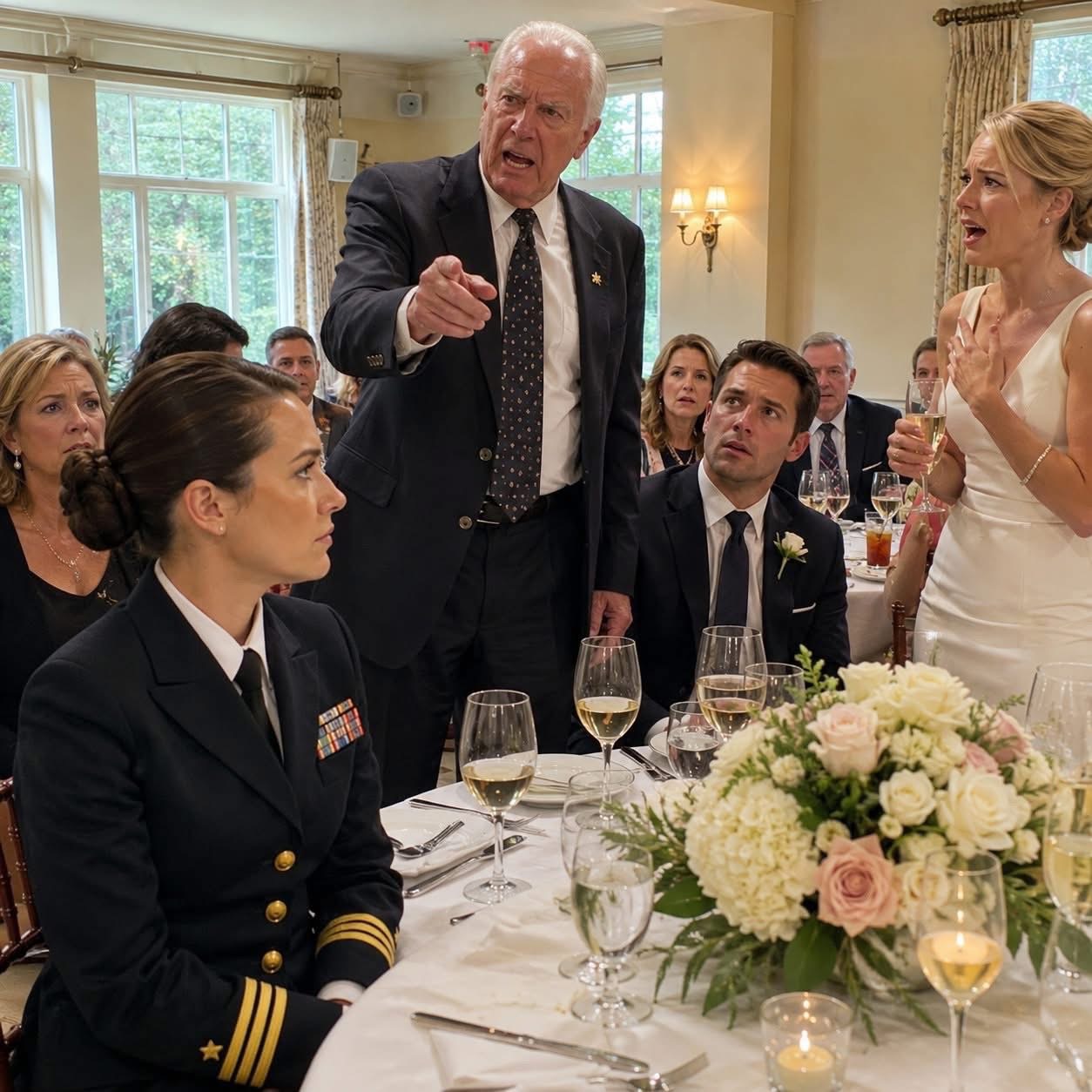
My Sister Smiled At Her Rehearsal Dinner And Said, “Tell Everyone Your Navy Nickname,” Thinking She’d Embarrass Me In Front Of Her New Family — But When I Said “Riptide,” The Groom’s 74-Year-Old Uncle Froze, Put Down His Glass, And Told Her To Apologize Before Anyone Even Understood Why My sister planned to humiliate me at dinner. I knew it before the first toast. I knew it from the way she smiled when I walked into the private dining room at the Fairfax Country Club, like she had been waiting for me—not because she was glad I came, but because I had finally arrived for my role in her performance. Brianna stood near the bar in a white cocktail dress, champagne in one hand, Derek’s arm tucked into the other. She looked beautiful. She always did. That was part of the problem. People forgave a lot when it came wrapped in perfect hair, soft perfume, and a laugh that made cruelty sound like charm. “Monica,” she called, loud enough for people to turn. “You made it.” “I said I would.” She hugged me with one arm, careful not to spill her drink. “I was starting to think the Navy had classified your arrival time.” A few people laughed. I smiled because that was what I had trained myself to do around my family. Smile just enough. React just little enough. Do not give Brianna anything she could turn into a second joke. A few hours earlier, I had almost turned the car around. I was still sitting outside in the parking lot, engine running, hands on the steering wheel, staring at the country club windows glowing gold in the evening light. My phone had buzzed three times. All from Brianna. Please don’t bring your Navy attitude to my wedding. Try to act normal for one weekend. And don’t scare Derek’s family with your serious face. I locked the phone and set it face down. That was my sister. If I reacted, I was too sensitive. If I stayed quiet, she kept going. If anyone called her out, she tilted her head and said she was only joking. And my mother always arrived with the same soft excuse. She doesn’t mean anything by it. That sentence had followed me my whole life. Through childhood dinners. Through college. Through my first deployment. Through every holiday where Brianna made my service sound like a personality flaw and everyone else laughed because it was easier than making her stop. I was 35 years old, a lieutenant commander in the United States Navy, and I had spent most of my adult life learning how to stay calm under pressure. But sitting outside my little sister’s rehearsal dinner, I felt seventeen again. Walking into a room where she already knew how to make people laugh. And I already knew I would be the reason. Inside, the room smelled like flowers, butter, polished wood, and expensive perfume. Three long tables. White linens. Candles. Printed menus. A schedule on a small easel near the entrance. Welcome drinks. Dinner. Toasts. Family fun stories. My eyes stopped on that last line. Family fun stories. Something tightened in my chest. I told myself not to assume the worst. Then I heard Brianna behind me near the hallway, whispering to her maid of honor, Tessa. “No, I’m serious,” she said, laughing under her breath. “The Navy nickname bit is going to kill.” Tessa laughed. “Does Monica know you’re doing that?” “She’ll be fine,” Brianna said. “She acts tough for a living.” I did not turn around. I sat down at my assigned seat and looked at the folded napkin on my plate like it was the most interesting thing in the room. That was another thing the Navy taught me. When your body wants to react, give it something small to focus on. A line. A corner. A glass of water. Anything ordinary enough to keep your face from showing what your chest already knows. My mother appeared beside me a minute later, wearing pale blue and the kind of smile women use when they want a family photo more than they want the truth. “Monica,” she said softly. “You okay?” It sounded like concern. It wasn’t. It was a warning in a nicer dress. “I heard her,” I said. Mom’s face tightened. “Heard what?” “The nickname bit.” She glanced toward Brianna, then back at me. “I’m sure she doesn’t mean anything by it.” There it was. The family motto. “She planned it,” I said. “Monica, please. Not tonight.” “I haven’t done anything.” “I know, honey. But this is her wedding weekend. Let her have this.” Let her have this. As if dignity was a centerpiece I could hand over. As if respect was something I could loan my sister for one weekend and pick back up on Monday. Dinner started. Derek’s family was kind. His mother asked about my drive. His cousin thanked me for my service. His father made warm conversation about Virginia Beach. For a little while, I almost believed the night could pass quietly. Then Brianna began. “Monica probably has an exit plan.” “Don’t worry, if dessert is late, she’ll call in backup.” “She’s Navy, so she’s judging how everyone holds a fork.” Every comment was small enough to deny. Sharp enough to feel. That was how Brianna worked. One joke never looked like a wound. But years of them could leave a person raw. My mother leaned toward me after the third one. “Just let it pass,” she whispered. I turned slightly. “Why is that always my job?” She did not answer. Because there was no answer that made her look good. Then came the toasts. Derek’s father spoke first. Warm. Simple. Kind. Derek stood next, nervous and sweet, talking about how much he loved my sister. Then Brianna rose. The room seemed to brighten around her. She held her champagne glass with both hands and smiled like the night belonged to her. “I promised myself I wouldn’t cry tonight,” she began, and everyone laughed gently. “So before we get too emotional, I thought we should have a little fun.” My mother went still beside me. I felt the air shift. Brianna turned her smile toward me. “Some of you have met my sister Monica tonight. She’s Navy, so if she looks serious, don’t worry. That’s just her face.” The room laughed. I folded my hands under the table. “She has always been the intense one in our family,” Brianna went on. “Even as a kid, she acted like every sleepover needed a chain of command.” More laughter. Then her eyes glittered. “And apparently, in the Navy, they gave her a very dramatic nickname. Monica never wants to talk about it, which obviously means we have to ask.” Derek’s smile faded. My mother whispered my name. Brianna lifted her glass. “Come on, Monica. Tell everyone your ridiculous Navy nickname.” The word ridiculous hung there. I looked at her across the table. White dress. Perfect makeup. Perfect smile. A bride making a harmless joke. That was the danger of Brianna. She always looked harmless when she was choosing exactly where to cut. “Not tonight,” I said. Her smile stayed, but her eyes sharpened. “Oh, please. It’s not classified.” A few people laughed. Softer now. I could feel the room deciding what kind of scene this was. If I played along, it would be funny. If I refused, I would be difficult. Brianna knew that. She had built the moment that way. “Come on, Navy girl,” she said. “What did they call you?” So I gave her exactly what she asked for. Nothing more. I looked at her and said, “Riptide.” The word landed quietly. For half a second, no one moved. Then Brianna laughed. “Riptide,” she repeated, loud enough for the back table to hear. “Seriously? That sounds like a rejected superhero name.” A few people chuckled because she did. Not because they were cruel. Because humiliation does not always begin with a mob. Sometimes it begins with one person giving everyone else permission. Brianna put one hand over her chest like she was trying not to laugh too hard. “Oh my God, Monica. You have to admit that is dramatic.” “I don’t,” I said. The room cooled. For the first time, people heard the edge beneath the joke. Brianna’s smile flickered. Then came the sound. A glass touching the table. Soft. Deliberate. Everyone turned. Derek’s uncle, Frank Whitmore, sat at the far side of the room, one hand still around his water glass. Seventy-four years old. White hair. Straight back. Quiet all evening. Former Navy corpsman, someone had told me during introductions. Until that moment, he had barely said a word. Now his face had changed completely. He was not looking at Brianna like she had made a bad joke. He was looking at her like she had stepped on something sacred. Slowly, Frank pushed his chair back. The legs scraped the floor just enough to cut through the last of the laughter. Derek turned toward him. “Uncle Frank?” Frank stood. He was not tall anymore, not the way younger men are tall. But when he rose, the entire room adjusted around him. Waiters froze. Forks stopped moving. My mother’s hand tightened around her napkin. Frank looked only at my sister. “Apologize,” he said. Brianna blinked. “What?” His voice stayed low. “Apologize. Now.” No one breathed. Brianna gave a nervous laugh. “Uncle Frank, come on. It was just a joke.” Frank did not smile. “No,” he said. “It wasn’t.” And that was when Derek looked from his uncle to me, then back to Brianna, and asked the question that made my sister’s face finally lose its color. “Brianna,” he said quietly, “what exactly did you just make fun of?” (I know you’re curious about the next part, so please be patient and read on in the comments below. Thank you for your understanding of the inconvenience. please leave a ‘YES’ comment below and give us a “Like ” to get full story ) 👇

Posted on May 27, 2026 By admin No Comments on My Sister Smiled At Her Rehearsal Dinner And Said, “Tell Everyone Your Navy Nickname,” Thinking She’d Embarrass Me In Front Of Her New Family — But When I Said “Riptide,” The Groom’s 74-Year-Old Uncle Froze, Put Down His Glass, And Told Her To Apologize Before Anyone Even Understood Why My sister planned to humiliate me at dinner. I knew it before the first toast. I knew it from the way she smiled when I walked into the private dining room at the Fairfax Country Club, like she had been waiting for me—not because she was glad I came, but because I had finally arrived for my role in her performance. Brianna stood near the bar in a white cocktail dress, champagne in one hand, Derek’s arm tucked into the other. She looked beautiful. She always did. That was part of the problem. People forgave a lot when it came wrapped in perfect hair, soft perfume, and a laugh that made cruelty sound like charm. “Monica,” she called, loud enough for people to turn. “You made it.” “I said I would.” She hugged me with one arm, careful not to spill her drink. “I was starting to think the Navy had classified your arrival time.” A few people laughed. I smiled because that was what I had trained myself to do around my family. Smile just enough. React just little enough. Do not give Brianna anything she could turn into a second joke. A few hours earlier, I had almost turned the car around. I was still sitting outside in the parking lot, engine running, hands on the steering wheel, staring at the country club windows glowing gold in the evening light. My phone had buzzed three times. All from Brianna. Please don’t bring your Navy attitude to my wedding. Try to act normal for one weekend. And don’t scare Derek’s family with your serious face. I locked the phone and set it face down. That was my sister. If I reacted, I was too sensitive. If I stayed quiet, she kept going. If anyone called her out, she tilted her head and said she was only joking. And my mother always arrived with the same soft excuse. She doesn’t mean anything by it. That sentence had followed me my whole life. Through childhood dinners. Through college. Through my first deployment. Through every holiday where Brianna made my service sound like a personality flaw and everyone else laughed because it was easier than making her stop. I was 35 years old, a lieutenant commander in the United States Navy, and I had spent most of my adult life learning how to stay calm under pressure. But sitting outside my little sister’s rehearsal dinner, I felt seventeen again. Walking into a room where she already knew how to make people laugh. And I already knew I would be the reason. Inside, the room smelled like flowers, butter, polished wood, and expensive perfume. Three long tables. White linens. Candles. Printed menus. A schedule on a small easel near the entrance. Welcome drinks. Dinner. Toasts. Family fun stories. My eyes stopped on that last line. Family fun stories. Something tightened in my chest. I told myself not to assume the worst. Then I heard Brianna behind me near the hallway, whispering to her maid of honor, Tessa. “No, I’m serious,” she said, laughing under her breath. “The Navy nickname bit is going to kill.” Tessa laughed. “Does Monica know you’re doing that?” “She’ll be fine,” Brianna said. “She acts tough for a living.” I did not turn around. I sat down at my assigned seat and looked at the folded napkin on my plate like it was the most interesting thing in the room. That was another thing the Navy taught me. When your body wants to react, give it something small to focus on. A line. A corner. A glass of water. Anything ordinary enough to keep your face from showing what your chest already knows. My mother appeared beside me a minute later, wearing pale blue and the kind of smile women use when they want a family photo more than they want the truth. “Monica,” she said softly. “You okay?” It sounded like concern. It wasn’t. It was a warning in a nicer dress. “I heard her,” I said. Mom’s face tightened. “Heard what?” “The nickname bit.” She glanced toward Brianna, then back at me. “I’m sure she doesn’t mean anything by it.” There it was. The family motto. “She planned it,” I said. “Monica, please. Not tonight.” “I haven’t done anything.” “I know, honey. But this is her wedding weekend. Let her have this.” Let her have this. As if dignity was a centerpiece I could hand over. As if respect was something I could loan my sister for one weekend and pick back up on Monday. Dinner started. Derek’s family was kind. His mother asked about my drive. His cousin thanked me for my service. His father made warm conversation about Virginia Beach. For a little while, I almost believed the night could pass quietly. Then Brianna began. “Monica probably has an exit plan.” “Don’t worry, if dessert is late, she’ll call in backup.” “She’s Navy, so she’s judging how everyone holds a fork.” Every comment was small enough to deny. Sharp enough to feel. That was how Brianna worked. One joke never looked like a wound. But years of them could leave a person raw. My mother leaned toward me after the third one. “Just let it pass,” she whispered. I turned slightly. “Why is that always my job?” She did not answer. Because there was no answer that made her look good. Then came the toasts. Derek’s father spoke first. Warm. Simple. Kind. Derek stood next, nervous and sweet, talking about how much he loved my sister. Then Brianna rose. The room seemed to brighten around her. She held her champagne glass with both hands and smiled like the night belonged to her. “I promised myself I wouldn’t cry tonight,” she began, and everyone laughed gently. “So before we get too emotional, I thought we should have a little fun.” My mother went still beside me. I felt the air shift. Brianna turned her smile toward me. “Some of you have met my sister Monica tonight. She’s Navy, so if she looks serious, don’t worry. That’s just her face.” The room laughed. I folded my hands under the table. “She has always been the intense one in our family,” Brianna went on. “Even as a kid, she acted like every sleepover needed a chain of command.” More laughter. Then her eyes glittered. “And apparently, in the Navy, they gave her a very dramatic nickname. Monica never wants to talk about it, which obviously means we have to ask.” Derek’s smile faded. My mother whispered my name. Brianna lifted her glass. “Come on, Monica. Tell everyone your ridiculous Navy nickname.” The word ridiculous hung there. I looked at her across the table. White dress. Perfect makeup. Perfect smile. A bride making a harmless joke. That was the danger of Brianna. She always looked harmless when she was choosing exactly where to cut. “Not tonight,” I said. Her smile stayed, but her eyes sharpened. “Oh, please. It’s not classified.” A few people laughed. Softer now. I could feel the room deciding what kind of scene this was. If I played along, it would be funny. If I refused, I would be difficult. Brianna knew that. She had built the moment that way. “Come on, Navy girl,” she said. “What did they call you?” So I gave her exactly what she asked for. Nothing more. I looked at her and said, “Riptide.” The word landed quietly. For half a second, no one moved. Then Brianna laughed. “Riptide,” she repeated, loud enough for the back table to hear. “Seriously? That sounds like a rejected superhero name.” A few people chuckled because she did. Not because they were cruel. Because humiliation does not always begin with a mob. Sometimes it begins with one person giving everyone else permission. Brianna put one hand over her chest like she was trying not to laugh too hard. “Oh my God, Monica. You have to admit that is dramatic.” “I don’t,” I said. The room cooled. For the first time, people heard the edge beneath the joke. Brianna’s smile flickered. Then came the sound. A glass touching the table. Soft. Deliberate. Everyone turned. Derek’s uncle, Frank Whitmore, sat at the far side of the room, one hand still around his water glass. Seventy-four years old. White hair. Straight back. Quiet all evening. Former Navy corpsman, someone had told me during introductions. Until that moment, he had barely said a word. Now his face had changed completely. He was not looking at Brianna like she had made a bad joke. He was looking at her like she had stepped on something sacred. Slowly, Frank pushed his chair back. The legs scraped the floor just enough to cut through the last of the laughter. Derek turned toward him. “Uncle Frank?” Frank stood. He was not tall anymore, not the way younger men are tall. But when he rose, the entire room adjusted around him. Waiters froze. Forks stopped moving. My mother’s hand tightened around her napkin. Frank looked only at my sister. “Apologize,” he said. Brianna blinked. “What?” His voice stayed low. “Apologize. Now.” No one breathed. Brianna gave a nervous laugh. “Uncle Frank, come on. It was just a joke.” Frank did not smile. “No,” he said. “It wasn’t.” And that was when Derek looked from his uncle to me, then back to Brianna, and asked the question that made my sister’s face finally lose its color. “Brianna,” he said quietly, “what exactly did you just make fun of?” (I know you’re curious about the next part, so please be patient and read on in the comments below. Thank you for your understanding of the inconvenience. please leave a ‘YES’ comment below and give us a “Like ” to get full story ) 👇
My Sister Smiled At Her Rehearsal Dinner And Said, “Tell Everyone Your Navy Nickname,” Thinking She’d Embarrass Me In Front Of Her New Family — But When I Said “Riptide,” The Groom’s 74-Year-Old Uncle Froze, Put Down His Glass, And Told Her To Apologize Before Anyone Even Understood Why  My sister planned to humiliate me at dinner.  I knew it before the first toast.  I knew it from the way she smiled when I walked into the private dining room at the Fairfax Country Club, like she had been waiting for me—not because she was glad I came, but because I had finally arrived for my role in her performance.  Brianna stood near the bar in a white cocktail dress, champagne in one hand, Derek’s arm tucked into the other.  She looked beautiful.  She always did.  That was part of the problem.  People forgave a lot when it came wrapped in perfect hair, soft perfume, and a laugh that made cruelty sound like charm.  “Monica,” she called, loud enough for people to turn. “You made it.”  “I said I would.”  She hugged me with one arm, careful not to spill her drink.  “I was starting to think the Navy had classified your arrival time.”  A few people laughed.  I smiled because that was what I had trained myself to do around my family.  Smile just enough.  React just little enough.  Do not give Brianna anything she could turn into a second joke.  A few hours earlier, I had almost turned the car around.  I was still sitting outside in the parking lot, engine running, hands on the steering wheel, staring at the country club windows glowing gold in the evening light.  My phone had buzzed three times.  All from Brianna.  Please don’t bring your Navy attitude to my wedding.  Try to act normal for one weekend.  And don’t scare Derek’s family with your serious face.  I locked the phone and set it face down.  That was my sister.  If I reacted, I was too sensitive.  If I stayed quiet, she kept going.  If anyone called her out, she tilted her head and said she was only joking.  And my mother always arrived with the same soft excuse.  She doesn’t mean anything by it.  That sentence had followed me my whole life.  Through childhood dinners.  Through college.  Through my first deployment.  Through every holiday where Brianna made my service sound like a personality flaw and everyone else laughed because it was easier than making her stop.  I was 35 years old, a lieutenant commander in the United States Navy, and I had spent most of my adult life learning how to stay calm under pressure.  But sitting outside my little sister’s rehearsal dinner, I felt seventeen again.  Walking into a room where she already knew how to make people laugh.  And I already knew I would be the reason.  Inside, the room smelled like flowers, butter, polished wood, and expensive perfume.  Three long tables.  White linens.  Candles.  Printed menus.  A schedule on a small easel near the entrance.  Welcome drinks.  Dinner.  Toasts.  Family fun stories.  My eyes stopped on that last line.  Family fun stories.  Something tightened in my chest.  I told myself not to assume the worst.  Then I heard Brianna behind me near the hallway, whispering to her maid of honor, Tessa.  “No, I’m serious,” she said, laughing under her breath. “The Navy nickname bit is going to kill.”  Tessa laughed. “Does Monica know you’re doing that?”  “She’ll be fine,” Brianna said. “She acts tough for a living.”  I did not turn around.  I sat down at my assigned seat and looked at the folded napkin on my plate like it was the most interesting thing in the room.  That was another thing the Navy taught me.  When your body wants to react, give it something small to focus on.  A line.  A corner.  A glass of water.  Anything ordinary enough to keep your face from showing what your chest already knows.  My mother appeared beside me a minute later, wearing pale blue and the kind of smile women use when they want a family photo more than they want the truth.  “Monica,” she said softly. “You okay?”  It sounded like concern.  It wasn’t.  It was a warning in a nicer dress.  “I heard her,” I said.  Mom’s face tightened. “Heard what?”  “The nickname bit.”  She glanced toward Brianna, then back at me.  “I’m sure she doesn’t mean anything by it.”  There it was.  The family motto.  “She planned it,” I said.  “Monica, please. Not tonight.”  “I haven’t done anything.”  “I know, honey. But this is her wedding weekend. Let her have this.”  Let her have this.  As if dignity was a centerpiece I could hand over.  As if respect was something I could loan my sister for one weekend and pick back up on Monday.  Dinner started.  Derek’s family was kind. His mother asked about my drive. His cousin thanked me for my service. His father made warm conversation about Virginia Beach.  For a little while, I almost believed the night could pass quietly.  Then Brianna began.  “Monica probably has an exit plan.”  “Don’t worry, if dessert is late, she’ll call in backup.”  “She’s Navy, so she’s judging how everyone holds a fork.”  Every comment was small enough to deny.  Sharp enough to feel.  That was how Brianna worked.  One joke never looked like a wound.  But years of them could leave a person raw.  My mother leaned toward me after the third one.  “Just let it pass,” she whispered.  I turned slightly.  “Why is that always my job?”  She did not answer.  Because there was no answer that made her look good.  Then came the toasts.  Derek’s father spoke first. Warm. Simple. Kind.  Derek stood next, nervous and sweet, talking about how much he loved my sister.  Then Brianna rose.  The room seemed to brighten around her.  She held her champagne glass with both hands and smiled like the night belonged to her.  “I promised myself I wouldn’t cry tonight,” she began, and everyone laughed gently. “So before we get too emotional, I thought we should have a little fun.”  My mother went still beside me.  I felt the air shift.  Brianna turned her smile toward me.  “Some of you have met my sister Monica tonight. She’s Navy, so if she looks serious, don’t worry. That’s just her face.”  The room laughed.  I folded my hands under the table.  “She has always been the intense one in our family,” Brianna went on. “Even as a kid, she acted like every sleepover needed a chain of command.”  More laughter.  Then her eyes glittered.  “And apparently, in the Navy, they gave her a very dramatic nickname. Monica never wants to talk about it, which obviously means we have to ask.”  Derek’s smile faded.  My mother whispered my name.  Brianna lifted her glass.  “Come on, Monica. Tell everyone your ridiculous Navy nickname.”  The word ridiculous hung there.  I looked at her across the table.  White dress.  Perfect makeup.  Perfect smile.  A bride making a harmless joke.  That was the danger of Brianna.  She always looked harmless when she was choosing exactly where to cut.  “Not tonight,” I said.  Her smile stayed, but her eyes sharpened.  “Oh, please. It’s not classified.”  A few people laughed.  Softer now.  I could feel the room deciding what kind of scene this was.  If I played along, it would be funny.  If I refused, I would be difficult.  Brianna knew that.  She had built the moment that way.  “Come on, Navy girl,” she said. “What did they call you?”  So I gave her exactly what she asked for.  Nothing more.  I looked at her and said, “Riptide.”  The word landed quietly.  For half a second, no one moved.  Then Brianna laughed.  “Riptide,” she repeated, loud enough for the back table to hear. “Seriously? That sounds like a rejected superhero name.”  A few people chuckled because she did.  Not because they were cruel.  Because humiliation does not always begin with a mob.  Sometimes it begins with one person giving everyone else permission.  Brianna put one hand over her chest like she was trying not to laugh too hard.  “Oh my God, Monica. You have to admit that is dramatic.”  “I don’t,” I said.  The room cooled.  For the first time, people heard the edge beneath the joke.  Brianna’s smile flickered.  Then came the sound.  A glass touching the table.  Soft.  Deliberate.  Everyone turned.  Derek’s uncle, Frank Whitmore, sat at the far side of the room, one hand still around his water glass.  Seventy-four years old.  White hair.  Straight back.  Quiet all evening.  Former Navy corpsman, someone had told me during introductions.  Until that moment, he had barely said a word.  Now his face had changed completely.  He was not looking at Brianna like she had made a bad joke.  He was looking at her like she had stepped on something sacred.  Slowly, Frank pushed his chair back.  The legs scraped the floor just enough to cut through the last of the laughter.  Derek turned toward him.  “Uncle Frank?”  Frank stood.  He was not tall anymore, not the way younger men are tall.  But when he rose, the entire room adjusted around him.  Waiters froze.  Forks stopped moving.  My mother’s hand tightened around her napkin.  Frank looked only at my sister.  “Apologize,” he said.  Brianna blinked. “What?”  His voice stayed low.  “Apologize. Now.”  No one breathed.  Brianna gave a nervous laugh.  “Uncle Frank, come on. It was just a joke.”  Frank did not smile.  “No,” he said. “It wasn’t.”  And that was when Derek looked from his uncle to me, then back to Brianna, and asked the question that made my sister’s face finally lose its color.  “Brianna,” he said quietly, “what exactly did you just make fun of?” (I know you’re curious about the next part, so please be patient and read on in the comments below. Thank you for your understanding of the inconvenience. please leave a ‘YES’ comment below and give us a “Like ” to get full story ) 👇

My sister smiled at the rehearsal dinner and said, “Tell everyone your Navy nickname.” She said it the way she always said things designed to land, bright and casual, like an observation rather than a weapon. The room was warm with candlelight and wine and the particular ease of a wedding weekend that believed itself…

Read More “My Sister Smiled At Her Rehearsal Dinner And Said, “Tell Everyone Your Navy Nickname,” Thinking She’d Embarrass Me In Front Of Her New Family — But When I Said “Riptide,” The Groom’s 74-Year-Old Uncle Froze, Put Down His Glass, And Told Her To Apologize Before Anyone Even Understood Why My sister planned to humiliate me at dinner. I knew it before the first toast. I knew it from the way she smiled when I walked into the private dining room at the Fairfax Country Club, like she had been waiting for me—not because she was glad I came, but because I had finally arrived for my role in her performance. Brianna stood near the bar in a white cocktail dress, champagne in one hand, Derek’s arm tucked into the other. She looked beautiful. She always did. That was part of the problem. People forgave a lot when it came wrapped in perfect hair, soft perfume, and a laugh that made cruelty sound like charm. “Monica,” she called, loud enough for people to turn. “You made it.” “I said I would.” She hugged me with one arm, careful not to spill her drink. “I was starting to think the Navy had classified your arrival time.” A few people laughed. I smiled because that was what I had trained myself to do around my family. Smile just enough. React just little enough. Do not give Brianna anything she could turn into a second joke. A few hours earlier, I had almost turned the car around. I was still sitting outside in the parking lot, engine running, hands on the steering wheel, staring at the country club windows glowing gold in the evening light. My phone had buzzed three times. All from Brianna. Please don’t bring your Navy attitude to my wedding. Try to act normal for one weekend. And don’t scare Derek’s family with your serious face. I locked the phone and set it face down. That was my sister. If I reacted, I was too sensitive. If I stayed quiet, she kept going. If anyone called her out, she tilted her head and said she was only joking. And my mother always arrived with the same soft excuse. She doesn’t mean anything by it. That sentence had followed me my whole life. Through childhood dinners. Through college. Through my first deployment. Through every holiday where Brianna made my service sound like a personality flaw and everyone else laughed because it was easier than making her stop. I was 35 years old, a lieutenant commander in the United States Navy, and I had spent most of my adult life learning how to stay calm under pressure. But sitting outside my little sister’s rehearsal dinner, I felt seventeen again. Walking into a room where she already knew how to make people laugh. And I already knew I would be the reason. Inside, the room smelled like flowers, butter, polished wood, and expensive perfume. Three long tables. White linens. Candles. Printed menus. A schedule on a small easel near the entrance. Welcome drinks. Dinner. Toasts. Family fun stories. My eyes stopped on that last line. Family fun stories. Something tightened in my chest. I told myself not to assume the worst. Then I heard Brianna behind me near the hallway, whispering to her maid of honor, Tessa. “No, I’m serious,” she said, laughing under her breath. “The Navy nickname bit is going to kill.” Tessa laughed. “Does Monica know you’re doing that?” “She’ll be fine,” Brianna said. “She acts tough for a living.” I did not turn around. I sat down at my assigned seat and looked at the folded napkin on my plate like it was the most interesting thing in the room. That was another thing the Navy taught me. When your body wants to react, give it something small to focus on. A line. A corner. A glass of water. Anything ordinary enough to keep your face from showing what your chest already knows. My mother appeared beside me a minute later, wearing pale blue and the kind of smile women use when they want a family photo more than they want the truth. “Monica,” she said softly. “You okay?” It sounded like concern. It wasn’t. It was a warning in a nicer dress. “I heard her,” I said. Mom’s face tightened. “Heard what?” “The nickname bit.” She glanced toward Brianna, then back at me. “I’m sure she doesn’t mean anything by it.” There it was. The family motto. “She planned it,” I said. “Monica, please. Not tonight.” “I haven’t done anything.” “I know, honey. But this is her wedding weekend. Let her have this.” Let her have this. As if dignity was a centerpiece I could hand over. As if respect was something I could loan my sister for one weekend and pick back up on Monday. Dinner started. Derek’s family was kind. His mother asked about my drive. His cousin thanked me for my service. His father made warm conversation about Virginia Beach. For a little while, I almost believed the night could pass quietly. Then Brianna began. “Monica probably has an exit plan.” “Don’t worry, if dessert is late, she’ll call in backup.” “She’s Navy, so she’s judging how everyone holds a fork.” Every comment was small enough to deny. Sharp enough to feel. That was how Brianna worked. One joke never looked like a wound. But years of them could leave a person raw. My mother leaned toward me after the third one. “Just let it pass,” she whispered. I turned slightly. “Why is that always my job?” She did not answer. Because there was no answer that made her look good. Then came the toasts. Derek’s father spoke first. Warm. Simple. Kind. Derek stood next, nervous and sweet, talking about how much he loved my sister. Then Brianna rose. The room seemed to brighten around her. She held her champagne glass with both hands and smiled like the night belonged to her. “I promised myself I wouldn’t cry tonight,” she began, and everyone laughed gently. “So before we get too emotional, I thought we should have a little fun.” My mother went still beside me. I felt the air shift. Brianna turned her smile toward me. “Some of you have met my sister Monica tonight. She’s Navy, so if she looks serious, don’t worry. That’s just her face.” The room laughed. I folded my hands under the table. “She has always been the intense one in our family,” Brianna went on. “Even as a kid, she acted like every sleepover needed a chain of command.” More laughter. Then her eyes glittered. “And apparently, in the Navy, they gave her a very dramatic nickname. Monica never wants to talk about it, which obviously means we have to ask.” Derek’s smile faded. My mother whispered my name. Brianna lifted her glass. “Come on, Monica. Tell everyone your ridiculous Navy nickname.” The word ridiculous hung there. I looked at her across the table. White dress. Perfect makeup. Perfect smile. A bride making a harmless joke. That was the danger of Brianna. She always looked harmless when she was choosing exactly where to cut. “Not tonight,” I said. Her smile stayed, but her eyes sharpened. “Oh, please. It’s not classified.” A few people laughed. Softer now. I could feel the room deciding what kind of scene this was. If I played along, it would be funny. If I refused, I would be difficult. Brianna knew that. She had built the moment that way. “Come on, Navy girl,” she said. “What did they call you?” So I gave her exactly what she asked for. Nothing more. I looked at her and said, “Riptide.” The word landed quietly. For half a second, no one moved. Then Brianna laughed. “Riptide,” she repeated, loud enough for the back table to hear. “Seriously? That sounds like a rejected superhero name.” A few people chuckled because she did. Not because they were cruel. Because humiliation does not always begin with a mob. Sometimes it begins with one person giving everyone else permission. Brianna put one hand over her chest like she was trying not to laugh too hard. “Oh my God, Monica. You have to admit that is dramatic.” “I don’t,” I said. The room cooled. For the first time, people heard the edge beneath the joke. Brianna’s smile flickered. Then came the sound. A glass touching the table. Soft. Deliberate. Everyone turned. Derek’s uncle, Frank Whitmore, sat at the far side of the room, one hand still around his water glass. Seventy-four years old. White hair. Straight back. Quiet all evening. Former Navy corpsman, someone had told me during introductions. Until that moment, he had barely said a word. Now his face had changed completely. He was not looking at Brianna like she had made a bad joke. He was looking at her like she had stepped on something sacred. Slowly, Frank pushed his chair back. The legs scraped the floor just enough to cut through the last of the laughter. Derek turned toward him. “Uncle Frank?” Frank stood. He was not tall anymore, not the way younger men are tall. But when he rose, the entire room adjusted around him. Waiters froze. Forks stopped moving. My mother’s hand tightened around her napkin. Frank looked only at my sister. “Apologize,” he said. Brianna blinked. “What?” His voice stayed low. “Apologize. Now.” No one breathed. Brianna gave a nervous laugh. “Uncle Frank, come on. It was just a joke.” Frank did not smile. “No,” he said. “It wasn’t.” And that was when Derek looked from his uncle to me, then back to Brianna, and asked the question that made my sister’s face finally lose its color. “Brianna,” he said quietly, “what exactly did you just make fun of?” (I know you’re curious about the next part, so please be patient and read on in the comments below. Thank you for your understanding of the inconvenience. please leave a ‘YES’ comment below and give us a “Like ” to get full story ) 👇” »

Uncategorized

Just days after our wedding, my mother-in-law dropped a lease agreement in front of me and said, “You’re living in our family’s apartment now. You’ll pay $1,500 a month.” I smiled and replied, “Then I’ll move back to my own place.” My husband froze. “Your own place?” Assuming it was some rundown apartment, she brought 25 relatives along to embarrass me—until they saw my luxury penthouse and suddenly started asking for forgiveness. By 8:12 last Tuesday morning, Brad’s espresso had gone cold, my iPad screen was still smudged from reviewing quarterly reports, and the paper Katherine Thompson dropped onto my dining table made a sharp, final sound against the wood. Five days after my wedding, my mother-in-law handed me a lease like I was a stranger applying for permission to stay. She walked in without knocking, dressed in one of those expensive beige coats that felt more like a statement than clothing. Her Hermès bag landed on the chair beside me. Her eyes swept over my navy suit, my laptop, the untouched coffee—and then my face, as if she had spotted something out of place. “Put away your little office toy, Emma,” she said. Then she slid the lease toward me. My full married name sat under Tenant. Monthly rent: $1,500. Property owner: Thompson Family Trust. “This apartment belongs to the Thompson family,” Katherine said, each word polished and sharp. “You’re living here now. You will pay fifteen hundred dollars a month in rent. A woman from your background should consider that generous.” For a moment, all I could hear was the quiet hum of the refrigerator and the soft scrape of Brad’s spoon against his cup. I looked at my husband. “Brad, are you really letting your mother charge your wife rent just to live with you?” He didn’t look surprised. That told me everything. Then he sighed, like I was the problem. “Stop overreacting, Emma,” he said. “Mom’s right. You work some small job and act like you built something huge. You married into the Thompsons. We gave you a lifestyle you could never afford. So drop the pride and show some gratitude.” Gratitude. That word explained everything. They didn’t want a partner. They wanted someone quiet—someone willing to pay for the privilege of being looked down on. Money doesn’t create cruelty. It just gives it a nicer setting. I didn’t cry. I folded the lease once, carefully aligned the edges, and set it back on the table. “Then I’ll move back to my own apartment in Lincoln Park.” Brad’s spoon stopped mid-air. Katherine laughed, her pearls shifting as she did. “Let her go. If she wants to run back to whatever place she came from, let her. Some people need a reminder of where they belong.” I stood, closed my iPad, and packed only what was mine: my work bag, my grandmother’s bracelet, my passport folder, two suits, and the wedding shoes I already regretted buying. I left the lease behind. It wasn’t mine. It was proof. By Sunday morning, Katherine had turned my decision into a spectacle. She rented a minibus and filled it with 25 relatives dressed in linen, gold watches, and smiles that suggested humiliation would be their entertainment for the day. She called it an “intervention.” “Today,” she announced loudly, “we’re going to visit my daughter-in-law’s little apartment. Let’s see how long her pride lasts when everyone sees where she really belongs.” No one objected. A few even laughed. Brad sat near the front, pretending to check his phone, though the tips of his ears had turned red. The bus moved through Chicago traffic while Katherine described the life she expected to find—cracked stairs, peeling paint, a broken entry buzzer. She wanted them to see me as small. She wanted Brad to remember who she thought I was. Then the bus stopped. Katherine’s smile faltered. The building in front of them wasn’t a run-down walk-up. It was The Pinnacle—glass, black stone, uniformed security, and a private entrance quiet enough to make the city feel distant. The kind of place where even the lobby flowers looked expensive. A cousin whispered, “Is this the right address?” Katherine recovered quickly. “She probably works here,” she said. “Or gave us the wrong location.” Inside, the lobby smelled faintly of lilies and polished stone. Shoes echoed across the marble floor. Twenty-five relatives followed behind Katherine as she walked straight to the concierge desk. “We’re here for Emma Thompson,” she said sharply. “Point us to the service elevator.” The concierge checked his system. “I don’t have a resident under Emma Thompson.” Katherine smiled again. “Exactly. She lied.” Then Brad spoke quietly, “Try her maiden name. Emma Henderson.” The concierge typed. Then stopped. The room shifted in a way that felt louder than noise. He straightened his posture, buttoned his jacket, and stepped out from behind the desk as Katherine’s smile slowly disappeared. Then he looked toward the private elevators and said carefully, “Ms. Henderson left instructions for…” 👇 Part 2 below…
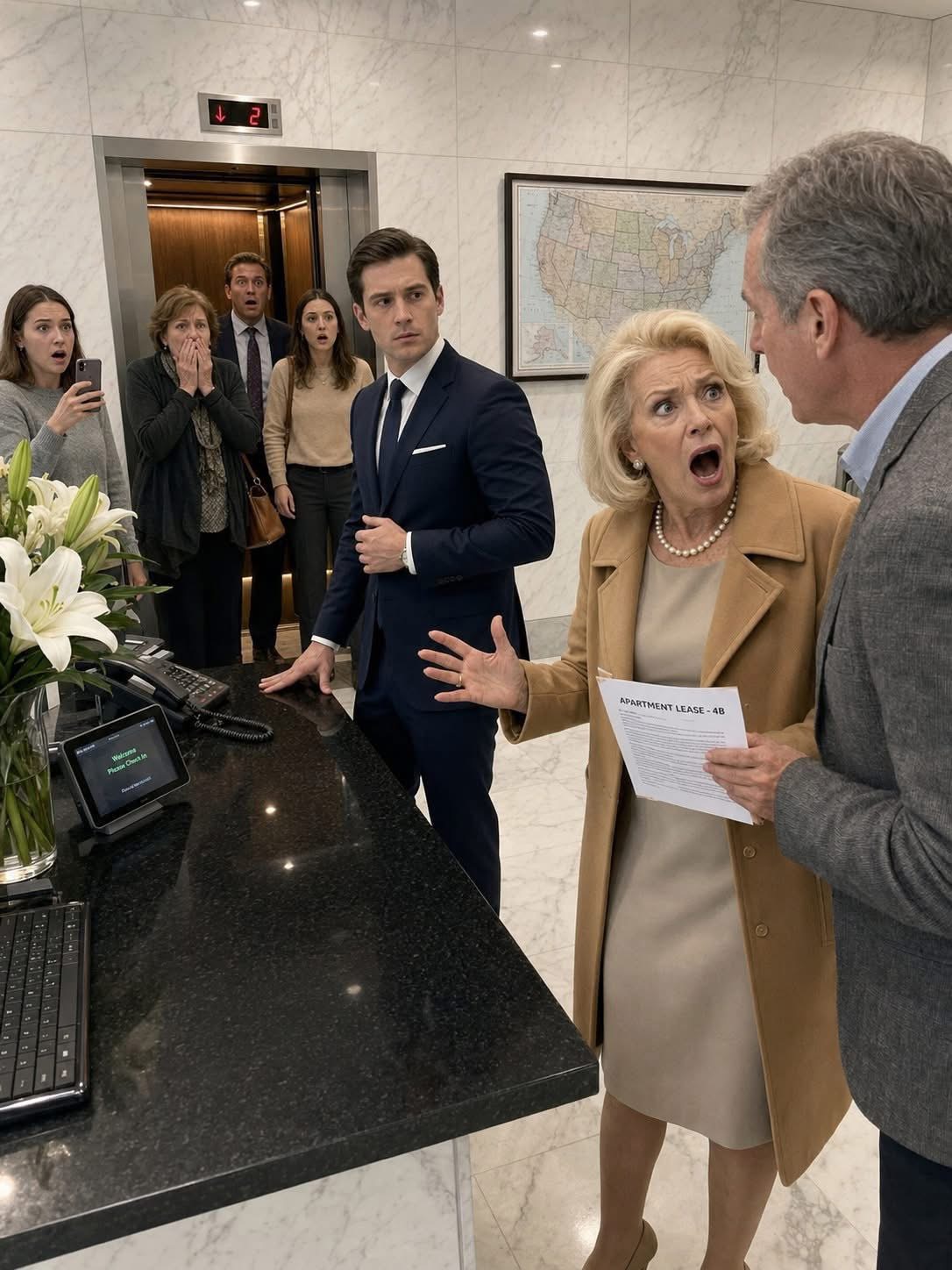
Posted on May 27, 2026 By admin No Comments on Just days after our wedding, my mother-in-law dropped a lease agreement in front of me and said, “You’re living in our family’s apartment now. You’ll pay $1,500 a month.” I smiled and replied, “Then I’ll move back to my own place.” My husband froze. “Your own place?” Assuming it was some rundown apartment, she brought 25 relatives along to embarrass me—until they saw my luxury penthouse and suddenly started asking for forgiveness. By 8:12 last Tuesday morning, Brad’s espresso had gone cold, my iPad screen was still smudged from reviewing quarterly reports, and the paper Katherine Thompson dropped onto my dining table made a sharp, final sound against the wood. Five days after my wedding, my mother-in-law handed me a lease like I was a stranger applying for permission to stay. She walked in without knocking, dressed in one of those expensive beige coats that felt more like a statement than clothing. Her Hermès bag landed on the chair beside me. Her eyes swept over my navy suit, my laptop, the untouched coffee—and then my face, as if she had spotted something out of place. “Put away your little office toy, Emma,” she said. Then she slid the lease toward me. My full married name sat under Tenant. Monthly rent: $1,500. Property owner: Thompson Family Trust. “This apartment belongs to the Thompson family,” Katherine said, each word polished and sharp. “You’re living here now. You will pay fifteen hundred dollars a month in rent. A woman from your background should consider that generous.” For a moment, all I could hear was the quiet hum of the refrigerator and the soft scrape of Brad’s spoon against his cup. I looked at my husband. “Brad, are you really letting your mother charge your wife rent just to live with you?” He didn’t look surprised. That told me everything. Then he sighed, like I was the problem. “Stop overreacting, Emma,” he said. “Mom’s right. You work some small job and act like you built something huge. You married into the Thompsons. We gave you a lifestyle you could never afford. So drop the pride and show some gratitude.” Gratitude. That word explained everything. They didn’t want a partner. They wanted someone quiet—someone willing to pay for the privilege of being looked down on. Money doesn’t create cruelty. It just gives it a nicer setting. I didn’t cry. I folded the lease once, carefully aligned the edges, and set it back on the table. “Then I’ll move back to my own apartment in Lincoln Park.” Brad’s spoon stopped mid-air. Katherine laughed, her pearls shifting as she did. “Let her go. If she wants to run back to whatever place she came from, let her. Some people need a reminder of where they belong.” I stood, closed my iPad, and packed only what was mine: my work bag, my grandmother’s bracelet, my passport folder, two suits, and the wedding shoes I already regretted buying. I left the lease behind. It wasn’t mine. It was proof. By Sunday morning, Katherine had turned my decision into a spectacle. She rented a minibus and filled it with 25 relatives dressed in linen, gold watches, and smiles that suggested humiliation would be their entertainment for the day. She called it an “intervention.” “Today,” she announced loudly, “we’re going to visit my daughter-in-law’s little apartment. Let’s see how long her pride lasts when everyone sees where she really belongs.” No one objected. A few even laughed. Brad sat near the front, pretending to check his phone, though the tips of his ears had turned red. The bus moved through Chicago traffic while Katherine described the life she expected to find—cracked stairs, peeling paint, a broken entry buzzer. She wanted them to see me as small. She wanted Brad to remember who she thought I was. Then the bus stopped. Katherine’s smile faltered. The building in front of them wasn’t a run-down walk-up. It was The Pinnacle—glass, black stone, uniformed security, and a private entrance quiet enough to make the city feel distant. The kind of place where even the lobby flowers looked expensive. A cousin whispered, “Is this the right address?” Katherine recovered quickly. “She probably works here,” she said. “Or gave us the wrong location.” Inside, the lobby smelled faintly of lilies and polished stone. Shoes echoed across the marble floor. Twenty-five relatives followed behind Katherine as she walked straight to the concierge desk. “We’re here for Emma Thompson,” she said sharply. “Point us to the service elevator.” The concierge checked his system. “I don’t have a resident under Emma Thompson.” Katherine smiled again. “Exactly. She lied.” Then Brad spoke quietly, “Try her maiden name. Emma Henderson.” The concierge typed. Then stopped. The room shifted in a way that felt louder than noise. He straightened his posture, buttoned his jacket, and stepped out from behind the desk as Katherine’s smile slowly disappeared. Then he looked toward the private elevators and said carefully, “Ms. Henderson left instructions for…” 👇 Part 2 below…
Just days after our wedding, my mother-in-law dropped a lease agreement in front of me and said, “You’re living in our family’s apartment now. You’ll pay $1,500 a month.” I smiled and replied, “Then I’ll move back to my own place.” My husband froze. “Your own place?” Assuming it was some rundown apartment, she brought 25 relatives along to embarrass me—until they saw my luxury penthouse and suddenly started asking for forgiveness.  By 8:12 last Tuesday morning, Brad’s espresso had gone cold, my iPad screen was still smudged from reviewing quarterly reports, and the paper Katherine Thompson dropped onto my dining table made a sharp, final sound against the wood.  Five days after my wedding, my mother-in-law handed me a lease like I was a stranger applying for permission to stay.  She walked in without knocking, dressed in one of those expensive beige coats that felt more like a statement than clothing. Her Hermès bag landed on the chair beside me. Her eyes swept over my navy suit, my laptop, the untouched coffee—and then my face, as if she had spotted something out of place.  “Put away your little office toy, Emma,” she said.  Then she slid the lease toward me.  My full married name sat under Tenant. Monthly rent: $1,500. Property owner: Thompson Family Trust.  “This apartment belongs to the Thompson family,” Katherine said, each word polished and sharp. “You’re living here now. You will pay fifteen hundred dollars a month in rent. A woman from your background should consider that generous.”  For a moment, all I could hear was the quiet hum of the refrigerator and the soft scrape of Brad’s spoon against his cup.  I looked at my husband. “Brad, are you really letting your mother charge your wife rent just to live with you?”  He didn’t look surprised.  That told me everything.  Then he sighed, like I was the problem.  “Stop overreacting, Emma,” he said. “Mom’s right. You work some small job and act like you built something huge. You married into the Thompsons. We gave you a lifestyle you could never afford. So drop the pride and show some gratitude.”  Gratitude.  That word explained everything.  They didn’t want a partner. They wanted someone quiet—someone willing to pay for the privilege of being looked down on.  Money doesn’t create cruelty. It just gives it a nicer setting.  I didn’t cry. I folded the lease once, carefully aligned the edges, and set it back on the table.  “Then I’ll move back to my own apartment in Lincoln Park.”  Brad’s spoon stopped mid-air.  Katherine laughed, her pearls shifting as she did. “Let her go. If she wants to run back to whatever place she came from, let her. Some people need a reminder of where they belong.”  I stood, closed my iPad, and packed only what was mine: my work bag, my grandmother’s bracelet, my passport folder, two suits, and the wedding shoes I already regretted buying.  I left the lease behind.  It wasn’t mine.  It was proof.  By Sunday morning, Katherine had turned my decision into a spectacle. She rented a minibus and filled it with 25 relatives dressed in linen, gold watches, and smiles that suggested humiliation would be their entertainment for the day.  She called it an “intervention.”  “Today,” she announced loudly, “we’re going to visit my daughter-in-law’s little apartment. Let’s see how long her pride lasts when everyone sees where she really belongs.”  No one objected. A few even laughed.  Brad sat near the front, pretending to check his phone, though the tips of his ears had turned red.  The bus moved through Chicago traffic while Katherine described the life she expected to find—cracked stairs, peeling paint, a broken entry buzzer. She wanted them to see me as small. She wanted Brad to remember who she thought I was.  Then the bus stopped.  Katherine’s smile faltered.  The building in front of them wasn’t a run-down walk-up. It was The Pinnacle—glass, black stone, uniformed security, and a private entrance quiet enough to make the city feel distant. The kind of place where even the lobby flowers looked expensive.  A cousin whispered, “Is this the right address?”  Katherine recovered quickly. “She probably works here,” she said. “Or gave us the wrong location.”  Inside, the lobby smelled faintly of lilies and polished stone. Shoes echoed across the marble floor. Twenty-five relatives followed behind Katherine as she walked straight to the concierge desk.  “We’re here for Emma Thompson,” she said sharply. “Point us to the service elevator.”  The concierge checked his system. “I don’t have a resident under Emma Thompson.”  Katherine smiled again. “Exactly. She lied.”  Then Brad spoke quietly, “Try her maiden name. Emma Henderson.”  The concierge typed.  Then stopped.  The room shifted in a way that felt louder than noise. He straightened his posture, buttoned his jacket, and stepped out from behind the desk as Katherine’s smile slowly disappeared.  Then he looked toward the private elevators and said carefully,  “Ms. Henderson left instructions for…”  👇 Part 2 below…

The lease hit the dining table before I fully understood what it was. Not a folder, not a receipt, not one of the household management papers Katherine sometimes dropped near me with the wordless expectation that I would handle whatever needed handling. A lease. The paper made a crisp, small sound against the wood, and…

Read More “Just days after our wedding, my mother-in-law dropped a lease agreement in front of me and said, “You’re living in our family’s apartment now. You’ll pay $1,500 a month.” I smiled and replied, “Then I’ll move back to my own place.” My husband froze. “Your own place?” Assuming it was some rundown apartment, she brought 25 relatives along to embarrass me—until they saw my luxury penthouse and suddenly started asking for forgiveness. By 8:12 last Tuesday morning, Brad’s espresso had gone cold, my iPad screen was still smudged from reviewing quarterly reports, and the paper Katherine Thompson dropped onto my dining table made a sharp, final sound against the wood. Five days after my wedding, my mother-in-law handed me a lease like I was a stranger applying for permission to stay. She walked in without knocking, dressed in one of those expensive beige coats that felt more like a statement than clothing. Her Hermès bag landed on the chair beside me. Her eyes swept over my navy suit, my laptop, the untouched coffee—and then my face, as if she had spotted something out of place. “Put away your little office toy, Emma,” she said. Then she slid the lease toward me. My full married name sat under Tenant. Monthly rent: $1,500. Property owner: Thompson Family Trust. “This apartment belongs to the Thompson family,” Katherine said, each word polished and sharp. “You’re living here now. You will pay fifteen hundred dollars a month in rent. A woman from your background should consider that generous.” For a moment, all I could hear was the quiet hum of the refrigerator and the soft scrape of Brad’s spoon against his cup. I looked at my husband. “Brad, are you really letting your mother charge your wife rent just to live with you?” He didn’t look surprised. That told me everything. Then he sighed, like I was the problem. “Stop overreacting, Emma,” he said. “Mom’s right. You work some small job and act like you built something huge. You married into the Thompsons. We gave you a lifestyle you could never afford. So drop the pride and show some gratitude.” Gratitude. That word explained everything. They didn’t want a partner. They wanted someone quiet—someone willing to pay for the privilege of being looked down on. Money doesn’t create cruelty. It just gives it a nicer setting. I didn’t cry. I folded the lease once, carefully aligned the edges, and set it back on the table. “Then I’ll move back to my own apartment in Lincoln Park.” Brad’s spoon stopped mid-air. Katherine laughed, her pearls shifting as she did. “Let her go. If she wants to run back to whatever place she came from, let her. Some people need a reminder of where they belong.” I stood, closed my iPad, and packed only what was mine: my work bag, my grandmother’s bracelet, my passport folder, two suits, and the wedding shoes I already regretted buying. I left the lease behind. It wasn’t mine. It was proof. By Sunday morning, Katherine had turned my decision into a spectacle. She rented a minibus and filled it with 25 relatives dressed in linen, gold watches, and smiles that suggested humiliation would be their entertainment for the day. She called it an “intervention.” “Today,” she announced loudly, “we’re going to visit my daughter-in-law’s little apartment. Let’s see how long her pride lasts when everyone sees where she really belongs.” No one objected. A few even laughed. Brad sat near the front, pretending to check his phone, though the tips of his ears had turned red. The bus moved through Chicago traffic while Katherine described the life she expected to find—cracked stairs, peeling paint, a broken entry buzzer. She wanted them to see me as small. She wanted Brad to remember who she thought I was. Then the bus stopped. Katherine’s smile faltered. The building in front of them wasn’t a run-down walk-up. It was The Pinnacle—glass, black stone, uniformed security, and a private entrance quiet enough to make the city feel distant. The kind of place where even the lobby flowers looked expensive. A cousin whispered, “Is this the right address?” Katherine recovered quickly. “She probably works here,” she said. “Or gave us the wrong location.” Inside, the lobby smelled faintly of lilies and polished stone. Shoes echoed across the marble floor. Twenty-five relatives followed behind Katherine as she walked straight to the concierge desk. “We’re here for Emma Thompson,” she said sharply. “Point us to the service elevator.” The concierge checked his system. “I don’t have a resident under Emma Thompson.” Katherine smiled again. “Exactly. She lied.” Then Brad spoke quietly, “Try her maiden name. Emma Henderson.” The concierge typed. Then stopped. The room shifted in a way that felt louder than noise. He straightened his posture, buttoned his jacket, and stepped out from behind the desk as Katherine’s smile slowly disappeared. Then he looked toward the private elevators and said carefully, “Ms. Henderson left instructions for…” 👇 Part 2 below…” »

Uncategorized

I received a midnight call from my 6-year-old niece. She whispered, “Uncle Noah, I’m scared and locked up.” I drove through the storm to my parents’ house — and when my father shouted, “She needed discipline!”, I just held my niece and said one sentence that horrified both of them. The rain was pounding frantically against the windows when the phone rang. A small, shaking voice whispered, “Uncle Noah… I’m scared… please come.” Then the line went dead. It was Lily, my six-year-old niece — the little girl my parents had taken in after my brother lost his wife. My pulse quickened. Something in her voice chilled me to the bone. I tried calling my parents. No answer. I grabbed my jacket. “It was Lily,” I told my wife. “Something’s wrong.” The drive felt endless. The house stood dark and silent beneath the storm. I knocked, then pounded. Nothing. And then I heard it — a soft, frightened whimper upstairs. I rushed inside. The air was cold, the hallway quiet. At the end of the corridor, behind a half-closed door, I saw her — small, trembling, clutching a blanket. When she saw me, she whispered, “You came.” I scooped her up and felt her heartbeat racing against mine. Moments later, my father’s voice thundered from the hallway: “She needed discipline!” I looked straight at him and said the one sentence that made both my parents go silent — and changed our family forever. 👇 Full story in the first comment.
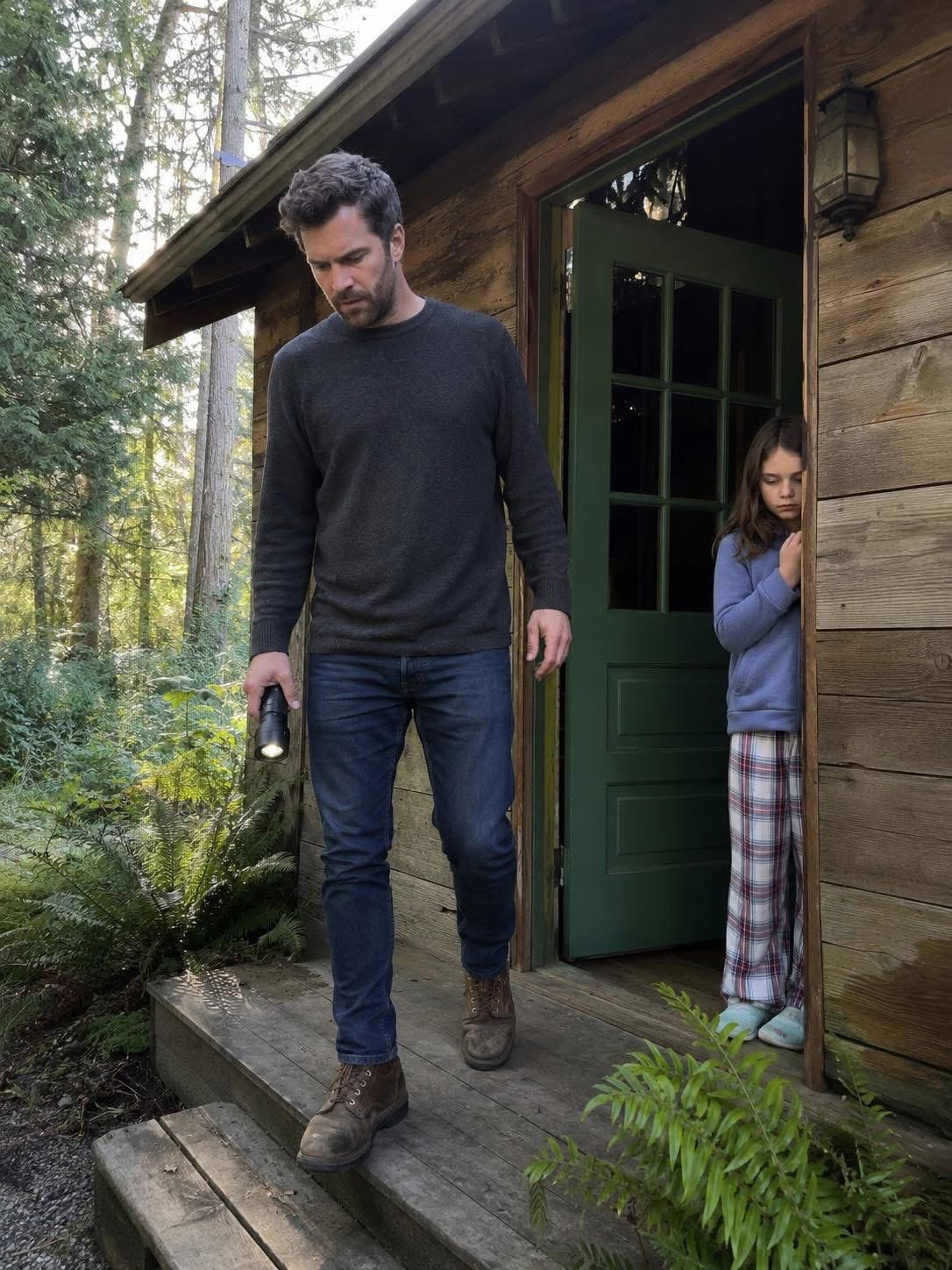
Posted on May 27, 2026 By admin No Comments on I received a midnight call from my 6-year-old niece. She whispered, “Uncle Noah, I’m scared and locked up.” I drove through the storm to my parents’ house — and when my father shouted, “She needed discipline!”, I just held my niece and said one sentence that horrified both of them. The rain was pounding frantically against the windows when the phone rang. A small, shaking voice whispered, “Uncle Noah… I’m scared… please come.” Then the line went dead. It was Lily, my six-year-old niece — the little girl my parents had taken in after my brother lost his wife. My pulse quickened. Something in her voice chilled me to the bone. I tried calling my parents. No answer. I grabbed my jacket. “It was Lily,” I told my wife. “Something’s wrong.” The drive felt endless. The house stood dark and silent beneath the storm. I knocked, then pounded. Nothing. And then I heard it — a soft, frightened whimper upstairs. I rushed inside. The air was cold, the hallway quiet. At the end of the corridor, behind a half-closed door, I saw her — small, trembling, clutching a blanket. When she saw me, she whispered, “You came.” I scooped her up and felt her heartbeat racing against mine. Moments later, my father’s voice thundered from the hallway: “She needed discipline!” I looked straight at him and said the one sentence that made both my parents go silent — and changed our family forever. 👇 Full story in the first comment.
I received a midnight call from my 6-year-old niece. She whispered, “Uncle Noah, I’m scared and locked up.” I drove through the storm to my parents’ house — and when my father shouted, “She needed discipline!”, I just held my niece and said one sentence that horrified both of them.  The rain was pounding frantically against the windows when the phone rang.  A small, shaking voice whispered, “Uncle Noah… I’m scared… please come.”  Then the line went dead.  It was Lily, my six-year-old niece — the little girl my parents had taken in after my brother lost his wife. My pulse quickened. Something in her voice chilled me to the bone.  I tried calling my parents. No answer. I grabbed my jacket.  “It was Lily,” I told my wife. “Something’s wrong.”  The drive felt endless. The house stood dark and silent beneath the storm. I knocked, then pounded. Nothing.  And then I heard it — a soft, frightened whimper upstairs.  I rushed inside. The air was cold, the hallway quiet. At the end of the corridor, behind a half-closed door, I saw her — small, trembling, clutching a blanket.  When she saw me, she whispered, “You came.”  I scooped her up and felt her heartbeat racing against mine.  Moments later, my father’s voice thundered from the hallway:  “She needed discipline!”  I looked straight at him and said the one sentence that made both my parents go silent — and changed our family forever.  👇 Full story in the first comment.

The rain was a frantic, percussive drumming against the windows of our quiet Nashville home, a relentless assault that matched the restlessness in my own soul. It was nearly midnight on a Thursday in October—that liminal time when the world should be asleep, when normal people are deep in dreams, when phone calls mean emergencies…
Read More “I received a midnight call from my 6-year-old niece. She whispered, “Uncle Noah, I’m scared and locked up.” I drove through the storm to my parents’ house — and when my father shouted, “She needed discipline!”, I just held my niece and said one sentence that horrified both of them. The rain was pounding frantically against the windows when the phone rang. A small, shaking voice whispered, “Uncle Noah… I’m scared… please come.” Then the line went dead. It was Lily, my six-year-old niece — the little girl my parents had taken in after my brother lost his wife. My pulse quickened. Something in her voice chilled me to the bone. I tried calling my parents. No answer. I grabbed my jacket. “It was Lily,” I told my wife. “Something’s wrong.” The drive felt endless. The house stood dark and silent beneath the storm. I knocked, then pounded. Nothing. And then I heard it — a soft, frightened whimper upstairs. I rushed inside. The air was cold, the hallway quiet. At the end of the corridor, behind a half-closed door, I saw her — small, trembling, clutching a blanket. When she saw me, she whispered, “You came.” I scooped her up and felt her heartbeat racing against mine. Moments later, my father’s voice thundered from the hallway: “She needed discipline!” I looked straight at him and said the one sentence that made both my parents go silent — and changed our family forever. 👇 Full story in the first comment.” »

Uncategorized

My stepmother sold my house to “teach me a lesson” and proudly told me the new owners would be moving in the following week. But while she was still enjoying what she believed was her victory, I was already thinking about the private meeting I’d had with my late father’s lawyer—the secret trust he had created, and the evidence hidden inside the fireplace that would turn her small triumph into the worst mistake of her life. Tuesday mornings in our neighborhood were usually peaceful. The mail truck would roll quietly along the curb. Sunlight would spill through the stained-glass window on the staircase landing. My coffee was still warm in my hands when my stepmother, Eleanor, called and calmly told me she had sold the home I had grown up in. She sounded pleased with herself. Certain. Like she honestly believed she had finally taken control of everything. But what made me smile was not what she said. It was what she didn’t know. Just a few days after my father’s funeral, I had sat across from his attorney, Benjamin Vance, in a downtown office tower. That afternoon, I learned my father had prepared for this exact moment long before Eleanor ever chose to make her move. “Hello, Eleanor,” I said, keeping my voice steady. “I sold the house,” she announced, skipping any greeting. “The documents are signed. The new owners move in next week.” I turned toward the kitchen window and looked out at the back garden. The climbing roses my father had planted were beginning to bloom, and beyond them, the old cedar fence glowed softly in the morning light. “The house?” I asked. “You know exactly which house,” she snapped. “Maybe now you’ll finally understand where you belong.” She wanted the words to hurt. Instead, they moved through the room like a breeze through an open doorway. I set my mug on the oak island and leaned against the counter. A few months earlier, Eleanor had tried to strip away the house’s original charm and replace it with gray laminate, polished chrome fixtures, and cold modern surfaces. To her, the house was a payday. To my father, it had been a fortress. “That’s quite a decision,” I said lightly. “I hope everyone checked the deed carefully.” A short silence followed. “What is that supposed to mean?” “Nothing,” I replied. “Just wishing you luck.” She gave a sharp little laugh, the kind meant to make me feel smaller. “You have until Friday. The buyers are excited to begin demolition.” Demolition. That single word told me she still didn’t understand the house. And she had never understood the man who built it. “Thanks for the warning,” I said. Then I hung up before she could enjoy the moment any longer. For a while, the kitchen was completely still. Only the soft hum of the refrigerator filled the space. Then I picked up my phone again and called Benjamin. He answered on the second ring. “Harper,” he said, calm and steady. “I wondered when her patience would finally run out.” “She did it,” I told him. “She actually signed the papers.” There was a brief pause. Then I heard the faintest trace of satisfaction in his voice. “Then we begin.” “I don’t want the buyers dragged into her mess,” I said. “Please make sure their lawyer knows before they lose money.” “Already being handled.” That answer steadied me. My father had always trusted people who worked quietly, carefully, and thoroughly. Benjamin was exactly that kind of man. After the call, I walked slowly through the house. The hallway still carried the faint scent of cedar and old books. Morning light stretched across my father’s study in long, gentle lines. Every corner held a memory. Every repair had a story. Eleanor had entered our lives five years earlier with polished manners and perfect timing. At first, she was all softness—sweet smiles, gentle concern, carefully chosen compliments. But after she married my father, the mask began to crack. She pushed him away from old friends. She complained about his health. She questioned his decisions. Little by little, she reached for control over everything he owned. My father never fought her loudly. He only smiled. Back then, I thought he was exhausted. Sick. Maybe even defeated. Now I understood. He had known exactly what she was doing behind closed doors. And while Eleanor believed she was weakening him, he had been quietly building the trap that would expose her. Just after noon, a text from Eleanor appeared on my phone. Be ready to hand over the keys. I stared at it for a second, then placed the phone facedown on my father’s mahogany desk. My eyes moved toward the brick fireplace, where his final letter and the hidden USB drive were waiting—the proof that Eleanor’s crimes went far beyond a fraudulent house sale. By midafternoon, Benjamin called again. “The buyers’ attorney has been notified,” he said. “They are withdrawing. The trust is airtight.” “And Eleanor?” “She’ll know soon.” I thanked him, took my coffee, and stepped into the garden. If Eleanor wanted a confrontation, I preferred to meet her among my father’s roses.(I know you’re curious about the next part, so please be patient and read on in the comments below. Thank you for your understanding of the inconvenience. please leave a ‘YES’ comment below and give us a “Like ” to get full story ) 👇

Posted on May 27, 2026 By admin No Comments on My stepmother sold my house to “teach me a lesson” and proudly told me the new owners would be moving in the following week. But while she was still enjoying what she believed was her victory, I was already thinking about the private meeting I’d had with my late father’s lawyer—the secret trust he had created, and the evidence hidden inside the fireplace that would turn her small triumph into the worst mistake of her life. Tuesday mornings in our neighborhood were usually peaceful. The mail truck would roll quietly along the curb. Sunlight would spill through the stained-glass window on the staircase landing. My coffee was still warm in my hands when my stepmother, Eleanor, called and calmly told me she had sold the home I had grown up in. She sounded pleased with herself. Certain. Like she honestly believed she had finally taken control of everything. But what made me smile was not what she said. It was what she didn’t know. Just a few days after my father’s funeral, I had sat across from his attorney, Benjamin Vance, in a downtown office tower. That afternoon, I learned my father had prepared for this exact moment long before Eleanor ever chose to make her move. “Hello, Eleanor,” I said, keeping my voice steady. “I sold the house,” she announced, skipping any greeting. “The documents are signed. The new owners move in next week.” I turned toward the kitchen window and looked out at the back garden. The climbing roses my father had planted were beginning to bloom, and beyond them, the old cedar fence glowed softly in the morning light. “The house?” I asked. “You know exactly which house,” she snapped. “Maybe now you’ll finally understand where you belong.” She wanted the words to hurt. Instead, they moved through the room like a breeze through an open doorway. I set my mug on the oak island and leaned against the counter. A few months earlier, Eleanor had tried to strip away the house’s original charm and replace it with gray laminate, polished chrome fixtures, and cold modern surfaces. To her, the house was a payday. To my father, it had been a fortress. “That’s quite a decision,” I said lightly. “I hope everyone checked the deed carefully.” A short silence followed. “What is that supposed to mean?” “Nothing,” I replied. “Just wishing you luck.” She gave a sharp little laugh, the kind meant to make me feel smaller. “You have until Friday. The buyers are excited to begin demolition.” Demolition. That single word told me she still didn’t understand the house. And she had never understood the man who built it. “Thanks for the warning,” I said. Then I hung up before she could enjoy the moment any longer. For a while, the kitchen was completely still. Only the soft hum of the refrigerator filled the space. Then I picked up my phone again and called Benjamin. He answered on the second ring. “Harper,” he said, calm and steady. “I wondered when her patience would finally run out.” “She did it,” I told him. “She actually signed the papers.” There was a brief pause. Then I heard the faintest trace of satisfaction in his voice. “Then we begin.” “I don’t want the buyers dragged into her mess,” I said. “Please make sure their lawyer knows before they lose money.” “Already being handled.” That answer steadied me. My father had always trusted people who worked quietly, carefully, and thoroughly. Benjamin was exactly that kind of man. After the call, I walked slowly through the house. The hallway still carried the faint scent of cedar and old books. Morning light stretched across my father’s study in long, gentle lines. Every corner held a memory. Every repair had a story. Eleanor had entered our lives five years earlier with polished manners and perfect timing. At first, she was all softness—sweet smiles, gentle concern, carefully chosen compliments. But after she married my father, the mask began to crack. She pushed him away from old friends. She complained about his health. She questioned his decisions. Little by little, she reached for control over everything he owned. My father never fought her loudly. He only smiled. Back then, I thought he was exhausted. Sick. Maybe even defeated. Now I understood. He had known exactly what she was doing behind closed doors. And while Eleanor believed she was weakening him, he had been quietly building the trap that would expose her. Just after noon, a text from Eleanor appeared on my phone. Be ready to hand over the keys. I stared at it for a second, then placed the phone facedown on my father’s mahogany desk. My eyes moved toward the brick fireplace, where his final letter and the hidden USB drive were waiting—the proof that Eleanor’s crimes went far beyond a fraudulent house sale. By midafternoon, Benjamin called again. “The buyers’ attorney has been notified,” he said. “They are withdrawing. The trust is airtight.” “And Eleanor?” “She’ll know soon.” I thanked him, took my coffee, and stepped into the garden. If Eleanor wanted a confrontation, I preferred to meet her among my father’s roses.(I know you’re curious about the next part, so please be patient and read on in the comments below. Thank you for your understanding of the inconvenience. please leave a ‘YES’ comment below and give us a “Like ” to get full story ) 👇
My stepmother sold my house to “teach me a lesson” and proudly told me the new owners would be moving in the following week. But while she was still enjoying what she believed was her victory, I was already thinking about the private meeting I’d had with my late father’s lawyer—the secret trust he had created, and the evidence hidden inside the fireplace that would turn her small triumph into the worst mistake of her life.  Tuesday mornings in our neighborhood were usually peaceful. The mail truck would roll quietly along the curb. Sunlight would spill through the stained-glass window on the staircase landing. My coffee was still warm in my hands when my stepmother, Eleanor, called and calmly told me she had sold the home I had grown up in.  She sounded pleased with herself. Certain. Like she honestly believed she had finally taken control of everything.  But what made me smile was not what she said.  It was what she didn’t know.  Just a few days after my father’s funeral, I had sat across from his attorney, Benjamin Vance, in a downtown office tower. That afternoon, I learned my father had prepared for this exact moment long before Eleanor ever chose to make her move.  “Hello, Eleanor,” I said, keeping my voice steady.  “I sold the house,” she announced, skipping any greeting. “The documents are signed. The new owners move in next week.”  I turned toward the kitchen window and looked out at the back garden. The climbing roses my father had planted were beginning to bloom, and beyond them, the old cedar fence glowed softly in the morning light.  “The house?” I asked.  “You know exactly which house,” she snapped. “Maybe now you’ll finally understand where you belong.”  She wanted the words to hurt.  Instead, they moved through the room like a breeze through an open doorway.  I set my mug on the oak island and leaned against the counter. A few months earlier, Eleanor had tried to strip away the house’s original charm and replace it with gray laminate, polished chrome fixtures, and cold modern surfaces.  To her, the house was a payday.  To my father, it had been a fortress.  “That’s quite a decision,” I said lightly. “I hope everyone checked the deed carefully.”  A short silence followed.  “What is that supposed to mean?”  “Nothing,” I replied. “Just wishing you luck.”  She gave a sharp little laugh, the kind meant to make me feel smaller.  “You have until Friday. The buyers are excited to begin demolition.”  Demolition.  That single word told me she still didn’t understand the house.  And she had never understood the man who built it.  “Thanks for the warning,” I said.  Then I hung up before she could enjoy the moment any longer.  For a while, the kitchen was completely still. Only the soft hum of the refrigerator filled the space. Then I picked up my phone again and called Benjamin.  He answered on the second ring.  “Harper,” he said, calm and steady. “I wondered when her patience would finally run out.”  “She did it,” I told him. “She actually signed the papers.”  There was a brief pause. Then I heard the faintest trace of satisfaction in his voice.  “Then we begin.”  “I don’t want the buyers dragged into her mess,” I said. “Please make sure their lawyer knows before they lose money.”  “Already being handled.”  That answer steadied me.  My father had always trusted people who worked quietly, carefully, and thoroughly. Benjamin was exactly that kind of man.  After the call, I walked slowly through the house.  The hallway still carried the faint scent of cedar and old books. Morning light stretched across my father’s study in long, gentle lines. Every corner held a memory. Every repair had a story.  Eleanor had entered our lives five years earlier with polished manners and perfect timing. At first, she was all softness—sweet smiles, gentle concern, carefully chosen compliments.  But after she married my father, the mask began to crack.  She pushed him away from old friends. She complained about his health. She questioned his decisions. Little by little, she reached for control over everything he owned.  My father never fought her loudly.  He only smiled.  Back then, I thought he was exhausted. Sick. Maybe even defeated.  Now I understood.  He had known exactly what she was doing behind closed doors. And while Eleanor believed she was weakening him, he had been quietly building the trap that would expose her.  Just after noon, a text from Eleanor appeared on my phone.  Be ready to hand over the keys.  I stared at it for a second, then placed the phone facedown on my father’s mahogany desk.  My eyes moved toward the brick fireplace, where his final letter and the hidden USB drive were waiting—the proof that Eleanor’s crimes went far beyond a fraudulent house sale.  By midafternoon, Benjamin called again.  “The buyers’ attorney has been notified,” he said. “They are withdrawing. The trust is airtight.”  “And Eleanor?”  “She’ll know soon.”  I thanked him, took my coffee, and stepped into the garden.  If Eleanor wanted a confrontation, I preferred to meet her among my father’s roses.(I know you’re curious about the next part, so please be patient and read on in the comments below. Thank you for your understanding of the inconvenience. please leave a ‘YES’ comment below and give us a “Like ” to get full story ) 👇

The phone call came on a quiet Tuesday morning, cutting through the fragile peace I had spent three months trying to rebuild. I was sitting at the wide oak island in my father’s kitchen, holding a cup of black coffee while morning sunlight stretched across the old hardwood floors in soft golden lines. When Eleanor’s…

Read More “My stepmother sold my house to “teach me a lesson” and proudly told me the new owners would be moving in the following week. But while she was still enjoying what she believed was her victory, I was already thinking about the private meeting I’d had with my late father’s lawyer—the secret trust he had created, and the evidence hidden inside the fireplace that would turn her small triumph into the worst mistake of her life. Tuesday mornings in our neighborhood were usually peaceful. The mail truck would roll quietly along the curb. Sunlight would spill through the stained-glass window on the staircase landing. My coffee was still warm in my hands when my stepmother, Eleanor, called and calmly told me she had sold the home I had grown up in. She sounded pleased with herself. Certain. Like she honestly believed she had finally taken control of everything. But what made me smile was not what she said. It was what she didn’t know. Just a few days after my father’s funeral, I had sat across from his attorney, Benjamin Vance, in a downtown office tower. That afternoon, I learned my father had prepared for this exact moment long before Eleanor ever chose to make her move. “Hello, Eleanor,” I said, keeping my voice steady. “I sold the house,” she announced, skipping any greeting. “The documents are signed. The new owners move in next week.” I turned toward the kitchen window and looked out at the back garden. The climbing roses my father had planted were beginning to bloom, and beyond them, the old cedar fence glowed softly in the morning light. “The house?” I asked. “You know exactly which house,” she snapped. “Maybe now you’ll finally understand where you belong.” She wanted the words to hurt. Instead, they moved through the room like a breeze through an open doorway. I set my mug on the oak island and leaned against the counter. A few months earlier, Eleanor had tried to strip away the house’s original charm and replace it with gray laminate, polished chrome fixtures, and cold modern surfaces. To her, the house was a payday. To my father, it had been a fortress. “That’s quite a decision,” I said lightly. “I hope everyone checked the deed carefully.” A short silence followed. “What is that supposed to mean?” “Nothing,” I replied. “Just wishing you luck.” She gave a sharp little laugh, the kind meant to make me feel smaller. “You have until Friday. The buyers are excited to begin demolition.” Demolition. That single word told me she still didn’t understand the house. And she had never understood the man who built it. “Thanks for the warning,” I said. Then I hung up before she could enjoy the moment any longer. For a while, the kitchen was completely still. Only the soft hum of the refrigerator filled the space. Then I picked up my phone again and called Benjamin. He answered on the second ring. “Harper,” he said, calm and steady. “I wondered when her patience would finally run out.” “She did it,” I told him. “She actually signed the papers.” There was a brief pause. Then I heard the faintest trace of satisfaction in his voice. “Then we begin.” “I don’t want the buyers dragged into her mess,” I said. “Please make sure their lawyer knows before they lose money.” “Already being handled.” That answer steadied me. My father had always trusted people who worked quietly, carefully, and thoroughly. Benjamin was exactly that kind of man. After the call, I walked slowly through the house. The hallway still carried the faint scent of cedar and old books. Morning light stretched across my father’s study in long, gentle lines. Every corner held a memory. Every repair had a story. Eleanor had entered our lives five years earlier with polished manners and perfect timing. At first, she was all softness—sweet smiles, gentle concern, carefully chosen compliments. But after she married my father, the mask began to crack. She pushed him away from old friends. She complained about his health. She questioned his decisions. Little by little, she reached for control over everything he owned. My father never fought her loudly. He only smiled. Back then, I thought he was exhausted. Sick. Maybe even defeated. Now I understood. He had known exactly what she was doing behind closed doors. And while Eleanor believed she was weakening him, he had been quietly building the trap that would expose her. Just after noon, a text from Eleanor appeared on my phone. Be ready to hand over the keys. I stared at it for a second, then placed the phone facedown on my father’s mahogany desk. My eyes moved toward the brick fireplace, where his final letter and the hidden USB drive were waiting—the proof that Eleanor’s crimes went far beyond a fraudulent house sale. By midafternoon, Benjamin called again. “The buyers’ attorney has been notified,” he said. “They are withdrawing. The trust is airtight.” “And Eleanor?” “She’ll know soon.” I thanked him, took my coffee, and stepped into the garden. If Eleanor wanted a confrontation, I preferred to meet her among my father’s roses.(I know you’re curious about the next part, so please be patient and read on in the comments below. Thank you for your understanding of the inconvenience. please leave a ‘YES’ comment below and give us a “Like ” to get full story ) 👇” »

Uncategorized

My mother-in-law secretly swabbed my newborn’s cheek in the hospital nursery while I was still in recovery. Three weeks later, she showed up to Sunday dinner with an envelope and a smile she couldn’t hide. My husband opened it, read it once… then slowly turned to her. The results said nothing about me. Instead, they revealed a secret she had hidden for 30 years—and what he said next left her with no explanation in front of anyone at that table. I was still wearing my hospital wristband when Marlene walked into our dining room holding a white envelope between two perfectly manicured fingers. The plastic band scratched my wrist every time I adjusted Noah against my chest. The room smelled like roast beef, rosemary, and warm potatoes—but underneath it all was something sharper. Tension. The envelope looked too clean for what it carried. Daniel stood at the head of the table, carving knife still in his hand. The roast sat cooling in front of him while Marlene smiled at our three-week-old son like she had brought dessert instead of a weapon. Robert sat beside her, gripping his water glass. Claire had already gone still—the way people do when they sense something is wrong before anyone says it out loud. Marlene placed the envelope next to Daniel’s plate. “I think everyone deserves the truth,” she said. No one answered. The knife hovered. The room held its breath. Three weeks earlier, I had been lying in recovery after an emergency C-section—exhausted, numb, trying not to cry—when Marlene slipped into the hospital nursery. At 2:14 p.m., she signed in as “grandmother.” At 2:19, a nurse saw her standing near Noah’s bassinet—with a private cheek-swab kit hidden in her purse. A swab. From my newborn. When I confronted her, she didn’t deny it. “A mother knows when something is wrong,” she said. Something wrong… meant me. That was always how she worked. Not openly cruel—just careful enough to sound reasonable. When we married, she smiled in photos but criticized everything behind the scenes. When I lost a pregnancy, she brought soup—and questions. When I finally carried Noah to term, she counted every week like she was auditing my body. Suspicion, dressed as concern. And now she had brought proof. “Open it, Daniel,” she said. My stomach dropped. I looked down at Noah’s tiny fingers curled against my sweater and hated that his first family dinner had turned into evidence. “Marlene,” I said quietly, “what did you do?” She didn’t look at me. “What any grandmother would do if she suspected her son was being lied to.” Daniel’s knife hit the plate. Robert whispered, “Marlene… don’t.” But she kept going. “You deserve certainty,” she said. “I paid for proper testing. Sealed results. No more questions.” No more questions. I stayed seated, even though everything in me wanted to stand up and throw that envelope back at her. Daniel stared at it for a long moment. Then he picked it up. His hands trembled slightly as he opened it. Marlene’s smile grew. He read the first page. Then read it again. I waited for it—the doubt, the crack, the moment everything would break. But Daniel didn’t look at me. He looked past me. Straight at his mother. “Mom,” he said slowly, “why does this say I’m not related to Dad?” Marlene’s expression didn’t shatter all at once. It collapsed in pieces. First her smile. Then her eyes. Then the certainty she had walked in with. Robert pushed his chair back. Claire whispered, “Oh my God…” Daniel kept reading, slower now. The report said nothing about me. Nothing about Noah. Nothing about the accusation she had built this entire moment around. The truth was older. Older than our marriage. Older than Noah. Older than Daniel himself. Daniel turned the page toward the table. His finger stopped under one bold line. Marlene’s lips parted like she already knew what it said. And the entire room shifted— Because he was about to read it out loud. 👇 Part 2 below…

Posted on May 27, 2026 By admin No Comments on My mother-in-law secretly swabbed my newborn’s cheek in the hospital nursery while I was still in recovery. Three weeks later, she showed up to Sunday dinner with an envelope and a smile she couldn’t hide. My husband opened it, read it once… then slowly turned to her. The results said nothing about me. Instead, they revealed a secret she had hidden for 30 years—and what he said next left her with no explanation in front of anyone at that table. I was still wearing my hospital wristband when Marlene walked into our dining room holding a white envelope between two perfectly manicured fingers. The plastic band scratched my wrist every time I adjusted Noah against my chest. The room smelled like roast beef, rosemary, and warm potatoes—but underneath it all was something sharper. Tension. The envelope looked too clean for what it carried. Daniel stood at the head of the table, carving knife still in his hand. The roast sat cooling in front of him while Marlene smiled at our three-week-old son like she had brought dessert instead of a weapon. Robert sat beside her, gripping his water glass. Claire had already gone still—the way people do when they sense something is wrong before anyone says it out loud. Marlene placed the envelope next to Daniel’s plate. “I think everyone deserves the truth,” she said. No one answered. The knife hovered. The room held its breath. Three weeks earlier, I had been lying in recovery after an emergency C-section—exhausted, numb, trying not to cry—when Marlene slipped into the hospital nursery. At 2:14 p.m., she signed in as “grandmother.” At 2:19, a nurse saw her standing near Noah’s bassinet—with a private cheek-swab kit hidden in her purse. A swab. From my newborn. When I confronted her, she didn’t deny it. “A mother knows when something is wrong,” she said. Something wrong… meant me. That was always how she worked. Not openly cruel—just careful enough to sound reasonable. When we married, she smiled in photos but criticized everything behind the scenes. When I lost a pregnancy, she brought soup—and questions. When I finally carried Noah to term, she counted every week like she was auditing my body. Suspicion, dressed as concern. And now she had brought proof. “Open it, Daniel,” she said. My stomach dropped. I looked down at Noah’s tiny fingers curled against my sweater and hated that his first family dinner had turned into evidence. “Marlene,” I said quietly, “what did you do?” She didn’t look at me. “What any grandmother would do if she suspected her son was being lied to.” Daniel’s knife hit the plate. Robert whispered, “Marlene… don’t.” But she kept going. “You deserve certainty,” she said. “I paid for proper testing. Sealed results. No more questions.” No more questions. I stayed seated, even though everything in me wanted to stand up and throw that envelope back at her. Daniel stared at it for a long moment. Then he picked it up. His hands trembled slightly as he opened it. Marlene’s smile grew. He read the first page. Then read it again. I waited for it—the doubt, the crack, the moment everything would break. But Daniel didn’t look at me. He looked past me. Straight at his mother. “Mom,” he said slowly, “why does this say I’m not related to Dad?” Marlene’s expression didn’t shatter all at once. It collapsed in pieces. First her smile. Then her eyes. Then the certainty she had walked in with. Robert pushed his chair back. Claire whispered, “Oh my God…” Daniel kept reading, slower now. The report said nothing about me. Nothing about Noah. Nothing about the accusation she had built this entire moment around. The truth was older. Older than our marriage. Older than Noah. Older than Daniel himself. Daniel turned the page toward the table. His finger stopped under one bold line. Marlene’s lips parted like she already knew what it said. And the entire room shifted— Because he was about to read it out loud. 👇 Part 2 below…
My mother-in-law secretly swabbed my newborn’s cheek in the hospital nursery while I was still in recovery. Three weeks later, she showed up to Sunday dinner with an envelope and a smile she couldn’t hide. My husband opened it, read it once… then slowly turned to her. The results said nothing about me. Instead, they revealed a secret she had hidden for 30 years—and what he said next left her with no explanation in front of anyone at that table.  I was still wearing my hospital wristband when Marlene walked into our dining room holding a white envelope between two perfectly manicured fingers.  The plastic band scratched my wrist every time I adjusted Noah against my chest. The room smelled like roast beef, rosemary, and warm potatoes—but underneath it all was something sharper. Tension.  The envelope looked too clean for what it carried.  Daniel stood at the head of the table, carving knife still in his hand. The roast sat cooling in front of him while Marlene smiled at our three-week-old son like she had brought dessert instead of a weapon.  Robert sat beside her, gripping his water glass. Claire had already gone still—the way people do when they sense something is wrong before anyone says it out loud.  Marlene placed the envelope next to Daniel’s plate.  “I think everyone deserves the truth,” she said.  No one answered.  The knife hovered. The room held its breath.  Three weeks earlier, I had been lying in recovery after an emergency C-section—exhausted, numb, trying not to cry—when Marlene slipped into the hospital nursery.  At 2:14 p.m., she signed in as “grandmother.” At 2:19, a nurse saw her standing near Noah’s bassinet—with a private cheek-swab kit hidden in her purse.  A swab. From my newborn.  When I confronted her, she didn’t deny it.  “A mother knows when something is wrong,” she said.  Something wrong… meant me.  That was always how she worked. Not openly cruel—just careful enough to sound reasonable.  When we married, she smiled in photos but criticized everything behind the scenes. When I lost a pregnancy, she brought soup—and questions. When I finally carried Noah to term, she counted every week like she was auditing my body.  Suspicion, dressed as concern.  And now she had brought proof.  “Open it, Daniel,” she said.  My stomach dropped.  I looked down at Noah’s tiny fingers curled against my sweater and hated that his first family dinner had turned into evidence.  “Marlene,” I said quietly, “what did you do?”  She didn’t look at me.  “What any grandmother would do if she suspected her son was being lied to.”  Daniel’s knife hit the plate.  Robert whispered, “Marlene… don’t.”  But she kept going.  “You deserve certainty,” she said. “I paid for proper testing. Sealed results. No more questions.”  No more questions.  I stayed seated, even though everything in me wanted to stand up and throw that envelope back at her.  Daniel stared at it for a long moment.  Then he picked it up.  His hands trembled slightly as he opened it.  Marlene’s smile grew.  He read the first page.  Then read it again.  I waited for it—the doubt, the crack, the moment everything would break.  But Daniel didn’t look at me.  He looked past me.  Straight at his mother.  “Mom,” he said slowly, “why does this say I’m not related to Dad?”  Marlene’s expression didn’t shatter all at once.  It collapsed in pieces.  First her smile. Then her eyes. Then the certainty she had walked in with.  Robert pushed his chair back.  Claire whispered, “Oh my God…”  Daniel kept reading, slower now.  The report said nothing about me. Nothing about Noah. Nothing about the accusation she had built this entire moment around.  The truth was older.  Older than our marriage. Older than Noah. Older than Daniel himself.  Daniel turned the page toward the table.  His finger stopped under one bold line.  Marlene’s lips parted like she already knew what it said.  And the entire room shifted—  Because he was about to read it out loud.  👇 Part 2 below…

I was still wearing the hospital wristband when Marlene brought the envelope to Sunday dinner. Three weeks had passed since the emergency C-section, and the plastic band kept catching the tender skin on the inside of my wrist whenever I shifted Noah against my chest. I had not taken it off. I am not sure…

Read More “My mother-in-law secretly swabbed my newborn’s cheek in the hospital nursery while I was still in recovery. Three weeks later, she showed up to Sunday dinner with an envelope and a smile she couldn’t hide. My husband opened it, read it once… then slowly turned to her. The results said nothing about me. Instead, they revealed a secret she had hidden for 30 years—and what he said next left her with no explanation in front of anyone at that table. I was still wearing my hospital wristband when Marlene walked into our dining room holding a white envelope between two perfectly manicured fingers. The plastic band scratched my wrist every time I adjusted Noah against my chest. The room smelled like roast beef, rosemary, and warm potatoes—but underneath it all was something sharper. Tension. The envelope looked too clean for what it carried. Daniel stood at the head of the table, carving knife still in his hand. The roast sat cooling in front of him while Marlene smiled at our three-week-old son like she had brought dessert instead of a weapon. Robert sat beside her, gripping his water glass. Claire had already gone still—the way people do when they sense something is wrong before anyone says it out loud. Marlene placed the envelope next to Daniel’s plate. “I think everyone deserves the truth,” she said. No one answered. The knife hovered. The room held its breath. Three weeks earlier, I had been lying in recovery after an emergency C-section—exhausted, numb, trying not to cry—when Marlene slipped into the hospital nursery. At 2:14 p.m., she signed in as “grandmother.” At 2:19, a nurse saw her standing near Noah’s bassinet—with a private cheek-swab kit hidden in her purse. A swab. From my newborn. When I confronted her, she didn’t deny it. “A mother knows when something is wrong,” she said. Something wrong… meant me. That was always how she worked. Not openly cruel—just careful enough to sound reasonable. When we married, she smiled in photos but criticized everything behind the scenes. When I lost a pregnancy, she brought soup—and questions. When I finally carried Noah to term, she counted every week like she was auditing my body. Suspicion, dressed as concern. And now she had brought proof. “Open it, Daniel,” she said. My stomach dropped. I looked down at Noah’s tiny fingers curled against my sweater and hated that his first family dinner had turned into evidence. “Marlene,” I said quietly, “what did you do?” She didn’t look at me. “What any grandmother would do if she suspected her son was being lied to.” Daniel’s knife hit the plate. Robert whispered, “Marlene… don’t.” But she kept going. “You deserve certainty,” she said. “I paid for proper testing. Sealed results. No more questions.” No more questions. I stayed seated, even though everything in me wanted to stand up and throw that envelope back at her. Daniel stared at it for a long moment. Then he picked it up. His hands trembled slightly as he opened it. Marlene’s smile grew. He read the first page. Then read it again. I waited for it—the doubt, the crack, the moment everything would break. But Daniel didn’t look at me. He looked past me. Straight at his mother. “Mom,” he said slowly, “why does this say I’m not related to Dad?” Marlene’s expression didn’t shatter all at once. It collapsed in pieces. First her smile. Then her eyes. Then the certainty she had walked in with. Robert pushed his chair back. Claire whispered, “Oh my God…” Daniel kept reading, slower now. The report said nothing about me. Nothing about Noah. Nothing about the accusation she had built this entire moment around. The truth was older. Older than our marriage. Older than Noah. Older than Daniel himself. Daniel turned the page toward the table. His finger stopped under one bold line. Marlene’s lips parted like she already knew what it said. And the entire room shifted— Because he was about to read it out loud. 👇 Part 2 below…” »

Uncategorized

When I remarried at 55, I didn’t tell my new wife or her two sons that the apartment complex we lived in was actually mine. I told them I was just the building manager. And I did the right thing, because the morning after the wedding, she threw my bags into the hallway and… My name is Carl Morrison. I’m 55, and five years after my first wife passed, I finally let myself believe I could start over. The wedding was small—just Mallerie, her two sons, Jake and Derek, and a few neighbors in the community room of Morrison Garden Complex in Brooklyn. Everyone in that room thought I was the guy who fixed leaky sinks and replaced hallway lights. The manager. The dependable widower in unit 1A. Nobody knew I owned the whole place, and I liked it that way. It kept people honest. Or so I thought. The next morning, I woke up to the smell of coffee and the soft shuffle of footsteps. For one perfect second, I felt safe. Then I walked into the kitchen and saw Mallerie with her hair pulled into a tight ponytail, dressed like she was heading into court instead of starting a honeymoon. Jake and Derek were at the table, silent. No phones. No jokes. Just two pairs of eyes that wouldn’t quite meet mine. “Good morning, wife,” I said, trying to lighten it. “You’re up early.” Mallerie didn’t smile. She didn’t even reach for my hand. “Sit down, Carl.” Something in my stomach tightened. “Is everything okay?” “Sit. Down.” I sat. She set a chipped mug in front of me—one I’d never seen before—and it felt like a message. Then she looked at Jake like she was giving him a signal in a play they’d rehearsed. “Go get his things.” I actually laughed, because the alternative was worse. “My things? What are you talking about?” Jake stood and walked toward the bedroom. I pushed back my chair, but Derek slid into my path, not aggressive—just firm, like a bouncer who didn’t want trouble. “Derek,” I whispered. “What’s going on?” Mallerie folded her arms. “You’re leaving.” My brain stalled. “Leaving where?” “This apartment is too small for all of us,” she said, calm as if she were reading a grocery list. “And since you’re just the building manager, you can find somewhere else to live. A smaller unit. Something that fits your… position.” The word manager hit like a slap. “Mallerie, this is my home.” She finally looked me in the eyes, and there was nothing warm in them. “Not anymore.” Jake came back dragging a suitcase—my suitcase—stuffed with random clothes like he’d packed in a hurry on purpose. He dropped it near the front door. The sound echoed down the hallway. Mallerie opened the door and nodded toward the corridor like she was doing me a favor. “Go. And don’t make a scene. If you don’t leave, I’ll call the owner and tell them you’re harassing tenants.” I stepped into the hallway holding my own life in my hands, and Mrs. Patterson was there checking her mail, staring like she’d just watched someone get erased. Behind me, my door clicked shut like a verdict. Down in the little emergency studio I kept for building issues, my hands wouldn’t stop shaking. I opened my laptop and did the thing I should’ve done years ago: I looked past the story she told me and into the story she’d been hiding. And when Derek knocked on my door that night, pale and guilty, and said, “Carl… Mom’s been planning this,” I finally understood why she needed me out. I reached into my drawer and wrapped my fingers around the folder I’d never shown anyone—the proof of who really owned every brick above my head. Monday morning, I stood outside her door with a thick envelope in my hand and laughter leaking through the walls like they’d already won. I knocked anyway. And when Mallerie opened the door, I smiled and said, “You’re going to want to sit down for what comes next.” The caption is just the beginning — the full story and the link are in the first comment.

Posted on May 27, 2026 By admin No Comments on When I remarried at 55, I didn’t tell my new wife or her two sons that the apartment complex we lived in was actually mine. I told them I was just the building manager. And I did the right thing, because the morning after the wedding, she threw my bags into the hallway and… My name is Carl Morrison. I’m 55, and five years after my first wife passed, I finally let myself believe I could start over. The wedding was small—just Mallerie, her two sons, Jake and Derek, and a few neighbors in the community room of Morrison Garden Complex in Brooklyn. Everyone in that room thought I was the guy who fixed leaky sinks and replaced hallway lights. The manager. The dependable widower in unit 1A. Nobody knew I owned the whole place, and I liked it that way. It kept people honest. Or so I thought. The next morning, I woke up to the smell of coffee and the soft shuffle of footsteps. For one perfect second, I felt safe. Then I walked into the kitchen and saw Mallerie with her hair pulled into a tight ponytail, dressed like she was heading into court instead of starting a honeymoon. Jake and Derek were at the table, silent. No phones. No jokes. Just two pairs of eyes that wouldn’t quite meet mine. “Good morning, wife,” I said, trying to lighten it. “You’re up early.” Mallerie didn’t smile. She didn’t even reach for my hand. “Sit down, Carl.” Something in my stomach tightened. “Is everything okay?” “Sit. Down.” I sat. She set a chipped mug in front of me—one I’d never seen before—and it felt like a message. Then she looked at Jake like she was giving him a signal in a play they’d rehearsed. “Go get his things.” I actually laughed, because the alternative was worse. “My things? What are you talking about?” Jake stood and walked toward the bedroom. I pushed back my chair, but Derek slid into my path, not aggressive—just firm, like a bouncer who didn’t want trouble. “Derek,” I whispered. “What’s going on?” Mallerie folded her arms. “You’re leaving.” My brain stalled. “Leaving where?” “This apartment is too small for all of us,” she said, calm as if she were reading a grocery list. “And since you’re just the building manager, you can find somewhere else to live. A smaller unit. Something that fits your… position.” The word manager hit like a slap. “Mallerie, this is my home.” She finally looked me in the eyes, and there was nothing warm in them. “Not anymore.” Jake came back dragging a suitcase—my suitcase—stuffed with random clothes like he’d packed in a hurry on purpose. He dropped it near the front door. The sound echoed down the hallway. Mallerie opened the door and nodded toward the corridor like she was doing me a favor. “Go. And don’t make a scene. If you don’t leave, I’ll call the owner and tell them you’re harassing tenants.” I stepped into the hallway holding my own life in my hands, and Mrs. Patterson was there checking her mail, staring like she’d just watched someone get erased. Behind me, my door clicked shut like a verdict. Down in the little emergency studio I kept for building issues, my hands wouldn’t stop shaking. I opened my laptop and did the thing I should’ve done years ago: I looked past the story she told me and into the story she’d been hiding. And when Derek knocked on my door that night, pale and guilty, and said, “Carl… Mom’s been planning this,” I finally understood why she needed me out. I reached into my drawer and wrapped my fingers around the folder I’d never shown anyone—the proof of who really owned every brick above my head. Monday morning, I stood outside her door with a thick envelope in my hand and laughter leaking through the walls like they’d already won. I knocked anyway. And when Mallerie opened the door, I smiled and said, “You’re going to want to sit down for what comes next.” The caption is just the beginning — the full story and the link are in the first comment.
When I remarried at 55, I didn’t tell my new wife or her two sons that the apartment complex we lived in was actually mine. I told them I was just the building manager. And I did the right thing, because the morning after the wedding, she threw my bags into the hallway and…  My name is Carl Morrison. I’m 55, and five years after my first wife passed, I finally let myself believe I could start over. The wedding was small—just Mallerie, her two sons, Jake and Derek, and a few neighbors in the community room of Morrison Garden Complex in Brooklyn.  Everyone in that room thought I was the guy who fixed leaky sinks and replaced hallway lights. The manager. The dependable widower in unit 1A. Nobody knew I owned the whole place, and I liked it that way. It kept people honest. Or so I thought.  The next morning, I woke up to the smell of coffee and the soft shuffle of footsteps. For one perfect second, I felt safe. Then I walked into the kitchen and saw Mallerie with her hair pulled into a tight ponytail, dressed like she was heading into court instead of starting a honeymoon.  Jake and Derek were at the table, silent. No phones. No jokes. Just two pairs of eyes that wouldn’t quite meet mine.  “Good morning, wife,” I said, trying to lighten it. “You’re up early.”  Mallerie didn’t smile. She didn’t even reach for my hand. “Sit down, Carl.”  Something in my stomach tightened. “Is everything okay?”  “Sit. Down.”  I sat. She set a chipped mug in front of me—one I’d never seen before—and it felt like a message. Then she looked at Jake like she was giving him a signal in a play they’d rehearsed.  “Go get his things.”  I actually laughed, because the alternative was worse. “My things? What are you talking about?”  Jake stood and walked toward the bedroom. I pushed back my chair, but Derek slid into my path, not aggressive—just firm, like a bouncer who didn’t want trouble.  “Derek,” I whispered. “What’s going on?”  Mallerie folded her arms. “You’re leaving.”  My brain stalled. “Leaving where?”  “This apartment is too small for all of us,” she said, calm as if she were reading a grocery list. “And since you’re just the building manager, you can find somewhere else to live. A smaller unit. Something that fits your… position.”  The word manager hit like a slap. “Mallerie, this is my home.”  She finally looked me in the eyes, and there was nothing warm in them. “Not anymore.”  Jake came back dragging a suitcase—my suitcase—stuffed with random clothes like he’d packed in a hurry on purpose. He dropped it near the front door. The sound echoed down the hallway.  Mallerie opened the door and nodded toward the corridor like she was doing me a favor. “Go. And don’t make a scene. If you don’t leave, I’ll call the owner and tell them you’re harassing tenants.”  I stepped into the hallway holding my own life in my hands, and Mrs. Patterson was there checking her mail, staring like she’d just watched someone get erased. Behind me, my door clicked shut like a verdict.  Down in the little emergency studio I kept for building issues, my hands wouldn’t stop shaking. I opened my laptop and did the thing I should’ve done years ago: I looked past the story she told me and into the story she’d been hiding.  And when Derek knocked on my door that night, pale and guilty, and said, “Carl… Mom’s been planning this,” I finally understood why she needed me out.  I reached into my drawer and wrapped my fingers around the folder I’d never shown anyone—the proof of who really owned every brick above my head.  Monday morning, I stood outside her door with a thick envelope in my hand and laughter leaking through the walls like they’d already won.  I knocked anyway.  And when Mallerie opened the door, I smiled and said, “You’re going to want to sit down for what comes next.”  The caption is just the beginning — the full story and the link are in the first comment.

When I Remarried at 55, I Didn’t Tell My Wife I Owned the Building—Good Thing, Because She Threw Me Out the Morning After When I remarried at 55, I didn’t tell my new wife or her two sons that the apartment complex we lived in was actually mine. I told them I was just the…

Read More “When I remarried at 55, I didn’t tell my new wife or her two sons that the apartment complex we lived in was actually mine. I told them I was just the building manager. And I did the right thing, because the morning after the wedding, she threw my bags into the hallway and… My name is Carl Morrison. I’m 55, and five years after my first wife passed, I finally let myself believe I could start over. The wedding was small—just Mallerie, her two sons, Jake and Derek, and a few neighbors in the community room of Morrison Garden Complex in Brooklyn. Everyone in that room thought I was the guy who fixed leaky sinks and replaced hallway lights. The manager. The dependable widower in unit 1A. Nobody knew I owned the whole place, and I liked it that way. It kept people honest. Or so I thought. The next morning, I woke up to the smell of coffee and the soft shuffle of footsteps. For one perfect second, I felt safe. Then I walked into the kitchen and saw Mallerie with her hair pulled into a tight ponytail, dressed like she was heading into court instead of starting a honeymoon. Jake and Derek were at the table, silent. No phones. No jokes. Just two pairs of eyes that wouldn’t quite meet mine. “Good morning, wife,” I said, trying to lighten it. “You’re up early.” Mallerie didn’t smile. She didn’t even reach for my hand. “Sit down, Carl.” Something in my stomach tightened. “Is everything okay?” “Sit. Down.” I sat. She set a chipped mug in front of me—one I’d never seen before—and it felt like a message. Then she looked at Jake like she was giving him a signal in a play they’d rehearsed. “Go get his things.” I actually laughed, because the alternative was worse. “My things? What are you talking about?” Jake stood and walked toward the bedroom. I pushed back my chair, but Derek slid into my path, not aggressive—just firm, like a bouncer who didn’t want trouble. “Derek,” I whispered. “What’s going on?” Mallerie folded her arms. “You’re leaving.” My brain stalled. “Leaving where?” “This apartment is too small for all of us,” she said, calm as if she were reading a grocery list. “And since you’re just the building manager, you can find somewhere else to live. A smaller unit. Something that fits your… position.” The word manager hit like a slap. “Mallerie, this is my home.” She finally looked me in the eyes, and there was nothing warm in them. “Not anymore.” Jake came back dragging a suitcase—my suitcase—stuffed with random clothes like he’d packed in a hurry on purpose. He dropped it near the front door. The sound echoed down the hallway. Mallerie opened the door and nodded toward the corridor like she was doing me a favor. “Go. And don’t make a scene. If you don’t leave, I’ll call the owner and tell them you’re harassing tenants.” I stepped into the hallway holding my own life in my hands, and Mrs. Patterson was there checking her mail, staring like she’d just watched someone get erased. Behind me, my door clicked shut like a verdict. Down in the little emergency studio I kept for building issues, my hands wouldn’t stop shaking. I opened my laptop and did the thing I should’ve done years ago: I looked past the story she told me and into the story she’d been hiding. And when Derek knocked on my door that night, pale and guilty, and said, “Carl… Mom’s been planning this,” I finally understood why she needed me out. I reached into my drawer and wrapped my fingers around the folder I’d never shown anyone—the proof of who really owned every brick above my head. Monday morning, I stood outside her door with a thick envelope in my hand and laughter leaking through the walls like they’d already won. I knocked anyway. And when Mallerie opened the door, I smiled and said, “You’re going to want to sit down for what comes next.” The caption is just the beginning — the full story and the link are in the first comment.” »

Uncategorized

My son removed me from the family group chat because, as he said, “Mom, it was for working adults.” I said nothing. I went back to feeding the chickens, checking the fence line, and writing in the little farm notebook they all used to laugh about. One week later, twelve of them arrived with suitcases, meat, coolers, and weekend plans, certain I would leave the key under the flowerpot again. But this time, the gate was locked. My name is Ruth, and for most of my adult life, my family treated my farm like a place that opened whenever they needed it. Not a home. Not my work. Not the thing that kept me awake during storms, down on my knees in mud, repairing fences with cold hands while everyone else was busy with “real careers.” To them, it was the family farm. To me, it was the place my late husband and I had built one hard season at a time. There was a white porch swing out front, a gravel driveway that dipped near the mailbox, a red barn that needed repainting every few years, and a kitchen window that faced the pasture. In the mornings, I drank coffee from the same chipped mug and watched the sun rise over the back field. It was quiet. It was work. It was mine. But every summer, every long weekend, every holiday when hotel prices got too high or someone wanted “fresh air for the kids,” my phone would start buzzing. “Mom, can we come out this weekend?” “Mom, do you still have the big cooler?” “Mom, can you make potato salad?” “Mom, leave the key under the flowerpot in case we get there late.” And I did. For years, I did. I washed sheets before they came. I stocked the fridge. I made breakfast for people who slept until noon. I cleaned muddy boots from the hallway. I picked up soda cans by the firepit. I smiled when they called it “our little escape,” even though I was the only one who stayed behind to clean up after the escape ended. Then my son Daniel removed me from the family group chat. I found out by accident. My niece mentioned a plan for Labor Day weekend, then stopped mid-sentence when she realized I did not know. I looked at my phone. The chat was gone. So I called Daniel. “Did you remove me from the group?” There was a pause, not guilty enough to be regret. “Mom,” he said, with that careful voice people use when they want disrespect to sound reasonable, “it was for working adults. You don’t understand what we talk about.” I stood in my kitchen with my hand on the counter. Behind me, the old refrigerator hummed. Outside, the wind moved through the corn at the edge of the property. Working adults. I thought about the tractor payment I had made alone. The roof I had patched before a storm. The feed bills. The county forms. The years I kept that farm alive while raising the same son who now thought adulthood began in a group chat without me. “I see,” I said. Daniel sighed like I was being sensitive. “Don’t make it dramatic, Mom. It’s just easier this way.” I almost laughed. Easier. That had always been the word. It was easier when I hosted. Easier when I cooked. Easier when I kept quiet. Easier when I left the key under the flowerpot. Easier when nobody asked whether I was tired. So that week, I did something different. I did not call anyone. I did not argue. I took out the old black notebook from the kitchen drawer. They used to tease me about that notebook. “Mom and her little farm diary.” “What do you write in there, chicken gossip?” “Careful, she’s documenting the potato salad.” I let them laugh. Because yes, I wrote things down. I wrote down who borrowed tools and never returned them. Who promised to split the repair cost for the damaged gate and forgot. Who left trash by the creek. Who brought extra guests without asking. Who used my freezer, my propane, my linens, my pantry, my time. I wrote down dates. I wrote down names. I wrote down promises. Not because I planned to shame anyone. Because when you are the person everyone depends on, people start confusing your kindness with permission. The following Friday evening, I saw headlights turning into the long gravel drive. One truck. Then another. Then two SUVs. Twelve people climbed out with suitcases, grocery bags, coolers, folding chairs, and the confident noise of people who had not considered the possibility of hearing “no.” Daniel walked straight to the flowerpot beside the gate. He lifted it. Nothing. He looked again. Still nothing. Then he saw the chain around the gate. Locked. My daughter-in-law frowned. My brother looked toward the house. The kids started asking why they could not go inside. Someone laughed awkwardly and said, “Maybe she moved the key.” Daniel called me. I answered from the porch. He could see me standing there. “Mom,” he said, forcing a smile into his voice, “the gate’s locked.” “I know.” There was a pause. “We’re here.” “I can see that.” His smile faded. “Can you open it?” I looked at the twelve people waiting behind him, all of them holding pieces of a weekend they had planned without me in the place they expected me to provide. “No,” I said. My sister stepped closer to Daniel, whispering loudly enough for me to hear through the phone. “Is she serious?” Daniel’s voice tightened. “Mom, don’t do this in front of everybody.” That sentence almost made me soft. Almost. Then I remembered the group chat. The little pause before he said I did not understand working adults. The way he had not sounded cruel, only certain. Certain I would still be useful. I nodded toward the gate. “There’s a sign,” I said. Daniel turned. They all turned. Hanging from the fence was a clean white board with neat black letters. Welcome to Ruth’s Farm. Private property. No entry without invitation. No overnight stays without written agreement. No shared meals, equipment, rooms, or storage unless arranged in advance. For questions, see the notebook. Below the sign sat the old black notebook inside a clear plastic box. For the first time all evening, nobody laughed. Daniel stared at it. Then he said, softly, “Mom, what is this?” I looked at him from the porch, my hand resting on the rail my husband had built thirty years earlier. “It’s for working adults,” I said. His face changed. Behind him, someone opened the notebook. (I know you’re curious about the next part, so please be patient and read on in the comments below. Thank you for your understanding of the inconvenience. please leave a ‘YES’ comment below and give us a “Like ” to get full story ) 👇

Posted on May 27, 2026 By admin No Comments on My son removed me from the family group chat because, as he said, “Mom, it was for working adults.” I said nothing. I went back to feeding the chickens, checking the fence line, and writing in the little farm notebook they all used to laugh about. One week later, twelve of them arrived with suitcases, meat, coolers, and weekend plans, certain I would leave the key under the flowerpot again. But this time, the gate was locked. My name is Ruth, and for most of my adult life, my family treated my farm like a place that opened whenever they needed it. Not a home. Not my work. Not the thing that kept me awake during storms, down on my knees in mud, repairing fences with cold hands while everyone else was busy with “real careers.” To them, it was the family farm. To me, it was the place my late husband and I had built one hard season at a time. There was a white porch swing out front, a gravel driveway that dipped near the mailbox, a red barn that needed repainting every few years, and a kitchen window that faced the pasture. In the mornings, I drank coffee from the same chipped mug and watched the sun rise over the back field. It was quiet. It was work. It was mine. But every summer, every long weekend, every holiday when hotel prices got too high or someone wanted “fresh air for the kids,” my phone would start buzzing. “Mom, can we come out this weekend?” “Mom, do you still have the big cooler?” “Mom, can you make potato salad?” “Mom, leave the key under the flowerpot in case we get there late.” And I did. For years, I did. I washed sheets before they came. I stocked the fridge. I made breakfast for people who slept until noon. I cleaned muddy boots from the hallway. I picked up soda cans by the firepit. I smiled when they called it “our little escape,” even though I was the only one who stayed behind to clean up after the escape ended. Then my son Daniel removed me from the family group chat. I found out by accident. My niece mentioned a plan for Labor Day weekend, then stopped mid-sentence when she realized I did not know. I looked at my phone. The chat was gone. So I called Daniel. “Did you remove me from the group?” There was a pause, not guilty enough to be regret. “Mom,” he said, with that careful voice people use when they want disrespect to sound reasonable, “it was for working adults. You don’t understand what we talk about.” I stood in my kitchen with my hand on the counter. Behind me, the old refrigerator hummed. Outside, the wind moved through the corn at the edge of the property. Working adults. I thought about the tractor payment I had made alone. The roof I had patched before a storm. The feed bills. The county forms. The years I kept that farm alive while raising the same son who now thought adulthood began in a group chat without me. “I see,” I said. Daniel sighed like I was being sensitive. “Don’t make it dramatic, Mom. It’s just easier this way.” I almost laughed. Easier. That had always been the word. It was easier when I hosted. Easier when I cooked. Easier when I kept quiet. Easier when I left the key under the flowerpot. Easier when nobody asked whether I was tired. So that week, I did something different. I did not call anyone. I did not argue. I took out the old black notebook from the kitchen drawer. They used to tease me about that notebook. “Mom and her little farm diary.” “What do you write in there, chicken gossip?” “Careful, she’s documenting the potato salad.” I let them laugh. Because yes, I wrote things down. I wrote down who borrowed tools and never returned them. Who promised to split the repair cost for the damaged gate and forgot. Who left trash by the creek. Who brought extra guests without asking. Who used my freezer, my propane, my linens, my pantry, my time. I wrote down dates. I wrote down names. I wrote down promises. Not because I planned to shame anyone. Because when you are the person everyone depends on, people start confusing your kindness with permission. The following Friday evening, I saw headlights turning into the long gravel drive. One truck. Then another. Then two SUVs. Twelve people climbed out with suitcases, grocery bags, coolers, folding chairs, and the confident noise of people who had not considered the possibility of hearing “no.” Daniel walked straight to the flowerpot beside the gate. He lifted it. Nothing. He looked again. Still nothing. Then he saw the chain around the gate. Locked. My daughter-in-law frowned. My brother looked toward the house. The kids started asking why they could not go inside. Someone laughed awkwardly and said, “Maybe she moved the key.” Daniel called me. I answered from the porch. He could see me standing there. “Mom,” he said, forcing a smile into his voice, “the gate’s locked.” “I know.” There was a pause. “We’re here.” “I can see that.” His smile faded. “Can you open it?” I looked at the twelve people waiting behind him, all of them holding pieces of a weekend they had planned without me in the place they expected me to provide. “No,” I said. My sister stepped closer to Daniel, whispering loudly enough for me to hear through the phone. “Is she serious?” Daniel’s voice tightened. “Mom, don’t do this in front of everybody.” That sentence almost made me soft. Almost. Then I remembered the group chat. The little pause before he said I did not understand working adults. The way he had not sounded cruel, only certain. Certain I would still be useful. I nodded toward the gate. “There’s a sign,” I said. Daniel turned. They all turned. Hanging from the fence was a clean white board with neat black letters. Welcome to Ruth’s Farm. Private property. No entry without invitation. No overnight stays without written agreement. No shared meals, equipment, rooms, or storage unless arranged in advance. For questions, see the notebook. Below the sign sat the old black notebook inside a clear plastic box. For the first time all evening, nobody laughed. Daniel stared at it. Then he said, softly, “Mom, what is this?” I looked at him from the porch, my hand resting on the rail my husband had built thirty years earlier. “It’s for working adults,” I said. His face changed. Behind him, someone opened the notebook. (I know you’re curious about the next part, so please be patient and read on in the comments below. Thank you for your understanding of the inconvenience. please leave a ‘YES’ comment below and give us a “Like ” to get full story ) 👇
My son removed me from the family group chat because, as he said, “Mom, it was for working adults.” I said nothing. I went back to feeding the chickens, checking the fence line, and writing in the little farm notebook they all used to laugh about. One week later, twelve of them arrived with suitcases, meat, coolers, and weekend plans, certain I would leave the key under the flowerpot again. But this time, the gate was locked.  My name is Ruth, and for most of my adult life, my family treated my farm like a place that opened whenever they needed it.  Not a home.  Not my work.  Not the thing that kept me awake during storms, down on my knees in mud, repairing fences with cold hands while everyone else was busy with “real careers.”  To them, it was the family farm.  To me, it was the place my late husband and I had built one hard season at a time.  There was a white porch swing out front, a gravel driveway that dipped near the mailbox, a red barn that needed repainting every few years, and a kitchen window that faced the pasture. In the mornings, I drank coffee from the same chipped mug and watched the sun rise over the back field.  It was quiet.  It was work.  It was mine.  But every summer, every long weekend, every holiday when hotel prices got too high or someone wanted “fresh air for the kids,” my phone would start buzzing.  “Mom, can we come out this weekend?”  “Mom, do you still have the big cooler?”  “Mom, can you make potato salad?”  “Mom, leave the key under the flowerpot in case we get there late.”  And I did.  For years, I did.  I washed sheets before they came. I stocked the fridge. I made breakfast for people who slept until noon. I cleaned muddy boots from the hallway. I picked up soda cans by the firepit. I smiled when they called it “our little escape,” even though I was the only one who stayed behind to clean up after the escape ended.  Then my son Daniel removed me from the family group chat.  I found out by accident.  My niece mentioned a plan for Labor Day weekend, then stopped mid-sentence when she realized I did not know. I looked at my phone. The chat was gone.  So I called Daniel.  “Did you remove me from the group?”  There was a pause, not guilty enough to be regret.  “Mom,” he said, with that careful voice people use when they want disrespect to sound reasonable, “it was for working adults. You don’t understand what we talk about.”  I stood in my kitchen with my hand on the counter.  Behind me, the old refrigerator hummed. Outside, the wind moved through the corn at the edge of the property.  Working adults.  I thought about the tractor payment I had made alone.  The roof I had patched before a storm.  The feed bills.  The county forms.  The years I kept that farm alive while raising the same son who now thought adulthood began in a group chat without me.  “I see,” I said.  Daniel sighed like I was being sensitive.  “Don’t make it dramatic, Mom. It’s just easier this way.”  I almost laughed.  Easier.  That had always been the word.  It was easier when I hosted. Easier when I cooked. Easier when I kept quiet. Easier when I left the key under the flowerpot. Easier when nobody asked whether I was tired.  So that week, I did something different.  I did not call anyone.  I did not argue.  I took out the old black notebook from the kitchen drawer.  They used to tease me about that notebook.  “Mom and her little farm diary.”  “What do you write in there, chicken gossip?”  “Careful, she’s documenting the potato salad.”  I let them laugh.  Because yes, I wrote things down.  I wrote down who borrowed tools and never returned them. Who promised to split the repair cost for the damaged gate and forgot. Who left trash by the creek. Who brought extra guests without asking. Who used my freezer, my propane, my linens, my pantry, my time.  I wrote down dates.  I wrote down names.  I wrote down promises.  Not because I planned to shame anyone.  Because when you are the person everyone depends on, people start confusing your kindness with permission.  The following Friday evening, I saw headlights turning into the long gravel drive.  One truck.  Then another.  Then two SUVs.  Twelve people climbed out with suitcases, grocery bags, coolers, folding chairs, and the confident noise of people who had not considered the possibility of hearing “no.”  Daniel walked straight to the flowerpot beside the gate.  He lifted it.  Nothing.  He looked again.  Still nothing.  Then he saw the chain around the gate.  Locked.  My daughter-in-law frowned. My brother looked toward the house. The kids started asking why they could not go inside. Someone laughed awkwardly and said, “Maybe she moved the key.”  Daniel called me.  I answered from the porch.  He could see me standing there.  “Mom,” he said, forcing a smile into his voice, “the gate’s locked.”  “I know.”  There was a pause.  “We’re here.”  “I can see that.”  His smile faded.  “Can you open it?”  I looked at the twelve people waiting behind him, all of them holding pieces of a weekend they had planned without me in the place they expected me to provide.  “No,” I said.  My sister stepped closer to Daniel, whispering loudly enough for me to hear through the phone.  “Is she serious?”  Daniel’s voice tightened.  “Mom, don’t do this in front of everybody.”  That sentence almost made me soft.  Almost.  Then I remembered the group chat. The little pause before he said I did not understand working adults. The way he had not sounded cruel, only certain.  Certain I would still be useful.  I nodded toward the gate.  “There’s a sign,” I said.  Daniel turned.  They all turned.  Hanging from the fence was a clean white board with neat black letters.  Welcome to Ruth’s Farm.  Private property.  No entry without invitation.  No overnight stays without written agreement.  No shared meals, equipment, rooms, or storage unless arranged in advance.  For questions, see the notebook.  Below the sign sat the old black notebook inside a clear plastic box.  For the first time all evening, nobody laughed.  Daniel stared at it.  Then he said, softly, “Mom, what is this?”  I looked at him from the porch, my hand resting on the rail my husband had built thirty years earlier.  “It’s for working adults,” I said.  His face changed.  Behind him, someone opened the notebook. (I know you’re curious about the next part, so please be patient and read on in the comments below. Thank you for your understanding of the inconvenience. please leave a ‘YES’ comment below and give us a “Like ” to get full story ) 👇

My son removed me from the family group chat on a Tuesday afternoon. That was the kind of sentence I never imagined I would have to say at seventy-six years old. It sounded small. Almost foolish. Like something a teenager would cry about behind a locked door. A group chat. A little square icon on…

Read More “My son removed me from the family group chat because, as he said, “Mom, it was for working adults.” I said nothing. I went back to feeding the chickens, checking the fence line, and writing in the little farm notebook they all used to laugh about. One week later, twelve of them arrived with suitcases, meat, coolers, and weekend plans, certain I would leave the key under the flowerpot again. But this time, the gate was locked. My name is Ruth, and for most of my adult life, my family treated my farm like a place that opened whenever they needed it. Not a home. Not my work. Not the thing that kept me awake during storms, down on my knees in mud, repairing fences with cold hands while everyone else was busy with “real careers.” To them, it was the family farm. To me, it was the place my late husband and I had built one hard season at a time. There was a white porch swing out front, a gravel driveway that dipped near the mailbox, a red barn that needed repainting every few years, and a kitchen window that faced the pasture. In the mornings, I drank coffee from the same chipped mug and watched the sun rise over the back field. It was quiet. It was work. It was mine. But every summer, every long weekend, every holiday when hotel prices got too high or someone wanted “fresh air for the kids,” my phone would start buzzing. “Mom, can we come out this weekend?” “Mom, do you still have the big cooler?” “Mom, can you make potato salad?” “Mom, leave the key under the flowerpot in case we get there late.” And I did. For years, I did. I washed sheets before they came. I stocked the fridge. I made breakfast for people who slept until noon. I cleaned muddy boots from the hallway. I picked up soda cans by the firepit. I smiled when they called it “our little escape,” even though I was the only one who stayed behind to clean up after the escape ended. Then my son Daniel removed me from the family group chat. I found out by accident. My niece mentioned a plan for Labor Day weekend, then stopped mid-sentence when she realized I did not know. I looked at my phone. The chat was gone. So I called Daniel. “Did you remove me from the group?” There was a pause, not guilty enough to be regret. “Mom,” he said, with that careful voice people use when they want disrespect to sound reasonable, “it was for working adults. You don’t understand what we talk about.” I stood in my kitchen with my hand on the counter. Behind me, the old refrigerator hummed. Outside, the wind moved through the corn at the edge of the property. Working adults. I thought about the tractor payment I had made alone. The roof I had patched before a storm. The feed bills. The county forms. The years I kept that farm alive while raising the same son who now thought adulthood began in a group chat without me. “I see,” I said. Daniel sighed like I was being sensitive. “Don’t make it dramatic, Mom. It’s just easier this way.” I almost laughed. Easier. That had always been the word. It was easier when I hosted. Easier when I cooked. Easier when I kept quiet. Easier when I left the key under the flowerpot. Easier when nobody asked whether I was tired. So that week, I did something different. I did not call anyone. I did not argue. I took out the old black notebook from the kitchen drawer. They used to tease me about that notebook. “Mom and her little farm diary.” “What do you write in there, chicken gossip?” “Careful, she’s documenting the potato salad.” I let them laugh. Because yes, I wrote things down. I wrote down who borrowed tools and never returned them. Who promised to split the repair cost for the damaged gate and forgot. Who left trash by the creek. Who brought extra guests without asking. Who used my freezer, my propane, my linens, my pantry, my time. I wrote down dates. I wrote down names. I wrote down promises. Not because I planned to shame anyone. Because when you are the person everyone depends on, people start confusing your kindness with permission. The following Friday evening, I saw headlights turning into the long gravel drive. One truck. Then another. Then two SUVs. Twelve people climbed out with suitcases, grocery bags, coolers, folding chairs, and the confident noise of people who had not considered the possibility of hearing “no.” Daniel walked straight to the flowerpot beside the gate. He lifted it. Nothing. He looked again. Still nothing. Then he saw the chain around the gate. Locked. My daughter-in-law frowned. My brother looked toward the house. The kids started asking why they could not go inside. Someone laughed awkwardly and said, “Maybe she moved the key.” Daniel called me. I answered from the porch. He could see me standing there. “Mom,” he said, forcing a smile into his voice, “the gate’s locked.” “I know.” There was a pause. “We’re here.” “I can see that.” His smile faded. “Can you open it?” I looked at the twelve people waiting behind him, all of them holding pieces of a weekend they had planned without me in the place they expected me to provide. “No,” I said. My sister stepped closer to Daniel, whispering loudly enough for me to hear through the phone. “Is she serious?” Daniel’s voice tightened. “Mom, don’t do this in front of everybody.” That sentence almost made me soft. Almost. Then I remembered the group chat. The little pause before he said I did not understand working adults. The way he had not sounded cruel, only certain. Certain I would still be useful. I nodded toward the gate. “There’s a sign,” I said. Daniel turned. They all turned. Hanging from the fence was a clean white board with neat black letters. Welcome to Ruth’s Farm. Private property. No entry without invitation. No overnight stays without written agreement. No shared meals, equipment, rooms, or storage unless arranged in advance. For questions, see the notebook. Below the sign sat the old black notebook inside a clear plastic box. For the first time all evening, nobody laughed. Daniel stared at it. Then he said, softly, “Mom, what is this?” I looked at him from the porch, my hand resting on the rail my husband had built thirty years earlier. “It’s for working adults,” I said. His face changed. Behind him, someone opened the notebook. (I know you’re curious about the next part, so please be patient and read on in the comments below. Thank you for your understanding of the inconvenience. please leave a ‘YES’ comment below and give us a “Like ” to get full story ) 👇” »

Uncategorized

My son never knew I had quietly saved $800,000. Then one evening, his wife looked across the room and said, “He needs to leave this house.” I had spent years living simply, letting everyone believe I was just an old retired man surviving on a small pension. I never told Logan about the money I had built quietly. I never mentioned the accounts, the investments, or the safety net I had planned to leave him one day. Then his wife decided I was no longer welcome. And my son said nothing. So I smiled, packed my bags, and walked out without a fight. Three weeks later, I removed my name from every loan, account, and agreement I had been quietly supporting behind the scenes. That was when the panicked calls began. In my son’s house in Dallas, everyone thought I was harmless. Just Albert Higgins, sixty-eight years old, retired after thirty-five years as a senior accountant. I repaired small things, cooked when needed, kept the yard tidy, and tried not to take up too much room. I lived modestly because I wanted to, not because I had nothing. After my wife passed away six years earlier, Logan asked me to move in with him and Chelsea. Their house near Thunderbird Road had a spare room, a big kitchen, and enough light to make grief feel less heavy. I agreed because my old apartment had become too quiet. At first, Chelsea acted kind. Then the small requests began. “Could you eat in the kitchen tonight? We’re having guests.” Later, it became, “Would you mind staying in your room? It’s more of a couples’ dinner.” One Thanksgiving, they put me at a small side table while everyone else laughed together in the dining room. I ate in silence, telling myself I was being reasonable. Over time, Chelsea began treating the house like it had two versions: the family home, and the place where I was allowed to pass through if I stayed invisible. “We have company,” she once said with a polite smile. “Could you use the back door? It’ll be easier.” So I did. I walked around the house like a man whose welcome had run out. The counters were always covered with bills, furniture invoices, takeout receipts, and papers for their new SUV. I noticed everything. Years of accounting make it impossible not to. I never scolded them. I only watched how carelessly money disappeared when people assumed someone else would always keep the lights on. Still, I helped. I cooked. I mowed the lawn. I fixed leaks. I folded towels the way my late wife used to like them—neat edges, sharp corners, perfect stacks. I stayed quiet because Logan seemed relieved whenever the house stayed peaceful. For a while, I convinced myself that was enough. Then came the Monday night dinner party. Logan’s coworkers filled the living room with laughter and clinking glasses. Chelsea moved through the house in an expensive dress, smiling like everything in her life had been earned. I had spent the afternoon making stuffed mushrooms the way Logan loved them as a boy—extra garlic, slow-cooked, careful. Chelsea came up beside me with a tight smile. “Albert, could you stop hovering? People are trying to talk.” So I stepped back. A few minutes later, she returned. This time, she did not bother sounding polite. “Why don’t you stay in your room tonight?” she said. “It’ll be easier for everyone.” I looked at Logan. He stared into his drink. Then Chelsea raised her voice just enough for the nearby guests to hear. “Logan, are you going to handle this?” The room fell quiet. Everyone looked at us. My son looked embarrassed. Guilty. Cornered. Then he made his choice without having the courage to call it a choice. “Dad,” he said softly, “maybe you could just… give us some space.” I nodded once. Because I understood. He was not choosing me. He was allowing someone else to choose for him. “I won’t be in the way,” I said calmly. That night, I sat on the edge of my bed while the party carried on downstairs without me. I did not feel rage. I felt something colder and cleaner. Clarity. The kind that comes when every number finally balances. Before sunrise, I packed two suitcases. I took my documents, a few photographs, my laptop, and the cardigan that still carried the faint scent of my old life. I placed my key on the kitchen counter and left without a note. There was nothing left to explain. I did not leave because I was angry. I left because I finally understood. In the garage, inside storage boxes marked with my name, were the papers I had kept for years: co-signing documents, notarized loan agreements, receipts, signatures, and records Logan and Chelsea had never bothered to read closely. I had not saved those papers as weapons. I had saved them because accountants document reality. The next morning, I took the bus downtown and met with a contract attorney named Fiona Cartwright. She did not waste time with pity. She opened a legal pad and asked, “What exactly do you want?” “I want to separate my finances cleanly,” I said. “And I want to leave with dignity.” She reviewed every document, checking signatures, dates, and obligations. Then she tapped her pen once against the desk. “Then we do this properly,” she said. “Three notices. Same week. Same morning.” For the next few days, I quietly rebuilt the shape of my life. I rented a small room, redirected my mail, and began removing my name from every financial tie that had been holding their lifestyle together. Three weeks later, I finally felt peace settle inside my chest. That morning, I parked down the street from their house just after sunrise. The Texas heat was already rising from the pavement. At exactly 8:30, a delivery truck stopped in front of their driveway. The driver walked up to the door, placed three plain envelopes on the porch, rang the bell, and left. A few minutes later, Chelsea came outside in a robe, coffee still in her hand. She opened the first envelope casually. Then her face changed. She tore open the second one. Her shoulders went stiff. And when she reached for the third envelope… that was when the real story began. (I know you’re curious about the next part, so please be patient and read on in the comments below. Thank you for your understanding of the inconvenience. please leave a ‘YES’ comment below and give us a “Like ” to get full story ) 👇

Posted on May 27, 2026 By admin No Comments on My son never knew I had quietly saved $800,000. Then one evening, his wife looked across the room and said, “He needs to leave this house.” I had spent years living simply, letting everyone believe I was just an old retired man surviving on a small pension. I never told Logan about the money I had built quietly. I never mentioned the accounts, the investments, or the safety net I had planned to leave him one day. Then his wife decided I was no longer welcome. And my son said nothing. So I smiled, packed my bags, and walked out without a fight. Three weeks later, I removed my name from every loan, account, and agreement I had been quietly supporting behind the scenes. That was when the panicked calls began. In my son’s house in Dallas, everyone thought I was harmless. Just Albert Higgins, sixty-eight years old, retired after thirty-five years as a senior accountant. I repaired small things, cooked when needed, kept the yard tidy, and tried not to take up too much room. I lived modestly because I wanted to, not because I had nothing. After my wife passed away six years earlier, Logan asked me to move in with him and Chelsea. Their house near Thunderbird Road had a spare room, a big kitchen, and enough light to make grief feel less heavy. I agreed because my old apartment had become too quiet. At first, Chelsea acted kind. Then the small requests began. “Could you eat in the kitchen tonight? We’re having guests.” Later, it became, “Would you mind staying in your room? It’s more of a couples’ dinner.” One Thanksgiving, they put me at a small side table while everyone else laughed together in the dining room. I ate in silence, telling myself I was being reasonable. Over time, Chelsea began treating the house like it had two versions: the family home, and the place where I was allowed to pass through if I stayed invisible. “We have company,” she once said with a polite smile. “Could you use the back door? It’ll be easier.” So I did. I walked around the house like a man whose welcome had run out. The counters were always covered with bills, furniture invoices, takeout receipts, and papers for their new SUV. I noticed everything. Years of accounting make it impossible not to. I never scolded them. I only watched how carelessly money disappeared when people assumed someone else would always keep the lights on. Still, I helped. I cooked. I mowed the lawn. I fixed leaks. I folded towels the way my late wife used to like them—neat edges, sharp corners, perfect stacks. I stayed quiet because Logan seemed relieved whenever the house stayed peaceful. For a while, I convinced myself that was enough. Then came the Monday night dinner party. Logan’s coworkers filled the living room with laughter and clinking glasses. Chelsea moved through the house in an expensive dress, smiling like everything in her life had been earned. I had spent the afternoon making stuffed mushrooms the way Logan loved them as a boy—extra garlic, slow-cooked, careful. Chelsea came up beside me with a tight smile. “Albert, could you stop hovering? People are trying to talk.” So I stepped back. A few minutes later, she returned. This time, she did not bother sounding polite. “Why don’t you stay in your room tonight?” she said. “It’ll be easier for everyone.” I looked at Logan. He stared into his drink. Then Chelsea raised her voice just enough for the nearby guests to hear. “Logan, are you going to handle this?” The room fell quiet. Everyone looked at us. My son looked embarrassed. Guilty. Cornered. Then he made his choice without having the courage to call it a choice. “Dad,” he said softly, “maybe you could just… give us some space.” I nodded once. Because I understood. He was not choosing me. He was allowing someone else to choose for him. “I won’t be in the way,” I said calmly. That night, I sat on the edge of my bed while the party carried on downstairs without me. I did not feel rage. I felt something colder and cleaner. Clarity. The kind that comes when every number finally balances. Before sunrise, I packed two suitcases. I took my documents, a few photographs, my laptop, and the cardigan that still carried the faint scent of my old life. I placed my key on the kitchen counter and left without a note. There was nothing left to explain. I did not leave because I was angry. I left because I finally understood. In the garage, inside storage boxes marked with my name, were the papers I had kept for years: co-signing documents, notarized loan agreements, receipts, signatures, and records Logan and Chelsea had never bothered to read closely. I had not saved those papers as weapons. I had saved them because accountants document reality. The next morning, I took the bus downtown and met with a contract attorney named Fiona Cartwright. She did not waste time with pity. She opened a legal pad and asked, “What exactly do you want?” “I want to separate my finances cleanly,” I said. “And I want to leave with dignity.” She reviewed every document, checking signatures, dates, and obligations. Then she tapped her pen once against the desk. “Then we do this properly,” she said. “Three notices. Same week. Same morning.” For the next few days, I quietly rebuilt the shape of my life. I rented a small room, redirected my mail, and began removing my name from every financial tie that had been holding their lifestyle together. Three weeks later, I finally felt peace settle inside my chest. That morning, I parked down the street from their house just after sunrise. The Texas heat was already rising from the pavement. At exactly 8:30, a delivery truck stopped in front of their driveway. The driver walked up to the door, placed three plain envelopes on the porch, rang the bell, and left. A few minutes later, Chelsea came outside in a robe, coffee still in her hand. She opened the first envelope casually. Then her face changed. She tore open the second one. Her shoulders went stiff. And when she reached for the third envelope… that was when the real story began. (I know you’re curious about the next part, so please be patient and read on in the comments below. Thank you for your understanding of the inconvenience. please leave a ‘YES’ comment below and give us a “Like ” to get full story ) 👇
My son never knew I had quietly saved $800,000. Then one evening, his wife looked across the room and said, “He needs to leave this house.”  I had spent years living simply, letting everyone believe I was just an old retired man surviving on a small pension. I never told Logan about the money I had built quietly. I never mentioned the accounts, the investments, or the safety net I had planned to leave him one day.  Then his wife decided I was no longer welcome.  And my son said nothing.  So I smiled, packed my bags, and walked out without a fight.  Three weeks later, I removed my name from every loan, account, and agreement I had been quietly supporting behind the scenes.  That was when the panicked calls began.  In my son’s house in Dallas, everyone thought I was harmless. Just Albert Higgins, sixty-eight years old, retired after thirty-five years as a senior accountant. I repaired small things, cooked when needed, kept the yard tidy, and tried not to take up too much room.  I lived modestly because I wanted to, not because I had nothing.  After my wife passed away six years earlier, Logan asked me to move in with him and Chelsea. Their house near Thunderbird Road had a spare room, a big kitchen, and enough light to make grief feel less heavy. I agreed because my old apartment had become too quiet.  At first, Chelsea acted kind.  Then the small requests began.  “Could you eat in the kitchen tonight? We’re having guests.”  Later, it became,  “Would you mind staying in your room? It’s more of a couples’ dinner.”  One Thanksgiving, they put me at a small side table while everyone else laughed together in the dining room. I ate in silence, telling myself I was being reasonable.  Over time, Chelsea began treating the house like it had two versions: the family home, and the place where I was allowed to pass through if I stayed invisible.  “We have company,” she once said with a polite smile. “Could you use the back door? It’ll be easier.”  So I did.  I walked around the house like a man whose welcome had run out.  The counters were always covered with bills, furniture invoices, takeout receipts, and papers for their new SUV. I noticed everything. Years of accounting make it impossible not to. I never scolded them. I only watched how carelessly money disappeared when people assumed someone else would always keep the lights on.  Still, I helped.  I cooked. I mowed the lawn. I fixed leaks. I folded towels the way my late wife used to like them—neat edges, sharp corners, perfect stacks.  I stayed quiet because Logan seemed relieved whenever the house stayed peaceful. For a while, I convinced myself that was enough.  Then came the Monday night dinner party.  Logan’s coworkers filled the living room with laughter and clinking glasses. Chelsea moved through the house in an expensive dress, smiling like everything in her life had been earned. I had spent the afternoon making stuffed mushrooms the way Logan loved them as a boy—extra garlic, slow-cooked, careful.  Chelsea came up beside me with a tight smile.  “Albert, could you stop hovering? People are trying to talk.”  So I stepped back.  A few minutes later, she returned. This time, she did not bother sounding polite.  “Why don’t you stay in your room tonight?” she said. “It’ll be easier for everyone.”  I looked at Logan.  He stared into his drink.  Then Chelsea raised her voice just enough for the nearby guests to hear.  “Logan, are you going to handle this?”  The room fell quiet.  Everyone looked at us.  My son looked embarrassed. Guilty. Cornered.  Then he made his choice without having the courage to call it a choice.  “Dad,” he said softly, “maybe you could just… give us some space.”  I nodded once.  Because I understood.  He was not choosing me.  He was allowing someone else to choose for him.  “I won’t be in the way,” I said calmly.  That night, I sat on the edge of my bed while the party carried on downstairs without me. I did not feel rage. I felt something colder and cleaner.  Clarity.  The kind that comes when every number finally balances.  Before sunrise, I packed two suitcases. I took my documents, a few photographs, my laptop, and the cardigan that still carried the faint scent of my old life. I placed my key on the kitchen counter and left without a note.  There was nothing left to explain.  I did not leave because I was angry.  I left because I finally understood.  In the garage, inside storage boxes marked with my name, were the papers I had kept for years: co-signing documents, notarized loan agreements, receipts, signatures, and records Logan and Chelsea had never bothered to read closely.  I had not saved those papers as weapons.  I had saved them because accountants document reality.  The next morning, I took the bus downtown and met with a contract attorney named Fiona Cartwright. She did not waste time with pity. She opened a legal pad and asked,  “What exactly do you want?”  “I want to separate my finances cleanly,” I said. “And I want to leave with dignity.”  She reviewed every document, checking signatures, dates, and obligations. Then she tapped her pen once against the desk.  “Then we do this properly,” she said. “Three notices. Same week. Same morning.”  For the next few days, I quietly rebuilt the shape of my life. I rented a small room, redirected my mail, and began removing my name from every financial tie that had been holding their lifestyle together.  Three weeks later, I finally felt peace settle inside my chest.  That morning, I parked down the street from their house just after sunrise. The Texas heat was already rising from the pavement.  At exactly 8:30, a delivery truck stopped in front of their driveway.  The driver walked up to the door, placed three plain envelopes on the porch, rang the bell, and left.  A few minutes later, Chelsea came outside in a robe, coffee still in her hand.  She opened the first envelope casually.  Then her face changed.  She tore open the second one.  Her shoulders went stiff.  And when she reached for the third envelope… that was when the real story began. (I know you’re curious about the next part, so please be patient and read on in the comments below. Thank you for your understanding of the inconvenience. please leave a ‘YES’ comment below and give us a “Like ” to get full story ) 👇

The porcelain coffee cup slipped from Chelsea’s hand and hit the concrete driveway with a clean, hard crack. Dark coffee spread across her bare ankles and expensive slippers. She didn’t move. Her eyes were locked on the first sheet of paper, an official notice from the bank, and her face had gone the specific pale…

Read More “My son never knew I had quietly saved $800,000. Then one evening, his wife looked across the room and said, “He needs to leave this house.” I had spent years living simply, letting everyone believe I was just an old retired man surviving on a small pension. I never told Logan about the money I had built quietly. I never mentioned the accounts, the investments, or the safety net I had planned to leave him one day. Then his wife decided I was no longer welcome. And my son said nothing. So I smiled, packed my bags, and walked out without a fight. Three weeks later, I removed my name from every loan, account, and agreement I had been quietly supporting behind the scenes. That was when the panicked calls began. In my son’s house in Dallas, everyone thought I was harmless. Just Albert Higgins, sixty-eight years old, retired after thirty-five years as a senior accountant. I repaired small things, cooked when needed, kept the yard tidy, and tried not to take up too much room. I lived modestly because I wanted to, not because I had nothing. After my wife passed away six years earlier, Logan asked me to move in with him and Chelsea. Their house near Thunderbird Road had a spare room, a big kitchen, and enough light to make grief feel less heavy. I agreed because my old apartment had become too quiet. At first, Chelsea acted kind. Then the small requests began. “Could you eat in the kitchen tonight? We’re having guests.” Later, it became, “Would you mind staying in your room? It’s more of a couples’ dinner.” One Thanksgiving, they put me at a small side table while everyone else laughed together in the dining room. I ate in silence, telling myself I was being reasonable. Over time, Chelsea began treating the house like it had two versions: the family home, and the place where I was allowed to pass through if I stayed invisible. “We have company,” she once said with a polite smile. “Could you use the back door? It’ll be easier.” So I did. I walked around the house like a man whose welcome had run out. The counters were always covered with bills, furniture invoices, takeout receipts, and papers for their new SUV. I noticed everything. Years of accounting make it impossible not to. I never scolded them. I only watched how carelessly money disappeared when people assumed someone else would always keep the lights on. Still, I helped. I cooked. I mowed the lawn. I fixed leaks. I folded towels the way my late wife used to like them—neat edges, sharp corners, perfect stacks. I stayed quiet because Logan seemed relieved whenever the house stayed peaceful. For a while, I convinced myself that was enough. Then came the Monday night dinner party. Logan’s coworkers filled the living room with laughter and clinking glasses. Chelsea moved through the house in an expensive dress, smiling like everything in her life had been earned. I had spent the afternoon making stuffed mushrooms the way Logan loved them as a boy—extra garlic, slow-cooked, careful. Chelsea came up beside me with a tight smile. “Albert, could you stop hovering? People are trying to talk.” So I stepped back. A few minutes later, she returned. This time, she did not bother sounding polite. “Why don’t you stay in your room tonight?” she said. “It’ll be easier for everyone.” I looked at Logan. He stared into his drink. Then Chelsea raised her voice just enough for the nearby guests to hear. “Logan, are you going to handle this?” The room fell quiet. Everyone looked at us. My son looked embarrassed. Guilty. Cornered. Then he made his choice without having the courage to call it a choice. “Dad,” he said softly, “maybe you could just… give us some space.” I nodded once. Because I understood. He was not choosing me. He was allowing someone else to choose for him. “I won’t be in the way,” I said calmly. That night, I sat on the edge of my bed while the party carried on downstairs without me. I did not feel rage. I felt something colder and cleaner. Clarity. The kind that comes when every number finally balances. Before sunrise, I packed two suitcases. I took my documents, a few photographs, my laptop, and the cardigan that still carried the faint scent of my old life. I placed my key on the kitchen counter and left without a note. There was nothing left to explain. I did not leave because I was angry. I left because I finally understood. In the garage, inside storage boxes marked with my name, were the papers I had kept for years: co-signing documents, notarized loan agreements, receipts, signatures, and records Logan and Chelsea had never bothered to read closely. I had not saved those papers as weapons. I had saved them because accountants document reality. The next morning, I took the bus downtown and met with a contract attorney named Fiona Cartwright. She did not waste time with pity. She opened a legal pad and asked, “What exactly do you want?” “I want to separate my finances cleanly,” I said. “And I want to leave with dignity.” She reviewed every document, checking signatures, dates, and obligations. Then she tapped her pen once against the desk. “Then we do this properly,” she said. “Three notices. Same week. Same morning.” For the next few days, I quietly rebuilt the shape of my life. I rented a small room, redirected my mail, and began removing my name from every financial tie that had been holding their lifestyle together. Three weeks later, I finally felt peace settle inside my chest. That morning, I parked down the street from their house just after sunrise. The Texas heat was already rising from the pavement. At exactly 8:30, a delivery truck stopped in front of their driveway. The driver walked up to the door, placed three plain envelopes on the porch, rang the bell, and left. A few minutes later, Chelsea came outside in a robe, coffee still in her hand. She opened the first envelope casually. Then her face changed. She tore open the second one. Her shoulders went stiff. And when she reached for the third envelope… that was when the real story began. (I know you’re curious about the next part, so please be patient and read on in the comments below. Thank you for your understanding of the inconvenience. please leave a ‘YES’ comment below and give us a “Like ” to get full story ) 👇” »

Uncategorized

My mother-in-law secretly took a cheek swab from my newborn in the hospital nursery while I was still recovering. Three weeks later, she arrived at Sunday dinner carrying an envelope and a smile she could barely hide. My husband opened it, read it once… then slowly looked up at her. The results said nothing about me. Instead, they exposed a secret she had hidden for thirty years—and what he said next left her unable to explain herself to anyone at that table. I was still wearing my hospital wristband when Marlene walked into our dining room holding a white envelope between two perfectly manicured fingers. The plastic band brushed against my wrist every time I adjusted Noah against my chest. The room smelled like roast beef, rosemary, and warm potatoes—but underneath it all sat something sharper. Tension. The envelope looked too neat for what it carried. Daniel stood at the head of the table, carving knife still in his hand. The roast cooled untouched while Marlene smiled at our three-week-old son like she had brought dessert instead of a weapon. Robert sat beside her gripping his water glass too tightly. Claire had already gone quiet—the way people do when they sense something is wrong before anyone says it out loud. Marlene placed the envelope beside Daniel’s plate. “I think everyone deserves the truth,” she said. No one answered. The knife hovered. The room held its breath. Three weeks earlier, I had been lying in recovery after an emergency C-section—exhausted, numb, trying not to fall apart—when Marlene slipped into the hospital nursery. At 2:14 p.m., she signed in as “grandmother.” At 2:19, a nurse noticed her standing near Noah’s bassinet with a private cheek-swab kit hidden inside her purse. A swab. From my newborn. When I confronted her later, she didn’t deny it. “A mother knows when something isn’t right,” she said. And by “something,” she meant me. That was always her style. Never openly cruel—just careful enough to sound concerned instead of controlling. When we got married, she smiled for photos but criticized everything in private. When I lost a pregnancy, she brought soup—and questions. When I finally carried Noah to term, she counted every week like she was auditing my body. Suspicion disguised as concern. And now she believed she had proof. “Open it, Daniel,” she said. My stomach tightened. I looked down at Noah’s tiny fingers curled against my sweater and hated that his first family dinner had become something like evidence. “Marlene,” I said quietly, “what exactly did you do?” She didn’t look at me. “What any grandmother would do if she thought her son was being deceived.” Daniel’s knife hit the plate with a sharp sound. Robert murmured, “Marlene… stop.” But she continued. “You deserve certainty,” she said to Daniel. “I paid for proper testing. Sealed results. No more doubt.” No more doubt. I stayed seated, even though every part of me wanted to stand up and throw the envelope back at her. Daniel stared at it for a long moment. Then he picked it up. His hands shook slightly as he opened it. Marlene’s smile widened. He read the first page. Then read it again. I braced myself—for hesitation, for suspicion, for the moment everything cracked apart. But Daniel didn’t look at me. He looked past me. Straight at his mother. “Mom,” he said slowly, “why does this report say I’m not related to Dad?” Marlene’s expression didn’t collapse all at once. It came apart piece by piece. First her smile. Then her eyes. Then the certainty she had walked in with. Robert pushed his chair back sharply. Claire whispered, “Oh my God…” Daniel kept reading, slower this time. The report said nothing about me. Nothing about Noah. Nothing about the accusation she had built this entire moment around. The truth was older. Older than our marriage. Older than Noah. Older than Daniel himself. Daniel turned the page toward the center of the table. His finger stopped under one bold line. Marlene’s lips parted like she already knew what it said. And the entire room shifted— Because he was about to read it out loud. (I know you’re curious about the next part, so please be patient and read on in the comments below. Thank you for your understanding of the inconvenience. please leave a ‘YES’ comment below and give us a “Like ” to get full story ) 👇

Posted on May 27, 2026 By admin No Comments on My mother-in-law secretly took a cheek swab from my newborn in the hospital nursery while I was still recovering. Three weeks later, she arrived at Sunday dinner carrying an envelope and a smile she could barely hide. My husband opened it, read it once… then slowly looked up at her. The results said nothing about me. Instead, they exposed a secret she had hidden for thirty years—and what he said next left her unable to explain herself to anyone at that table. I was still wearing my hospital wristband when Marlene walked into our dining room holding a white envelope between two perfectly manicured fingers. The plastic band brushed against my wrist every time I adjusted Noah against my chest. The room smelled like roast beef, rosemary, and warm potatoes—but underneath it all sat something sharper. Tension. The envelope looked too neat for what it carried. Daniel stood at the head of the table, carving knife still in his hand. The roast cooled untouched while Marlene smiled at our three-week-old son like she had brought dessert instead of a weapon. Robert sat beside her gripping his water glass too tightly. Claire had already gone quiet—the way people do when they sense something is wrong before anyone says it out loud. Marlene placed the envelope beside Daniel’s plate. “I think everyone deserves the truth,” she said. No one answered. The knife hovered. The room held its breath. Three weeks earlier, I had been lying in recovery after an emergency C-section—exhausted, numb, trying not to fall apart—when Marlene slipped into the hospital nursery. At 2:14 p.m., she signed in as “grandmother.” At 2:19, a nurse noticed her standing near Noah’s bassinet with a private cheek-swab kit hidden inside her purse. A swab. From my newborn. When I confronted her later, she didn’t deny it. “A mother knows when something isn’t right,” she said. And by “something,” she meant me. That was always her style. Never openly cruel—just careful enough to sound concerned instead of controlling. When we got married, she smiled for photos but criticized everything in private. When I lost a pregnancy, she brought soup—and questions. When I finally carried Noah to term, she counted every week like she was auditing my body. Suspicion disguised as concern. And now she believed she had proof. “Open it, Daniel,” she said. My stomach tightened. I looked down at Noah’s tiny fingers curled against my sweater and hated that his first family dinner had become something like evidence. “Marlene,” I said quietly, “what exactly did you do?” She didn’t look at me. “What any grandmother would do if she thought her son was being deceived.” Daniel’s knife hit the plate with a sharp sound. Robert murmured, “Marlene… stop.” But she continued. “You deserve certainty,” she said to Daniel. “I paid for proper testing. Sealed results. No more doubt.” No more doubt. I stayed seated, even though every part of me wanted to stand up and throw the envelope back at her. Daniel stared at it for a long moment. Then he picked it up. His hands shook slightly as he opened it. Marlene’s smile widened. He read the first page. Then read it again. I braced myself—for hesitation, for suspicion, for the moment everything cracked apart. But Daniel didn’t look at me. He looked past me. Straight at his mother. “Mom,” he said slowly, “why does this report say I’m not related to Dad?” Marlene’s expression didn’t collapse all at once. It came apart piece by piece. First her smile. Then her eyes. Then the certainty she had walked in with. Robert pushed his chair back sharply. Claire whispered, “Oh my God…” Daniel kept reading, slower this time. The report said nothing about me. Nothing about Noah. Nothing about the accusation she had built this entire moment around. The truth was older. Older than our marriage. Older than Noah. Older than Daniel himself. Daniel turned the page toward the center of the table. His finger stopped under one bold line. Marlene’s lips parted like she already knew what it said. And the entire room shifted— Because he was about to read it out loud. (I know you’re curious about the next part, so please be patient and read on in the comments below. Thank you for your understanding of the inconvenience. please leave a ‘YES’ comment below and give us a “Like ” to get full story ) 👇
My mother-in-law secretly took a cheek swab from my newborn in the hospital nursery while I was still recovering. Three weeks later, she arrived at Sunday dinner carrying an envelope and a smile she could barely hide. My husband opened it, read it once… then slowly looked up at her. The results said nothing about me. Instead, they exposed a secret she had hidden for thirty years—and what he said next left her unable to explain herself to anyone at that table.  I was still wearing my hospital wristband when Marlene walked into our dining room holding a white envelope between two perfectly manicured fingers.  The plastic band brushed against my wrist every time I adjusted Noah against my chest. The room smelled like roast beef, rosemary, and warm potatoes—but underneath it all sat something sharper.  Tension.  The envelope looked too neat for what it carried.  Daniel stood at the head of the table, carving knife still in his hand. The roast cooled untouched while Marlene smiled at our three-week-old son like she had brought dessert instead of a weapon.  Robert sat beside her gripping his water glass too tightly. Claire had already gone quiet—the way people do when they sense something is wrong before anyone says it out loud.  Marlene placed the envelope beside Daniel’s plate.  “I think everyone deserves the truth,” she said.  No one answered.  The knife hovered. The room held its breath.  Three weeks earlier, I had been lying in recovery after an emergency C-section—exhausted, numb, trying not to fall apart—when Marlene slipped into the hospital nursery.  At 2:14 p.m., she signed in as “grandmother.” At 2:19, a nurse noticed her standing near Noah’s bassinet with a private cheek-swab kit hidden inside her purse.  A swab.  From my newborn.  When I confronted her later, she didn’t deny it.  “A mother knows when something isn’t right,” she said.  And by “something,” she meant me.  That was always her style. Never openly cruel—just careful enough to sound concerned instead of controlling.  When we got married, she smiled for photos but criticized everything in private. When I lost a pregnancy, she brought soup—and questions. When I finally carried Noah to term, she counted every week like she was auditing my body.  Suspicion disguised as concern.  And now she believed she had proof.  “Open it, Daniel,” she said.  My stomach tightened.  I looked down at Noah’s tiny fingers curled against my sweater and hated that his first family dinner had become something like evidence.  “Marlene,” I said quietly, “what exactly did you do?”  She didn’t look at me.  “What any grandmother would do if she thought her son was being deceived.”  Daniel’s knife hit the plate with a sharp sound.  Robert murmured, “Marlene… stop.”  But she continued.  “You deserve certainty,” she said to Daniel. “I paid for proper testing. Sealed results. No more doubt.”  No more doubt.  I stayed seated, even though every part of me wanted to stand up and throw the envelope back at her.  Daniel stared at it for a long moment.  Then he picked it up.  His hands shook slightly as he opened it.  Marlene’s smile widened.  He read the first page.  Then read it again.  I braced myself—for hesitation, for suspicion, for the moment everything cracked apart.  But Daniel didn’t look at me.  He looked past me.  Straight at his mother.  “Mom,” he said slowly, “why does this report say I’m not related to Dad?”  Marlene’s expression didn’t collapse all at once.  It came apart piece by piece.  First her smile. Then her eyes. Then the certainty she had walked in with.  Robert pushed his chair back sharply.  Claire whispered, “Oh my God…”  Daniel kept reading, slower this time.  The report said nothing about me. Nothing about Noah. Nothing about the accusation she had built this entire moment around.  The truth was older.  Older than our marriage. Older than Noah. Older than Daniel himself.  Daniel turned the page toward the center of the table.  His finger stopped under one bold line.  Marlene’s lips parted like she already knew what it said.  And the entire room shifted—  Because he was about to read it out loud.  (I know you’re curious about the next part, so please be patient and read on in the comments below. Thank you for your understanding of the inconvenience. please leave a ‘YES’ comment below and give us a “Like ” to get full story ) 👇

I was still wearing the hospital wristband when Marlene brought the envelope to Sunday dinner. Three weeks had passed since the emergency C-section, and the plastic band kept catching the tender skin on the inside of my wrist whenever I shifted Noah against my chest. I had not taken it off. I am not sure…

Read More “My mother-in-law secretly took a cheek swab from my newborn in the hospital nursery while I was still recovering. Three weeks later, she arrived at Sunday dinner carrying an envelope and a smile she could barely hide. My husband opened it, read it once… then slowly looked up at her. The results said nothing about me. Instead, they exposed a secret she had hidden for thirty years—and what he said next left her unable to explain herself to anyone at that table. I was still wearing my hospital wristband when Marlene walked into our dining room holding a white envelope between two perfectly manicured fingers. The plastic band brushed against my wrist every time I adjusted Noah against my chest. The room smelled like roast beef, rosemary, and warm potatoes—but underneath it all sat something sharper. Tension. The envelope looked too neat for what it carried. Daniel stood at the head of the table, carving knife still in his hand. The roast cooled untouched while Marlene smiled at our three-week-old son like she had brought dessert instead of a weapon. Robert sat beside her gripping his water glass too tightly. Claire had already gone quiet—the way people do when they sense something is wrong before anyone says it out loud. Marlene placed the envelope beside Daniel’s plate. “I think everyone deserves the truth,” she said. No one answered. The knife hovered. The room held its breath. Three weeks earlier, I had been lying in recovery after an emergency C-section—exhausted, numb, trying not to fall apart—when Marlene slipped into the hospital nursery. At 2:14 p.m., she signed in as “grandmother.” At 2:19, a nurse noticed her standing near Noah’s bassinet with a private cheek-swab kit hidden inside her purse. A swab. From my newborn. When I confronted her later, she didn’t deny it. “A mother knows when something isn’t right,” she said. And by “something,” she meant me. That was always her style. Never openly cruel—just careful enough to sound concerned instead of controlling. When we got married, she smiled for photos but criticized everything in private. When I lost a pregnancy, she brought soup—and questions. When I finally carried Noah to term, she counted every week like she was auditing my body. Suspicion disguised as concern. And now she believed she had proof. “Open it, Daniel,” she said. My stomach tightened. I looked down at Noah’s tiny fingers curled against my sweater and hated that his first family dinner had become something like evidence. “Marlene,” I said quietly, “what exactly did you do?” She didn’t look at me. “What any grandmother would do if she thought her son was being deceived.” Daniel’s knife hit the plate with a sharp sound. Robert murmured, “Marlene… stop.” But she continued. “You deserve certainty,” she said to Daniel. “I paid for proper testing. Sealed results. No more doubt.” No more doubt. I stayed seated, even though every part of me wanted to stand up and throw the envelope back at her. Daniel stared at it for a long moment. Then he picked it up. His hands shook slightly as he opened it. Marlene’s smile widened. He read the first page. Then read it again. I braced myself—for hesitation, for suspicion, for the moment everything cracked apart. But Daniel didn’t look at me. He looked past me. Straight at his mother. “Mom,” he said slowly, “why does this report say I’m not related to Dad?” Marlene’s expression didn’t collapse all at once. It came apart piece by piece. First her smile. Then her eyes. Then the certainty she had walked in with. Robert pushed his chair back sharply. Claire whispered, “Oh my God…” Daniel kept reading, slower this time. The report said nothing about me. Nothing about Noah. Nothing about the accusation she had built this entire moment around. The truth was older. Older than our marriage. Older than Noah. Older than Daniel himself. Daniel turned the page toward the center of the table. His finger stopped under one bold line. Marlene’s lips parted like she already knew what it said. And the entire room shifted— Because he was about to read it out loud. (I know you’re curious about the next part, so please be patient and read on in the comments below. Thank you for your understanding of the inconvenience. please leave a ‘YES’ comment below and give us a “Like ” to get full story ) 👇” »

Uncategorized

At 71, I won $89 million and kept it completely quiet. Then my son said, “Mom, when are you finally going to move out?” I left without a single argument—and by 7:30 the next morning, I had already purchased their dream home under a name they never even remembered. My son pushed his chair back at exactly 6:18 p.m. and looked at me like I was just another unpaid bill sitting on the table. The roast chicken was cooling in the center, green beans still smelled of garlic, and the polished wood felt cold under my fingers as I passed the rolls. “Mom,” Daniel said, “when are you planning to move out?” The ice in Renee’s glass cracked once. Small. Sharp. Final. For a moment, no one moved. My grandson stopped scrolling. My granddaughter froze with her fork mid-air. A butter knife reflected the chandelier light while the refrigerator hummed softly behind us, as if it hadn’t just heard my son erase me from his home. My name is Margaret Briggs. I’m seventy-one years old. Two years earlier, my husband Harold passed away in Tucson, and Daniel told me I shouldn’t live alone. “Just for a little while,” he had said. So I sold the house with the yellow kitchen, the hallway that creaked every winter, the rose bushes Harold trimmed poorly but proudly, and the porch where he used to set my tea before sunrise. I moved into Daniel and Renee’s Scottsdale home with one suitcase, three photo albums, my Bible, and the quiet gratitude of a woman trying not to become a burden. Their house looked like something out of a magazine no one was allowed to touch. White cabinets. Black fixtures. A covered pool. Three garage doors. A fridge full of almond milk, pre-packed snacks, and routines that didn’t include me. Renee kept calling the spare room “the guest room,” even after months had gone by. She let me fold towels. She let me pack lunches. She let me sign school forms when she was “too busy.” I learned which pan she preferred, which mug Daniel wanted clean, which soccer field had the worst parking, and which piano teacher always ran late. People don’t always throw you out directly. Sometimes they make you useful… until they can call your presence a problem. One Sunday, they left a note by the coffee maker instead of inviting me to brunch. Another afternoon, I overheard Renee speaking behind a closed door, her voice low—but not low enough. “She eats our food, uses our utilities, and contributes what exactly?” Daniel didn’t correct her. Not then. Not ever. In February, after a routine appointment, I bought a lottery ticket at a gas station simply because the clerk was kind and I had a few dollars left in my coat pocket. It sat in my handbag for days, folded beside an old receipt. On Monday morning at 9:42, while the house was empty and my coffee had gone lukewarm, I checked the numbers. $89 million. I didn’t scream. I didn’t call Daniel. I didn’t run downstairs to turn myself into family news. I simply folded the ticket and placed it inside my Bible, between Psalms and an old church bulletin Harold had saved. The money didn’t make me louder. It made me careful. At 2:13 a.m., after Daniel asked when I would leave, I opened the notepad in my drawer and wrote five simple lines: Stay quiet. Hire an attorney. Claim privately. Separate everything. Find a home. Not a room. A home. Before sunrise, I showered, put on my gray blazer, and sat at the same kitchen table where my son had reduced me to an inconvenience. By 7:30 a.m., I had meetings scheduled with three estate attorneys—under my maiden name, the one Renee once misspelled on a holiday card. Renee came downstairs in heels. Her perfume reached me before she did. She saw my laptop, my posture, my steady hands. She expected tears. She got silence. Patricia Holloway, my attorney, was calm, precise, and sharp enough to make panic unnecessary. She asked one question before opening any files. “Have you told anyone?” “No.” “Good. Keep it that way.” Within days, everything was in place. A trust. A private claim. Accounts separated. Ownership secured under a name Daniel had never bothered to learn. Then I found the house. Four bedrooms. East-facing sunroom. Real yard. Quiet street. Shade trees. A porch wide enough for morning tea. It was exactly the kind of place Daniel and Renee always described when they talked about their “next step.” I toured it alone at 10:05 a.m. The entryway smelled faintly of cedar and polish. Sunlight warmed the wooden floors. A brass key rested on the counter, and I touched it gently, like it might remember me before life taught me to ask permission. The next morning, I made a full-price cash offer through the trust. Clean closing. No Daniel. No Renee. No explanations. By the end of that week, everything changed. Breakfast appeared before I asked. Renee smiled too much. Daniel asked if I needed anything from the store. My grandchildren were suddenly encouraged to spend more time with me. Kindness that appears overnight usually has a reason behind it. Saturday at 8:11 a.m., Renee walked into my room without knocking. She closed the door and looked straight at the envelope on my dresser. The brass key was partially visible beneath my Bible. “You bought a house?” she asked. I placed my hand over the key. Then the doorbell rang. Daniel came downstairs barefoot. Renee stopped breathing. On the porch stood a man in a navy suit, holding a folder with Renee’s name printed clearly on the tab. And he lifted it slightly— (I know you’re curious about the next part, so please be patient and read on in the comments below. Thank you for your understanding of the inconvenience. please leave a ‘YES’ comment below and give us a “Like ” to get full story ) 👇

Posted on May 27, 2026 By admin No Comments on At 71, I won $89 million and kept it completely quiet. Then my son said, “Mom, when are you finally going to move out?” I left without a single argument—and by 7:30 the next morning, I had already purchased their dream home under a name they never even remembered. My son pushed his chair back at exactly 6:18 p.m. and looked at me like I was just another unpaid bill sitting on the table. The roast chicken was cooling in the center, green beans still smelled of garlic, and the polished wood felt cold under my fingers as I passed the rolls. “Mom,” Daniel said, “when are you planning to move out?” The ice in Renee’s glass cracked once. Small. Sharp. Final. For a moment, no one moved. My grandson stopped scrolling. My granddaughter froze with her fork mid-air. A butter knife reflected the chandelier light while the refrigerator hummed softly behind us, as if it hadn’t just heard my son erase me from his home. My name is Margaret Briggs. I’m seventy-one years old. Two years earlier, my husband Harold passed away in Tucson, and Daniel told me I shouldn’t live alone. “Just for a little while,” he had said. So I sold the house with the yellow kitchen, the hallway that creaked every winter, the rose bushes Harold trimmed poorly but proudly, and the porch where he used to set my tea before sunrise. I moved into Daniel and Renee’s Scottsdale home with one suitcase, three photo albums, my Bible, and the quiet gratitude of a woman trying not to become a burden. Their house looked like something out of a magazine no one was allowed to touch. White cabinets. Black fixtures. A covered pool. Three garage doors. A fridge full of almond milk, pre-packed snacks, and routines that didn’t include me. Renee kept calling the spare room “the guest room,” even after months had gone by. She let me fold towels. She let me pack lunches. She let me sign school forms when she was “too busy.” I learned which pan she preferred, which mug Daniel wanted clean, which soccer field had the worst parking, and which piano teacher always ran late. People don’t always throw you out directly. Sometimes they make you useful… until they can call your presence a problem. One Sunday, they left a note by the coffee maker instead of inviting me to brunch. Another afternoon, I overheard Renee speaking behind a closed door, her voice low—but not low enough. “She eats our food, uses our utilities, and contributes what exactly?” Daniel didn’t correct her. Not then. Not ever. In February, after a routine appointment, I bought a lottery ticket at a gas station simply because the clerk was kind and I had a few dollars left in my coat pocket. It sat in my handbag for days, folded beside an old receipt. On Monday morning at 9:42, while the house was empty and my coffee had gone lukewarm, I checked the numbers. $89 million. I didn’t scream. I didn’t call Daniel. I didn’t run downstairs to turn myself into family news. I simply folded the ticket and placed it inside my Bible, between Psalms and an old church bulletin Harold had saved. The money didn’t make me louder. It made me careful. At 2:13 a.m., after Daniel asked when I would leave, I opened the notepad in my drawer and wrote five simple lines: Stay quiet. Hire an attorney. Claim privately. Separate everything. Find a home. Not a room. A home. Before sunrise, I showered, put on my gray blazer, and sat at the same kitchen table where my son had reduced me to an inconvenience. By 7:30 a.m., I had meetings scheduled with three estate attorneys—under my maiden name, the one Renee once misspelled on a holiday card. Renee came downstairs in heels. Her perfume reached me before she did. She saw my laptop, my posture, my steady hands. She expected tears. She got silence. Patricia Holloway, my attorney, was calm, precise, and sharp enough to make panic unnecessary. She asked one question before opening any files. “Have you told anyone?” “No.” “Good. Keep it that way.” Within days, everything was in place. A trust. A private claim. Accounts separated. Ownership secured under a name Daniel had never bothered to learn. Then I found the house. Four bedrooms. East-facing sunroom. Real yard. Quiet street. Shade trees. A porch wide enough for morning tea. It was exactly the kind of place Daniel and Renee always described when they talked about their “next step.” I toured it alone at 10:05 a.m. The entryway smelled faintly of cedar and polish. Sunlight warmed the wooden floors. A brass key rested on the counter, and I touched it gently, like it might remember me before life taught me to ask permission. The next morning, I made a full-price cash offer through the trust. Clean closing. No Daniel. No Renee. No explanations. By the end of that week, everything changed. Breakfast appeared before I asked. Renee smiled too much. Daniel asked if I needed anything from the store. My grandchildren were suddenly encouraged to spend more time with me. Kindness that appears overnight usually has a reason behind it. Saturday at 8:11 a.m., Renee walked into my room without knocking. She closed the door and looked straight at the envelope on my dresser. The brass key was partially visible beneath my Bible. “You bought a house?” she asked. I placed my hand over the key. Then the doorbell rang. Daniel came downstairs barefoot. Renee stopped breathing. On the porch stood a man in a navy suit, holding a folder with Renee’s name printed clearly on the tab. And he lifted it slightly— (I know you’re curious about the next part, so please be patient and read on in the comments below. Thank you for your understanding of the inconvenience. please leave a ‘YES’ comment below and give us a “Like ” to get full story ) 👇
At 71, I won $89 million and kept it completely quiet. Then my son said, “Mom, when are you finally going to move out?” I left without a single argument—and by 7:30 the next morning, I had already purchased their dream home under a name they never even remembered.  My son pushed his chair back at exactly 6:18 p.m. and looked at me like I was just another unpaid bill sitting on the table. The roast chicken was cooling in the center, green beans still smelled of garlic, and the polished wood felt cold under my fingers as I passed the rolls.  “Mom,” Daniel said, “when are you planning to move out?”  The ice in Renee’s glass cracked once. Small. Sharp. Final.  For a moment, no one moved. My grandson stopped scrolling. My granddaughter froze with her fork mid-air. A butter knife reflected the chandelier light while the refrigerator hummed softly behind us, as if it hadn’t just heard my son erase me from his home.  My name is Margaret Briggs. I’m seventy-one years old. Two years earlier, my husband Harold passed away in Tucson, and Daniel told me I shouldn’t live alone.  “Just for a little while,” he had said.  So I sold the house with the yellow kitchen, the hallway that creaked every winter, the rose bushes Harold trimmed poorly but proudly, and the porch where he used to set my tea before sunrise. I moved into Daniel and Renee’s Scottsdale home with one suitcase, three photo albums, my Bible, and the quiet gratitude of a woman trying not to become a burden.  Their house looked like something out of a magazine no one was allowed to touch. White cabinets. Black fixtures. A covered pool. Three garage doors. A fridge full of almond milk, pre-packed snacks, and routines that didn’t include me.  Renee kept calling the spare room “the guest room,” even after months had gone by.  She let me fold towels. She let me pack lunches. She let me sign school forms when she was “too busy.” I learned which pan she preferred, which mug Daniel wanted clean, which soccer field had the worst parking, and which piano teacher always ran late.  People don’t always throw you out directly.  Sometimes they make you useful… until they can call your presence a problem.  One Sunday, they left a note by the coffee maker instead of inviting me to brunch. Another afternoon, I overheard Renee speaking behind a closed door, her voice low—but not low enough.  “She eats our food, uses our utilities, and contributes what exactly?”  Daniel didn’t correct her. Not then. Not ever.  In February, after a routine appointment, I bought a lottery ticket at a gas station simply because the clerk was kind and I had a few dollars left in my coat pocket. It sat in my handbag for days, folded beside an old receipt.  On Monday morning at 9:42, while the house was empty and my coffee had gone lukewarm, I checked the numbers.  $89 million.  I didn’t scream. I didn’t call Daniel. I didn’t run downstairs to turn myself into family news. I simply folded the ticket and placed it inside my Bible, between Psalms and an old church bulletin Harold had saved.  The money didn’t make me louder.  It made me careful.  At 2:13 a.m., after Daniel asked when I would leave, I opened the notepad in my drawer and wrote five simple lines:  Stay quiet. Hire an attorney. Claim privately. Separate everything. Find a home.  Not a room.  A home.  Before sunrise, I showered, put on my gray blazer, and sat at the same kitchen table where my son had reduced me to an inconvenience. By 7:30 a.m., I had meetings scheduled with three estate attorneys—under my maiden name, the one Renee once misspelled on a holiday card.  Renee came downstairs in heels. Her perfume reached me before she did. She saw my laptop, my posture, my steady hands.  She expected tears.  She got silence.  Patricia Holloway, my attorney, was calm, precise, and sharp enough to make panic unnecessary. She asked one question before opening any files.  “Have you told anyone?”  “No.”  “Good. Keep it that way.”  Within days, everything was in place. A trust. A private claim. Accounts separated. Ownership secured under a name Daniel had never bothered to learn.  Then I found the house.  Four bedrooms. East-facing sunroom. Real yard. Quiet street. Shade trees. A porch wide enough for morning tea.  It was exactly the kind of place Daniel and Renee always described when they talked about their “next step.”  I toured it alone at 10:05 a.m. The entryway smelled faintly of cedar and polish. Sunlight warmed the wooden floors. A brass key rested on the counter, and I touched it gently, like it might remember me before life taught me to ask permission.  The next morning, I made a full-price cash offer through the trust.  Clean closing.  No Daniel. No Renee. No explanations.  By the end of that week, everything changed.  Breakfast appeared before I asked. Renee smiled too much. Daniel asked if I needed anything from the store. My grandchildren were suddenly encouraged to spend more time with me.  Kindness that appears overnight usually has a reason behind it.  Saturday at 8:11 a.m., Renee walked into my room without knocking. She closed the door and looked straight at the envelope on my dresser.  The brass key was partially visible beneath my Bible.  “You bought a house?” she asked.  I placed my hand over the key.  Then the doorbell rang.  Daniel came downstairs barefoot.  Renee stopped breathing.  On the porch stood a man in a navy suit, holding a folder with Renee’s name printed clearly on the tab.  And he lifted it slightly— (I know you’re curious about the next part, so please be patient and read on in the comments below. Thank you for your understanding of the inconvenience. please leave a ‘YES’ comment below and give us a “Like ” to get full story ) 👇

My son pushed his chair back at 6:18 p.m., and I remember the sound before I remember his face. Wood against tile. A short scrape. The kind of sound that does not ask permission to become permanent, that embeds itself in your memory not because it is loud but because it accompanies a moment your…

Read More “At 71, I won $89 million and kept it completely quiet. Then my son said, “Mom, when are you finally going to move out?” I left without a single argument—and by 7:30 the next morning, I had already purchased their dream home under a name they never even remembered. My son pushed his chair back at exactly 6:18 p.m. and looked at me like I was just another unpaid bill sitting on the table. The roast chicken was cooling in the center, green beans still smelled of garlic, and the polished wood felt cold under my fingers as I passed the rolls. “Mom,” Daniel said, “when are you planning to move out?” The ice in Renee’s glass cracked once. Small. Sharp. Final. For a moment, no one moved. My grandson stopped scrolling. My granddaughter froze with her fork mid-air. A butter knife reflected the chandelier light while the refrigerator hummed softly behind us, as if it hadn’t just heard my son erase me from his home. My name is Margaret Briggs. I’m seventy-one years old. Two years earlier, my husband Harold passed away in Tucson, and Daniel told me I shouldn’t live alone. “Just for a little while,” he had said. So I sold the house with the yellow kitchen, the hallway that creaked every winter, the rose bushes Harold trimmed poorly but proudly, and the porch where he used to set my tea before sunrise. I moved into Daniel and Renee’s Scottsdale home with one suitcase, three photo albums, my Bible, and the quiet gratitude of a woman trying not to become a burden. Their house looked like something out of a magazine no one was allowed to touch. White cabinets. Black fixtures. A covered pool. Three garage doors. A fridge full of almond milk, pre-packed snacks, and routines that didn’t include me. Renee kept calling the spare room “the guest room,” even after months had gone by. She let me fold towels. She let me pack lunches. She let me sign school forms when she was “too busy.” I learned which pan she preferred, which mug Daniel wanted clean, which soccer field had the worst parking, and which piano teacher always ran late. People don’t always throw you out directly. Sometimes they make you useful… until they can call your presence a problem. One Sunday, they left a note by the coffee maker instead of inviting me to brunch. Another afternoon, I overheard Renee speaking behind a closed door, her voice low—but not low enough. “She eats our food, uses our utilities, and contributes what exactly?” Daniel didn’t correct her. Not then. Not ever. In February, after a routine appointment, I bought a lottery ticket at a gas station simply because the clerk was kind and I had a few dollars left in my coat pocket. It sat in my handbag for days, folded beside an old receipt. On Monday morning at 9:42, while the house was empty and my coffee had gone lukewarm, I checked the numbers. $89 million. I didn’t scream. I didn’t call Daniel. I didn’t run downstairs to turn myself into family news. I simply folded the ticket and placed it inside my Bible, between Psalms and an old church bulletin Harold had saved. The money didn’t make me louder. It made me careful. At 2:13 a.m., after Daniel asked when I would leave, I opened the notepad in my drawer and wrote five simple lines: Stay quiet. Hire an attorney. Claim privately. Separate everything. Find a home. Not a room. A home. Before sunrise, I showered, put on my gray blazer, and sat at the same kitchen table where my son had reduced me to an inconvenience. By 7:30 a.m., I had meetings scheduled with three estate attorneys—under my maiden name, the one Renee once misspelled on a holiday card. Renee came downstairs in heels. Her perfume reached me before she did. She saw my laptop, my posture, my steady hands. She expected tears. She got silence. Patricia Holloway, my attorney, was calm, precise, and sharp enough to make panic unnecessary. She asked one question before opening any files. “Have you told anyone?” “No.” “Good. Keep it that way.” Within days, everything was in place. A trust. A private claim. Accounts separated. Ownership secured under a name Daniel had never bothered to learn. Then I found the house. Four bedrooms. East-facing sunroom. Real yard. Quiet street. Shade trees. A porch wide enough for morning tea. It was exactly the kind of place Daniel and Renee always described when they talked about their “next step.” I toured it alone at 10:05 a.m. The entryway smelled faintly of cedar and polish. Sunlight warmed the wooden floors. A brass key rested on the counter, and I touched it gently, like it might remember me before life taught me to ask permission. The next morning, I made a full-price cash offer through the trust. Clean closing. No Daniel. No Renee. No explanations. By the end of that week, everything changed. Breakfast appeared before I asked. Renee smiled too much. Daniel asked if I needed anything from the store. My grandchildren were suddenly encouraged to spend more time with me. Kindness that appears overnight usually has a reason behind it. Saturday at 8:11 a.m., Renee walked into my room without knocking. She closed the door and looked straight at the envelope on my dresser. The brass key was partially visible beneath my Bible. “You bought a house?” she asked. I placed my hand over the key. Then the doorbell rang. Daniel came downstairs barefoot. Renee stopped breathing. On the porch stood a man in a navy suit, holding a folder with Renee’s name printed clearly on the tab. And he lifted it slightly— (I know you’re curious about the next part, so please be patient and read on in the comments below. Thank you for your understanding of the inconvenience. please leave a ‘YES’ comment below and give us a “Like ” to get full story ) 👇” »

Uncategorized

Posts pagination

Previous 1 … 563 564 565 … 1,287 Next

Recent Posts

  • How many people have never even seen this before?!👇
  • See below👇👇
  • A Mother Gives Birth to 10 Babies – But One Wasn’t Hum… See more 👇👇👇
  • Secret that Dentists don’t want you to know: Remove Tartar and Teeth Whitening in just 2 minutes👇
  • If your veins are visible in your hand, it is a signal of ca…See more

Recent Comments

No comments to show.

Copyright © 2026 Daily News.

Powered by PressBook WordPress theme