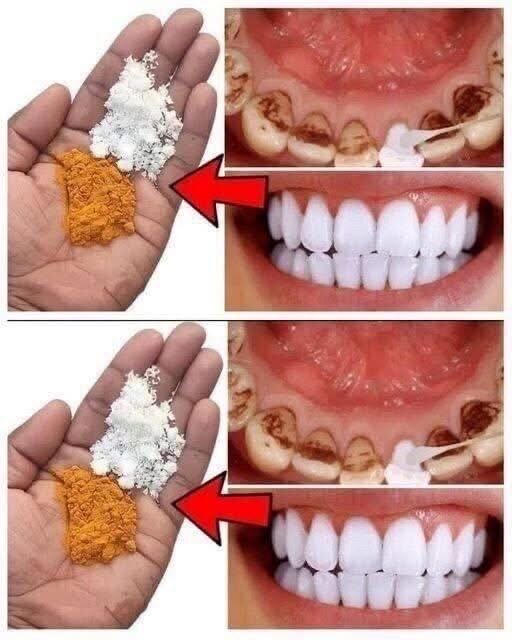
In recent years, the quest for a brighter, whiter smile has led many people to explore alternatives to traditional dental whitening products, ranging from expensive professional treatments to DIY home remedies. Among these, the use of bay leaves has emerged as a surprising trend, praised online for purportedly lifting stains and freshening breath naturally. Known scientifically as Laurus nobilis, bay leaves are long cherished in culinary and wellness practices for their antioxidant, antibacterial, and anti-inflammatory properties. Social media posts and viral wellness blogs claim that crushed or powdered bay leaves can be rubbed directly on teeth to reduce discoloration, promising a cost-effective, chemical-free solution to yellowing enamel. While these claims have captured public attention, the actual effectiveness of bay leaves as a whitening agent warrants closer examination, as the distinction between oral health benefits and cosmetic results is often blurred in popular narratives.
At the heart of the discussion is the mild abrasiveness of dried, crushed bay leaves. When ground into a fine powder, these leaves can act as a gentle scrubbing agent, theoretically helping to remove surface stains caused by common culprits such as coffee, tea, or red wine. In this sense, bay leaves function similarly to other mild abrasives used in oral care, such as baking soda, by polishing the surface layer of the enamel. However, it is crucial to recognize that surface scrubbing only addresses extrinsic stains. The underlying natural color of enamel and intrinsic discoloration—caused by genetics, aging, or internal staining from medication—remains unaffected by bay leaf treatments. Overestimating the whitening potential of this herb can lead to disappointment and, if applied excessively, potential damage to enamel, leading to sensitivity or long-term dental issues.
Beyond the superficial polishing effect, bay leaves do contain compounds that offer certain oral health benefits. Their antibacterial properties can reduce the population of bacteria responsible for bad breath, potentially improving mouth odor and enhancing the perception of oral cleanliness. Anti-inflammatory compounds found in bay leaves may also support gum health, soothing minor irritation and promoting a healthier oral environment. While these effects do not directly whiten teeth, they contribute indirectly to a brighter-looking smile by fostering healthier gums, reducing plaque buildup, and creating an overall sense of freshness that can improve appearance and confidence. Many proponents highlight these benefits as reasons to include bay leaves in a regular oral hygiene routine, though they are best viewed as complementary to, rather than a substitute for, established dental practices.
DIY remedies combining bay leaves with ingredients such as baking soda or coconut oil are widespread on social media. In these cases, the whitening effects typically attributed to bay leaves are primarily due to the action of baking soda, a well-documented abrasive capable of removing surface stains, rather than the herb itself. Coconut oil may provide temporary coating and mild antibacterial benefits, enhancing the sensation of cleanliness, but does not alter tooth color. Bay leaf-based mouth rinses or infused water may offer a soothing effect on gums and breath freshness, yet they produce no meaningful cosmetic whitening. The popularity of these recipes reflects a broader cultural fascination with natural remedies and herbal solutions, which are appealing for their accessibility and perceived safety, even when scientific support is minimal.
Scientific investigation into the whitening efficacy of bay leaves is limited, and to date, there is no empirical evidence demonstrating that this herb produces measurable improvements in tooth color. Dental professionals emphasize that excessive rubbing of any abrasive substance, including powdered herbs, risks damaging enamel. Enamel erosion not only increases tooth sensitivity but can also create rough surfaces that are more prone to staining, paradoxically counteracting the intended cosmetic benefits. Consequently, reliance on bay leaves for whitening should be approached cautiously, with awareness that the primary benefits lie in minor polishing and oral hygiene support rather than transformative color changes. Professional guidance remains essential for safe and effective results.
Understanding how tooth discoloration occurs helps clarify why remedies like bay leaves have limited effectiveness. Tooth stains generally fall into two categories: extrinsic and intrinsic. Extrinsic stains develop on the outer surface of the enamel due to lifestyle factors such as diet, smoking, and poor oral hygiene. These stains are often removable through polishing or mild abrasives. Intrinsic stains, however, occur within the tooth structure itself, often involving the dentin layer beneath the enamel. Causes can include aging, trauma, excessive fluoride exposure during development, or certain medications such as tetracycline antibiotics. Because intrinsic stains are embedded deeper within the tooth, they require chemical whitening agents capable of penetrating enamel, something bay leaves are not able to achieve.
Professional whitening treatments, in contrast, rely on active ingredients such as hydrogen peroxide or carbamide peroxide. These compounds break down into oxygen molecules that penetrate the enamel and react with discolored molecules inside the tooth, effectively lightening its internal color. This chemical process is fundamentally different from the physical scrubbing action provided by bay leaf powder. While natural remedies may appear appealing due to their simplicity, they cannot replicate the molecular-level changes produced by clinically tested whitening agents. As a result, individuals seeking noticeable whitening results may find that herbal alternatives fall short of expectations.
Another important consideration is the role of enamel integrity in maintaining a bright smile. Enamel is the hardest substance in the human body, yet it is not indestructible. Once enamel is worn away, it does not regenerate. Beneath it lies dentin, which has a naturally yellowish hue. When enamel becomes thinner due to erosion or excessive abrasion, the underlying dentin becomes more visible, making teeth appear darker rather than whiter. Frequent use of abrasive substances, even natural ones like crushed herbs, can accelerate this process. This highlights the paradox of overusing DIY whitening methods: in attempting to brighten teeth, individuals may inadvertently cause long-term discoloration and sensitivity.
Diet and lifestyle choices also play a significant role in tooth color. Beverages such as coffee, tea, and red wine contain chromogens—pigmented compounds that adhere to enamel and cause staining over time. Acidic foods and drinks can further weaken enamel, making it more susceptible to discoloration. Smoking introduces tar and nicotine, which create stubborn stains that are difficult to remove without professional intervention. Addressing these factors often yields more noticeable improvements than relying solely on topical remedies. Simple changes, such as rinsing the mouth after consuming staining substances or using a straw for beverages, can reduce the accumulation of surface stains and preserve natural tooth color.
Saliva production is another often overlooked factor in oral health and appearance. Saliva helps neutralize acids, wash away food particles, and maintain a balanced oral environment. Reduced saliva flow, known as dry mouth, can increase the risk of plaque buildup and staining. Certain medications, dehydration, and medical conditions can contribute to this issue. While bay leaves may offer mild antibacterial benefits, they do not significantly influence saliva production or the broader physiological processes that protect enamel. Maintaining hydration and addressing underlying causes of dry mouth are more effective strategies for supporting oral health.
Cultural traditions have long embraced herbal remedies for oral care, and bay leaves are no exception. In some regions, plant-based powders and natural chewing sticks have been used for centuries to clean teeth and freshen breath. These practices often developed in contexts where modern dental products were unavailable. While they may offer certain benefits, it is important to evaluate them within the framework of contemporary scientific understanding. The appeal of returning to natural methods should not overshadow the advances made in dental science, particularly when those advances have significantly reduced the prevalence of tooth decay and gum disease worldwide.
The psychological aspect of a whiter smile should also not be underestimated. A bright smile is often associated with health, confidence, and attractiveness. This perception drives the popularity of whitening products and fuels the search for quick, accessible solutions. Social media platforms amplify this trend by showcasing before-and-after transformations, often without context or verification. The visual nature of these platforms can create unrealistic expectations, leading individuals to try multiple remedies in pursuit of similar results. Recognizing the difference between perceived improvements and clinically measurable changes is essential in making informed decisions about oral care.
Cost is another factor influencing the appeal of DIY remedies. Professional whitening treatments can be expensive, and not everyone has access to dental care. In this context, natural alternatives like bay leaves appear attractive due to their low cost and availability. However, the potential risks associated with improper use should be considered. Investing in basic oral hygiene tools—such as a quality toothbrush, fluoride toothpaste, and dental floss—provides far greater benefits than relying on unproven methods. For those seeking affordable whitening options, over-the-counter products approved by dental associations offer a safer and more effective alternative.
Education plays a key role in navigating the abundance of information available online. Not all sources are reliable, and many claims are based on anecdotal evidence rather than scientific research. Understanding how to evaluate these claims—by considering the credibility of the source, the presence of clinical studies, and the opinions of dental professionals—can help individuals avoid misinformation. Critical thinking is especially important when it comes to health-related topics, where decisions can have long-term consequences.
It is also worth noting that oral health is closely linked to overall health. Conditions such as gum disease have been associated with systemic issues, including cardiovascular disease and diabetes. Maintaining proper oral hygiene is therefore not only a matter of aesthetics but also an essential component of general well-being. While bay leaves may contribute in a small way to oral cleanliness, they cannot replace comprehensive care that addresses both the cosmetic and functional aspects of dental health.
For individuals interested in incorporating bay leaves into their routine, moderation and proper technique are key. Finely ground powder should be used gently and infrequently, avoiding excessive pressure that could damage enamel. It is advisable to consult a dentist before introducing any new oral care practice, particularly for individuals with sensitive teeth or existing dental conditions. Combining traditional knowledge with professional guidance ensures that experimentation does not compromise long-term health.
Ultimately, bay leaves may offer modest improvements in oral hygiene through their antibacterial and anti-inflammatory properties and provide a limited scrubbing effect that can enhance the appearance of surface cleanliness. However, they are not a substitute for consistent, dentist-recommended care, including brushing with fluoride toothpaste, flossing, routine dental checkups, and scientifically validated whitening treatments. For those seeking a brighter smile, strategies such as professional whitening, at-home bleaching kits approved by dental associations, and lifestyle modifications—like reducing consumption of staining beverages—remain the most reliable avenues. While bay leaves may be an interesting and low-risk addition to a daily oral care regimen, their role should be understood as supportive, not curative, ensuring that expectations align with evidence-based outcomes and dental health is not compromised in pursuit of a quick fix.