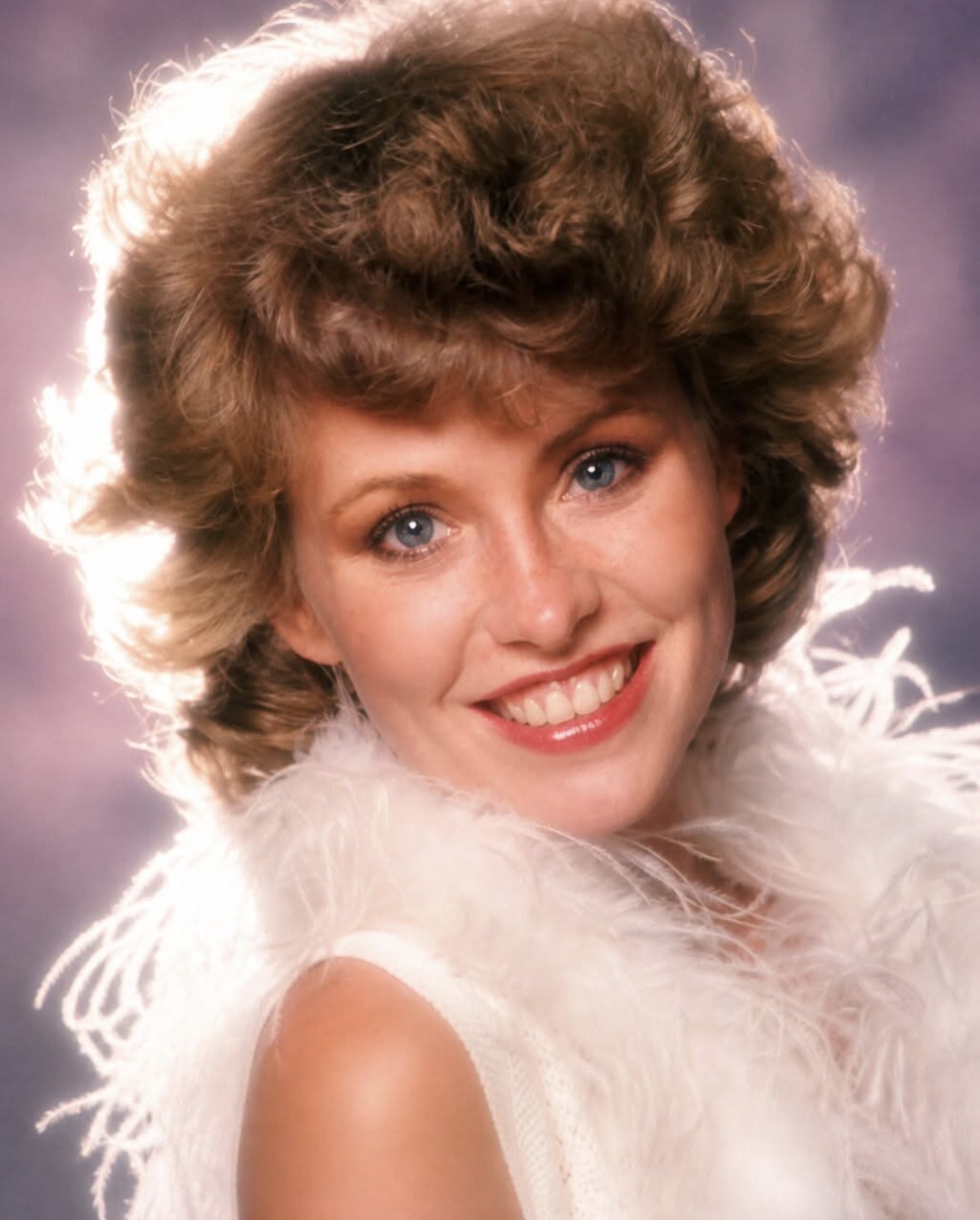
At just 23, Lauren Tewes landed the role that would make her a familiar face in American homes, playing cruise director Julie McCoy on the hit television series The Love Boat. When the show debuted in 1977, Tewes quickly became part of its beloved ensemble, appearing alongside Gavin MacLeod, Ted Lange and Bernie Kopell. But behind the cheerful smile viewers saw each week, the actress was struggling with cocaine addiction that would eventually cost her the role. Tewes later admitted that the money she earned was not being saved, saying it went toward her drug use instead. By 1984, after seven seasons on the show, she was dismissed and replaced by Patricia Klous, who played Julie’s sister, Judy McCoy. At the time, substance abuse was often treated as a disciplinary issue rather than a health condition requiring support, leaving Tewes to confront a devastating personal and professional crisis.
Her road to recovery was neither quick nor easy. Tewes began trying to withdraw from cocaine in 1980, but it took several years before she was able to stop completely. In later interviews, she described feeling ashamed, isolated and desperate for help, believing she had to face the problem largely on her own. After becoming sober, she turned toward theater, finding new opportunities to act and direct while rebuilding her life away from Hollywood’s spotlight. She eventually moved to Seattle after meeting Robert Nadir in 1993, and the couple married in 1996. Yet just as she was creating a new chapter, tragedy struck again. Tewes had already endured the heartbreaking loss of her premature baby daughter in 1987, who died at just one month old. Then, in 2002, Nadir was diagnosed with ALS, also known as Lou Gehrig’s disease, and died that same year at only 46. The losses left her facing grief that fame and career success could never have prepared her for.
Although Tewes never fully returned to the level of stardom she enjoyed on The Love Boat, she continued working in entertainment, with appearances on programs including Twin Peaks, The Fugitiveand Who’s the Boss? She also returned to her famous role for The Love Boat: The Next Wave and later became involved in the comedy-mystery radio series Murder and the Murdochs. Away from acting, she developed her culinary interests and began working as a cheese specialist for a Seattle-based catering company. Former castmates have continued to speak warmly about her, with Jill Whelan praising her talent, kindness and ability to move effortlessly between comedy and drama. Fred Grandy also reflected that Tewes had recovered remarkably, noting that addiction was understood very differently when she was dismissed. Unlike a Hollywood comeback built around headlines, her later life has centered on meaningful work, friendships and personal resilience rather than chasing fame or financial success.
Now 70, Tewes has continued following her own path, refusing to let one painful chapter define her entire life. Her experience reflects how addiction, grief and career setbacks can alter a person’s future, while recovery can open doors that once seemed impossible. She has spoken about her determination to remain in the profession even when the industry appeared ready to move on without her. Her story also highlights how attitudes toward addiction have changed, with greater recognition today of the importance of treatment and support rather than punishment alone. Though she lost her place aboard television’s most famous cruise ship, Tewes found other ways to use her talents and build a life beyond the spotlight. Her journey remains a complicated mix of heartbreak, accountability and perseverance—and a reminder that a person’s story does not have to end when their biggest role does.