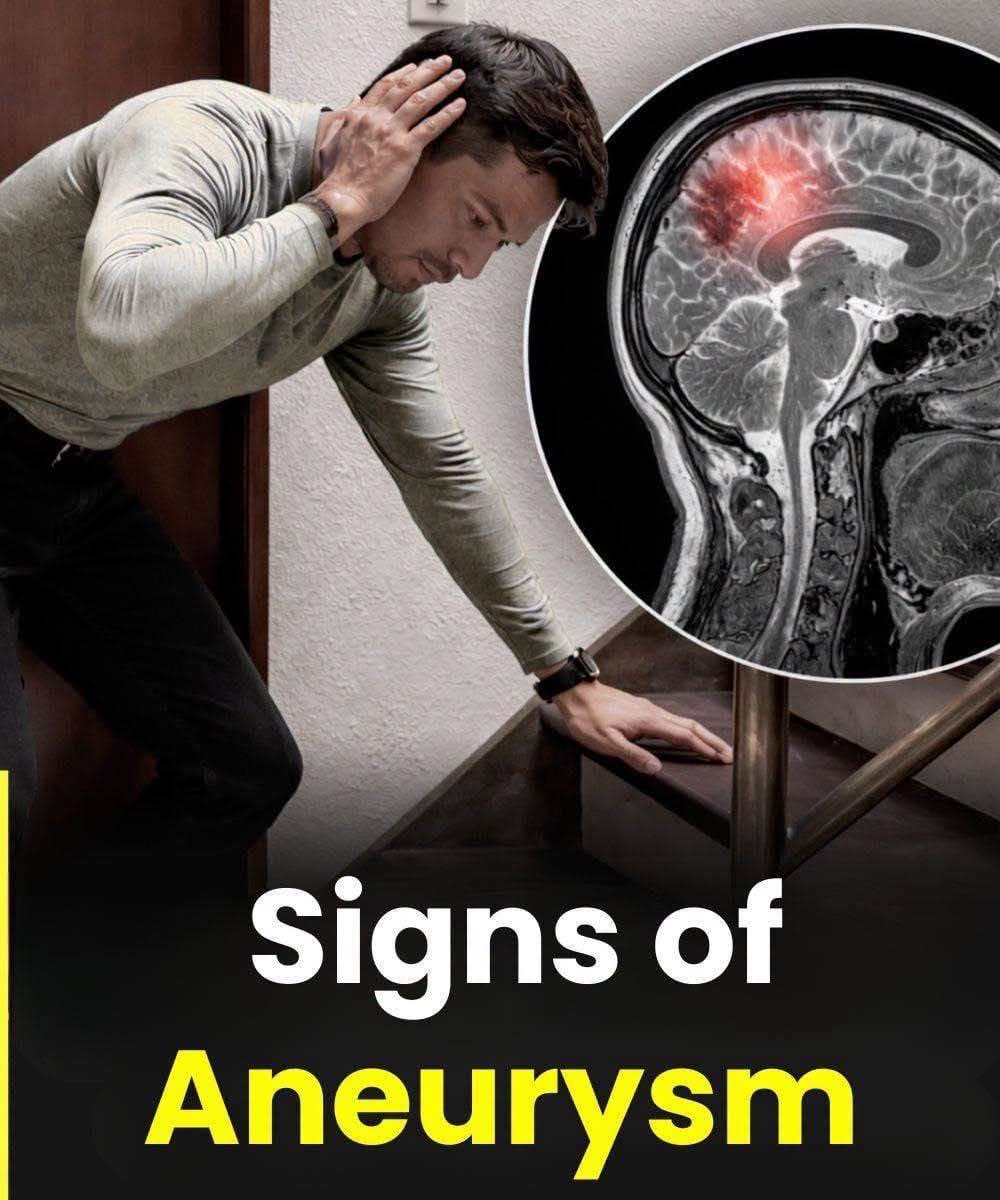
An aneurysm is a serious medical condition that occurs when a section of a blood vessel wall becomes weak and begins to bulge outward. This bulging can happen in different parts of the body, but it is especially dangerous when it affects major arteries or blood vessels in the brain. What makes aneurysms particularly concerning is that they often develop silently. Many people have no idea they have one until it grows large, presses on nearby tissues, or in the worst cases, ruptures. Because of this, recognizing possible warning signs and understanding the risk factors can be extremely important.
One of the most well-known warning signs of a brain aneurysm is a sudden, severe headache. People often describe it as the worst headache of their life or as a pain that feels very different from any headache they have had before. This kind of pain can appear without warning and may be intense from the start. A sudden severe headache can sometimes be a sign that an aneurysm has leaked or ruptured, which is a medical emergency requiring immediate attention.
Along with a severe headache, vision changes can also occur. A person may experience blurred vision, double vision, or unusual sensitivity to light. These symptoms can happen if the aneurysm presses on nerves near the eyes or affects blood flow in areas related to vision. In some cases, pain around or behind one eye may also develop. While vision problems can have many causes, when they appear suddenly or alongside a powerful headache, they should never be dismissed.
Another group of warning signs involves neurological symptoms. An aneurysm in or near the brain can press on surrounding structures, leading to numbness or weakness, especially on one side of the body. A person may also have trouble speaking clearly, understanding others, or thinking normally. Confusion, drooping of the face, loss of balance, or difficulty walking may also appear. These symptoms can resemble those of a stroke, and in some situations, an aneurysm rupture can in fact lead to bleeding in the brain that causes stroke-like effects. Either way, the correct response is the same: emergency medical care is needed right away.
It is also important to know that not all aneurysms occur in the brain. Some develop in the aorta, the large artery that carries blood from the heart to the rest of the body. An aortic aneurysm can occur in the chest or abdomen and may cause different symptoms. People sometimes report a deep, steady, or throbbing pain in the chest, back, or abdomen. This pain may not go away and may feel unusual compared with ordinary muscle aches or digestive discomfort. If the aneurysm grows, it can begin to affect nearby organs or structures, sometimes causing shortness of breath, trouble swallowing, or a pulsing sensation in the abdomen.
If an aneurysm ruptures, the situation becomes immediately life-threatening. A rupture can lead to internal bleeding, which may cause a sudden drop in blood pressure. A person may become dizzy, weak, pale, sweaty, or confused. Their heart rate may become very fast, and they may faint or lose consciousness. In the case of a ruptured brain aneurysm, vomiting, a stiff neck, seizures, or sudden collapse may also occur. These are all emergency warning signs, and survival often depends on how quickly medical treatment begins.
One reason aneurysms are so dangerous is that the symptoms can be easy to misinterpret at first. A severe headache might be dismissed as a migraine. Back or abdominal pain might be blamed on strain or indigestion. Numbness or trouble speaking might be mistaken for fatigue or stress. But when symptoms are sudden, severe, or very unusual, it is always safer to treat them seriously. Waiting too long can have devastating consequences.
Certain people face a higher risk of developing aneurysms. Risk increases with age, and men over 50 are especially at risk for some types, particularly abdominal aortic aneurysms. High blood pressure is a major factor because it places constant stress on the blood vessel walls. Smoking is another major risk because it damages blood vessels and increases the chance that an aneurysm will form, grow, or rupture. A family history of aneurysm may also increase risk, as can high cholesterol, atherosclerosis, and certain inherited connective tissue disorders.
Because aneurysms can remain silent for years, regular medical checkups are important, especially for people with known risk factors. In some cases, doctors recommend screening tests for people at higher risk, such as older adults with a smoking history or those with a strong family history of aneurysm. Screening may involve ultrasound, CT scans, or MRI imaging, depending on the suspected location. These tests can sometimes detect an aneurysm before it causes symptoms, giving doctors a chance to monitor or treat it before it becomes more dangerous.
Prevention also plays a major role in reducing risk. Managing blood pressure is one of the most important steps because uncontrolled hypertension can weaken vessel walls over time. Quitting smoking is equally important, since smoking is one of the strongest modifiable risk factors. Maintaining a healthy diet, staying physically active, controlling cholesterol, and managing diabetes can also help protect blood vessels. These lifestyle measures do not guarantee that an aneurysm will never occur, but they can significantly reduce the chances of complications.
If doctors suspect an aneurysm, they may order imaging tests to confirm its presence and evaluate the danger. A CT scan can quickly identify bleeding or enlarged vessels, while an MRI provides detailed images of soft tissues and blood vessels. Ultrasound is often used for abdominal aneurysms because it is fast, safe, and effective. In some cases, more specialized imaging such as angiography may be needed to see the blood vessels clearly.
Treatment depends on several factors, including the aneurysm’s location, size, growth rate, and symptoms. Small aneurysms that are not causing symptoms may simply be monitored over time with regular imaging and medical management. Doctors may prescribe medications to control blood pressure or reduce strain on the blood vessels. Larger aneurysms, rapidly growing aneurysms, or aneurysms at high risk of rupture may require surgical treatment. This can involve open surgery to repair the vessel or less invasive procedures such as endovascular repair, in which a device is inserted to reinforce the weakened area from inside the blood vessel.
The good news is that awareness can save lives. Understanding the warning signs of an aneurysm helps people know when not to wait. Severe headaches, sudden vision changes, unexplained weakness, chest or abdominal pain, dizziness, or fainting are not symptoms to ignore, especially when they appear suddenly or intensely. Quick action can allow doctors to diagnose the problem early and intervene before irreversible damage occurs.
This is one of those topics where a brief medical caution matters: if someone has symptoms that could suggest an aneurysm – especially a sudden severe headache, new neurological symptoms, or severe chest, back, or abdominal pain – they should seek emergency medical care immediately rather than trying to self-diagnose.
In summary, aneurysms are dangerous because they can develop quietly and become life-threatening without much warning. Paying attention to sudden and unusual symptoms, understanding personal risk factors, and staying proactive with routine healthcare can make a critical difference. Early recognition, timely imaging, and proper treatment can prevent catastrophic outcomes and greatly improve the chances of survival.