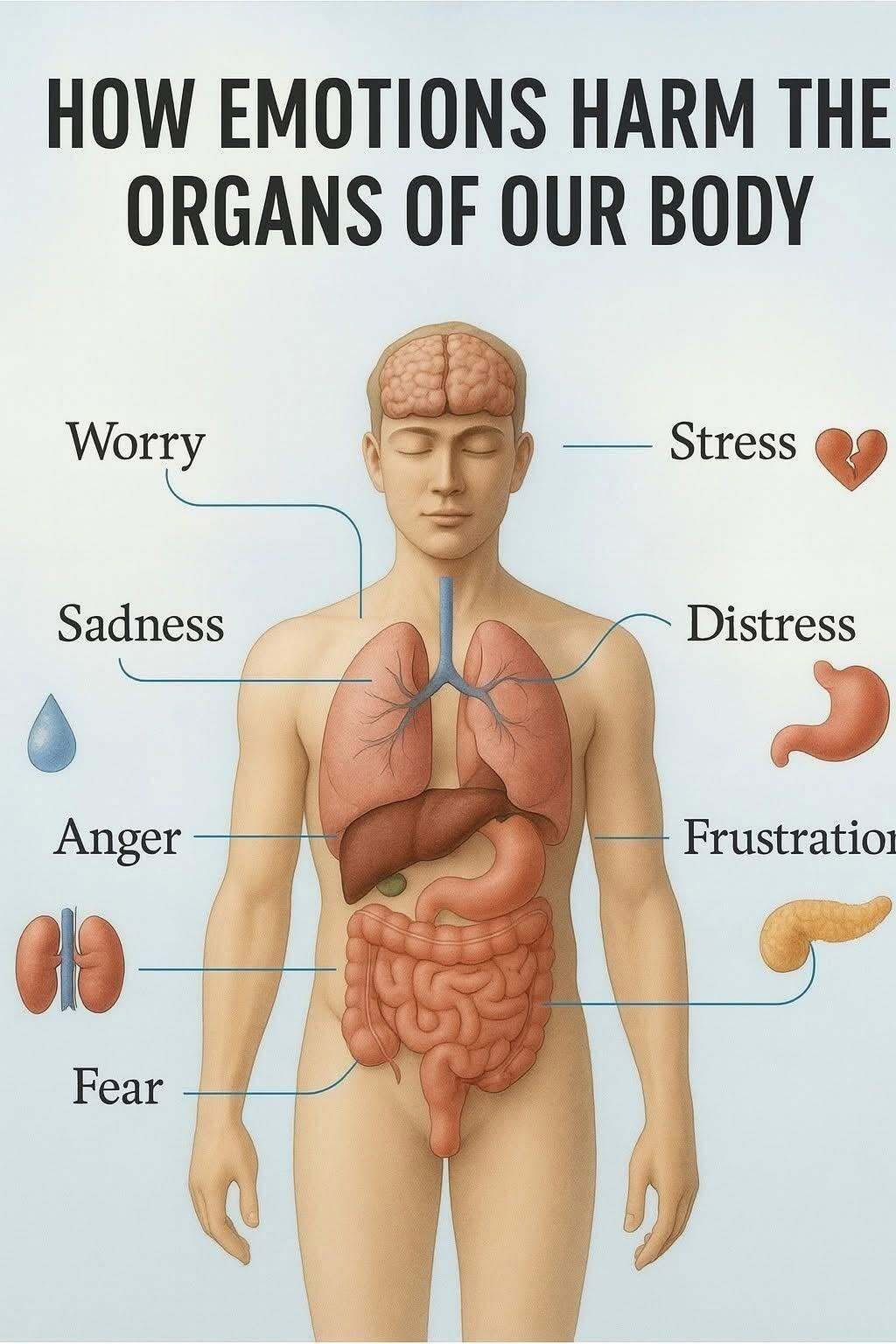
Have you ever noticed your stomach feeling uneasy when you’re nervous, your heart racing when you’re frightened, or your shoulders tightening after a stressful day? These reactions are examples of the powerful connection between the mind and body. Emotional experiences can create real physical changes because the brain constantly communicates with the nervous system, hormones, muscles, heart, digestive system, and immune system.
Stress is one of the clearest examples. When the brain perceives a situation as threatening or important, it can activate the body’s stress response. Your heartbeat may increase, breathing may change, muscles may tighten, and you may become more alert. These reactions can be helpful temporarily, but prolonged stress may contribute to fatigue, headaches, sleep difficulties, muscle tension, and digestive discomfort.
Anxiety can also feel intensely physical. Racing heartbeat, sweating, rapid breathing, stomach problems, headaches, and difficulty sleeping are common experiences. Sometimes these sensations create a cycle: you notice a physical symptom, become worried about it, feel more anxious, and then experience stronger physical reactions. Understanding this pattern can help, but persistent symptoms should not automatically be blamed on anxiety.
The digestive system is particularly sensitive to emotional changes. Stress may affect appetite, digestion, bowel habits, or cause nausea. This happens because the brain and digestive system communicate through complex nervous-system and hormonal pathways, often described as the gut-brain connection. Sleep is similarly affected: stress can make it harder to rest, while poor sleep can increase irritability and reduce emotional resilience.
Emotions can also influence muscle tension, anger-related physical activation, and the low energy sometimes associated with sadness. Fortunately, positive experiences matter too. Laughter, meaningful relationships, relaxation, enjoyable activities, and social support can promote overall well-being and help stressful situations feel more manageable.
The connection works both ways. Physical exhaustion, hunger, illness, discomfort, and lack of sleep can all influence mood and concentration. That’s why healthy habits such as regular movement, adequate sleep, balanced nutrition, relaxation, meaningful social connection, and taking breaks can support both physical and emotional health.
However, never assume that every physical symptom is caused by stress. New, severe, persistent, or worsening symptoms—including chest pain, fainting, significant breathing difficulties, severe abdominal pain, or neurological changes—deserve appropriate medical evaluation.
Ultimately, mind and body are not separate systems. Your emotions can influence physical health, while physical health can shape emotional well-being. You don’t need to eliminate every negative emotion. Instead, learn to notice what you’re experiencing, respond to yourself with care, and seek professional support when needed. Sometimes caring for your body begins by caring for your mind—and sometimes caring for your mind begins by listening to your body.