They scrub harder.
They switch soaps, buy expensive skin products, and try every home remedy they can find online. Some become embarrassed by it. Others convince themselves it’s simply poor hygiene. Yet despite repeated washing and constant effort, the dark patch remains exactly where it was before.
What many people don’t realize is that those dark areas appearing on the back of the neck may have very little to do with cleanliness.
According to medical experts, they can sometimes be one of the earliest visible signs that the body is struggling with something happening beneath the surface—particularly problems involving blood sugar regulation and insulin resistance.
In some cases, the skin may reveal a warning long before other symptoms become obvious.
The Skin Change Many People Mistake for Dirt
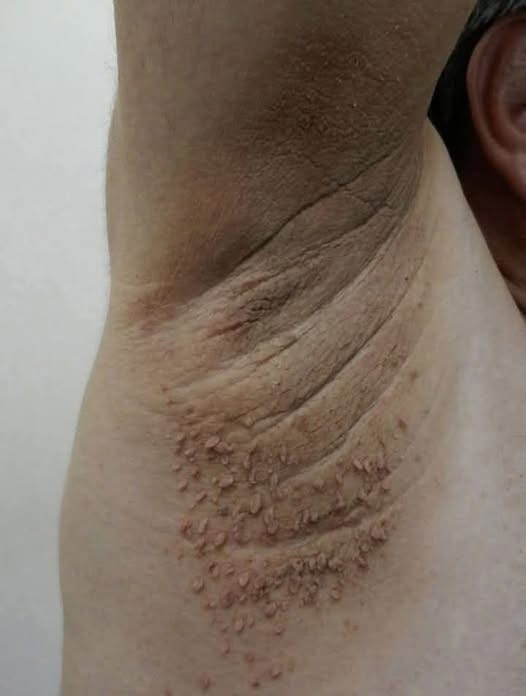
A physician recently sparked widespread attention after sharing images of a skin condition that thousands of people encounter but often misunderstand. The condition, known as Acanthosis Nigricans, commonly appears as dark, thickened, velvety patches of skin.
These patches most frequently develop in areas such as:
• The back of the neck
• Under the arms
• The groin region
• Skin folds and body creases
Unlike ordinary dirt, sweat buildup, or poor hygiene, these patches typically do not disappear after bathing. Scrubbing harder usually makes no difference. The skin may appear darker, thicker, and feel almost velvety to the touch.
Because the discoloration often resembles unwashed skin, many people spend months—or even years—trying to clean something that cannot be washed away.
That’s because the problem often originates inside the body rather than on the surface of the skin.
Why Doctors Take It Seriously
Healthcare professionals pay close attention to Acanthosis Nigricans because it is frequently associated with insulin resistance.
Insulin is the hormone that helps move sugar from the bloodstream into the body’s cells where it can be used for energy. When cells become resistant to insulin, the body must produce increasing amounts of the hormone to keep blood sugar under control.
Over time, this process places significant stress on the body’s metabolic systems.
As insulin levels rise, they can stimulate changes in skin cells that lead to the darkened, thickened appearance characteristic of Acanthosis Nigricans.
This is why doctors often view the condition as more than a cosmetic concern.
It may serve as an early warning sign for health conditions including:
• Prediabetes
• Type 2 diabetes
• Metabolic syndrome
Obesity-related complications
• Cardiovascular risk factors
For some individuals, the skin changes appear years before diabetes is formally diagnosed.
That makes early recognition especially important.
A Warning Sign That Can Affect Children
One of the most concerning aspects of the condition is that it does not affect only adults.
Children and teenagers can develop Acanthosis Nigricans as well.
Pediatric specialists often pay close attention when overweight or obese children develop dark patches on the neck, underarms, or other skin folds because these changes may indicate early insulin resistance.
Experts emphasize that early intervention can make a significant difference.
Parents should consider seeking medical advice if they notice patches that:
✔ Appear unexpectedly
✔ Become darker over time
✔ Feel thick, rough, or velvety
✔ Do not improve despite regular washing
Identifying potential blood sugar problems early may help prevent more serious complications later in life.
But Not Every Dark Patch Means Diabetes
While Acanthosis Nigricans deserves attention, doctors caution against jumping to conclusions.
Not every dark patch on the neck indicates diabetes or insulin resistance.
Several harmless skin conditions can produce a very similar appearance.
One example is Terra Firma-Forme Dermatosis (TFFD), a benign condition that causes brown or black patches that resemble dirt or skin discoloration.
Unlike Acanthosis Nigricans, TFFD often improves when gently cleaned with 70% isopropyl alcohol.
This is one reason medical professionals discourage self-diagnosis based solely on photographs or social media posts.
Many skin conditions look remarkably similar to the untrained eye.
Only a qualified healthcare provider can accurately determine the cause.
Other Symptoms That Shouldn’t Be Ignored
Dark patches may become more concerning when they appear alongside symptoms commonly associated with blood sugar disorders.
These include:
• Increased thirst
• Frequent urination
• Persistent fatigue
• Blurred vision
• Unexplained weight changes
• Increased hunger
• Slow healing of cuts and wounds
• Recurrent infections
When skin changes occur together with these symptoms, healthcare professionals often recommend blood sugar testing and further medical evaluation.
What Should You Do If You Notice These Patches?
The good news is that early action can make a tremendous difference.
Doctors typically recommend:
• Scheduling a medical evaluation
• Checking fasting blood glucose levels
• Discussing diabetes screening with a healthcare provider
• Maintaining a healthy weight
• Following a balanced diet
• Engaging in regular physical activity
• Monitoring skin changes over time
Simple blood sugar screening tests are widely available through clinics, physicians’ offices, and many pharmacies.
These tests can often provide valuable information about whether further investigation is needed.
The Bottom Line
A dark patch on the neck is not always dirt.
And it is not always diabetes.
But it is also not something that should automatically be ignored.
Conditions such as Acanthosis Nigricans can sometimes serve as the body’s early warning system, signaling metabolic changes long before more serious symptoms appear.
The safest approach is straightforward:
If you notice unusual skin discoloration that persists despite washing, becomes darker over time, or is accompanied by other symptoms, consider speaking with a healthcare professional.
A simple medical evaluation may provide reassurance—or identify a problem early enough to make treatment far more effective.
Sometimes the body sends quiet signals before serious health issues develop.
And occasionally, your skin notices a problem long before the rest of your body does.