Since returning to the presidency, Donald Trump has placed immigration control, border security, and enforcement at the forefront of U.S. policy. This focus has manifested in sweeping measures that have wide-reaching implications for international travel, diplomacy, and bilateral relations. Earlier this month, the administration unveiled a significant expansion of travel restrictions, adding multiple countries to a growing list of nations whose citizens face full or partial bans on entering the United States. With the latest announcement, the total number of affected countries has reached 39, marking one of the most extensive travel restriction regimes in modern U.S. history. These measures, effective January 1, 2026, include visa suspensions, enhanced screening requirements, or outright entry prohibitions depending on the country involved. The White House has consistently framed these actions as necessary national security precautions, emphasizing the president’s duty to protect Americans from potential threats. Supporters argue that the restrictions incentivize foreign governments to strengthen identity verification, enhance border security, and cooperate more closely with U.S. authorities. Critics, however, contend that the policies risk diplomatic backlash, disrupt economic activity, and unfairly punish civilians with no connection to security threats. As the number of restricted countries increases, international responses have begun to unfold, creating a ripple effect that impacts U.S. travelers, businesses, and strategic interests abroad.
Full travel bans target a substantial list of countries, including Afghanistan, Burma (Myanmar), Chad, the Republic of the Congo, Equatorial Guinea, Eritrea, Haiti, Iran, Libya, Somalia, Sudan, Yemen, Burundi, Cuba, Laos, Sierra Leone, Togo, Turkmenistan, Venezuela, Burkina Faso, Mali, Niger, South Sudan, and Syria. Citizens of these nations face near-total restrictions on tourist, student, work, and immigrant visas, with only limited exceptions under highly specific circumstances. Additionally, partial bans affect countries such as Angola, Antigua and Barbuda, Benin, Côte d’Ivoire, Dominica, Gabon, The Gambia, Malawi, Mauritania, Nigeria, Senegal, Tanzania, Tonga, Zambia, and Zimbabwe. In these cases, certain visa categories are limited, while other types of entry may remain possible. According to the administration, the distinctions reflect deficiencies in information sharing, document security, and adherence to U.S. immigration standards. Despite this explanation, many governments, diplomats, and advocacy organizations have criticized the approach as overly broad, lacking transparency, and vulnerable to accusations of discrimination. Questions remain regarding how countries are evaluated for removal from the list, creating uncertainty for travelers and officials alike.
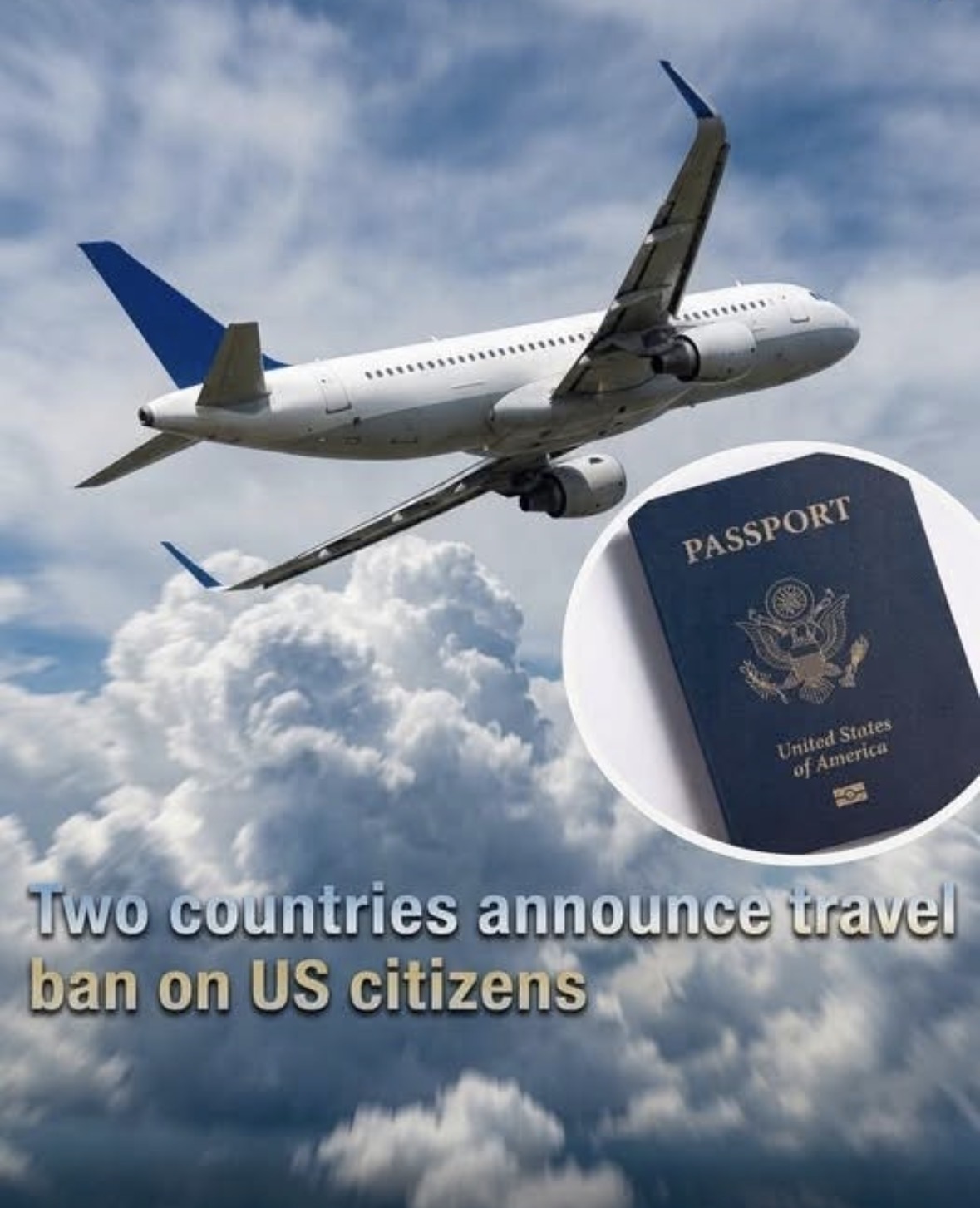
The announcement of expanded travel bans has prompted immediate diplomatic responses. Mali and Burkina Faso, newly added to the full ban list, declared that American citizens would face reciprocal restrictions, citing the principle of reciprocity and asserting their sovereign right to protect national interests. Mali’s Ministry of Foreign Affairs emphasized that its decision was intended to maintain equality in international treatment, while Burkina Faso’s Foreign Affairs Minister, Karamoko Jean-Marie Traoré, echoed similar reasoning. These measures mean that U.S. citizens traveling to these countries will face new visa requirements, limitations, or outright denial of entry depending on how each government enforces its policy. Niger has escalated further, announcing a permanent ban on U.S. visas and an indefinite prohibition of American entry. Chad, which was placed on a previous ban list, had already suspended visas for U.S. citizens. These retaliatory policies threaten to disrupt travel for Americans and complicate U.S. diplomatic engagement, particularly in regions where cooperation on counterterrorism, security, and humanitarian aid has historically been critical.
In addition to travel bans, the United States has introduced stricter border and customs measures that further reshape the experience of international travelers. In late December, new biometric data collection requirements were implemented, giving U.S. officials expanded authority to capture facial recognition images, fingerprints, and, in some cases, DNA from non-U.S. citizens entering or leaving the country. These images are stored in a government-managed biometric identity system for up to 75 years, while U.S. citizens participating voluntarily have their data discarded within 12 hours. Travelers who opt out undergo manual passport checks. According to officials, these policies aim to enhance security, deter fraud, and streamline processing during high-traffic periods. Critics, however, warn that such measures pose significant privacy risks and may lead to misuse or improper retention of sensitive personal information.
European governments have responded with cautionary guidance for travelers heading to the United States. The United Kingdom has updated its travel advisories to emphasize strict compliance with U.S. entry rules, warning that violations can result in detention or arrest. Germany has issued similar advisories after reporting cases of German citizens denied entry despite valid travel authorization. Both countries underscore that neither an approved ESTA nor a visa guarantees entry, as final admission is determined solely by U.S. border authorities. These advisories reflect broader uncertainty regarding the Trump administration’s immigration strategy, which includes potential future expansions to a projected 43 countries. The evolving travel restrictions, along with biometric surveillance and reciprocal policies abroad, create a complex global mobility environment that challenges predictability for travelers and governments alike.
The expanded travel bans and enhanced border measures carry implications beyond immediate travel disruption. Strategic relationships with affected nations, particularly in Africa and the Middle East, may experience increased strain as reciprocal measures challenge long-standing agreements on security cooperation, trade, and humanitarian assistance. Aid organizations, journalists, and businesses face heightened obstacles operating in these regions, while U.S. travelers must navigate an unpredictable system of restrictions. Analysts warn that prolonged enforcement could create diplomatic tension, weaken bilateral trust, and impact international collaboration on critical global issues. The combination of strict travel controls, aggressive visa policies, and new data collection requirements marks a significant shift in U.S. immigration policy toward security-centric enforcement.
As these policies take effect, the global travel landscape is being reshaped. U.S. citizens encounter restrictions abroad, foreign nationals face visa suspensions, and governments negotiate retaliatory measures to protect their sovereignty. Biometric programs and expanded surveillance further alter expectations of privacy and entry procedures. The cumulative effect is a profound change in the mobility of people, goods, and services, signaling a departure from the openness previously associated with U.S. borders. The Trump administration’s expanded travel bans, combined with the international response, suggest that global travel, diplomatic relations, and cross-border engagement will continue to be affected for years to come, creating a new paradigm for immigration enforcement and international cooperation.